
Bio-Based Tarpaulins: Natural Material Innovations
The global demand for sustainable alternatives is intensifying daily, and society requires eco-friendly materials more than ever. Among these innovations, bio-based tarpaulins represent one of the most significant milestones in material science. Unlike conventional tarpaulins whose primary materials derive from petrochemical products, these tarpaulins utilize nature’s renewable resources to provide the same advantages of strength and versatility with a substantially reduced environmental impact. This examination delves into the contemporary phenomenon of bio-based tarpaulins, exploring their composition, advantages, and diverse user base.
Understanding Tarpaulins and Their Environmental Impact
What is a Tarpaulin?
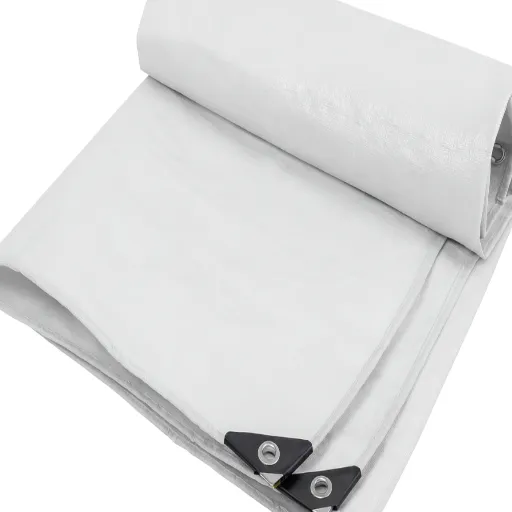
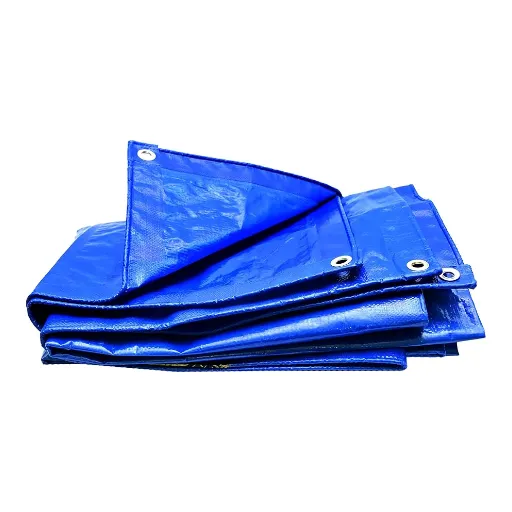
The tarpaulin, commonly known as a tarp, is an extensible, durable covering that provides protection from environmental elements. Manufactured from woven materials such as polyethylene, canvas, and polyester, tarp sheets are either coated or processed to achieve waterproof or water-repellent properties. This combination of strength and flexibility enables tarpaulins to withstand wet, hot, and cold temperatures, including strong winds.
Since ancient times, tarpaulins have found numerous applications—most notably in protecting materials and structures from harsh weather conditions, providing makeshift accommodation, and covering products during transit. These devices are valued for their properties: despite being lightweight, they demonstrate exceptional strength, facilitating ease of application while minimizing object fatigue or damage over extended periods. Their utility spans industrial and construction purposes to agriculture and leisure activities.
However, many tarpaulin manufacturers utilize plastics for production, overlooking the fact that these materials require extensive time to deteriorate, consequently becoming environmental hazards. This reality has driven growth toward formulating alternative tarpaulin structures based on bio-based materials, specifically designed to provide equivalent strength and performance while generating less environmental strain.
The Role of Tarps in Various Industries
Tarpaulins are invaluable across multiple sectors due to their adaptability, functionality, and affordability. They extend beyond conventional covering and shielding materials, serving unique scenarios across industries:
Building and Construction
Tarpaulins are deployed at construction sites to cover materials, protect incomplete structures from environmental exposure, and enhance Occupational Safety and Health (OSH) through barrier systems. Lightweight tarps are preferred for their ability to withstand extreme weather conditions. Global construction tarpaulin consumption reached approximately USD 2.5 billion in 2022, underscoring their widespread adoption.
Agriculture
Farmers utilize tarpaulins to protect harvested yields and crops from environmental damage. Polyethylene tarpaulins are preferred for their waterproof properties and UV protection, maintaining crop quality. Records indicate that in 2021, approximately 18% of agricultural equipment purchases consisted of weather-modification tools, including tarpaulins.
Trade and Transport
In goods transportation, tarpaulins are essential for securing loads in open trailers or trucks. Waterproof and tear-proof tarpaulins protect cargo from rain, wind, and dust. The American trucking industry transported 10.93 billion tons of freight annually, with cargo safety ensured through tarpaulin coverage.
Recreation and Camping
Tarps are indispensable in outdoor recreation, functioning as shelters, ground covers, or rain protection. Their lightweight nature makes them ideal for portable applications. 2020 figures show that over 40 million Americans camp annually, with tarpaulins among essential carried items.
Industrial and Manufacturing
In factories, tarps protect environments during painting, sandblasting, or welding operations. Fire-resistant variants are particularly important for workplace safety. Industrial sector tarp usage has grown consistently as manufacturers adopt advanced materials for enhanced protection.
Environmental Impact of Traditional Tarps
Conventional tarpaulins, frequently manufactured from materials including polyvinyl chloride (PVC) and polyethylene, present several environmental challenges associated with production, use, and disposal. Their construction relies heavily on petrochemical-based materials, generating pollution while depleting resources. Additionally, they possess exceptional strength at the expense of biodegradability, causing prolonged environmental persistence.
Key Environmental Concerns
Non-biodegradability
Most conventional tarpaulins manufactured with non-biodegradable materials enter landfills or natural environments, persisting for extended periods. This contributes to pollution and creates risks for ecosystems and wildlife.
Microplastic Pollution
Traditional tarps disintegrate into microscopic particles over time when exposed to environmental elements. These particles infiltrate soil, water, and food chains, causing health problems for humans and animals.
High Carbon Emissions
Traditional tarp manufacturing incorporates carbon-intensive practices generating substantial greenhouse gas emissions. For instance, polyvinyl chloride (PVC) production releases harmful gases including dioxins.
Toxic Substances
Many tarps contain chemical retardants or coatings designed to enhance functionality. These substances leach into the biosphere during the tarp’s useful life, contaminating surrounding soils and water sources.
Disposal Challenges
Traditional tarp disposal typically involves incineration or landfill dumping. Incineration releases toxic gases, while improperly managed landfills contribute to long-term waste and environmental problems.
Addressing these environmental challenges requires comprehensive solutions, including transitioning to bio-based materials, introducing waste management and recycling programs, or redesigning production techniques.
Benefits of Bio-Based Tarpaulins
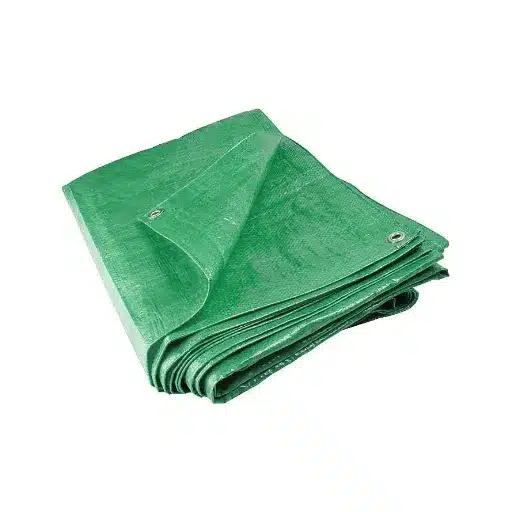
What Makes Tarps Eco-Friendly?
Environmentally sustainable tarpaulins are manufactured to minimize negative environmental impact. The following features characterize eco-friendly tarpaulins:
Five Key Eco-Friendly Features
- Biodegradable Substances: Bio-based materials like PLA (polylactic acid) are produced from renewable feedstocks such as corn or sugarcane. These biodegradable materials naturally disintegrate over time.
- Minimized Emissions: Bio-based tarpaulin production significantly reduces emissions. Bio-PE (bioplastic from conventional PE) may emit 50% fewer greenhouse gases compared to petroleum-based plastics.
- Recyclability: Materials used in eco-friendly tarps are completely recyclable, enabling reuse in manufacturing processes. This reduces primary raw material consumption and limits waste generation.
- Non-Toxic Coatings: Eco-friendly tarps utilize environmentally safe materials free from chemical toxins such as phthalates or chlorine found in PVC tarps. They employ water-based or natural coatings to prevent harmful substance release.
- Enhanced Energy Efficiency: Eco-friendly tarp production frequently employs environmentally conscious methodologies, including solar-powered processing plants or reduced energy consumption, making manufacturing less environmentally harmful.
Biodegradable Tarpaulins: A Sustainable Alternative
Biodegradable tarpaulin development represents a significant trend in sustainable materials, distinguishing itself from plastic alternatives. These tarpaulins are manufactured from specific biopolymers or materials designed to decompose naturally within defined periods, avoiding long-term pollution.
Five Supporting Facts
1. Raw Material Composition
Biodegradable tarpaulins utilize materials including polylactic acid (PLA), starch-based polymers, or polybutylene succinate (PBS). These substances are produced from crop residues including corn, sugarcane, or cassava, minimizing fossil resource dependency.
2. Decomposition Duration
Unlike conventional polyethylene tarps persisting for numerous years, biodegradable tarps decompose within six to twenty-four months under appropriate composting conditions. This rapid degradation prevents microplastic accumulation.
3. Ecological Impact Mitigation
Greenhouse gas emissions from biodegradable tarpaulin fabrication are substantially lower compared to petroleum-based plastics. Research demonstrates carbon emission reductions up to 50% during manufacturing.
4. Water Permeability Options
Biodegradable tarps can provide selective water permeability for agricultural or horticultural applications. This ensures soil water retention, discouraging degradation while enabling sustainable systems.
5. Regulations and Standards
Many biodegradable tarpaulins comply with ASTM D6400, EN 13432, and similar standards ensuring complete, harmless decomposition. These materials are suitable for industrial and municipal composting applications.
Comparing Bio-Based and Traditional Tarp Materials
Bio-based tarps offer eco-friendly, renewable, and biodegradable properties, while traditional tarps provide durability, cost-effectiveness, and fossil-based composition.
Innovative Manufacturing Processes
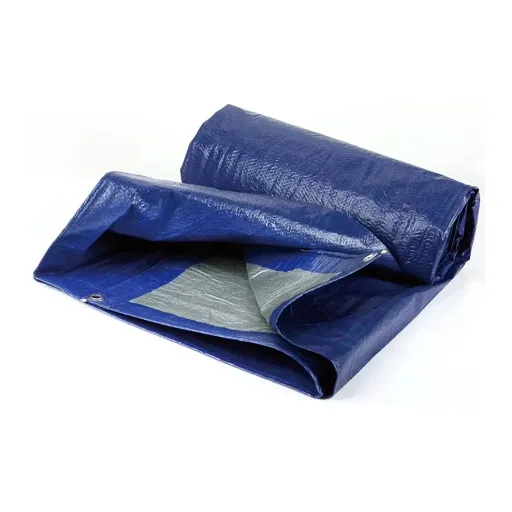
How Bio-Based Tarpaulins are Made
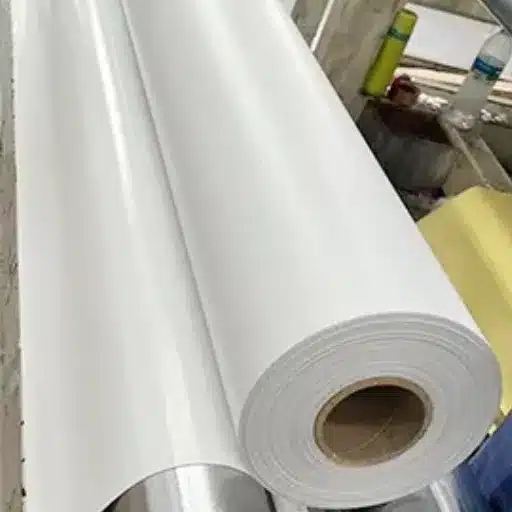
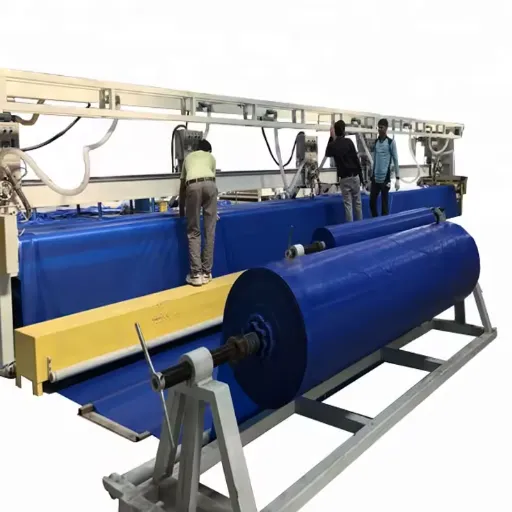
Bio-based tarpaulin production begins with selecting renewable raw materials such as starches, oils, or cellulose derived from plants like corn, soybeans, and sugarcane. These raw materials undergo polymerization, where molecular chains are chemically linked to create bio-based polymers possessing sufficient strength and elasticity for tarp manufacturing.
Subsequently, polymers are formed into films or coated layers, sometimes incorporating biodegradable materials or partially recycled fabrics to enhance mechanical performance. Sophisticated extrusion and coating methods enable production of materials competing with traditional tarpaulins regarding weather resistance, UV stability, and water repellency.
Employing renewable feedstocks produces limited environmental impact and decreases production reliance on petrochemicals. These processes continuously evolve through bioplastics and green chemistry research aimed at enhancing material performance while meeting sustainability objectives.
Natural Fibers vs. Plastic in Tarp Production
Natural fibers provide eco-friendly and biodegradable characteristics, while plastic offers durability and cost-efficiency but contributes to pollution.
Advancements in Tarp Recycling Technologies
Rapid recycling technology development has facilitated environmental issue management, particularly enabling effective plastic tarp processing. The most significant improvement involves chemical methods, namely depolymerization, which degrades polymers back into monomers, allowing pure bio-based material creation from recycled waste. This contrasts with mechanical plastic treatment, which typically produces composites with reduced utility.
Recent progress combining NIR (Near-Infrared) spectroscopy with material sorting has improved recycling processes through more precise tarpaulin material classification. Consequently, meeting recycling obligations for composite-material tarps has become more achievable. Additionally, biodegradable production has reduced certain plastic recycling challenges to bio-based materials only.
These measures are bolstered by brand partnerships and government support. Extended Producer Responsibility (EPR) and recycling plant investments have drastically improved tarpaulin recycling levels while reducing transportation emissions. Government programs are frequently augmented with sophisticated analytics tools enabling users to evaluate recycling program efficiency and material movement in near real-time.
Globally, tarp recycling capability growth heralds a significant circular economy shift, increasing involvement in sustainability efforts addressing plastic use and supply chain management.
Real-World Applications of Bio-Based Tarpaulins

Case Studies Across Various Industries
Agricultural Sector
Tarps are invaluable in agriculture for protecting stored crops from adverse weather, with bio-based tarps representing relatively new additions ideal for numerous applications. These materials can replace traditional polyethylene sheeting, which offers benefits but presents environmental challenges.
Research Finding: A 2023 study covering Midwest farms examining bio-based tarps on grain storage silos demonstrated a significant 20% lifespan increase and 15% carbon footprint decrease during material production and waste disposal.
Building Sector
The construction sector is transitioning toward bio-based tarpaulins for covering materials, erecting temporary shelters, and placing over scaffolds. A European construction project replaced ordinary plastic sheeting with bio-based tarpaulins.
Performance Results: This alteration yielded improved UV protection and tensile strength while reducing overall material wastage by 30%. Lifecycle assessment (LCA) results indicated that bio-based material energy inputs averaged 40% lower than petroleum-based competitors.
Logistics and Supply Chain
Distribution companies employ bio-based tarpaulins in supply chain strategies supporting sustainability and corporate governance goals. An Asia-Pacific Economic Cooperation zone logistics provider recently replaced polyethylene truck covers with reusable raw material bioplastics.
Operational Data: One-year operational data indicated significant non-recyclable waste accumulation decrease while fleet emissions declined 10% due to material lightness.
These cases illustrate bio-based tarp application range, utility, and positive implications. Their acceptance across numerous sectors indicates high potential for gradually substituting traditional plastics while addressing global environmental protection goals.
Transport and Logistics: Utilizing Eco-Friendly Tarps
Eco-friendly tarpaulins bring innovative approaches to transportation and logistics industries through environmentally responsible and cost-effective methods. These tarps are designed from biodegradable or recyclable materials, performing as effectively as conventional plastic tarps while posing less environmental harm. Bio-based or composite material utilization guarantees improved tensile properties, offers UV resistance, and provides protection against tough weather conditions during long-distance transportation.
Evidence demonstrates numerous supply chain benefits from bio-based tarp usage. These environmentally conscious tarpaulins are lightweight, avoiding fuel consumption increases during shipping. Moreover, companies employ materials fitting closed-loop waste management economies—storing, repairing when damaged, and recycling most materials, keeping them from landfills. This development aligns with international protocols geared toward decreasing greenhouse gas emissions and greening supply chains.
Transportation and logistics sector stakeholders utilizing eco-friendly tarpaulins meet changing environmental regulations while saving costs and improving operational aspects. This approach is fundamental to industry perspective achievement of more sustainable outcomes.
Waste Management and Recycling Initiatives
Proper waste disposal and recycling program introduction minimize ecological damage inflicted by various industries. Recent years have witnessed waste management practice development aligned with circular economy concepts primarily aimed at eliminating linear resource production and consumption needs.
Advanced systems including chemical sorting and recycling permit high-value commodity reclamation such as rare metals and plastics. For instance, bottle plastic separation and reuse are achieved through mechanical recycling steps, while chemical recycling degrades polymers back into monomers for reapplication in high-end polymer products. Such cutting-edge technologies are supported by waste management tools mapping profiled waste flow statistics, showing areas requiring intervention regarding waste diversion and better resource allocation.
Additionally, waste-to-energy technologies are emerging aspects converting excess rubbish into energy forms such as electricity or heat, reducing landfill volumes while enhancing renewable energy input. Such integrated waste management approaches aim ensuring compliance with advanced international standards while supporting environmental sustainability and economic efficiency.
Actionable Insights for Professionals

Integrating Bio-Based Tarpaulins into Operations
Bio-based tarpaulins constitute compelling operational alternatives for businesses driven by environmental standard compliance needs. For manufacturing companies undertaking rigorous organic principle-based marketing strategies, demand can be met through bio-based tarpaulins produced from renewable and recyclable feedstock. They significantly reduce fossil fuel usage in building material manufacturing while providing robust, weather-resistant properties encompassing traditional material strength. Sectors including construction, agriculture, logistics, and industrial storage can effectively employ such bio-based materials operationally.
Key Research Findings
- Bio-based tarpaulins can achieve a 30% reduced carbon footprint compared to petroleum-based alternatives
- This saving results from reduced emissions during production and disposal
- Products are more biodegradable, avoiding microplastic contribution across industries
- Proper workforce training on handling and storage ensures bio-based material longevity, helping reduce costs
Transitioning toward bio-based materials requires minimizing existing infrastructure and logistical channel setup. Additionally, personnel handling such products must receive education on appropriate material handling and storage methods, ensuring bio-based materials achieve maximum longevity while facilitating cost reduction.
By making bio-based tarpaulins part of routine supply chains and operational protocols, companies can lead by example in resource conservation while enjoying advantages including waste minimization and regulatory compliance facilitation. This change aligns with international sustainability movements facilitating competitive market growth due to green-conscious consumption patterns.
Best Practices for Sustainable Tarp Use
1Select High-Quality, Long-Lasting Products
Select tarps constructed from bio-based materials or recyclable materials such as polyethylene or bio-polypropylene possessing high tensile strength and wear resistance. These materials ensure environmental impact reduction while increasing product longevity, reducing replacement frequency.
2Conduct Appropriate Maintenance Procedures
Frequent inspection and cleaning help prevent premature tearing from dirt or mildew accumulation or damaging sunlight effects. For proper storage, thoroughly dry tarps before storing them in cool, dark rooms where they cannot be affected by elements.
3Promote Reusable and Recycling-Conscious Behaviors
Implement mechanisms ensuring worn-out tarps receive better use through conversion into smaller covers, liners, or insulators. Structure programs educating manufacturers and users about disposal measures practicing environmental responsibility.
4Implement Optimized Product Sizing and Usage
Use tarps with sizes correspondingly adjusted to protected objects, essentially aiming at material wastage reduction. Avoid excess-sized tarps and ensure proper securing to prevent excessive sagging and wind buffeting, which damages tarps and accelerates wear.
5Source Sustainably
The safest approach avoiding conventional fabric usage for tarps is ensuring all suppliers maintain certifications, guaranteeing tarp manufacturing according to required standards such as ISO 14001 and environmentally friendly alternatives. This ensures the supply process abides by all environmental laws and regulations throughout product manufacturing.
6Implement Proper Management Procedures
Training personnel on tarpaulin use, handling, and storage can significantly prevent or minimize tactless behavior causing early destruction. With appropriate training coverage, ensuring proper tarp use becomes standard throughout all operational timeframes.
7Utilize Technology for Tracking and Evaluation
Employ mobile applications, digital devices, or IoT-capable gadgets to check tarp usage and environmental parameters like UV stress or damage. Such structured data-based processes facilitate orderly tarp replacement, reducing wastage while improving effectiveness.
Following these standards enables companies to work with tarps intelligently, avoiding unnecessary waste while observing high production and environmental standards. This practice resonates with worldwide sustainability trends, helping build positive images in green-aware business sectors.
Future Outlook: Expanding the Market for Bio-Based Solutions
The bio-based solutions market will experience substantial expansion as material science matures and clean technology production processes establish dominance. Evidence supports considerable demand increases for safe substitutes, with consumers becoming more conscious and restrictive laws being implemented. By the coming years, the bio-based materials segment is projected to exceed 20 billion US dollars, driven primarily by packaging, agriculture, and textile usage.
Enhancing operational reach requires encouraging collaboration among relevant industries, governments, and scientific communities. Large-scale diffusion penetration remains impeded by low biotechnology capital investment and high non-exclusive production technique prices. Moreover, manufacturers choosing to replace petroleum feedstocks with bio-based materials do so at costs disfavored by most, requiring more effective public and private programs encouraging their production capacities.
Furthermore, market participants will gain bio-based solution confidence given internalized embedded lifecycle assessments (LCAs) and certified assessment schemes enhancing transparency. Carbon footprint enrichment provided by such strategies is quantifiable in progress terms, making sensitivity claims more solid. Sector growth relies not solely on new technologies but also strong campaigns addressing consumer perspective changes toward low-impact products.
Additionally, improving these technologies on practical levels, developing sound circular economy models, understanding optimal short-range economy placement, building local sourcing systems toward more circular economies—these factors minimize leakage while building resilience from global supply chain shocks. Bio-based materials provide avenues beyond environmental aspects into making industries green without carbon emissions eventually.
References and Resources
- Basic Information Resources: Biodegradable Mulch
This resource from the University of Tennessee provides insights into biodegradable mulches, which are related to bio-based tarpaulins. - UNH Research Finds Black Tarps Benefit Organic No-Till Vegetable Gardens
Research from the University of New Hampshire discusses the use of tarps in organic farming systems.
Frequently Asked Questions (FAQ)
Q: What distinguishes Bio-Based Tarpaulins from conventional plastic tarps?
A: Compared to conventionally used polymers such as polypropylene and vinyl, Bio-Based Tarpaulins are developed utilizing plant-based or renewable-sourced materials. Bio-based materials such as natural tarpaulins or biodegradable polyethylene differ from conventional plastic and synthetic tarps by avoiding environmental pollution contribution or greenhouse gas increases, making them environmentally superior. They provide equivalent protection from harsh weather conditions and subjected area prevention. Unlike plastic tarps offering greater strength, bio-based alternatives avoid contributing to growing plastic waste concerns.
Q: Can bio-based materials create heavy-duty, weatherproof tarpaulins comparable to canvas and vinyl?
A: Many bio-based tarpaulins demonstrate strength and weather resistance comparable to canvas and vinyl tarps, being manufactured from recycled polyester or coated with bio-polymers enhancing strength. Heavy-duty bio-based tarps excel at water resistance, UV light stability, and longevity, though usefulness depends on specific composition. For eco-friendly yet durable tarp products, seek designs bearing water resistance and waterproof properties, though treating them identically to traditional synthetic tarps is not recommended due to performance aspect gaps.
Q: Are environment-friendly tarpaulin alternatives available instead of conventional types?
A: Eco-friendly tarpaulins exist, including green canvas tarpaulins opposed to synthetic ones, tarpaulins manufactured from biodegradable raw materials such as oxo-biodegradable polythene, and more. Canvas-structured tarpaulins also exist where extending tarp lifespan becomes the use necessity. Thus, procuring sustainable traditional tarp forms from eco-friendly materials or available organic resources like sustainable agriculture products is possible.
Q: What differentiates end-of-life management for bio-based versus synthetic tarpaulins?
A: A fundamental advantage recommending bio-based tarpaulins is promising end-of-life management: sections are industrially compostable while more can be recycled or reused. Contrasting synthetic tarps typically being polypropylene or persistent plastic tarpaulins causes effective management through appropriate disposal, participating in smaller disposal baskets, recycling used tarpaulins in bins or specific composting boxes, or using biodegradables in tarpaulins themselves.
Q: Are bio-based and recycled tarps cost-competitive with traditional tarps?
A: Between recycled tarps and bio-based tarpaulins, both tend to be slightly higher-priced than traditional options due to raw materials and processes involved, but long-run costs tend not to differ as many products are designed resilient, thereby minimizing replacement frequency. Particularly when businesses require eco-friendly applications, these costs are acceptable due to increased environmental impact reduction and sometimes even “green” or CSR regulation aspects.
Q: Can bio-based tarps provide coverage without heat trapping, such as greenhouse or organic farming applications?
A: Some mentioned bio-based materials can create breathable tarps, greenhouse covers, for organic farming, or any use requiring moisture control. Natural fiber like cotton canvas tarps can be waterproofed while allowing airflow to maintain plant health and protection.
Q: Can recycled plastics and polyester be applied in bio-based tarpaulins with advantages?
A: Recycled polymer and recycled polyester are popularly used in bio-based tarpaulins for enhanced performance and reduced primary material amounts. It’s an effective strategy toward reducing environmental impact with less plastic waste management and circular economy promotion. If recycled polyester and natural fiber or bio-polymers are combined, resulting materials will be strong enough for tarp usage, somewhat water-resistant, and environmentally friendly.
Q: What qualities warrant consideration when selecting bio-based tarpaulins for harsh external environments?
A: Consider checking if you’re purchasing a bio-based tarpaulin: First, heavy-duty with enhanced reinforcement materials plus waterproof and ultraviolet-resistant coating manufactured for decades of use with accompanying biodegradable feature certification. Evaluate whether tarps are manufactured from canvas or synthetic tarps, because performance will be based on that fact. Only products from manufacturers with explicit liquidation process options, such as recycling, and committed to sound environments will last longer than others.