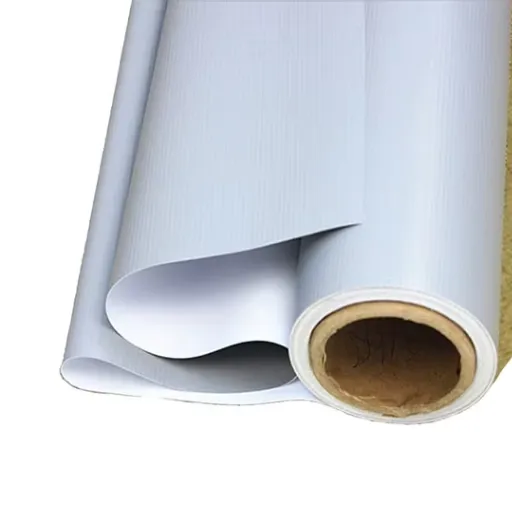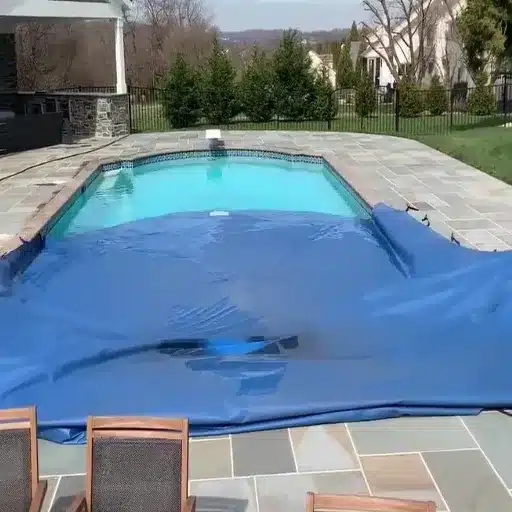

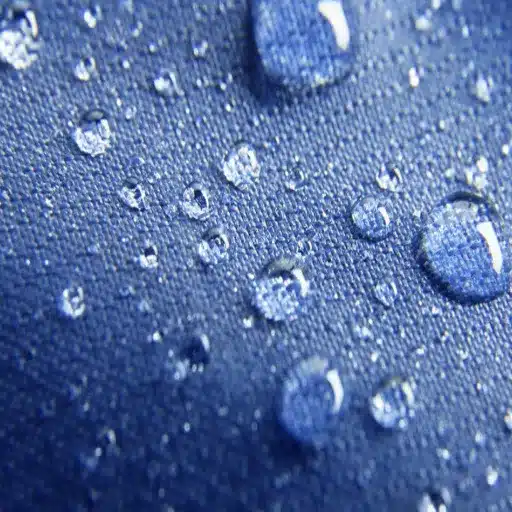
Waterproof vs Water-Resistant Tarps: Complete Comparison
In the case of protecting your goods or working in doubtful weather conditions, all tarps are not the same. Waterproof and water-resistant tarps are the two most widely used options but knowing the difference can result in the success or frustration of your project. Are you still in dilemma which type of tarp suits your outdoor needs, construction activities or storage solution the best? This guide will explain the differences, advantages, and main applications of waterproof and water-resistant tarps so you can choose wisely. We will cover everything with you from heavy rain to little moisture; you can take it literally!
Introduction to Waterproof and Water-Resistant Tarps
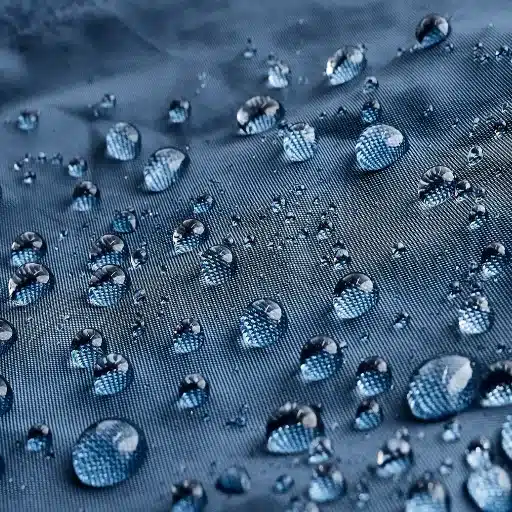
The Importance of Understanding Waterproof vs Water-Resistant
Waterproof tarps and water-resistant tarps have different limitations but still perform somewhat the same functions. Knowing how they differ is very important for your selection, and the specific use you have in mind. Waterproof tarps provide absolute protection against water and, therefore, serve in extreme situations like heavy rain, complete submersion in water, or even long moisture exposure. Water-resistant tarps, on the flip side, are somewhat like water repellents, i.e., they can resist water but moisture can penetrate during prolonged exposure or heavy rains.
📌 Key Distinction
Waterproof tarps are made from polyethylene or vinyl with sealed seams, ensuring no water penetration. These are ideal for covering outdoor furniture, making shelters, and protecting boats and cars from extreme weather.
Water-resistant tarps are typically made from canvas with durable water-repellent coatings, suitable for lighter-duty tasks such as covering items from light rain or brief moisture exposure.
The choice between waterproof and water-resistant tarps really boils down to the demands of your project. If you require a tarp that is completely waterproof and long-lasting, go for the waterproof tarp. On the contrary, if your requirements are for less severe weather protection for a short period, a water-resistant tarp might be enough. Getting to know their major differences means the tarp you pick will work properly and live up to your expectations.
Common Misconceptions about Tarps
⚠️ Myth #1: Every Tarp Is 100% Waterproof
It is a widespread belief that all tarps are 100% waterproof, but this is a fallacy. While some tarps made of polyethylene are waterproof, others, such as canvas, are just resistant to water and can survive only light moisture but not heavy or long water exposure. When buying a tarp, it is important to verify the specifications and the material so that it can be matched with your need.
⚠️ Myth #2: Tarps Are Forever Strong and Tear-Proof
Another misconception is that all tarps are superbly strong and tear-proof. The strength of a tarp relies on its material and its use. Lightweight types may rip in case of being overloaded or during harsh weather, whereas tarps made for heavy-duty use can tolerate very rough conditions. Knowing the tarp’s grade and thickness will help avoid underestimating its ability to resist wear and tear.
⚠️ Myth #3: One Tarp Is for All Purposes
Many people think that one type of tarp is suitable for every use, but this is a misconception. There are different kinds of tarps that are made for different uses. For instance, mesh tarps can provide shade, but they are not suitable for covering a waterproof area. Moreover, flame-retardant tarps should be positioned near a heat source for safety reasons. Always take into account the environment and the intended use when choosing the tarp to make sure it performs as you expect.
Defining Waterproof and Water-Resistant
What Does Waterproof Mean?
Waterproofness is the term that refers to a material or a product’s capability of totally preventing water from going through even at the most extreme conditions. An absolutely waterproof product makes a very strong barrier and guarantees that water will never go through by any means. To achieve this property various treatments, coatings or crafts are employed. For instance, waterproof tarps are commonly made of polyethylene or PVC and are fabricated with stitched seams that are leak-proof and are hence, even in heavy rain or extremely humid places, so no leaking would occur.
💧 Hydrostatic Head Test Explained
The hydrostatic head test is an accepted method when assessing the waterproofing of a fabric. It tells how much water pressure a fabric can take before it starts to leak. The outcome is shown in millimeters of water, and the higher the grade, the more waterproof the material.
- 1,500mm: Adequate for light showers
- 10,000mm+: Perfect for extreme weather or continuous getting wet
A difference between waterproof and water-resistant is something that should be kept in mind. Waterproof products do not let water get in at all, while water-resistant ones can only keep water out for a limited time. That is to say, water-resistant goods may serve as a barrier for a limited period of time and under light or moderate moisture, but they are not able to stand heavy rains or prolonged soaking. Grasping these distinctions is very important when choosing materials or tools for particular uses, as it could either mean success or failure, and it could also mean the difference in the lifespan of the products in various environments.
What Does Water-Resistant Mean?
Water resistance is the characteristic of a material or product that is able to resist water to a certain degree but not completely. This property is attained through the application of special coatings or the use of tightly woven fabrics that act as a barrier to moisture. Such products are made to deal with light rain or splashes, but they may not last in the condition of heavy rain or underwater for a long time. The term is not the same as waterproof, which means the substance can keep water out completely without any leaking.
🔍 Understanding IP Ratings for Water Resistance
The degree of water resistance is often determined by the IP (Ingress Protection) code, which signifies the extent of security against the inlet of water and dust:
- IPX4: Can bear splashes from all sides but not safe for immersion
- IPX7: Denotes being underwater temporarily
For apparel and outdoor equipment, water resistance is usually determined by hydrostatic head testing, which quantifies the water pressure that can be applied to the fabric before it starts leaking. Ratings like these are extremely important for consumers because they help them choose the right products according to their needs, particularly in unpredictable weather.
So it is crucial to know the limits of water-resistant products. They may work well in moderate conditions but can easily fail in extreme circumstances such as heavy rains or underwater activities. Making a selection between a water-resistant jacket, watch, or smartphone, knowing their effectiveness based on tests done helps one make choices that lead to durability and great performance across various environments.
Key Differences Between Waterproof and Water-Resistant
While the terms “waterproof” and “water-resistant” may be used interchangeably, in reality, they have different meanings which are crucial to be aware of when selecting moisture-proof devices.
Only a clear understanding of these differences will allow a consumer to choose the right kind of protection for his or her specific case whether it is casual daily use or extreme environmental conditions.
Practical Examples of Tarps

Waterproof Tarps: Features and Benefits
Waterproof tarps are the ultimate protective barriers against water, so they can be used in a variety of ways, both personally and professionally. Tarps like these are generally made of long-lasting materials – polyethylene, vinyl, or canvas, for instance – with special coatings applied to them that guarantee full water resistance. One of the most important advantages of using waterproof tarps is that they can protect the indoors as well as the outdoors from the water coming in heavily from rains, or melting ice, or just from area being moist. This is why they have become the ones of the most frequently used outdoors in the construction sector, for shielding of tools and machines, and automotive and boat manufacturing floor space or warehouses.
✅ Key Benefits of Waterproof Tarps
- High Durability: UV-resistant properties prevent sun damage and elongate lifespan during outdoor use
- Reinforced Construction: Fortified edges and non-corrosive grommets for strong and quick attachments
- Weather Stability: Stay securely in place even in windy or rough weather conditions
- Versatile Options: Available in various thicknesses – thin for temporary covering, thick for puncture resistance
Regardless of the application such as camping, construction, agriculture, or emergency preparedness, waterproof tarps are always there and are nothing less than an essential tool that is made to last against the elements.
Water-Resistant Tarps: Features and Benefits
Water-resistant tarps find their use in many different applications, thanks to their peculiar characteristic of being able to repel water and at the same time allow moisture to escape to a certain extent. Such tarps can be used in places where ventilation is the main factor that needs to be considered or where total water blockage is not a necessity. The main materials used in the production of these tarps are polyethylene, canvas, and polyester, and all of them have been treated with waterproofing coatings to increase their life span and utility in harsh conditions.
💡 Ideal Applications for Water-Resistant Tarps
- Temporary shelters and landscaping projects
- Protecting hardware from light rain or dew
- Woodpile covers (breathability prevents moisture buildup)
- Car interiors or items prone to condensation damage
- Quick applications requiring frequent readjustment
The ability of the water-resistant tarp to resist water is one of the crucial features that make it very versatile for different applications. The breathable property helps to eliminate the conditions that facilitate the creation of moisture or condensation under the tarp. The coating sometimes used for the water-resistant tarps even contains ingredients that keep them from being damaged by sunlight, thus adding to their use in hot climates.
💰 Advantages of Water-Resistant Tarps
Financial Aspect: Generally cheaper in price than totally waterproof ones, making them a practical solution for people with limited funds.
Ease of Use: Lightweight and easy to manipulate, appropriate for quick applications or circumstances where constant readjustment is needed.
No matter whether you are a DIY person, a farmer, or a businessman, water-resistant tarps offer a combination of practicality and cost-effectiveness, which makes them a reliable choice for innumerable tasks and projects.
Choosing the Right Tarp for Your Needs
📋 Decision-Making Checklist
Step 1: Determine the Function
Consider the primary purpose of your tarp:
- Complete water protection: Choose waterproof tarps made of vinyl or polyethylene
- Short-term coverage or moisture resistance: Water-resistant tarps are often sufficient and less expensive
Step 2: Assess Size and Thickness
- Measure the area or objects you plan to cover
- Ensure proper coverage without being too small or unnecessarily large
- Consider thickness – thicker tarps are more durable for heavy-duty tasks like construction or transportation
Step 3: Evaluate Special Features
- UV Resistance: Essential for outdoor use to prevent sun damage
- Reinforced Edges: Make setup easier and keep the tarp firmly in place
- Grommets: Important for secure attachment in various conditions
By matching your requirements carefully with the type, size, and characteristics of the tarp, you ensure that you are making the right choice for your project and tasks in terms of effectiveness.
Understanding Ingress Protection Ratings
What Are IP Ratings?
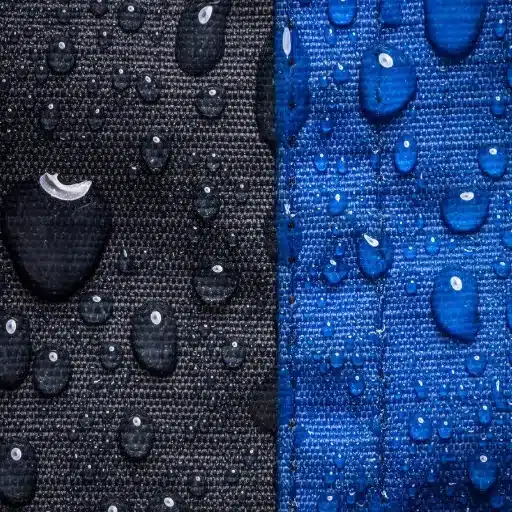
Ingress Protection (IP) Ratings are a means of categorizing the extent to which a device or object can resist penetration of solid particles such as dust and water. The levels of protection are set by the IEC, and these ratings are extensively applied to electrical enclosures, devices, and equipment in different environments. An IP rating generally has two digits showing the different levels of resistance.
🔢 IP Rating Examples
IP67: Totally protected against dust (6) and can be submerged into water no more than a meter deep for a short time without being damaged (7). Very dependable in outdoor settings, industrial areas, or wet conditions.
IP54: Protected from limited dust ingress and water splashes from any direction, but may not survive heavy rain or immersion.
This rating system gives both consumers and professionals a common measure of durability and fit for application. In the process of selecting products according to IP ratings, it will be very important to think about the exact conditions of the environment where the equipment is going to be used. By matching the IP rating with the intended application, you can secure durability, cut down maintenance costs, and improve operating safety.
Interpreting IP Ratings for Tarps
The selection of tarps suitable for particular uses will be greatly influenced by the understanding of their IP ratings in terms of performance and longevity. Tarps are constantly under the harshest elements like rain, dust, and UV rays, so the level of their protection needs to be in correspondence with their usage.
🎯 IP Ratings for Different Applications
- IP65 Tarp: Complete dust exclusion and water-jet resistance – ideal for outdoor construction sites or industrial settings
- IP66 Tarp: Typically used in outdoor storage, able to cope with strong weather-induced water sprays while keeping stored items dry and safe
- IP67 Tarp: Dust tight and able to be submerged for a short time in water – great option for marine or flood-prone regions
The trending material technology has been a great contributor to ensuring tarp protection levels and IP ratings through a combination of material strength and at the same time their flexibility and lightweight nature. Manufacturers are also providing different coatings and supporting materials that are specially designed to last long in extreme environments.
💡 Pro Tip: Picking IP-rated tarps that are appropriate to your needs will turn out to be the long-term solution to avoiding recurrent replacements, preventing the loss of company possessions, and reducing the maintenance cost from the whole operation. Always check the rating and specifications to make sure they will be functional and efficient for a long time.
Real-Life Applications of IP Ratings
The practical application of IP ratings is not only limited to tarps but extends to almost all spheres of life. Understanding these ratings helps consumers make informed decisions across various products and industries.
📱 Consumer Electronics
Smartphones and smartwatches are often rated IP67 or IP68, making them resistant to dust and water. This ensures devices can handle accidental splashes, dusty places, or short immersion in water.
🏗️ Industrial Equipment
Construction site lighting systems have IP65 ratings, indicating they can resist dust and endure powerful water jets, making them suitable for harsh outdoor environments.
🚗 Automotive Components
Car manufacturers equip vehicles with IP-rated parts such as headlights or external sensors to ensure reliability during rain or any other weather conditions.
The discussion of such practical use cases brings to light the indispensable nature of IP ratings in protecting not only consumer products but also industrial gadgets. Making the right choice regarding IP rating protection, users would not only get greater performance reliability but also minimize the risk of damage, repairs, or early replacements.
Waterproof Fabrics vs Water-Resistant Materials
Types of Waterproof Materials Used in Tarps
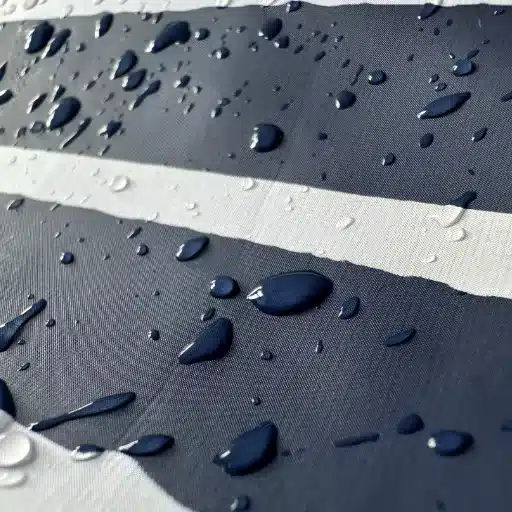
Waterproof tarpaulins are made from specially designed materials that provide excellent protection against water penetration, thus they are very important for industrial, outdoor, and household uses. The following materials are the most common ones used for waterproof tarps:
The distinct properties of every material serve the purpose of specific needs, such as safeguarding against extreme weather conditions, providing long-lasting support, or weight-lifting portability. The selection of the proper tarp material is based on the application’s purpose and environmental factors.
Types of Water-Resistant Fabrics for Tarps
Water-resistant fabrics for tarps are made so that they can not only resist moisture but also stand up to tearing and tough environmental conditions. Below follows a list of the most widely used water-resistant fabrics for tarps:
📌 Selection Considerations: When choosing the fabric, the application’s purpose, exposure to environmental factors, and frequency of use should always be taken into account. The use of advanced coatings and treatments allows these materials to be highly versatile, thereby providing a vast range of solutions for both personal and industrial needs.
Coating Technologies for Enhanced Protection
The modern coating technologies have changed the durability and functionality of fabrics for different applications tremendously. These innovations continue to evolve, offering better protection while maintaining fabric performance.
It is through these breakthroughs that coating technologies are now not only improving fabric resistance but also creating a whole new range of industries that are characterized by durability, efficiency, and sustainability.
📚 References
- Durability and Waterproofing Investigations of the Building Envelope – This study explores the comparative water resistance of materials under prolonged exposure to water and environmental factors.
- Simulation of Waterproofing Building Using Polyethylene (PE) Sheets – This paper discusses the use of polyethylene sheets for waterproofing and their effectiveness in protecting structures.
Frequently Asked Questions (FAQ)
Final Thoughts
Understanding the differences between waterproof and water-resistant tarps is essential for making the right choice for your specific needs. Whether you’re protecting valuable equipment, creating shelter, or covering materials, selecting the appropriate tarp based on its water resistance level, material composition, and IP rating will ensure optimal performance and longevity. Always match your tarp choice to your environmental conditions and intended use to get the best results.