
PVC vs PE vs Canvas Tarpaulin: Complete Material Comparison
Choosing the appropriate tarpaulin material can be quite a task given the plethora of available options. PVC, PE, and Canvas tarpaulins each bring something different to the table in terms of characteristics, but the main factor will be the one that best suits your needs after considering durability, cost, flexibility, and application. At the same time, if you are looking for a material for outdoor covering, construction sites, or large manufacturing projects, it is essential to know the differences between these materials. This guide contains everything you need to know in detail and offers a clear comparison to support your decision. So, get ready to learn about the advantages, disadvantages, and important attributes of PVC, PE, and Canvas tarpaulins and pick the most suitable material for your needs!
Understanding Tarpaulins
What are Tarpaulins?
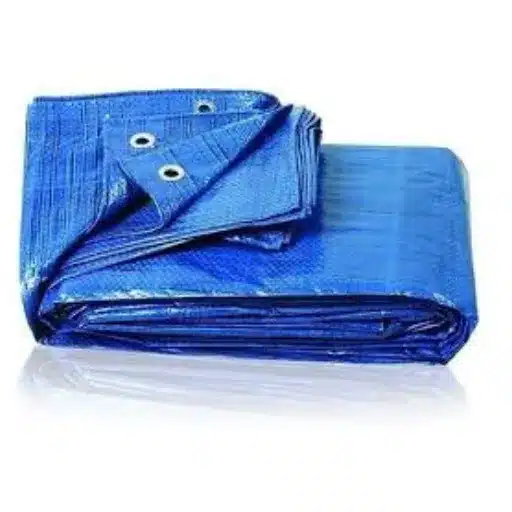
Tarpaulins, or simply tarps, are big and flexible sheets produced from long-lasting and water-resistant materials, such as polyethylene (PE), polyvinyl chloride (PVC), or canvas. Their main purpose is to protect against environmental elements like rain, sunlight, wind, and dust, which makes them an important tool for outdoor and industrial activities.
The most common use of tarpaulins is as protective covers for goods and equipment, which means they work as a shield against the weather. For instance, they are very much used in the building industry to cover the structures that are not finished or the machines that are not used. Likewise, farmers and transporters take advantage of tarps to protect agricultural produce, vehicles, or goods that are being transported from getting damaged either during transportation or while being stored.
💡 Key Insight: The range of uses for tarpaulins is not limited to industrial and outdoor activities only, as they can also be used for recreation and personal things. They are often employed as temporary shelters, camping groundsheets, and sometimes, sunshades. Their strong construction, easy handling, and versatility make them a must-have in both professional sectors and daily life.
Overview of PVC Tarpaulin
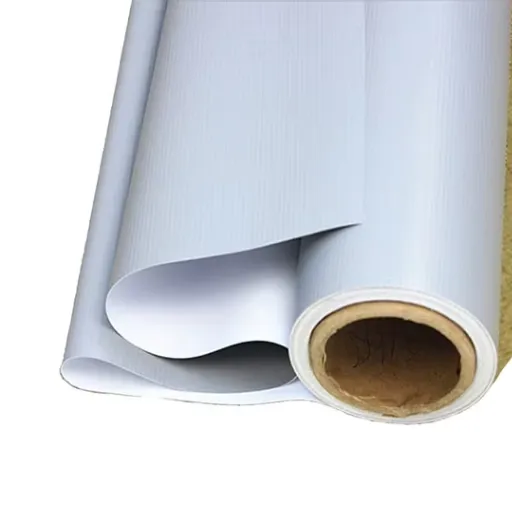
PVC tarpaulin, which is also known as Polyvinyl Chloride tarpaulin, is a tough and waterproof material that is used mainly in various industries because of its strength and flexibility. The production process of PVC tarpaulin involves a polyester fabric base that is coated with PVC on both sides, which makes the fabric resistant to tearing, weathering, and UV fading. Thus, the fabric is extremely good at safeguarding environments in which it is used from these elements.
One of the major roles of PVC tarpaulin is in the building sector, where it is commonly used as a protective cover for scaffolding, machinery, and construction materials. Its waterproof nature makes it an excellent choice for preventing equipment and sites from being soaked with rain, and at the same time, its durability assures its being used for a long time. Furthermore, PVC tarps are employed in the logistics sector for covering truckloads and protecting cargo during transit, providing very efficient protection against the elements.
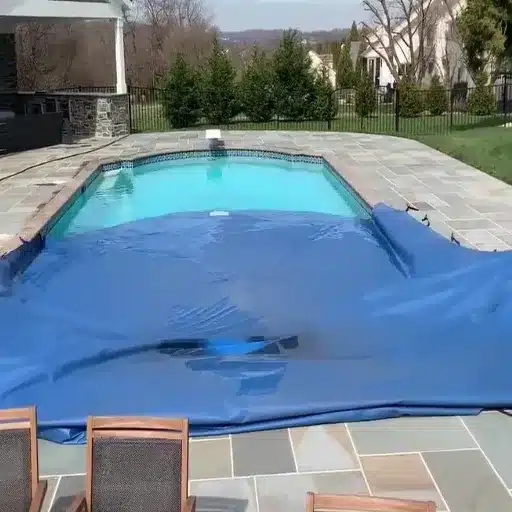
PVC tarpaulin is extensively applied in agriculture and outdoor sports facilities. Its role in these fields is mainly to provide protection for greenhouses, ponds, and the like through covering the already existing structures or making new temporary ones. PVC tarps are also used during outdoor events as a material for tents, awnings, and outdoor seating covers. The incredible mechanical properties of this material such as lightness, weather resistance, and ease of maintenance keep professionals and hobbyists coming back for more.
Overview of PE Tarpaulin
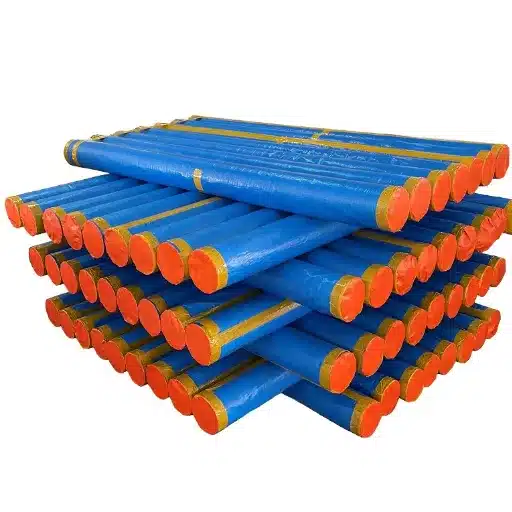
Polyethylene (PE) tarpaulin is one of the lightest and most durable materials that can be found in almost every industry, if not all, and it is a little bit more expensive in comparison with others, making it a good option for every application. The tarpaulin is composed of woven polyethylene fabric and a coat of a protective layer, thus the moisture, sunlight, and dust do not affect the tarp and it is able to function well in outdoor places like in construction, transport, agriculture, and other fields where temporary covering is frequently required.
PE tarpaulin is to begin with strong against water and UV radiation, that is why its usefulness is not number one in such outdoor places only, but practically wherever, even indoors its lifetime is quite long. These tarps, people in general, will be the first to call them the best ones among their permanent users, to protect the exterior from rain, and/or to create temporary physical separation of the space, and/or to cover up pick-up truck beds. Moreover, the treatment of the whole process has been done in such a way that it is resistant to mildew and tearing which adds more towards its use and life.
✓ Advantage: PE tarpaulin costs low and is also easy to use which makes it attractive to consumers. It does not matter whether it is going to be used for a home improvement or a large industrial operation project, its lightweight feature will facilitate the installation without any hassle and also for moving it around. The fact that PE tarps are recyclable and eco-friendly adds to their sustainability as a very reliable and even-less costly protective solution that consumers would really love.
PVC vs PE Tarpaulin: Key Comparisons
Durability and Strength
The comparison of the durability and strength of PVC and PE tarpaulins reveals clear differences which are determined by their inherent material properties and the way they were made. PVC tarpaulins are credited for their incredible power and outstanding resistance to the elements, which made them the basic materials for a lot of heavy, long, and demanding applications such as truck coverings, industrial curtains, and heavy-duty outdoor installations. Their remarkable ability to resist UV, extreme temperature changes, and heavy wear, gives them the claim of being reliable even in the very tough situations.
On the contrary, PE tarpaulins are lightweights that get their durability from their excellent resistance against tears and punctures and still being light enough to easy handle and transport. While they cannot be compared to PVC regarding long-term resiliency under continuous stress besides being cheap, PE is most suitable for case applications, like construction material, farming equipment, or seasonal outdoor uses.
⚡ Summary: In other words, PVC tarps are likely to be far better than PE tarps in cases where the strength and resistance of the material are the main requirements; nevertheless, PE tarps can serve as a better, more versatile solution for short-term needs. The selection of either one of them heavily relies on the precise application and the environmental factors, thus, ensuring the perfect equilibrium of durability and practicality.
Cost Analysis
When comparing cost factors pertaining to PVC and PE tarps, it is necessary to weigh the initial purchase price and the long-term value first mainly to the durability and lifespan criteria. As an example, the PVC tarps’ high price generally leads them to be considered less attractive at first, but they actually give an extended service life due to their excellent resistance to UV light, abrasion, and harsh weather. Average life expectancy for quality PVC tarps may vary from $15 to $30 per square yard, depending on thickness and special reinforcement features.
| Material Type | Price Range (per sq. yard) | Best Use Case |
|---|---|---|
| PVC Tarpaulin | $15 – $30 | Long-term, heavy-duty applications |
| PE Tarpaulin | $5 – $10 | Short-term, temporary coverage |
On the other hand, PE tarps offer a very low price of $5 to $10 per square yard, which makes them a very good option for short-term or disposable use. In fact, the PE tarp price is often significantly lower than the price of PVC tarps, which can lead to less durability and the need for replacements during the lifetime of the tarp. However, these savings may be offset in situations requiring frequent replacements due to their lower durability under prolonged exposure to environmental stressors.
When ordering in bulk, as is often the case with industrial or agricultural uses, the price per unit goes down significantly, thus making it very important to compare suppliers and bulk rates. All in all, the choice should revolve around the use duration, the environmental exposure, and the specific project requirements, thus assuring the maximum return on your investment with either type of tarp.
Flexibility and Weight
In choosing tarps, flexibility and weight are among the most influential factors that dictate their usability for different applications. Generally, Lightweight tarps are more manageable and thus most suitable for a temporary or short-term project where they can be quickly set up or taken down with little effort. In contrast, heavier tarps generally last longer and are more tear-resistant but may need more workers or equipment for their installation and removal.
Material technology has recently made great strides that have led to the creation of high-performance composite fabrics which possess a perfect combination of weight and flexibility. For example, the polyethylene tarps have become widely used due to their ability to give very good strength while at the same time being light enough for most users. In addition to this, we have some of the new polyester tarps getting PVC coatings now, which not only provide waterproofing and flexibility but also do not add much to the weight of the original fabric.
📌 Important Note: The specific requirements of your project will determine things like transportation ease, favourable installation conditions, and how long the material should last which will guide you in making the right choice. It can also be of help to compare technical specifications like materials thickness (which is often measured in mils) and weight per square yard as these can also clarify the flexibility and manageability of various tarp options.
Waterproofing and Weather Resistance

Waterproof Properties of PVC Tarpaulin
PVC tarpaulin is widely recognized for its superb properties, which combined, make it the perfect option for water-resistant applications. The main reason for this water-resisting capability is the polyvinyl chloride (PVC) coating that has been applied to the base fabric and has formed a hydrophobic layer that stops water from getting in. The material’s natural resistance to water means that it does not lose its properties even in conditions when heavy rains or moisture lasting for a long time are present. Besides, the PVC tarpaulin is made resistant to mildew and mold which are the two main factors that diminishes the life of the material in damp conditions.
Speaking with authority, it would not be too far-fetched to say that many high-quality PVC tarpaulins have a hydrostatic resistance of more than 1,000mm or even more, depending on the production specifications. Such resistance indicates that they can bear some serious water pressure without leakages hence their use in places like covering loads, protecting machines, or even creating temporary water barriers. One example of this would be the shipping and agriculture industries prioritizing the use of PVC tarpaulin since they are being constantly threatened by water damage when the weather is bad.
In addition, one of the most important characteristic that makes the waterproofing properties of the PVC tarpaulin strong is its UV resistance. The sun’s rays can be quite powerful and at times they do degrade the materials, causing tiny cracks that allow water in. However, fakes or off-brand PVC tarpaulins are frequently coated with UV inhibitors, thus, the company backing their products not only warranties the customers but also their structural integrity and waterproofing performance over long periods. Furthermore, it would be a misconception that these tarpaulins are hard to maintain; on the contrary, their smooth surface makes it easy to remove dirt or even water residues. To top it all off, these properties combined make PVC tarpaulin a trustable and flexible material simply for the reason that it can be utilized in both industrial and residential settings.
Waterproof Properties of PE Tarpaulin
PE (Polyethylene) tarpaulin has become synonymous with high performance in many areas consisting of its use where water-resistance is mandatory, thanks to its superb waterproof quality. It is this feature of being water-resistant which is the prime reason for its use in several applications. The entire structure of the material is made of tightly woven high-density or low-density polyethylene (HDPE/LDPE) fibers which together fortify the resistance to moisture. Along with the pe tarpaulins, which are enhanced with other layers of LDPE coating, very little water can get through and this feature makes them the most reliable ones to be used for good protection, vehicles coverage, and shelters during bad weather.
PE tarpaulins are one of the materials that have the very good property of remaining waterproof even in very rough conditions for a long time. They can last for a very long time because they have good resistance to rotting and chemical degradation; thus, they can maintain their waterproofing ability. It is also a usual case that in the regions with high humidity, the PE material is well-performing because it neither absorbs the moisture nor supports the growth of mold. PE tarpaulins made with reinforced edges and heat-sealed seams supply additional strength and so no tearing or leakage is possible during heavy rains or windy conditions.
One more significant point is that PE tarpaulin has a very lightweight quality that guarantees easy carrying and installation without the downside of losing its waterproof features. This quality is perfect for construction places, agriculture, and outdoor sports where efficiency and portability are the main concerns. More so, the field of production of PE tarpaulin has been very dynamic such that UV-stabilized varieties now exist whereby the feature of waterproofing is combined with the trait of exceptional direct sunlight resistance thus such sheets will still be effective even in wet and sun-exposed areas. All in all the above-mentioned properties position PE tarpaulin as a multipurpose and eco-friendly protective material deemed for the rest of the world.
Comparative Weather Resistance
PE tarpaulins are highly praised for their great resistance to weather, but the performance varies based on the kind of environmental conditions they are up against. Water and moisture are the areas where PE tarpaulins are the best among the other materials like PVC tarpaulins or canvas. This is the reason why they are excellent for applications where long-term exposure to moist or wet conditions is a concern. Moreover, PE tarpaulins are not affected by the presence of a pool of water, as they do not deteriorate or get weak like some other materials do when they are in contact with water.
But on the other hand, PE tarpaulins have gone through UV resistance enhancements to a great extent due to the use of UV-stabilization technologies. The modern PE tarpaulins are able to withstand the harshest sun without appreciable weakening or discoloration compared to untreated ones. Nevertheless, in extreme temperature ranges, particularly prolonged exposure to freezing conditions, their flexibility can be slightly hampered in comparison to heavy-duty PVC tarpaulins, which are always, as a rule, the best in maintaining pliability even in freezing weather. However, material composition is the area of innovations that is closing the gap between the two kinds of tarpaulins, as the manufacturers are now developing blends that are able to keep performing well in a wider range of climates.
📊 Key Statistics
For example, both laboratory tests and historical performance data indicate that a UV-stabilized PE tarpaulin can take 500-700 hours of direct sunlight exposure and still not lose more than 15% of its tensile strength. On the other hand, a regular canvas sheet would probably lose its strength much quicker under the same conditions, thus making PE tarpaulin a cost-efficient choice in areas that have high UV index levels over a long period of time. The combination of low cost, lightweight nature, and resistance to weathering stresses has granted PE tarpaulins a leading position in protective materials, especially in agriculture, transport, and disaster relief sectors.
Environmental Impact of Tarpaulins
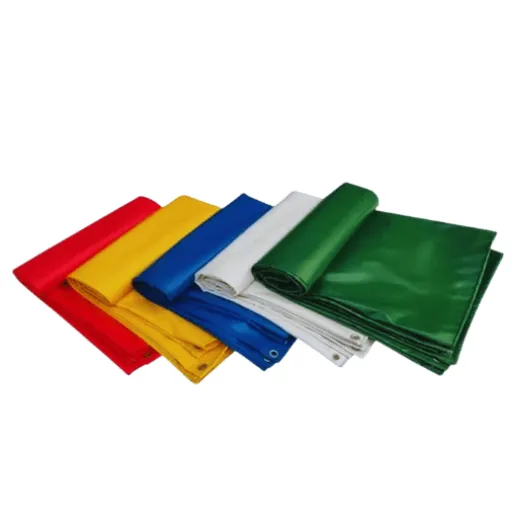
Recyclability of PE Tarpaulin
Polyethylene (PE) tarpaulin, known for its durability and adaptability to a wide range of applications, has recyclability as one of its characteristics owing to the nature of its base material. PE, a thermoplastic polymer, can be given a new life through heating, melting, and reusing with little or no loss of quality. On the other hand, if the used PE tarps are collected and treated properly, they can be recycled into pellets that in turn are used in the production of various items, such as tarpaulin materials, garbage bags, or even industrial containers. It should be noted that the extent of this recycling process largely relies on the cleanliness and sorting of the tarpaulins because exposure to dirt or chemicals and mixing with other materials can easily render them non-recyclable.
The technical recyclability of PE tarpaulin does not reflect in the recycling rates as it is still low in many parts of the world attributed to the lack of infrastructural and the complexity of recycling systems. Both the industries and consumers have the same problem of not being able to easily access facilities that handle large or bulky used tarpaulins. In addition, the products made from PE tarpaulin often contain additives like UV stabilizers and heavy-duty layers of reinforcement that can sometimes make recycling even more difficult or the end product of the composite might not be recyclable. To tackle this, some countries and organizations have come up with schemes where they support the right disposal methods and sorting of PE tarpaulins to help divert these materials from landfills and thus facilitating their reuse in the recycling process.
Materials science innovations are steadily raising the bar on the sustainability of PE tarpaulins. As a case in point, an increasing number of manufacturers are getting into the business of producing tarpaulins from post-consumer recycled polyethylene, thus forming a closed-loop system for material usage. Moreover, progress made in the field of chemical recycling technologies has indicated potential in the disintegration of intricate polymers and the reclamation of high-purity polyethylene for reprocessing. Apart from the fact that these developments lead to a decrease in the environmental impact that comes with PE tarpaulin production, they also echo the global initiatives aimed at reducing plastic waste and fostering sustainability. Through the establishment of enhanced recycling infrastructure and raising public awareness, the environmental impact of PE tarpaulins could be greatly reduced, thus benefiting both industrial and ecological objectives.
Environmental Concerns with PVC Tarpaulin
PVC tarpaulin, recognized for its durability and flexibility, is a major source of environmental problems through its whole lifecycle. The main concern in this context is that during the production process, such toxic substances as dioxins and phthalates are released, which are among the main pollutants; and they are also the most dangerous for humans and wildlife. In addition, these chemicals are likely to seep into the earth and water over the years, especially when PVC tarpaulin is incinerated or its surroundings are polluted.
⚠️ Environmental Warning: Moreover, the issue of recycling PVC materials is still another barrier to be crossed. The recycling process for PVC involves additives, which are opposite to that of polyethylene, resulting in the demand for specialized facilities that are not universally available. Consequently, what happens is that huge amounts of PVC tarpaulin find their way to landfills, where they remain for decades because of the material’s resistance to decomposition. Besides, incinerating PVC can result in the production of extremely harmful gas like hydrogen chloride; thus, it becomes an air polluter and climate changer.
Different organizations and scientists are working on finding different materials and more eco-friendly disposal techniques to solve these problems. One of such examples is the replacement of PVC tarps with TPO or canvas that are less toxic and more recyclable. Transitioning to these substitutes along with inverter development and stricter PVC regulations on production and disposal represents a pivotal move in lessening the environmental damage caused by tarpaulin use. Industry can become a partner in a green future by creating awareness and investing in materials that have better performance than PVC-based products.
Eco-Friendly Alternatives
The rapid development of environmentally-friendly materials has led to the introduction of different tarpaulins that soon will be replacing the traditional PVC ones. Polyolefins, like thermoplastic polyolefins (TPO), are considered the first candidates in these sustainable applications due to their lightness, ruggedness, and eco-friendliness. TPO, unlike PVC, is not made with toxic plasticizers and chlorine compounds, hence it is safer for humans and nature. Moreover, TPO’s recyclability allows for a closed-loop lifecycle which not only minimizes the production of waste but also supports the principles of a circular economy. TPO’s use in the production of tarpaulins is growing as more and more industries adopt green technologies.
Another noteworthy alternative is through the organic and biodegradable coated fabrics made from natural rubber and renewable plant-based fibers. The use of natural rubber and renewable plant-based fibers not only gets rid of the environmental pollution associated with traditional PVC but also helps to speed up the degradation process when the fabric is thrown away, thus facilitating faster reintegration into the ecosystem. Moreover, by using eco-coatings on the ultra-resistant fibers, the innovative companies are making these alternatives even better and guaranteeing that the performance won’t be at the expense of sustainability. Moreover, their development is very much in line with global net-zero carbon targets, which further enhances their appeal to the businesses that are environmentally aware.
🌱 Sustainability Impact
The transition from conventional to eco-friendly options is primarily caused by the change in consumer behavior, which has become more oriented towards sustainability in their purchases, and the introduction of regulatory measures that are more stringent and effective in controlling the damage done to the environment. Industry reports suggest that a 30% reduction in carbon emissions is among the benefits that have been achieved by the companies that have been using more eco-friendly materials and at the same time, there has been a positive perception of the overall company image as well. The environmentally friendly materials not only serve as a way for the manufacturers to comply with the environmental policies but also provide an opportunity to be innovative and distinct in the competitive marketplaces. Industries that use the latest material science along with corporate responsibility can open the door to a greener, more sustainable future.
Suitability for Various Applications
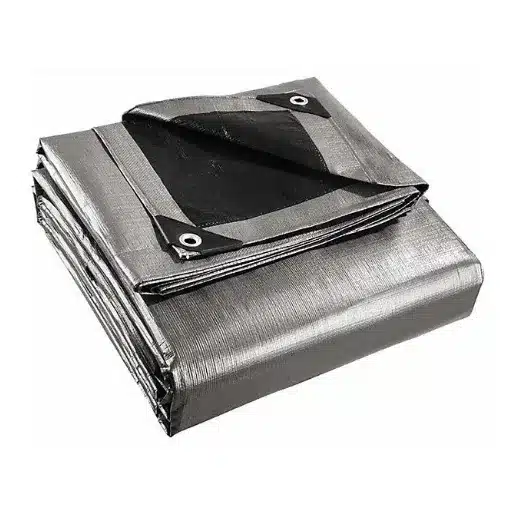
Industrial Uses of PVC Tarpaulin
PVC tarpaulin is a very functional and adaptable material, thus, it gets the approval of a broad spectrum of industrial applications. Its characteristics such as being very durable, flexible, and resistant to water, UV rays, and extreme weather conditions, allow it to cope with different needs in terms of functionality and operations. The five most important industrial applications of PVC tarpaulin are listed below:
1. Truck and Cargo Coverings
One of the major applications of the tarpaulin is to cover and thus protect the cargo from the rain during the transport. The waterproof and tear-resistant attributes of PVC tarpaulin ensure that the goods stay protected from rain, dust, and harm. Reports reveal that the life span of the cargo can be 25% increased by means of PVC tarpaulin coverings.
2. Industrial Storage Solutions
In case of outdoor storage, PVC tarpaulin is used to protect the weather elements from the machinery, raw materials, and other equipment. Its durability and the resistance to wear over time make this an ideal solution for locking up industrial supplies even for long durations.
3. Temporary Structures
PVC is used for setting up temporary shelters, like canopies or tents in construction sites or for emergency relief operations, extensively. Its great tensile strength coupled with flexibility makes it a material that can withstand strong wind results and tough conditions.
4. Advertising Banners and Billboards
Besides being a printable surface and weather resistant at the same time, PVC tarpaulin is the most common material for large-scale outdoor advertising. The quality of the image remains the same even after a prolonged period of sun exposure and changing weather conditions.
5. Coverings for Agriculture and Aquaculture
PVC tarpaulin cannot be done without the agricultural and aquacultural sectors for things like greenhouse lining, pond covers, and silage protection, among others. Its waterproof and UV-stable features are the main reasons why these industries are supported in terms of productivity and spoilage reduction.
Thanks to its capability to meet all these different requirements, PVC tarpaulin has not only been recognized but also confirmed to be a useful material within the industrial sphere; it offers through its cost-efficient and effective solutions diversity among industries.
Agricultural Uses of PE Tarpaulin
PE tarpaulin is a very adaptable and strong material that is commonly used in agriculture because it is light, resistant to water and cheap. Here are five applications that are typical, among other, of PE tarpaulin use in Agri-industry:
1. Crop Protection Covers
One of the leading usages of PE tarpaulins is to protect crops from unfavorable weather like heavy rains, fierce winds and hot sun rays. The properties of protection not only prevent destruction but also ensure better quality of the yield.
2. Ground Cover for Weed Control
The practice of covering the ground with PE tarpaulin is one of the ways farmers fight weed growth, and they spend less on herbicides, and at the same time, they keep the soil moist, which eventually leads to healthier plants.
3. Temporary Storage Sheds
PE tarpaulin is a material that can be used for rapid shelter or storage creation, that is where the harvested crops, equipment or even animals, are temporarily protected from dust, rain and UV light.
4. Silage Covers
PE tarpaulin is widely accepted as the cover for animal feeds like silage since it guarantees the freshness, prevents spoilage, and lessens the loss of nutrients due to weather exposure.
5. Greenhouse Linings
PE tarpaulin is a cheap alternative for the greenhouse linings as it controls the temperature and keeps the atmosphere conducive for crop growth.
The above-mentioned uses indicate the flexibility and usefulness of PE tarpaulin in contemporary farming, so it becomes a basic supply for farmers all over the planet.
References
- University of Kentucky: Covers the use of polyethylene and PVC materials in erosion control and construction.
- Georgia Environmental Protection Division: Details specifications for vinyl and polyethylene tarpaulins in environmental applications.
- Georgia Department of Transportation: Includes standards for PVC and polyethylene materials in construction projects.
- Click here to read more.
Frequently Asked Questions (FAQ)
Q: What are the key distinctions between PVC and PE tarpaulin?
A: The comparison of PVC with PE tarpaulin revolves around the materials used and performance levels: the Polyvinyl Chloride Tarps consist of the paper akin polyester base coated with PVC and mostly give to the owner the strength, and durability along with the above of these properties. Polyethylene Tarpaulin (PE) i.e., LDPE and HDPE varieties, is typically low-density polyethylene or woven poly strips, empowering it to be lighter in weight, harder on the pocket, and consequently; not very often suitable for the duration of use. A choice between PE and PVC transpire on such as climate resistance, tensile strength, and particular long-term use needs.
Q: What is the durability comparison and long-term use between PVC tarp and PE tarp?
A: PVC tarpaulins are great strength and durability when compared with PE tarps; they resist the chemicals, UV, and roughness of nature, thus, are perfect for the long term and heavy-duty use. PE tarps, consisting of woven polyethylene and LDPE varieties, are durable in many common applications but still, they lack a certain degree of toughness which is why they are better for temporary covering, cost-effective solutions, or light-duty needs.
Q: Which tarp is more water-resistant: PVC, or PE tarpaulin?
A: While both materials may be water-resistant, tarpaulins of PVC are frequently waterproof by design as a result of polyvinyl chloride coating and synthetic fabric substrate. Polyethylene tarps are resistant to water and can become waterproof if laminated or treated, but they still, in general, have a lower resistance than PVC, meaning that they also are more likely to allow the water to seep through in the case of rain or heavy environmental factors like rain and strong wind for a prolonged period.
Q: Is the PE tarpaulin an outdoor product and can it resist tough weather?
A: Understanding the characteristics of PE: woven polyethylene and LDPE/HDPE tarps are among the most widely used materials for outdoor, temporary protection, and light-duty covering. They can be classified as weather-resistant but not very durable, as they can be handled easily because of their light weight. However, in the case of the UV and extreme weather, PE tarps will be affected more than PVC by degrading. Therefore, they are better suited for covering seasonal periods or temporary applications, and not for long-term use in extreme conditions.
Q: What are the most important factors to consider while choosing between PE and PVC tarpaulins?
A: Take cost-effectiveness, projected lifetime, environmental impact, and particular requirements into account while considering factors: if you need finally the option that ensures great power, chemical resistance, and waterproof performance in the case of industrial settings or long use, then choose PVC tarpaulins. for a temporary lightweight, low-cost, basic protection cover, PE tarps clip it. Also consider UV stability, tensile strength, and whether you need custom-made tarpaulins or a ready tarp that can resist strong winds.
Q: Are PVC tarps more expensive than PE tarps, and is it worth investing in PVC tarps?
A: PVC tarps are usually pricier than PE tarps because they are made of high-strength polyester coated with PVC and provide more durability, resistance to the weather, and a longer service life. The investment in PVC tarps is justified if long-lasting use, chemical resistance, and the combination of superior strength and durability are the requirements. In the case of budget constraints or temporary use, PE tarps are still much cheaper than PVC.
Q: How do environmental impact and recyclability compare for poly tarps made from PE and PVC?
A: Environmental impact is not the same: PE tarpaulins (polyethylene, LDPE/HDPE) are usually easier to recycle and have a smaller environmental footprint than PVC, which is a thermoplastic polymer that might be more difficult to recycle and could release harmful additives if disposed of improperly. Therefore, one must consider environmental conditions and disposal at end-of-life when making a choice between PE and PVC tarpaulins.
Q: Are PE and PVC tarpaulins customizable, and what are the options?
A: Yes—both pe and pvc tarpaulins can get customized. PVC tarpaulins are most often offered as custom-made tarpaulins with options for heavy-duty grommets, reinforced edges, and specific thicknesses for superior strength and water resistance. PE tarps can also be made in various sizes, colors, and with eyelets, but customization for heavy industrial use is more typical with coated polyvinyl chloride materials.