

Tensile Strength in Tarpaulins: Breaking Point & Load Capacity
Tarpaulins are frequently the best option when it comes to selecting a material that is reliable, long-lasting, and able to be used in demanding applications or in daily activities. However, what basically distinguishes one tarpaulin from the other? Its tensile strength is the answer—the capacity of the material to resist tension without tearing, plus its power to carry heavy loads. Knowledge of these characteristics is equally important for both industries and the general public, as the breaking limit and the load capacity of a tarpaulin can either make it or break it in tough conditions. The following paragraphs will take you through the notion of tensile strength in tarpaulins, elucidating its importance, the different methods of measuring it, and the factors to consider when picking the most suitable one for your requirements. Prepare to dive into the world of strength and durability science!
Understanding Tensile Strength
Definition of Tensile Strength
Tensile strength is the property that defines the maximum tension or pulling force a material can endure without breaking or failing. It is a very important property for the tarpaulin kind of material which is often put under such demanding conditions like heavy loads, rough winds, and so on. The very property has a say on how long the material would last and how reliable it would be when the stresses apply.
Tensile strength testing procedure involves pulling the specimen with a controlled force and continuously increasing it until the material fails completely. Then the result is given in the form of force per unit area such as pounds per square inch (psi) or Newtons per square meter (Nm²). This essentially provides the manufacturers and users with strength and durability data about the material that is measurable.
Key Insight: Tarpaulins where tensile strength is a concern, is directly related to the performance ability under strain. In load coverings, construction sites, or emergency shelters, a tarpaulin with high tensile strength would be the one that tearing, stretching, and the adverse weather conditions would not have much of an impact on its resistance. Knowledge of the property helps the individuals and businesses to make right selections of tarpaulins for particular uses.
Ultimate Tensile Strength vs. Yield Strength
The ultimate tensile strength of a material refers to the maximum stress that it can bear without breaking, on the other hand the yield strength is the stress value beyond which material starts to deform plastically.
| Key Point | Ultimate Tensile Strength | Yield Strength |
|---|---|---|
| Definition | Max stress before breaking | Stress at plastic deform |
| Measurement | Breaking point | Deformation point |
| Material Behavior | Failure | Elastic to plastic |
| Importance | Determines durability | Determines flexibility |
| Application | Breaking load design | Safety load design |
Importance of Break Strength in Tarpaulins
Among the various factors that are considered while judging the durability and tarpaulin reliability, the break strength is the one that tops the list. It is the force or stress that is indicated by the maximal value that a tarp can endure before undergoing a break or failure. This feature is absolutely vital in the case that tarpaulins are applied in the toughest of situations; no matter what, they will survive the application of covering goods, site protection, or as temporary shelters in bad weather. A higher break strength means a longer life and better performance, especially in the case of heavy-duty and industrial uses.
In the situation where tarpaulins are placed under constant tension, either through high wind or heavy load, a break strength that is well over the requirement is what will guarantee that the tarp will not tear or collapse. This kind of reliability in difficult situations is especially critical in case of disaster relief where fast and secure, hence, robust and dependable tarps are the only option for providing coverage. It is basically the break strength that allows the users, both businesses and individuals, to avoid every cost related to repair, replacement, or damage that could have been caused by the lower strength tarpaulins.
💡 Best Practice
When a tarpaulin is being selected, it is wise to verify the manufacturer’s specifications regarding the break strength to be sure. This guarantees that the tarp does indeed fit the given usage requirements. Regular maintenance and proper usage are also important factors that significantly contribute to keeping up the break strength through the years. Being aware of and placing break strength as a priority leads to the use of tarpaulins that are safe, efficient, and cost-effective in a wide variety of situations.
Tensile Properties of Tarpaulin Materials
Common Materials and Their Tensile Strength
Tarpaulins are made from different materials, each with their own tensile properties which will define their use in a particular application. The most popular materials are polyethylene (PE), polyvinyl chloride (PVC) and canvas, each one with its own strength, durability, and flexibility. Polyethylene tarps are very light and at the same time very tear-resistant that is why they are the best for temporary covers and emergency shelters. While, PVC tarps, have great strength and resistance to very bad environmental conditions so they are used in industry and for long-term applications as well. On the other hand, the canvas tarps are strong and at the same time they allow air to pass through; therefore, they are mostly used in agriculture, painting, and restoration of historical buildings.
📊 Material Strength Comparison
- PE (Polyethylene) Tarps: 20-30 MPa tensile strength – ideal for temporary covers and emergency use
- PVC Tarps: 30-40+ MPa tensile strength – best for industrial and long-term applications
- Canvas Tarps: 15-20 MPa tensile strength – suitable for moderate-duty tasks with breathability
Material science is constantly advancing and thus tensile strength is one of the main factors in tarpaulin production. The production of laminated and reinforced PE and PVC has high durability in the form of a weave of high-density fibers or layers of scrim made from polyester, which significantly increases tear resistance and length of service. Innovative coatings applied contribute to the water resistance, UV protection and chemical resistance thus ensuring that modern tarps can stand the high demands of various industries. Awareness about the material characteristics and innovations can help users make the right choices that will improve both performance and cost-effectiveness in their applications.
Factors Affecting Tensile Strength of Tarpaulins
The tensile strength value of tarpaulin is a product of multiple determinants, chief among which are the raw material, the number of threads woven per unit area, and the degree of reinforcement given. Polyethylene, vinyl, and canvas are some materials, which although possessing different features, are still influencing the area of stress tolerance and tension under load in different ways. For instance, HDPE (high-density polyethylene) tarpaulins are generally very strong in tension and at the same time very light, thus making them widely used in different industries.
🔑 Key Factors Influencing Strength
- Weave Density: Higher threads per inch (TPI) result in better resistance to tearing and stretching, especially critical in harsh environments
- Reinforcement Techniques: Scrim layers and rip-stop weaving patterns significantly enhance material strength and breakage resistance
- Environmental Protection: UV-resistant coatings and moisture barriers help maintain tensile strength over extended periods
Factors such as the sun rays which can be very intense, moisture and temperature changes all affect the tensile strength of the material gradually. To eliminate such a situation, several leading manufacturers of tarpaulins apply protective coatings which are resistant to slowing down the natural wear and tear while still maintaining the strength of the fabric. The careful consideration of the factors and the advancements in the area allows the users to pick a product that is best suited for their specific needs, thereby securing the reliability and prolonging the usage in a challenging environment.
Comparison of Tensile Strength Across Different Materials
Different materials have very different tensile strengths, with metals giving the highest strength, plastics giving the lowest, and composites being somewhere in the middle in terms of strength and weight.
| Key Point | Metals | Plastics | Composites |
|---|---|---|---|
| Strength | High (300-600 MPa) | Low (20-100 MPa) | Moderate (200-500 MPa) |
| Flexibility | Low | High | Moderate |
| Weight | Heavy | Light | Light |
| Durability | High | Moderate | High |
| Applications | Structural | Packaging | Aerospace |
Tensile Strength Testing Methods
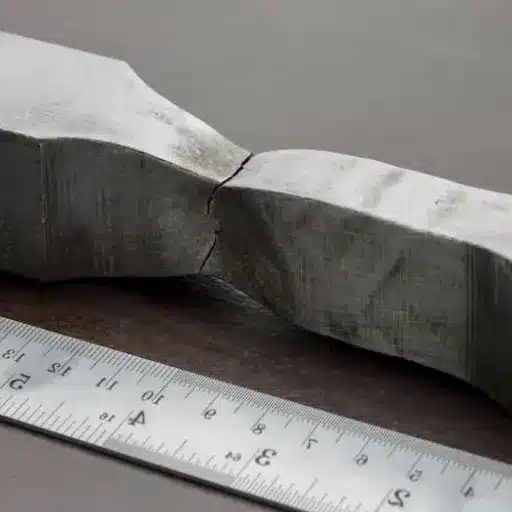
Overview of Tensile Strength Testing
Testing for tensile strength is a necessary technique for establishing the maximum tensile stress that a material can endure before fracture. The test is obligatory in all the three major industries construction, aerospace, and manufacturing, and it is the primary concern for the latter since it is a non-destructive way of testing the material’s strength. The main purpose of tensile testing is to see a material’s behavior under the influence of pulling forces and at the same time determining the properties of tensile strength, elongation, and Young’s modulus. These parameters will give an idea of whether the particular material is suitable for that specific application or not.
In tensile strength testing, usually the sample is clamped at both sides and a tension is applied with the help of a universal testing machine. The testing procedure initiates by gradually increasing the force until the material breaks, and at the same time observing the material’s deformation up to that point. The factors that may affect the results are the type of material, the dimensions of the sample, and the environmental conditions, which makes standardization of testing procedures— like those governed by ASTM or ISO guidelines— very important for obtaining reliable and comparable data. Advanced modern testing machines are equipped with sophisticated sensors and software to get scientific readings and this allows engineers to interpret stress-strain curves for thorough material characterization.
🎯 Testing Benefits
Tensile strength testing is beneficial in material selection and quality control as well. It secures production batches consistency and allows the meeting of safety and durability regulatory standards. In addition, tensile testing data helps to forecast the materials conduct under the worst case scenario, thus aiding the design of products that are more effective and of high performance. For instance, in aerospace engineering, precise tensile strength figures play a vital role in the process of optimizing composite materials for use in lightweight aircraft parts, this is done by striking the balance between strength and weight reduction leading to the saving of fuel and improving safety and comfort.
Standard Testing Procedures for Tarpaulins
The standard testing procedures for tarpaulins play a significant role in assessing their quality, strength, and the finest applications. One of the major techniques used is tensile strength testing, wherein the material is pulled apart in a controlled manner until it finally fails. This method aids in determining the maximum stress responsible for the tarpaulin, thereby specifying its use for the construction, farming, and transport sectors, where the tarpaulin is indeed subjected to heavy loads and unfavorable weather. International norms like ISO 1421 or ASTM D5034 establish specifications that help in standardization and trustworthiness of tensile testing methods through the provision of rules for use.
Another major viewpoint is the impermeability and water-resistant testing of tarpaulins. In this technique, the material is subjected to pressure water along with its being under water for prolonged periods so as to ascertain the degree of resistance to liquid penetration. Such tests are specifically and critically needed in such industries as agriculture where tarpaulins are used for crop protection or in logistics where they are employed to protect cargo from moisture. It is, therefore, very significant to ensure that a tarpaulin is really waterproof and not merely water-resistant. This area is governed by compliance with specific standards, such as ISO 811 Water Penetration Testing.
Furthermore, UV resistance testing is undertaken to determine how tarpaulins perform when exposed to sunlight for a long time without losing their quality. This testing makes it possible to simulate the fading of colors, reduction in the strength of materials, and other signs of wear due to the ultraviolet rays over the time span. In outdoor application, particularly in areas with high sun, UV stabilization is the main factor that influences the longevity and durability of tarpaulin products. The industries get the assurance that their tarpaulins will meet the required standards and perform reliably in actual conditions by going through the combination of strict laboratory tests and field performance assessments.
Measuring Tensile Strength: Tools and Techniques
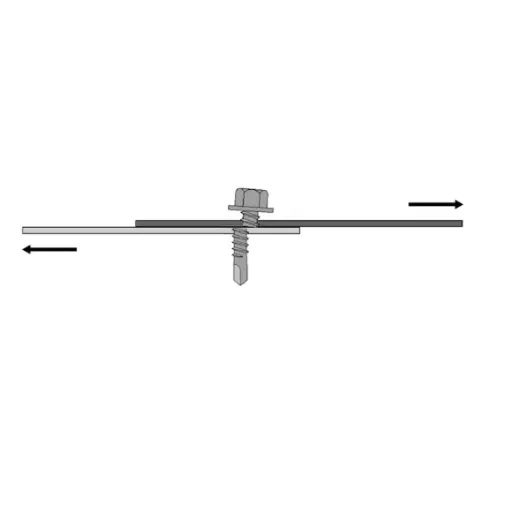
Determining tensile strength is one of the primary factors in assessing the mechanical properties of tarpaulin materials. Tensile strength is a measure of the maximum tension (stretching) that a material can withstand before it breaks; thereby, it becomes a criterion for its performance under strain. The testing is usually done with a tensile testing machine (or a universal testing machine) which applies a force to the material sample and keeps increasing that force until the latter fails. During the test, significant factors are captured including ultimate tensile strength, elongation at break, and modulus of elasticity, which in turn aid manufacturers in optimizing the composition and design of the materials for better long-lasting performance.
Handling the modern machines for tensile testing requires the use of advanced load cells and precision grips to get accurate and repeatable results. The specimens to be used for the test are prepared according to the specific standard, e.g., ASTM D5035 for textiles, which helps to get results that are equivalent. The tensile testing procedure comprises of placing the sample to be tested between the upper and lower jaws of the machine. Then a one-way force is applied at a steady speed. The load and strain are continuously monitored using sensors and systems which are part of the equipment. The stress-strain curve is then plotted for analysis. The curves contain a lot of information regarding the material’s response to the applied stress and this is one way industries can assess the material for their different applications.
Moreover, software technology improvements have changed the tensile strength data collection, analysis, and reporting process in a more sophisticated way. The evaluation process is made easier by real-time analytics, automated reporting, and compatibility with other quality control systems. Through the use of these advanced tools combined with field performance data, researchers are enabled to validate laboratory results, thereby confirming the applicability in the real world.
Applications of Tensile Strength in Tarpaulins
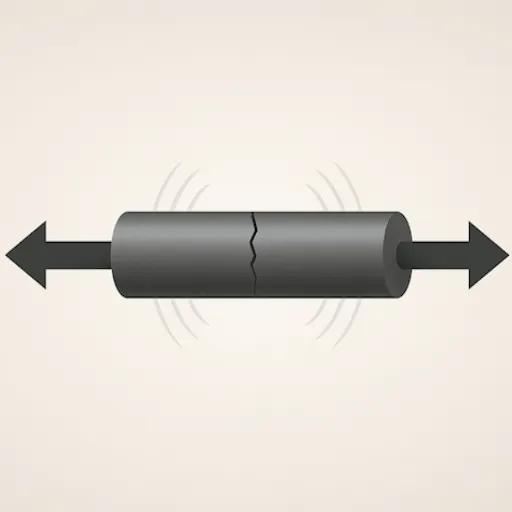
Load Capacity Calculations
The capacity of tarpaulins to carry loads is determined by a thorough evaluation of their tensile strength and durability in different situations. The following are the five main factors along with detail which are taken into account in the calculation of load capacity:
- Material Composition
The tensile strength is largely determined by the kind of material being used, either polyethylene or canvas. For instance, high-density polyethylene (HDPE) tarpaulins usually endure about 200 pounds per square inch (psi) of force maximum.
- Thickness and GSM (Grams per Square Meter)
Generally, thicker tarpaulins with higher GSM provide greater load capacity. A typical heavy-duty type of tarpaulin with 500 GSM can take loads of more than 150 lbs. easily.
- Environmental Stress Factors
Materials exposed to UV rays, rains with high volume, and very hot or very cold temperatures can be adversely affected in their performance. UV-stabilized tarpaulins show that degradation and loss of strength are reduced under the sun for long periods.
- Reinforcement Features
The addition of reinforced edges, such as grommets and hemmed sides, has a very substantial impact on a tarpaulin’s ability to spread the weight evenly. For instance, tarps with reinforced eyelets are allowed to carry heavier loads without tearing.
- Load Distribution Methods
Properly spreading the load across the tarpaulin ensures even stress distribution and prevents punctures or tears. For example, weights evenly distributed across a tarp can sustain up to 300 lbs when combined with reinforced seams.
Their evaluation of these factors allows manufacturers to reliably determine load capacity which leads to the guaranteed maximum levels of safety and efficiency in a variety of applications.
Real-world Applications: Tarpaulin Usage in Industries
Tarpaulins, the ever-adapting materials, find their uses in various industries due to their long-lasting life, elasticity, and economical prices. Here are five major sectors where tarp can be seen with their details, and specific numbers:
🏗️ Construction Industry
Tarpaulins are commonly found at construction sites in the form of scaffold coverings, temporary huts, or dust control. The heavy-duty tarps are used to secure construction materials and tool against the elements, for instance, rain and sun. In case of mega construction projects, tarps can prevent $500,000 worth of machinery from getting damaged by rain as well as UV rays.
🌾 Agriculture Sector
The farmers are highly dependent on tarpaulins for the protection of their crops, covers for silage, and temporary storage buildings. Superior-grade agricultural tarps can effectively hold up even the most intense of sun rays, with the the UV resistance of up to 5 years, thus safeguarding the crops during unpredictable weather conditions.
🚚 Transportation and Logistics
Tarps are the must-have items in the transport industry for protection of goods being moved by trucks, ships, or trains. As an illustration, PVC-coated tarps that have a tear resistance of 350 lbs/in provide security to the cargo weighing thousands of pounds during transit, thus guaranteeing that the goods will not be damaged.
⚽ Sporting and Recreational Activities
Tarps are made as event covers for outdoors, ground sheets, and waterproof shelters for the period of sports or other recreational activities. Huge event tarpaulins, of up to 50,000 sq. ft., can endure wind power of 40 mph, thus giving a dependable shelter to both the participants and the audience.
🆘 Disaster Relief Operations
When disasters strike, tarpaulins become temporary housing, medical tents, and roofing for the affected areas. Stranger agencies frequently send lightweight, waterproof tarps into the field that will cover 100 sq. ft. per unit, thus helping thousands of displaced families post-natural calamities.
These instances highlight the importance of tarpaulins in different sectors, where they not only show their versatility but also provide durability and reliability.
Safety Standards and Regulations
In order to guarantee their reliability and safe application, adherence to the safety standards and regulations is extremely important to the manufacturing and use of tarpaulins. Below are five key safety standards and regulations that are commonly observed in the production and usage of tarpaulins:
- ✓
ISO 2286 – This International Organization for Standardization (ISO) standard specifies the methods for determining the physical properties of coated and laminated fabrics, such as tensile strength and tear resistance, ensuring durability in tarpaulin materials. - ✓
NFPA 701 – The National Fire Protection Association (NFPA) standard outlines the requirements for flame propagation testing of textiles and films. Tarpaulins used in public spaces must demonstrate fire-retardant properties to comply with this regulation. - ✓
REACH Compliance – This European Union regulation ensures that tarpaulins are free of harmful chemicals, contributing to environmental safety and human health. Manufacturers must adhere to material safety standards under this directive. - ✓
ASTM D751 – Maintained by ASTM International, this standard specifies the methods to test coated fabrics, including waterproofing, puncture resistance, and hydrostatic pressure tolerance, allowing tarps to withstand challenging conditions. - ✓
RoHS Directive – The Restriction of Hazardous Substances Directive restricts the presence of specific hazardous substances in tarpaulin materials, promoting safety and sustainability in their use across various industries.
The mentioned regulations point out the necessity for implementing very strict controls on quality and for employing advanced testing methods, thus ensuring that the tarpaulins will already meet safety and performance standards required worldwide for various applications.
Future Trends in Tarpaulin Materials
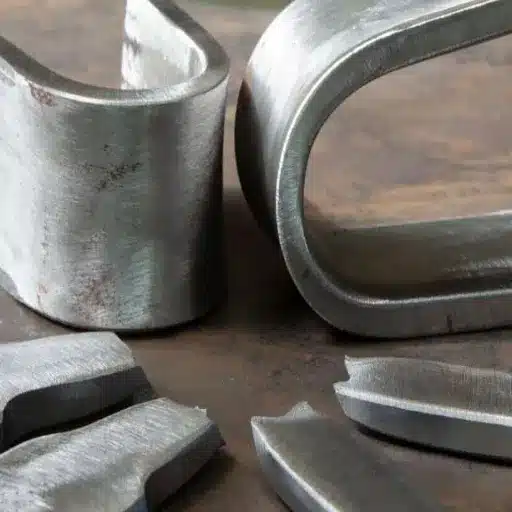
Innovations in Material Science and Tensile Strength
Innovations in material science have improved the tensile strength and lifespan of tarpaulin materials dramatically. The use of high-performance polymers like HDPE and composite fabrics has resulted in the tarp so resistant to tearing, rubbing, and the likes of the weather that it is almost impossible to ruin them. These innovations not only lengthen the life of the tarps but also make them perform better under extreme scenarios, like heavy wind or even long exposure to UV rays.
Besides this, we have advantage of nano-technology as it is very popular with the incorporation of nanoparticles into tarpaulin coatings which in turn gives those coatings better weatherproof, fire-retardant, and anti-fungal features. Another step forward is the manufacturers utilizing advanced weaving techniques and fabric engineering to create fabrics that are of high tensile strength but have no added weight thus making modern tarpaulins stronger and more practical for different uses at the same time.
With sustainability taking the center stage, there is the commonality of reducing the environmental impact of the innovations. The health of the planet is a major concern. Recyclable materials and eco-friendly manufacturing processes are gradually being brought in which ensures that tarpaulins are able to meet even the most stringent performance criteria and at the same time conform to the global sustainability targets. These developments are a clear indication of the powerful influence of top-notch scientific research in the future of multipurpose and durable tarpaulin materials.
Eco-friendly Alternatives and Their Tensile Properties
New innovations in the field of material science have resulted in the manufacture of tarpaulin materials that are not only eco-friendly but also sustain the marriage of nature and superior performance. Such materials have incorporated the use of bio-based polymers, recycled plastics, or plant-derived composites which together help in minimizing the environmental impact without Gerber mastering quality. The good example is polyethylene tarps, that are made from recycled content or biodegradable alternatives like wine made from polylactic acid (PLA) which are trending widely. These materials are intended to have marvelous tensile strength, meaning they can bear high stress and tension just like their traditional counterparts do.
🌱 Sustainability Highlights
The tensile traits of green tarps are extremely important in applications that require their durability to be under harsh conditions. Fabrication technologies of molecular engineering and fiber reinforcement, among others, have made it possible for these sustainable options to not only meet but also surpass the mechanical performance standards of traditional tarpaulins. Trials have confirmed that bio-composite tarps can derive tensile strengths as good as high-density polyethylene (HDPE), sometimes coupled with the advantage of leaving a significantly smaller environmental footprint. Furthermore, research is being conducted to increase the durability and ultimately the usability of these alternatives by making them resistant to tearing, UV degradation, and weathering.
The upside of eco-friendly tarpaulins is their adoption, which still creates some difficulties in terms of their superior qualities. The production of these materials that are sustainable, often necessitates specialized technology and raw materials which makes their cost competitiveness still a barrier. However, the upsurge in the number of conscious consumers and the demand for products that are environmentally responsible are likely to and, thus, economies of scale and investment in green tech would lead to a drop in costs in the future. Eco-friendly tarpaulins are not just a compromise between the environment and high-performance industries/individuals but a long way in decreasing the industrial impact on the environment while fulfilling their needs.
Predictions for the Future of Tarpaulin Strength
The future of tarpaulin strength is going to be the combination of advanced materials and innovative manufacturing techniques. Continuous progress in polymer science has led researchers to create very light materials that have excellent toughness and durability. For example, the use of nanotechnology is enabling the creation of tarpaulins that are quite literally particles reinforced at the molecular level; thus, the overall product boasts an exceptional tensile strength and is quite resistant to different weather conditions. These innovations will enable tarpaulins to hold a larger amount of the pressure which will lead to their being used in the industries that demand strong and long-lasting materials.
Investing in bio-based composites for tarpaulin production is another trend that is gaining momentum and has a great impact. Manufacturers are producing high-strength, eco-friendly tarpaulins by blending biodegradable polymers with natural fibers like jute or hemp. Not only this, but also the production process is less reliant on fossil fuel-based materials. In addition, the resulting material is completely in tune with the global sustainability aims. Moreover, the engineered bio-composites have features like UV resistance and increased lifespan, thus ensuring that the products remain robust even after a long period of use.
🔮 Future Innovations
Smart materials are also having a great impact on the future of tarpaulins. Self-healing polymers, for instance, could be the key to making tarpaulins that are able to fix small cuts or scratches on their own without the need for constant replacement. More so, the development of coatings that are not only hydrophobic but also resistant to corrosion will open up avenues for future tarpaulins to be used in extremely tough conditions like marine or industrial applications.
References
- Tensile Test Experiment – Michigan Technological University: This resource explains the basics of tensile strength testing and its applications in material science.
- Mechanical Properties Chapter – Colorado State University: A comprehensive guide on tensile strength, yield strength, and stress-strain relationships.
- Tensile Strength – USDA Agricultural Thesaurus: A government resource defining tensile strength and its importance in material performance.
- Accurate Estimation of Yield Strength and Ultimate Tensile Strength – PubMed Central: A research article providing precise data on tensile strength values for various materials.
- Click here to read more.
Frequently Asked Questions (FAQ)
❓ What is tensile strength and how is it defined?
Tensile strength is the highest stress a material can take during stretching or pulling before it will break. Its definition is the highest amount of tensile force that is divided by the initial cross-sectional area and it is generally reported in units like megapascals (MPa).
❓ How do tensile strength and yield strength differ?
Yield strength vs tensile strength: yield strength is the stress that a material can withstand when it starts to deform plastically and will not come back to its original shape, while tensile strength (ultimate strength) is the highest stress that a material can bear before it fails. In most ductile materials, the yield point comes before the tensile peak.
❓ How is tensile strength measured, and how can you find out the tensile strength?
In order to get the tensile strength a standardized tensile test is done where a controlled tensile force is applied to a specimen and the stress and strain are recorded until the specimen fails. The tensile strength is determined as the maximum load taken divided by the original cross-sectional area. The test results usually reflect yield stress, ultimate strength, and the degree of plastic deformation.
❓ Why is tensile strength such an essential factor in deciding the material for structural applications and automotive parts?
Due to its main role in measuring the material’s ability to withstand breaking, tensile strength is a critical factor in selecting materials for structural applications and automotive parts. By knowing the tensile strength, it is guaranteed that the parts can endure the peak loads and tensile forces that will be present during their service life without breaking catastrophically, and it is also a help for the engineers in picking the right alloys or steels doing so in terms of safety and performance.
❓ How do the brittle and ductile characteristics of materials influence the tensile strength?
Brittle materials typically go through little plastic deformation before they fracture, thus even though their tensile strength may be high, they break abruptly. On the other hand, ductile materials exhibit a huge plastic deformation and thus can absorb more energy before the fracture finally occurs. The point when the material fails to endure the tensile stress is directly determined by whether the material is brittle or capable of undergoing plastic deformation.
❓ Is it possible to present tensile strength in megapascals and what would be the implication of a value like 800 MPa?
Certainly, tensile strength is basically reported in megapascals (MPa). A strength of 800 MPa means the material can take an 800 million pascal maximum stress per unit area before it gives up. This is a high figure that is very characteristic of high-strength steel and some alloys employed for structural or automotive applications with less demanding conditions.
❓ How do shape and size including cross-sectional area influence the observed tensile strength?
The tensile strength value considerations are made based on the force applied over the cross-sectional area. Hence the original shape and size of the test specimen has a direct impact on the measured values. For comparison purposes, tensile strength is standardized by the original cross-sectional area making it possible to obtain the maximum stress a material can withstand before failure by its inherent property independent of specimen dimensions.
❓ What role do alloys and material selection play in accomplishing the required tensile strength?
Alloys are created with an intention to optimize factors like tensile strength, yield strength, toughness, and resistance to both tensile and compressive loads, etc. The process of picking a material for a specific application depends upon the maximum load, strength of steel or other alloys involved, and whether the material has to stay ductile or if it can be brittle. Going for the perfect alloy will guarantee that the material can endure the tension and strain coming its way.
❓ How can engineers use tensile strength data to prevent failure and design products that are safer?
First of all, engineers use the tensile strength holding it together with yield strength and safety factors to not only select but also dimension the parts we use in such a way that the maximum tensile stress we experience in service is far below the material’s tensile strength. Another point is that by knowing the tensile strength of different materials one can tell the time of the occurrence of plastic deformation, the extent of elongation of a part before it breaks, and the ways to make sure that components get back to their original shape when the expected loads are applied.
Understanding tensile strength in tarpaulins is crucial for selecting the right material for your specific needs. By considering factors such as material composition, testing standards, and real-world applications, you can ensure optimal performance and longevity in even the most demanding conditions.