

Aircraft Covers: Aviation Tarpaulin & Hangar Solutions
No matter where the aircraft are, protecting them from the elements is one of the main concerns for aviation professionals. The factors such as extreme weather, dust, UV rays, and moisture can all negatively affect airplanes’ performance and appearance if not taken care of properly. So it comes high-quality aircraft coverings and hangar solutions. Such products, which are reliable to a great extent, not only keep your aircraft in perfect condition but also lower maintenance costs and extend the aircraft’s lifetime. In this article, we will discuss the role of aviation tarpaulins and hangar solutions in the aircraft industry covering the owners’ and operators’ peace of mind as well as the safekeeping of an aircraft investment. Be with us while we enumerate the must-have features, advantages, and varieties of covers to fulfill the various aviation needs.
Importance of Aviation Tarps and Aircraft Protection

Why Aircraft Covers are Essential
The covers for aircraft are essential in protecting these expensive investments from and environmental damage and wear. When planes are not covered, they are subject to many environmental factors such as rain, hail, and sun radiation, which will eventually cause corrosion, destruction of delicate parts, and the paint on the aircraft to fade. Using a proper fit for the cover allows the owner to prevent his/her plane from these factors and to keep it in the best condition.
Apart from the weather protection, the aircraft covers act as a barrier between the aircraft and the accumulation of dirt, dust, and debris which could enter the engines, vents, and other important systems. This contamination, besides giving rise to maintenance costs, may also be dangerous if not kept in check. High-quality tarps and covers are made to provide a barrier that keeps the aircraft clean and ready for operation, thus minimizing downtime and maintaining performance.
Last but not least, the coverings contribute to a long-term cost-saving by the prolonging of the lifespan of the plane. Exposure to environmental stressors regularly tends to wear and tear quicker, thus leading to expensive repairs or replacements. Nevertheless, by purchasing durable, well-fitted covers, the aircraft owners and operators can prevent these risks from occurring, thereby protect the resale value, and enjoy the peace of mind that comes with knowing their assets are safe and secure.
Environmental Factors Affecting Aircraft
Aircraft are continuously subjected to various environmental factors, which can have a substantial effect on their condition and performance. One major factor is the weather. Extreme and either very high or very low temperatures can change the behavior of mechanical systems and materials. To illustrate, freezing temperatures can cause the wings and sensors to be covered with ice, thus, negatively impacting the aircraft’s aerodynamics and flight safety. Additionally, very hot temperatures may lead to the expansion of materials and consequently, create stress on engine parts.
Another important factor is the amount of humidity present and moisture. If an aircraft is kept in a humid place for a long time, the chances of corrosion of the metal surface increase, especially in the spots where the protective paints are thin or removed. The moisture can also go into the electrical systems and cause malfunctions or even critical failures if not properly dealt with. Maintenance that is done regularly and the use of specialized covers are very helpful in fighting these conditions.
The less-than-ideal air quality and pollution can also make aircraft suffer in the long run. The small particles that are airborne, such as dust, sand, and industrial pollutants, will stick to the plane’s surfaces and cause roughening and even wear of external parts. Moreover, they may get into the engine air intake and, thus, cut down the engine performance and efficiency. All these hurdles can be tackled by doing regular cleaning and inspections which are very vital to keeping the aircraft safe and reliable under differing environmental conditions.
Benefits of Using Hangar Solutions
- Protection from Environmental Elements: One of the advantages of keeping planes in hangars is that the aircraft become less susceptible to extreme weather conditions, such as rain, snow, hail, and high winds, which may ultimately lead to dings or wear on the aircraft. Hangaring also means that aircraft will not be exposed to UV rays for long, the latter being a cause of paint and materials degradation over time.
- Enhanced Security: The hangars act like a fortress with a guarded entrance and a very high level of security, thus minimicking the chances of the aircraft being stolen, vandalized, or unauthorizedly accessed. Consequently, the equipment and any sensitive cargo or technology that are on board become safe and sound.
- Improved Maintenance Efficiency: A hangar is an ideal location for maintenance and inspections since it offers controlled conditions with perfect lighting and easy access to the necessary equipment. Besides, routine checks can be performed in a faster manner, thus minimizing delays and allowing for careful work that even meets the standards of safety.
- Reduction in Operating Costs: The repairs and refurbishments that aircraft dated by environmental factors would be subjected to over the years would not be that high, hence, the hangars would cause significant savings in this aspect. Also, the savings would be seen in the form of longer lifetimes of the external components and systems.
- Climate Control for Specialized Needs: Among the facilities that the modern hangars usually have is the HVAC system that automatically controls the temperature and humidity levels to the desired range in the area. That is particularly important in the case of sensitive avionics, navigation systems, and other temperature-sensitive equipment on the aircraft, which are making their life shorter if not being properly controlled.
Types of Aviation Covers and Tarps
Overview of Different Materials Used
Aviation covers and tarps are made from different types of materials which are specifically chosen for their properties to provide different levels of protection. To give some idea about the materials used, the following list contains the most common ones:
- Polyester: Polyester is a durable material i.e. a very durable one that possesses properties like stretching, shrinking, and abrasion resistance. Also, it provides UV protection thus making it fit for use in areas with a lot of sunlight over the long term.
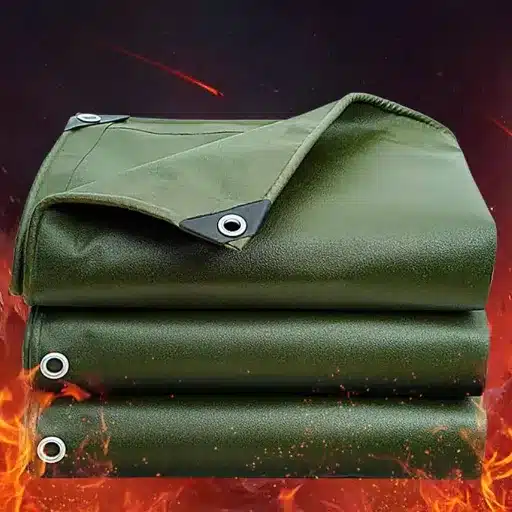
- Vinyl-Coated Fabric: This is a waterproof and mildew proof fabric that is perfect to use in very humid or wet places. Besides, its tough nature guarantees protection in case of extreme weather conditions.
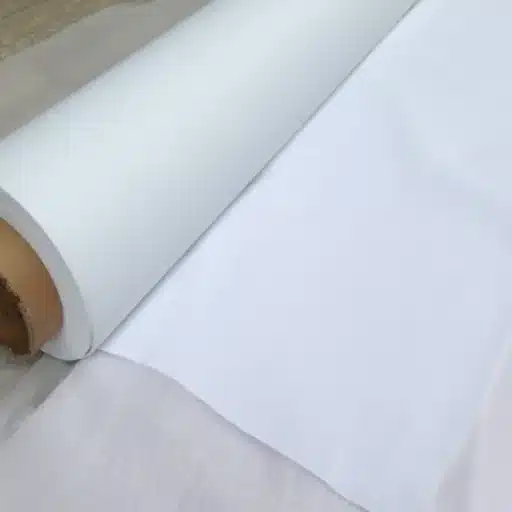
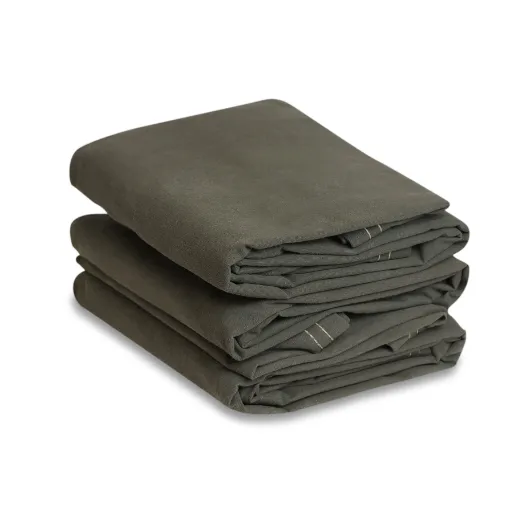
- Canvas: Canvas tarps are not only strong but also able to pass air through making them very good for protecting airplanes where ventilation is an issue. Usually, they are given a treatment that enables them to stand moisture and UV rays.
- Nylon: Though light in weight, nylon has high tensile strength and therefore is used in making portable aviation covers. Besides, its resistance to ripping and the ability to adapt to varying conditions make it a very practical choice.
- Silicone-Coated Fabrics: These give the best waterproofing assurance and also resistance to very high or very low temperatures. Thus, they are the right choice for areas of an aircraft that are sensitive and are situated in areas of varying climates.
- Composite Materials: Premium composite covers are made up of multiple layers of materials like polyester and polyurethane, this way a balance of strength, flexibility, and weather resistance is achieved. They are made for the most demanding conditions but with very high or very low climates.
The guide provided above is not exhaustive but material selection still rests on the particularities of each case, like aircraft sensitivity, climate, and storage length.
Weather-Resistant Fabrics
Weather-resistant fabrics are a new part of outdoor and protective solutions and have become a necessity, especially for delicate machinery and equipment, such as aircraft, to be protected from the weather. The manufacturers have created these fabrics by cutting-edge technology to support thermal, chemical, and physical stress for a long time under the given conditions of the environment, such as heavy rain, UV radiation, wind, and even temperature change. These modern techniques enable the manufacturers to produce materials that are not only strong and reliable but also lightweight and easy to handle.
The most common weather-resistant materials used today are polyester blends which provide good durability and water resistance. The blends are often coated with coatings like polyurethane or acrylic to build up their resistance to moisture and improve their abrasion resistance significantly. Besides the two types of fabrics, woven and non-woven, also the use of microporous membranes is common. These membranes are the facilitators of moisture and vapor while being the barrier against liquid water which in turn helps in mildew and weather-related damages to be kept at bay because these conditions do not develop.
The changes in textile technology have also made eco-friendly fabrics of the weather-resistant category possible. These have the least possible impact on the environment as they are made of recycled fibers or bio-based polymers but they have the same performance as their non-eco counterparts. The merging of these eco-friendly fabrics with the newest manufacturing techniques has given the fabrics even more strength and versatility for use in diverse sectors. Fabrics that resist the elements have come to symbolize not only vital protection but also drawing the line for sustainability and efficiency in the protective solutions with the continuous improvements made.
Reinforced Stitching and Breathable Materials
Reinforced stitching, on the other hand, is the very heart of the durability and longevity of weather-resistant fabrics. The manufacturers are using double-stitched seams or the latest bonding techniques, and so making these materials able to withstand harsh conditions and thus, they are less likely to suffer from wear and tear. This plus in strength is not only for outdoor gear, protective clothes, and heavy-duty applications, but also, where one needs to rely on the stuff used and where resistance is a must isn’t it? Fraying, reinforced stitching, and the fabric giving up their structural integrity are some things that happen to a fabric, but reinforcing it with stitching, it gets longer life span.
Breathable materials mean comfort is taken to the core without losing the protection. These fabrics are not impermeable; rather, they let moisture and air in and out, thus preventing the user from sweating and getting hot while keeping water and wind resistance. This characteristic is a must for clothing in outdoor activities or the making of professional work environments since it guarantees the users will be dry and comfortable all the time. Breathable membranes or systems are very good examples of this technology that protects from external elements and at the same time offers interior ventilation.
Reinforced stitching and breathable materials synergize and thus produce a combination of rugged durability and wearer comfort. This mixture will not only make weather-resistant fabrics multi-functional but also, will make them suitable for a wide range of applications such as from sportswear to industrial uses. Continuous evolution of such fabrics in line with the advancements in material science is the part where the higher performance standards are still a matter of sustainability practices, and modern demands are met effectively.
Key Features to Look for in Aviation Tarpaulins

Durability and Lightweight Design
Aviation tarpaulins are constructed by fusing the two extremes of durability and lightness into one product and thus they become unremovable elements of the aeronautical industry. Also, these tarps are meant to endure the worst weather conditions, among which the most harmful are the sunrays, temperature swings, and rainfall. The life cycle of these products that comes with great strength is usually supported by the choice of top-spec materials like reinforced polyethylene, PVC-coated fabrics, or high-tech polyester weaves that give superb tear and abrasion resistance. This robustness not only supports durability but also leads to lesser replacements and resulting savings in total
Despite being tough, aviation tarpaulins are made to be lightweight so that they can be handled and deployed easily. This feature makes the installation and removal of the tarps easier, which is a very significant trait in places like airports or maintenance centers where tasks are often subjected to time constraints. The lightweight nature of the tow also enhance the portability and hence usage in such locations as remote operations and during transport. This mix of strength and weight reduction guarantees that such covering can provide the required high efficiency without putting unnecessary pressure on the equipment or the operations.
Moreover, the high-tech material witnessed the introduction of the anti-static coating, corrosion resistance, and fire retardant features, which all contribute to the overall application of aviation tarpaulins. Some tarps even have smart features like UV indicators or thermal adaptivity, which are the rimes of the aerospace industry. By juxtaposing durability and lightness, modern aviation tarpaulins not only perform but also are eco-friendly which is an indication of a unified effort in the direction of reducing the negative impacts on the environment.
Cost-Effective Options for Aircraft Owners
In the case of using aviation tarpaulins, aircraft owners are faced with a hard and unavoidable choice: it is either to go for high-quality and expensive ones or to opt for the cheap and low-quality ones. A cheaper alternative available for aircraft owners is to investigate individual customized tarpaulin solutions. Fixing the area of the tarp and its features according to the precise measures and needs of an aircraft can save costs, thus, guaranteeing that owners pay only for what they want. Moreover, the customization process usually leads to a more durable and well-fitting cover, which can result in no damage instance and thus no more financial losses due to improper covering. Polyethylene or PVC-coated fabrics are some of the standard materials that many manufacturers now merge with affordability to yield quality standards.
An additional practical approach is to purchase tarpaulins from wholesale or bulk suppliers. Going for larger purchases of the tarpaulins, be it a solo purchase or through a cooperative buying program, can help reduce the per-unit price greatly. Suppliers are also fond of giving discounts to regular clients or for keeping contracts long, making it economically feasible over the long run for the customers who buy often. Aircraft owners ought to investigate thoroughly good quality manufacturers and distributors that are open with their costs and provide warranties, thus making it sure that the products are up to the owners’ needs regarding durability and performance without having to sacrifice quality for price.
At last, technology has introduced not only innovative but also cost-effective solutions for aviation tarps. Modular tarpaulin systems, which allow the replacement of sections instead of the entire cover, are an example of this trend. These designs prolong the product’s lifespan and, consequently, decrease replacement costs over time. Besides, there are places where recyclable materials are integrated into the company’s production and that is to say, they are not only eco-friendly but also inexpensive at the same time. It is by keeping abreast of the latest materials and trends that aircraft owners can make wise purchasing decisions that protect their investments without overspending.
Maintenance Tips for Prolonging the Life of Aircraft Covers

Cleaning Routines for Aviation Tarpaulins
Aviation tarpaulins need to be properly cleaned to prolong their lives and to keep their protective properties. Frequently cleaning and removing dirt, debris, and other contaminants from the environment helps to keep the materials from breaking down, which is caused by the action of abrasive particles or chemical exposure. After cleaning, the dirt and environmental l residues are eliminated by rinsing the tarpaulin with clean and cold water. High-pressure water streams should be avoided because they may loosen the material, cause coating failure or even penetrate the coating. After rinsing, use a soft brush or a sponge and a non-abrasive, mild detergent to gently scrub the pre-treated area and remove the stain. After that, rinse off the remaining detergent and air dry the tarpaulin completely before storing.
In case of aviation tarpaulins, proper care may not be limited to just heavy-duty situations like oil spills or fuel residues, but more targeted cleaning protocols may be needed in such cases. Specialized aviation-grade cleaners are most effective in breaking down petroleum-based substances while keeping the cover intact. It is always prudent to initially test new cleaning solutions on small patches that are not easily visible to prevent damage by heavy application later on. Also, it is important to dispose of the waste cleaning material following the environmental regulations in order to protect the surrounding ecosystems from harm.
Moreover, a routine inspection schedule should be designed to catch and rectify cleaning needs immediately. Check for mold, mildew, and salt deposits which are particularly dangerous on tarpaulins that are used in coastal or humid areas as they can hasten the degradation process if overlooked. Aviation tarpaulins that are cleaned consistently and enjoy a proactive maintenance routine can still be used for the aircraft’s optimal performance, covering the surfaces, and cutting down the costs of replacement for the long run.
Proper Storage and Handling Techniques
Proper storage and handling practices when it comes to aviation tarpaulins are of utmost importance in terms of preserving their physical state and functionality for the long run. In an ideal world, the tarpaulins would be kept in a cool and dry place away from any source of UV light because prolonged exposure to the latter will lead to the gradual weakening of the material. If the tarps are rolled instead of folded, the chance that creases or points of stress, which could eventually develop into tears, will be considerably lower. Moreover, regularly check the storage area and remove any sharp items or abrasive surfaces that can possibly damage the fabric.
When carrying, it is better to wear gloves to avoid the transferring of oils, dirt, or moisture that can deteriorate the tarpaulin. Do not drag the tarps on rough surfaces to avoid creating abrasions or holes. For large tarpaulins used in the aviation sector, consider using mechanical aids or another person to lift and move the tarp to prevent overstressing both the material and the operators, thus, minimizing the occurrence of accidentally induced damage.
You may also want to buy special protective storage bags or containers for tarpaulins as a measure to enhance the durability of the products. Such measures will help to cut down the exposure to environmental factors such as moisture and termites that can adversely impact the tarp’s durability. Furthermore, doing inspections from time to time while the tarpaulin is stored will make it seen that any bad situations in the form of small rips or mildew growths are quickly eliminated. It is through the combination of proper handling, correct storage, and frequent assessment that aviation tarpaulins can maintain their toughness and reliability, thus facilitating effective aircraft safeguarding operations.
Monitoring Wear and Tear for Longevity
The wear and tear that the aviation tarpaulins go through should be properly monitored as it is a major factor in their lifespan increase. Gradual deterioration is a process that takes place over time and is caused by the environmental factors such as UV radiation, rain, and temperature changes. To combat these factors, one should examine the tarpaulins every so often for discoloration, thinning fabric or weak seams. Discovering these early signs can stop the minor damages from developing into serious structural problems, and thus the material can still keep its protective qualities.
Technological approach can be a huge step forward in the monitoring process. For example, the use of highly sophisticated inspection devices like thermal imaging cameras and moisture detectors that are able to spot even the tiniest of weaknesses that are unnoticed by the human eye. Moreover, the application of data-driven monitoring systems can give timely updates about the status of the tarpaulins when subjected to different situations, thus, the operators can take instant corrective actions. The systems can also log the usage trends, which will lead to an understanding of the wear rates and the maintenance schedules can be optimized accordingly.
Maintenance protocols that include periodic cleaning and protective coating application can also contribute to the prolonging of durability of the tarps besides inspections. The water and UV resisting coatings provide the only line of defense from environmental harm. All in all, it is a combination of active monitoring and preventive maintenance that results in aviation tarpaulins being in their best condition, thereby securing the aircrafts efficiently and also cutting down on the costs of replacement over time.
Reducing Wear and Tear on Aircraft

How Covers Extend Aircraft Lifespan
The cost of aircraft is a big thing and so careful management is essential to get their best performance and longevity. One of the best ways to this is high-quality protective covers. Protecting garments are like walls or barricades that keep critical parts from getting affected by the outside world and these elements include dust, moisture, UV rays, and temperature changes, which can finally make them fail or degrade. Aircraft covers are made to protect particularly weak areas like engines, sensors, windows, and cabin from the glare of the environment that ages or breaks them reclaiming their costly repair.
Aircraft covers of today utilize modern materials and creative designs to cater to the protection needs of each aircraft. Fabric technology has enabled the development of materials that are not only very light and strong but also have great tear resistance, are waterproof and UV ray blocking. For example, multi-layered covers with super breathable membranes let moisture out but at the same time do not allow water in thus they are facilitating corrosion control of metal parts. Moreover, heat-reflective layers that are part of these covers do not allow temperature issues in the cockpit or avionics area hence protecting the structural integrity and performance of these areas.
Moreover, using protective covers indirectly leads to cost savings throughout the whole life of the aircraft. The reason being, that covers protect the aircraft from harsh weather and corrosive elements thus decreasing the amount of maintenance-related downtime and extending the time between major overhauls. With a lower repair cost and higher operational readiness, the owners and operators can realize a more favorable financial outcome in the long term. When combined with frequent inspections and maintenance schedules, protective covers provide an essential tool in ensuring that the aircraft stay in the best shape possible, so that they can run efficiently and reliably for many years to come.
Minimizing Long-Term Repair Costs
Minimizing long-term repair costs is a key concern for those industries where the traits of efficiency and reliability are the supreme, like aviation. Keeping the regular maintenance and the innovative protective measures together has helped in lessening the risks of early wear and failure surprises. An example of this would be the special protective covers that prevent aircraft from getting affected by the outside conditions like UV rays, rains, and debris which would otherwise quicken material deterioration if the covers were not used. Not only do these covers elongate the life of the kingpin components but also make the unscheduled repairs infrequent, giving the operators a chance to distribute their resources more efficiently.
Forecasting maintenance use to be less accurate and hence, cost reductions in the long run were not realized fully. Now, thanks to data analysis and modern monitoring technologies, operators are capable of identifying defects much before they happen. The parts that have sensors affixed can furnish immediate updates about their fitness, a pitch technical staff can then scoop the problem area sooner. This preventive tactic tightens the major malfunctions that are usually expensive and labor-intensive to solve. Companies that are prompt in rectifying minor problems can avoid their issues escalating to the extent of requiring expensive overhauls or even replacements.
Furthermore, also they are investing in training sessions for the technical people in maintenance, who get the industry’s most updated content and practices. Trained technicians are the ones who can really put the maintenance strategies into practice, the aircraft then will be performing at its best. The signing of detailed records alongside periodical inspections makes it easier to create the stronghold against repair costs of time. At last, the alliance of barrier technology, the use of forecasting tools, and competent manpower gives the companies not only the operational efficiency but also the financial sustainability.
Case Studies on Effective Use of Hangar Covers
Case Study 1: Enhancing Durability in Harsh Environments
A regional airport situated in a coastal area encountered major issues posed by salt-laden air and high humidity that speeded up the aircraft and equipment corrosion. The airport by spending on excellent hangar covers with cutting-edge UV protection and anti-corrosion coatings managed to secure its fleet in a very effective way. Over the period of five years, maintenance costs due to corrosion fell by 35%, and aircraft were still in use 20% less. The airport was also able to improve its personnel’s happiness as the hangars made their work place safer and more comfortable for them by insulating better.
Case Study 2: Adapting to Increasing Fleet Sizes
A newly established charter service company underwent a sudden growth that demanded an immediate answer to the problem of protecting the enlarging fleet and the same time no permanent hangars costs caused by rather slow constructions. The company settled for modular hangar covers with the capacity for designing the size according to requirements. By this decision they were able to accommodate up to 30% more planes in just one year without incurring the cost of delays that would have come with the construction of permanent hangars. Furthermore, the modular buildings were fitted with retractable parts, which enabled hassle-free access and quick changes according to the operational requirements.
Case Study 3: Energy Efficiency and Cost Savings
Aero-field in a moderate climate area made use of hangar covers made from energy-efficient materials such as reflective surfaces and insulated panels. The latter played a significant role in reducing the interior cooling and heating requirements. The airfield’s energy bills dropped by 25% within the two years, and simultaneously there was an 18% cut in carbon emissions resulting from their operations. This green initiative not only saved the airfield money but also kept it in the forefront of global aviation industry efforts to diminish environmental impact.
Each of the instances highlights the strategic benefits that come from the use of the specially designed cover for the hangar, which were based on the specific operation need, thereby emphasizing their role in increased efficiency, cost savings, and sustainability.
References
-
Validation of Corrosion Mitigation Using Aircraft Top Covers
This study investigates the benefits of custom-made aircraft top covers in reducing corrosion, especially during storage. - Click here to read more.
Frequently Asked Questions (FAQ)
Q: What is an aviation tarpaulin aircraft cover and how does it protect my airplane?
A: An aviation tarpaulin aircraft cover is a fitted tarp made of high-quality materials that are very resistant to the sun and moisture like PE, and other plastics and fabrics. The cover keeps your aircraft, fuselage, upholstery, and delicate parts from being exposed to the sun, water, and dust while keeping the environment out. Whether your aircraft and aerospace equipment are outdoors or in hangars, the covers protect them and cut down the chances of damage by dust, rain and rust that can result in costly repairs.
Q: What types of tarps are available for aircraft — are there custom aircraft covers?
A: The tarps are categorized by materials, and there are standard PE tarps, heavy-duty vinyl, breathable fabrics, and custom tarps designed specifically for small private planes, jets, and large commercial airliners. Custom aircraft covers and made-to-measure tarps give a perfect fit that keeps the flap from moving and the moisture from building up while making sure that your aircraft is completely protected from the specific environmental hazards and operational conditions.
Q: How do tarps for airplane hangar covers and protection differ from individual aircraft covers?
A: Tarps for hangar protection and airplane covers are usually bigger than individual covers, covering hangar openings or creating temporary shelters, and they need to be strong enough to withstand wind and UV exposure for long periods. Individual aircraft covers concentrate on the precise fit, grommet and strap placements, buckles and reinforced points for secure installation and easy removal in protecting the fuselage, engine and upholstery.
Q: What are best practices for proper installation and ensuring a secure fit?
A: Proper installation comprises using straps, buckles and grommets at the manufacturer-recommended attachment points, checking that the fitted tarps and covers provide a snug fit that prevents flapping, and following easy installation steps provided by the supplier. Regular inspections for loose grommets, frayed straps, or compromised buckles help in maintaining a secure fit and preventing damage caused by movement during storage or transit.
Q: How should I clean and maintain an aviation tarpaulin to keep it in top condition?
A: Maintenance is easy: use a mixture of mild soap and water to get rid of dirt and contaminants, rinse well and let the cover dry to stop moisture build-up. Regular inspections for tears, UV degradation or worn attachment points and quick repair of any damage will keep the tarp solutions functioning and aircraft remains safe and ready for service.
Q: Can aircraft covers prevent corrosion and other long-term damage to engines and airframes?
A: Absolutely! Tarps that are perfectly fitted will not allow any moisture or dirt to get to the engines and airframes, so the risk of corrosion is eliminated. Furthermore, the areas that are at risk of getting water ingress are protected, and the UV and environmental hazards are reduced thus covers are one of the factors in the good practice of reducing corrosion and prolonging the life of aviation assets.
Q: Who should request a quote for custom tarps and what information is needed?
A: The custom tarp quote should be requested by commercial operators, small private owners, airlines, and aerospace engineers. One should state the type of aircraft (jet, turboprop, helicopter), give dimensions of the fuselage or part to be covered, indicate the preferred material (PE or heavy-duty fabric), specify the points where straps and grommets should be attached, and state whether hangar covers or portable tarp solutions are required.
Q: Are fitted tarps suitable for outdoor storage and what precautions should be taken?
A: Fitted tarps are good for outdoor storage if they are made from high-quality UV-resistant material and if they are securely fixed with straps, buckles, and reinforced grommets. In regions prone to heavy rain or snow, it is important to make sure that the covers are properly tensioned to avoid water pooling, doing regular inspections to stop moisture build-up and following the best practices for climate checking to find out if the wear and tear might allow the aircraft to be exposed to the elements.
Q: How do aviation tarpaulins balance ease of use with the need to fully protect aircraft and aerospace equipment?
A: New tarps have systematic shapes for easy installation that at the same time provide a tight fit: strategic strap placements, quick-release buckles, reinforced grommets and custom-made patterns allow for fast fitting and removal without compromising protection. This equilibrium situation helps both commercial operators and private owners to have an inspection routine and keep aviation assets ready while reducing the time spent on fitting yields.