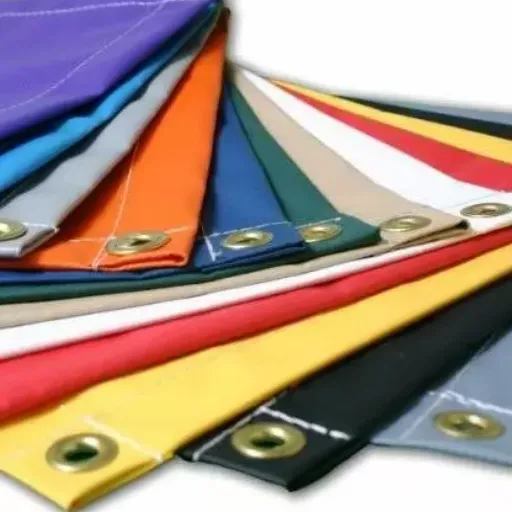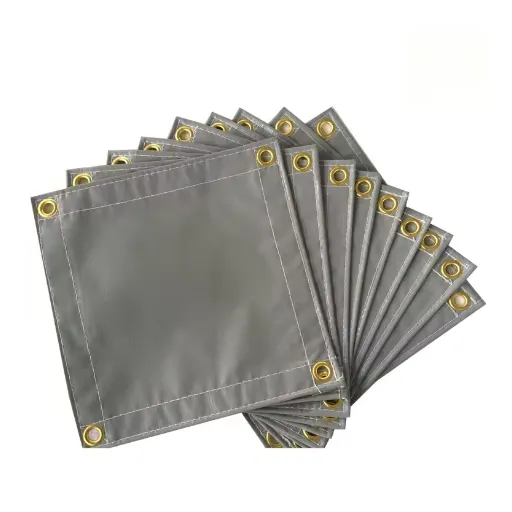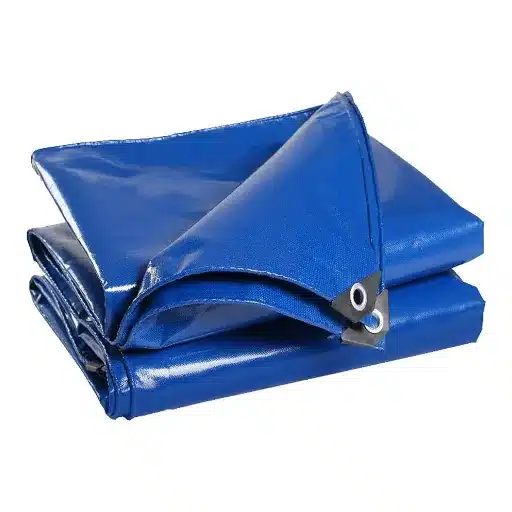

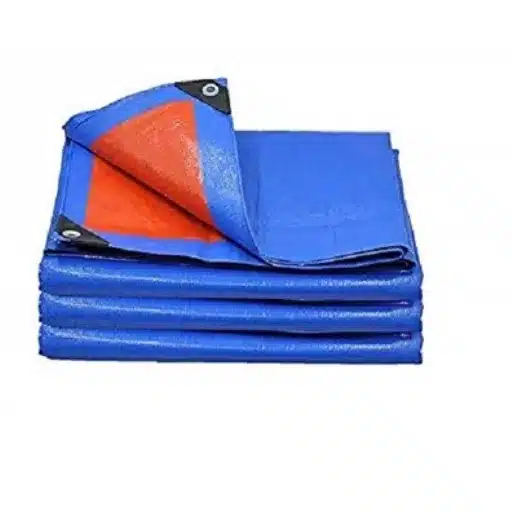
Abrasion Resistance: Durability Under Friction & Wear
There are some industrial and commercial applications where durability cannot be compromised especially when the materials are constantly under stress and wear. Vinyl heavy duty tarps are one of the practical examples of how the transformation of technology can go hand in hand with rough conditions and deliver time-proven and efficient solutions. The durability of these tarps is determined by abrasion resistance, which inhibits the malfunctioning effect of the tarps by maintaining them in most cases under factors provoking the wear of the surfaces. The importance of abrasion resistance and its contribution to the out of the ordinary performance of the heavy duty vinyl tarps in extreme situations shall be discussed in this paper. Regardless of whether one is looking for durable materials as a professional or appreciating innovations in material science, this analysis caters to one’s interestsuuml.
Understanding Abrasion-Resistant Tarpaulins
Definition of Abrasion Resistance
Abrasion resistance is a characteristic that characterizes the resistance of a material to the mechanical damage as well as the degradation which results from the contact during operation. The ability of abrasives to wear out materials or degrade them in the process of application is vital in many cases for the lifespan of the material products especially in industries such as construction and transport among others.
Materials with good abrasion resistance will stand the test of time. They will not just withstand the appearances, but they will remain functional without problems even if there are strong mechanical forces. An example is ensured where heavy duty vinyl tarps are construed with the aim of resisting any scratches, tears and scuffing which give them their appreciation for use in protecting equipment, size of loads and even their durability in outdoor conditions. This is thanks to modern production methods for example, the use of textile fibers and other protective materials enhancing the surface strength of the product.
abrasion resistance comprises factors beyond only wear-proofing and particularly involves cost-benefit and human health considerations. Long-living products obviate frequent maintenance, elimination of operational downtime costs and paying for materials replacement every now and then. More importantly, they ensure that critical items are safe to use as intended while systems that include such items remain stable because in such cases, such failure cannot be afforded.
Importance of Durability in Tarps
One important factor in tarpaulins (tarps) design is their Anchored Design because it helps to prolong their use and protects them from rigid atmospheric conditions. A well made tarp should be resistant to UV rays, heavy downpour, strong gales, abrasive surfaces and still hold its shape and continue performing without fail. This allows the tarp to offer the same level of protection each time it is acquired and used within specified parameters.
Opting to acquire rugged tarpaulins is a potentially economical decision in the long run. For such materials that have an excellent abrasion resistance, and do not wear out easily and thus need resupplying or repairs by the authority quite often; maintenance expenses will be cut down. More than that, changes in the number of replacements also implies less searching or erecting new tarps, energy and effort and this particularly applies in such cases where every hour of work stoppage will result in losses.
Moreover, performance in durability does not only have monetary importance. For instance, where heavy duty tarpaulins are used in construction, transport or industrial storage purposes, they need to be able to withstand tears and failure otherwise they risk exposing some critical equipment or people to danger. Reinforced tarpaulins however by holding up and retaining their strength offer necessary protection and aid so that there are no loss of assets or workers even in harsh conditions.
Materials Used in Heavy Duty Vinyl Tarps
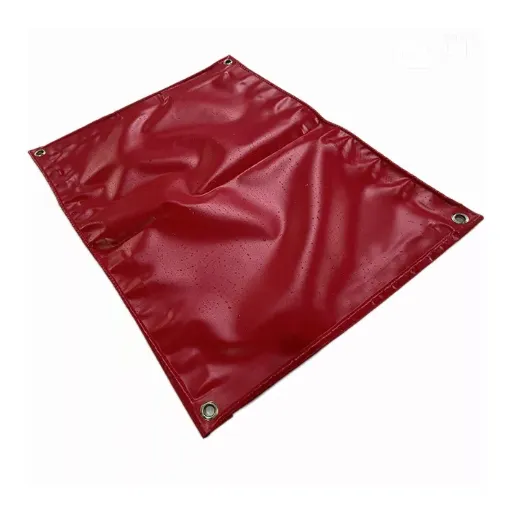
Vinyl vs. Polyethylene: A Comparison
Vinyl tarps are heavier, more durable, and long-lasting, while polyethylene tarps are lightweight, affordable, and suitable for temporary use.
|
Key Point |
Vinyl Tarps |
Polyethylene Tarps |
|---|---|---|
|
Durability |
High |
Moderate |
|
Weight |
Heavy |
Light |
|
Lifespan |
Long |
Short |
|
Cost |
Expensive |
Affordable |
|
Usage |
Heavy-duty |
General/Temporary |
|
Flexibility |
Less |
More |
|
Weatherproof |
Excellent |
Good |
|
Tear Strength |
High |
Moderate |
Understanding 16 oz Heavy Duty Tarps
16 oz tarps for heavy-duty use are very strong industrial-grade covers designed for use in tough applications within different environments. Made principally of vinyl coated polyester, these tarps are very strong and resistant to breakage. The weight mentioned as 16 oz refers to the thickness and density of the material that makes with each yard of material weighing 16 oz. Such weights category hence ensures durability in that they can be applied where heavy work is involved such as construction, agricultural, transport and industrial purposes. They are also common due to their high tear strength and puncture resistance, making them ideal for protecting such equipment and vehicles as well as other valuable objects, that are prone to damages caused by extremely harsh conditions.
One of the central traits of heavy-duty tarps with a 16 oz weight is their superior weatherproofing ability. Because of the vinyl layer, they not only resist water but also ultraviolent rays and high temperatures allowing them to be used in different conditions and extended periods of the aforementioned sunlight. These tarps are also built to withstand the effects of mildew, oil, and chemicals which makes them ideal for use in environments that need extra environmental protection. The ratio of their strength to weight allows for thick and heavy tarps to be transported and installed with ease.
16 oz heavy duty tarps are the best choice when seeking heavy-duty solutions and not temporary ones. Polyethylene type of tarps is normally used in temporary or short-term purposes because they are not durable enough. These tarps are more like a long-term investment. They have an additional feature of heat sealed seams and Grommets placed at intervals along sides, that help in proper pegging and do not tear with stress. During all seasons, 16 oz tarpaulins can be used effectively as truck body covers, liners for industrial purposes or in unfortunate incidents as roofing materials as they can withstand strong winds and heavy showers with ease.
Chemical Resistance in Tarps
The extent to which tarps can withstand chemical agents depends significantly on the materials used and any special coatings or treatments employed during the production process. Polyethylene (PE) and polyvinyl chloride (PVC) tarps, among others, are produced in such a way as to provide them with resistance to a chemical degradation of acids, alkali and a number of solvents. Such chemical resistance becomes an advantage in industries where such substances are common, the agricultural, construction and the chemical industry.
To ensure these UV resistant tarps function towards their maximum abilities and without corrosion, PE tarps are supported by chemically strong forces due to the low density of the polyethlene filaments used in making them. In this case, the plastic and reinforcement within PVC highlights plasticizers and stablizers which help the resistance of oil and chemicals while preserving tissues no matter the temperature span. Additional testing of sample materials such as the testing of tensile modulus and exposure of the materials to ph exposure is expected to seek their durability for a long term penetration of chemicals.
Content also becomes a priority for consideration during material selection. In the event that an application requires more frequent acid baths or organic solvent dips and is surface, perhaps this is where custom made fluoropolymer coatings help in reinforcing resistance, which is not extremely rare in metallic applications. The adaptation of the tarp material to the intended chemical environment has to be extended to allow for functional stability in the industries otherwise it will constitute a hazard to its users.
Common Applications of Heavy Duty Tarpaulins
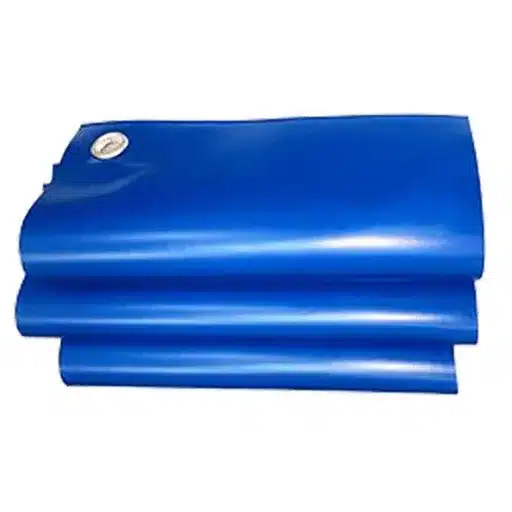
Use in Construction Sites
The hard-wearing sheet covers are quite efficient and contribute immensely to construction works as they provide most of the necessary solutions to the challenges encountered at different sites. Their strong structure, as well as other properties that make them resistant to various unfavourable weather conditions, makes them very useful in various activities. The following carries some of the cases where heavy-duty tarpaulins are utilized most in any construction.
- Weather Protection for Materials: There are construction materials that include timber, concrete, metals or even metal structures, among other things. These materials are sometimes exposed to various weather conditions. These heavy-duty tarpaulins offer excellent cover from rain, sun, or temperatures in excess which aids in protecting such valuable materials from getting destroyed and helps in maintenance of standards.
- Temporary Roofing and Shelter: In the course of construction works, temporary roofs are also required to be placed in order to protect the inside part from the weather or to create a certain environment inside. Tarpaulins are used as cheap and easily installable covers in open places therefore they protect the open working areas, allowing the work to commence without any hitches.
- Containment and Dust Control: Hefty TARP drawn around active construction sites or some defined work area in the interior, will contain waste materials, dust and pollution as a result of activities such as cutting, grinding or demolishing. It also ensures that necessary intimacy to the laws of the land on environmental aspect is not ignored and the safety of workers is promoted.
- Scaffolding Covers: In order to prevent wind, rain, dust and other related problems in scaffolding during the construction of tall erections, permitter approved tarpaulin covers are wrapped around the scaffolds as a wall made out of a folded sheet so as to keep people and the equipment inside, safe. This as well prevents any such activities which might lead to weapon dropped injuries.
- Ground Covers and Spill Prevention: Another instance where tarpaulins come in handy is while being used as strong cover for the ground surfaces against dirt and in general also to keep sites clean in the course of construction. It is also humidifying and devices within eliminate leaking or spillage from white paints, oil, or abrasive substances being released, which hence, enforces laws on the protection of the environment, and cuts back the labor costs due to cleaning.
For those operating in construction or prepared for this employment, the multifarious uses and useful life of heavy-duty tarpaulins ensure their relevance regarding raising productivity, securing operations and efficacy, as well as the protection of the environment.
Applications in Industrial Settings
Heavy-duty tarpaulins serve numerous purposes in industrial environments and are vital assets for functional and protective purposes. The following are five principal uses of tarpaulins in industrial contexts, their purpose and advantages outlined in detail:
- Protection of Equipment and Machinery: It is common practice to cover the equipment, tools, and machinery that are quite costly with tarpaulins to spare them from the inclement weather such as rain, dust, and sun. This kind of structural element aids in enhancing the durability of the industrial equipment and minimizes their susceptibility to damage as well as wear & tear as well as the costs for repairs & replacements of assets.
- Provision of Temporary Shelter and Workspaces: In construction or operation areas, tarpaulins have been used to provide the facility of temporary roof or enclosures that are usually meant to cover the area for the workers working in that area and the machines working in those areas. These kinds of structures allow remoteness or large scale project to continue irrespective of rough weather conditions, which is economical.
- Covers for Dividers: Packing armors or shelters made of fabric or tarp provide shields for various types of packing material from weather abrasions including rain and other natural conditions, malevolent sabotage or inversions within packing goods. Most fabrics have several properties including waterproofing and enhanced abrasion resistance amongst others to guard against water penetration or erosion and other frequent attacks.
- Managing Waste and Spills: Most industrial sites produce large amounts of waste and are susceptible to spillages of liquids when operations are going on. The use of heavyweight tarps is particularly helpful here since they can be used to line the ground or selectively fence boundaries around areas where waste is to be controlled or toxic spills are present, facilitating a cleaner operation while adhering to the established laws.
- Assistance in Transportation and Logistics Activities: Tarpaulins are used during the shipping of goods as a safe cover of the cargo keeping the goods from being battered by the wind, rain or dust. In addition to this, tarpaulins are very important to logisticians because they help maintain the integrity of goods, protecting them during transportation.
Each of these applications demonstrates the versatility and reliability of heavy-duty tarpaulins, highlighting their critical role in optimizing industrial processes while ensuring safety and environmental compliance.
Asbestos Abatement and Fire-Retardant Tarps
Various industries apply safety procedures thus needing the likes of asbestos removal sheeting and fire safety sheets. Their installation is specifically customized to absorb or prevent hazmat materials e.g., asbestos fibers while also preventing flame propagation in firefighting operations. Such purposeful tarps are made of strong and strengthened fabrics along with different coating or surface treatment that adheres to all the relevant action standards hence others apart from protection from fire (NFPA 701) and handling of materials containing asbestos (OSHA) shall be met. The following are five major usages of the tarps, together with features of the tarps themselves:
- Prevention of hazardous material: These particular tarpaulins are in use during projects dealing with the removal of asbestos. They create robust enclosures to eliminate the risk of any cut asbestos fibers escaping into Andria’s where such exposure levels are not permitted. Such tarpaulins help to level up all the regulations on handling infectious material disasters while maintaining the health of the environment.
- Safety and Fire Protection: These tarps help in preventing damaging effects that can be caused by fire. As well, these tarps are not only designed to provide abrasion resistance but protect from harmful effects of fire. Tents that are made with flame-resistant materials are intended to prevent fire outbreaks where activities like welding, constructions, and other industrial operations exist. They contain a fire retardant surface that does not melt or catch fire easily.
- Controlling Dust and Debris: During renovation or demolition activities, super absorbent fire retardant tarps and asbestos disruptive tarps help minimize the dispersion of these particulates for the protection of the workforce and the nearby social areas.
- Different Sizes and Durability: The tarps are in different sizes depending on the recommendations and the type of heavy-duty tarp material used, such as PVC or reinforced polyethylene. The heavy-duty nature of the tarps allows their use in the harshest weather elements or use over extended periods of time.
- Protection of Environmental Zones During Construction: Flame-resistant tarpaulins are frequently used across construction sites to promote environmental compliance especially in disaster-prone areas such as those prone to wind or rain.
A necessary step in order to sustain operational efficiency, safety practices, and responsibility towards the environment, is the incorporation of materials such as asbestos abatement tarps and fire retardant work tarps by the firms at their production sites.
Benefits of Using Abrasion-Resistant Tarps
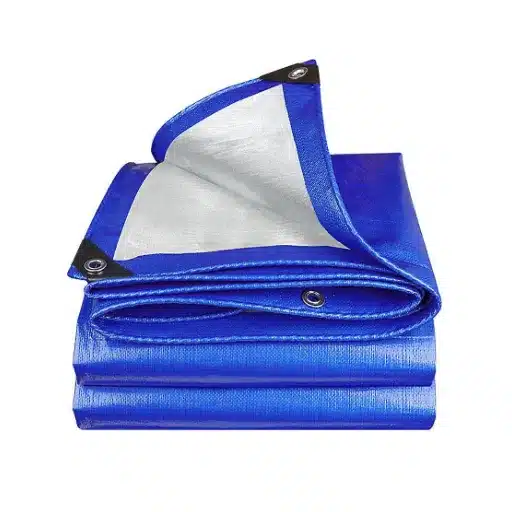
Unmatched Durability Compared to Standard Tarps
To suit better in harsh conditions, abrasion resistance tarps are used since they are far more durable than common tarps, which means they are ideal for use in industry and commercial spaces. Such products out of superior materials and made using sophistication, therefore, serve a very long period providing excellent protection. The following are five detailed characteristics of the unobtrusive designs:
- Enormous Structure Materials: In the cases of abrasion resistance tarps, they are crafted using awnings made of Heavy Duty Polyester Vinyl or polyethylene finished with vinyl. Such materials are capable of withstanding high stresses and still not tearing or piercing the tarps due to their high draw forces.
- Additional Protective Layers: Certain layers such as urethane coating or chemical resistant coatings are found on the surface of most of these tarps. This allows them to protect the inner layers even with direct sunlight, chemicals, and other harsh elements that would otherwise cause failure in conventional type tarps.
- Strengthened perimeters: Most abrasion-resistant tarpaulins have reinforced edges made possible via strong sewing and trade grommets. This mechanism minimizes wear or tear on pressure points, augmenting structure longevity for heavy duty purposes.
- Thermal Functionality: The abrasion resistance feature in most tarps has imposed a need for adaptability to a wide range of temperatures, from freezing to hot conditions.. is such a characteristic s made convenient for diverse sectors of industrial applications such as in construction or farming.
- Promise of Best Results: Due to elaborate assessments and compliance with global standards such as the ASTM (American Society for Testing and Materials) or ISO certification, abrasion-resistant tarps are ever guaranteed. They last much longer than conventional tarps by retaining their protective qualities after a repeated number of cares.
In practice, these functional characteristics mold abrasion-resistant tarps as the better option for lengthened and continuous undertaking whenever durability besides safety and reliability are deemed necessary, practical and in any respect, considering abrasions.
Waterproof and All-Weather Performance
Tarps, unlike other types of covers that are used for wet weather, are designed to be more efficient and functional in terms of waterproofing and all-weather capabilities. Such properties are achieved only due to the application of highly specialized environments conducting bodies design that keeps away water, amiable the variations of temperature with ease, and long sun exposer and wetness without coming to ruin. Five key aspects of these features are explained as follows.
- Hydrophobic Films: A special kind of films applied to the underside of these tar new development is one of the coating utilization synthetic layering that guarantees that in case of exceptionally eyewear there is no penetration of water.
- Anti-Ultraviolet Levels: Made with materials capable of withstanding the roughest of sunlight that is, they do not warp when exposed to sunlight for long periods.
- Endurance To Temperatures: These flexible performance materials used in tarp manufacturing are especially in demand because they can withstand varying temperatures, including freezing conditions or at extreme heat above 120°F, while still being flexible and efficient.
- Anti Mould and Mildew Finish: Hence, protection against or prevention of such conditions is possible because of the materials and the way they are made as they contain polymer products and additives within the material that do not promote growth.
- Windproof Technology: Grommets and stronger edges maximize their windproof technology as they keep the tarpaulins firmly in place even when there is a storm or strong wind.
It is such features that set the standard for abrasion resistant tarps against waterproof tarps or all weather outwear for many applications where performance and durability are required.
Cost-Effectiveness Over Time
Advancements in material sciences as well as technological improvements particularly in layering techniques have enabled the production of abrasion resistance tarpaulins that will generally last longer than the others would by far. Although some of the layered tarps still cost more than conventional tarps, some layered tarps and/or structures that are produced effectively and carefully especially after an attempt that failed two decades ago are very efficient in the long run. The following are some of the constituents that make such cases economical:
- Lifespan: Durable designed abrasion resistance tarpaulins are made with a special kind of fabric that requires less replacing. Take for instance tarps made from polyethylene, which have an average ten years against one to two years for ordinary ones.
- Cost cutting from maintenance: Such cases are repaired or cleaned less frequently as they are designed to withstand water, UV rays, and mold growth thus lowering the cost inglvement in routine cleaning or damage repair.
- Preservation of Assets Underneath: Without discussing the specifics of design, it is worth mentioning that high-performance polyester-based tarpaulins protect equipment or materials from damage due to weather, trash, or even rain. In this case, it could be argued that such coverings reduce machinery repair costs by 40%.
- Design Application Has Broad Boundaries: Coverings with such properties changes every notion of application. Any of such tarps can be used either for protection against water or wind as well as for ultraviolent rays protection. They limit costs in this manner.
- Energy Efficiency in Temporary Shelters: Where structures are put up temporarily, abrasion-resistant tarps improve the insulation effect, thus minimizing energy losses. Reports have shown that such insulated sections controlled with abrasion resistant covering only utilize up to 30% of cooling or heating energy compared to that of non-insulated versions.
All these factors collectively prove that the abrasion resistance of a tarp provides a great economic advantage, and is profitable to use for a statistically significant period.
What to Look for When Purchasing Tarpaulins
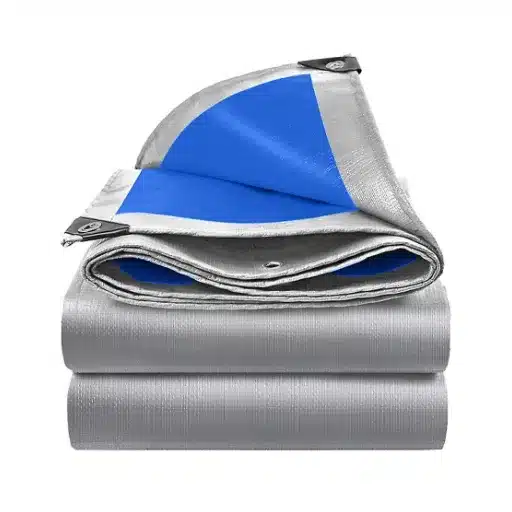
Key Features of Heavy Duty Tarps
When buying heavy-weight tarps, several aspects need to be considered before making the final purchase for the most optimal functionality for the purpose it is meant for.
- Construction and Raw Materials: The majority of the heavy duty tarps will consist of strong fabrics such as HDPE, PVC, canvas etc. The most preferred tarp among builders is HDPE as it is light-weight but durable against wear and tear. On the other hand, PVC tarps are more preferred as a result of their water resistance as well as high temperatures. Canvas tarps are used on the other hand in cases where breathability is important, and mildew and mold are not good.
- Thickness and Weight: The thickness of the tarp which is usually given in mils, which is one-thousandth of an inch, helps to show how tough the coverings are. Heavy duty tarps are found in 10 to 20 mils thick covering and 6 to 12 oz per square yard in weight. This thickness causes stronger ability to resist cutting and piercing effects.
- UV Resistance and Coatings: Sun degradation from exposure can cause fading, cracking, and even degrading. Hence, good quality tarps contain UV-resistant additives or special coatings to prevent this and are best to use outdoor activities in high UV-prone conditions.
- Grommet Strengthening and Reinforcing: The grommets that are used to fix the tarps should be made of non-rusting materials such as brass or aluminum and distributed at specific places for better tensioning of the tarp. In addition to the above, the grommets for everyday use have reinforced edges to prevent the tarp from tearing due to stress in the tensioned areas.
- Properties of Water and Weatherproofing: In most cases, impregnable tarps are completely waterproof and can withstand heavy rain, snowfall and strong winds for a significant period of time. Moreover, their edges are sealed by heat sealing or sewn with double layered stiches to provide better resistance to weather.
- Rugged and Durable: The multi layered construction or the usage of rip stop woven also increases the abrasion resistance of the tarpaulins to puncture, damages or tear making them more appropriate for use in rough and demanding field such as construction or transportation.
- The Ability to Withstand Heat and Coldriges: For harsh temperature ranges, the range of tarps available is operationally between -20°F (-29°C) and 180°F (82°C); this confers resistance to weakening of the material even under adverse conditions.
- Fungicidal and Mildew Properties: To inhibit the growth of mildew or mold, which is very necessary for canvases used in very damp or wet environments, there are ways to fuse the anti-fungal treatments into the fabric of a tarp.
In making a choice of heavy duty tarps with these key features, be rest assured that you are getting a product that will surpass all the expectations for many years to come, while not only enhancing the appeal but also surface performance of the tarp.
Choosing the Right Thickness and Material
When assessing the appropriate gauge and substrate of heavy duty fabric tarpaulins, the specific requirements associated with my project come to the fore. Demanding calibers are required in scenarios such as building or industrial applications where the designs will be wearing tarpaulins in excess of 20-30 mils. Increased thickness is prone to minimizing any reactivities with respect to tension making it impossible for it to tear or be pierced. Nevertheless, for light applications e.g. covering outdoor furniture, a thinner, about 10 to 15 mil thick is enough for these applications.
Material selection is another important consideration that I take into account because the type of material should meet the purpose and environmental conditions. For instance, I prefer applying polyethylene tarps that are light and waterproof wherever excellent protection from moisture is required. On the other hand, PVC tarps are more flexible while enhancing their abrasion resistance, which turns them suitable for exposure to rough terrain or under the elements for extended periods. Treated canvas tarps are particularly soft and tough, which is advantageous whenever water resistance is required sans compromising on breathability.
In the end, my choice of the thickness and material of the tarp depends on the intended purpose of the material use and its characteristics. I look into the performance of the tarp and also the cost of the tarp in relation to all factors such as ultraviolet rays, weight carrying power and use any sharp objects to working surfaces. This ensures that the correct tarp is selected in terms of performance and cost. Different analysis method is in terms of time solicitation which is advantageous in terms of performance and preserving such a tarp in use.
References
-
Academia.edu: Studies on tensile and tear fracture of the S8210 tarpaulin
This study explores the tensile and tear properties of PVC-coated tarpaulins, highlighting their resistance to environmental factors. -
North Carolina State University: Poultry Waste Stockpiling Methods: Environmental Impacts
Highlights the use of vinyl tarps with high abrasion resistance and tear strength for environmental applications like stockpile coverage. - Click here to read more.
Frequently Asked Questions (FAQ)
Q: Could you explain what an abrasion resistance tarp is and what makes it distinct from the usual ones?
A: Basically, tarpaulins that have abrasion resistance are protective covers which are either created for heavy duty purpose or just made not to be vulnerable to abrasive wear and tear. On the contrary to the ordinary polypro tarpaulins, in most cases, such tarpaulins are built of more robust fabrics with thicker weaves, stated webbing, tight seams that are cuffed in double stitching and in some case using fabric with certainly stiffer grommets or metallic ones to maintain their functionality in industrial or external conditions.
Q: Can we declare that tarpaulins that offer protection against abrasion are all-weather?
A: Yes. The design of abrasion resistance tarpaulin products is harmful, which focuses on out-of-shelter use and extreme conditions where there is little sun, too much waiting and people may throw a fit because of climatic disparities. A lot of them feature hemmed finishing and heat-bonded edges so that the tarpaulins are impossible to toss up in wind and rain even on rough circumstances such as at workplaces doing building works or awning structures and covers.
Q: Can abrasion resistant tarpaulins be customized for specific projects?
A: Yes. Many companies manufacture and sell custom tarpaulins or make these to order. You can order tarps of specific dimensions, with hems multiple times folded and stitched, added d-rings, heavy-duty denier fabric, or in case of coatings to ensure that these are job-site skewed, suitable for canopies or guards that come in handy in extreme conditions of use.
Q: How durable are these tarps — will they withstand the toughest conditions and rough environments?
A: These types of tarpaulin that are abrasion resistance are made not to get damaged. It’s the clearest, 20 years and above, including double stitched lines with reinforced webbing on the corners. Those tarps are made to last for quite a while even in the murderous conditions of construction, other harsh industries and under the protective shade or harsh weather as protection outside surfaces.
Q: Is there any particular advice on how to keep the tarps abrasion resistant in good shape?
A: Tarps should be cleaned frequently to prevent dust and particles that cause abrasion, used with caution around sharp objects, and stored in dry places and away from the sun when they are not being used, for long service. Check the condition of the brass grommets, D rings and hems, and make necessary repairs or add reinforcements to any double stitched seams that show signs of wear. Taut tie-downs and restrained anchoring eliminates flapping which promotes mechanical wear and tear.
Q: What uses of a canvas tarpaulin required it’s abrasion resistance – industrial tarpaulins in addition to that for heavy components outdoor?
A: Construction Covers, Heavy abatement work using vehicles, Machinery with protective layers, Outdoor shelters and Industrial purposes where the equipment and therefore the tarp is constructed to be manhandled and stored under rough conditions. Equally tarpaulins are also made for use in challenging performance conditions and have immense ability to endure considerable abrasion and wear over time.