
Cold Crack Resistance: Low Temperature Performance Guide
The following guidelines focus on the explanation of cold crack resistance with regard to PVC tarpaulin as well as functionality in outdoor usage and the effects of specific materials on the projects you undertake. If you do not want your equipment to be ruined in subzero temperatures and you wish to have all the functions of your equipment designed to withstand such conditions, then you have come to the right place.
Understanding Cold Crack Tarpaulin
What is Cold Crack Tarpaulin?
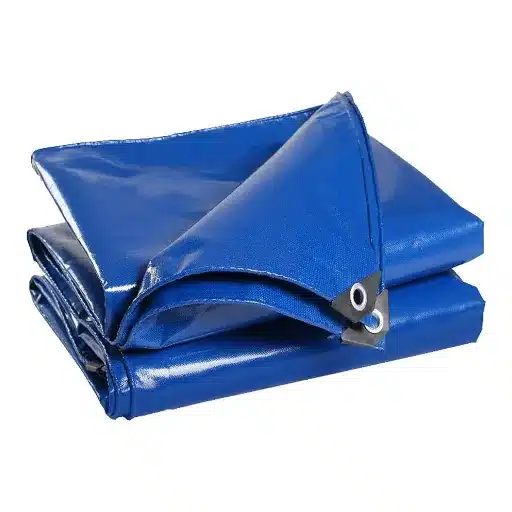
The design of cold crack tarpaulin ensures that it would remain in good shape even when the temperature goes extremely low. A standard tarpaulin sheet is prone to cracks when subjected to temperatures below the freezing point since it loses its flexibility to become hard and easy to break. On the other hand, cold crack tarpaulin is enriched with specific plasticizers in addition to other additives that prevent the sheet from becoming hard in subzero temperatures. This innovative blending of structures makes double sure that the sheet does not get fractured even if the temperature is way below zero degrees, ensuring that such plasticating materials are usable for exterior applications in severe cold weather.
Cold Crack Rating: The most telling feature of cold crack resistant tarpaulin is the temperature limit beyond which it becomes brittle and cracks. Good cold crack tarpaulin should be able to withstand at least -30°F (-34°C) and in other cases even cooler temperatures depending on the type and production technique.
Tarp with cold crack resistance is utilized in many sectors from agriculture to transport and construction. This is particularly because of the fact that it is used in making covers for equipment, trucks, and even storage buildings to prevent ice and snow build-up. Further, the same material is ideal for banners, tents, and any other forms that are made and used in cold regions. By investing in cold crack tarpaulin coverings, it is possible for companies or any person to reduce any possibility of material weakness and expect longer lasting shielding measures under harsh winter weather conditions.
Material Composition of PVC Tarpaulin
Amongst the numerous types of available tarpaulins, one of the most commonly used materials is known as PVC. PVC, as a material, basically makes use of a medium weight polyester fabric which is thereafter coated with a thermoplastic known as polyvinyl chloride. Polyester is an integral ingredient within the base material and it guarantees demanded strength and durability. This material possesses a coating of PVC polymer and the role of such a coating is to break down the strength of the environmental forces including the Ultra Violet rays, wet conditions and severe weather in a positive manner.
Key Additives in PVC Layer:
- Plasticizers to impart flexibility
- Protective agents to coat the fibers
- Fire resistance additives in some cases
The content of this product varies due to its application. For example, cold crack resistance tarpaulin which has been manufactured for usage in temperatures below zero degrees Celsius may have special plasticizers and some form of support in order not to crack at all. This flexibility renders PVC tarpaulin suitable to industries where heavy duty and weather-proof materials are pivotal, namely construction, transport, and agriculture.
How Cold Crack Resistance Works
A PVC tarp’s cold crack ability is improving for the sake of the material not becoming brittle causing failure when placed under cold conditions. The working mechanism of this ability is that plasticizers are added into the PVC that offers the necessary flexibility. Due to the plasticizers, the glass transition of the tarpaulin is lowered so even in negative climates, the material remains flexible without turning into a hard, brittle state.
Plasticizer Addition
Lowers glass transition temperature for flexibility in freezing conditions
Polymeric Reinforcement
Enhances structural toughness and distributes stress concentration
Advanced Coating
Superior technologies maintain flexibility at very low temperatures
Testing substantially contributes to the assurance of cold crack resistance. Methodologies have been standardized like ASTM D2136 in order to assess the performance of materials, carry out samples bending and samples impact in temperatures where there is freezing. These standards are very strict so that when a product is prepared to PVC tarpaulins threshold levels, it is able to perform its task in any demanding climatic conditions.
Benefits of Cold Crack Tarpaulin
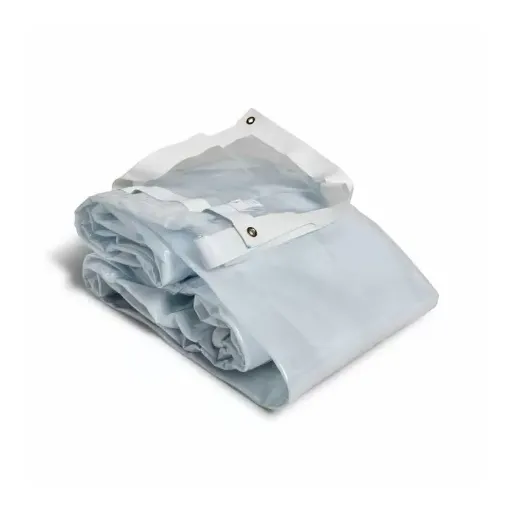
Durability and Longevity
Cold crack tarps are meant for heavy-duty purposes since they are long-lasting. The durable nature of cold crack tarpaulins is evident as they offer the following functions, all of which point to their ultra-long service life:
- Cracking at Freezing Points Prevention:
Cold crack tarps can easily bend without breaking under temperatures up to -30°F (-34°C) and below because of ASTM D2136 tested compliance. With improved technology, the canvas can preserve these properties even at lower temperatures without breaking, hence remains usable even in environments where temperatures could be less than zero. - Sun and Weather Proof Coating:
Coatings applied on material fabric are filled with ultraviolet and weather stabilization preventing weathering when exposed to elements like sun, water and snow over long periods of time. This extends the amount of time they can be used in even the most severe situations outdoors. - Abrasion Resistance:
The materials with stronger layers or coating very well cut down the damage that may be caused by friction, or even when the materials are being carried around. In this respect, tarpaulins are more suitable for industrial or transit purposes. - Tensile and Tear Strength:
These parameters are related to the ability of the cold crack tarpaulins tested according to ASTM load performance standards to resist significant strain without damage. Such capability is especially important while operating with wind loads, tension, or any other types of loading. - Chemical Resistance:
Such tarpaulins in many cases are designed to resist oil or chemically active agents that would otherwise degenerate the materials. This property helps prevent the degradation of such tarpaulins even in cases where it is used for industrial purposes or storage areas.
With these applications, cold crack tarpaulins in the market prove to be efficient and long-lasting in extremely difficult environmental and working conditions.
Weather Resistance in Extreme Cold
Cold crack tarpaulins are designed especially to withstand harsh conditions of cold weather and serve the purpose of extremely cold temperatures. These possibilities are achieved by the materials’ special chemical structures and production processes that allow damage-free and precise manipulations even in severe weather conditions. Below are five main features that enhance their weather resistance while used outdoors:
Flexibility in Cold Temperature
These tarpaulins do not lose their flexibility at even freezing temperatures such as -40°F (-40°C) such that there is no cracking or brittleness.
Increased Elasticity
Materials applied are very elastic so that any stretch or strain in cold weather will not result in tearing or deformation.
Hydrophobicity
Cold crack tarpaulins can neither get wet nor let any water in which inhibits freezing and destroying of the underlying materials.
UV Protection
UV exposure remains an issue even in cold climates. Special tarps have UV stabilization technology that prevents color fading and material weakening.
Abrasion Resistance
The coating and canvas are very difficult to wear out even in harsh scenarios, making them excellent for long periods where heavy loads may batter them.
Waterproof Features of PVC Tarps
PVC tarps provide better waterproofing and are hence very efficient for many purposes. The mentioned features clearly indicate the performance of different products towards water:
| Feature | Description |
|---|---|
| Durable PVC Finish | These tarps are covered with PVC, a polymer that doesn’t let water pass through it even if it is submerged in water. This protective layer forms a waterproof film over the fabric preventing any type of leakage, damage or infiltration of water to the fabric surface. |
| Welded Seams | Welding seams are often opted where seams may be sewed in other tarpaulins. Welded seams render a seal that is intact and reduces the chances of any water to spill out through the seams, even in instances where it rains heavily. |
| Water Pressure Resistance | Companies that manufacture PVC tarps give a rating for the wear resistance and water penetration of the fabric used in their products. Any kind of threat from water—rain, snow, even ice—is resisted by this fabric. |
| Mold and Mildew Resistance | The tarpaulins being waterproof also means that the tarpaulins would be impervious to water, so overall the possibility of them growing molds and mildews is very minimal. This further enhances the ability of the product to offer service even in rainy or winter seasons. |
| UV Protection for Waterproofing Layer | Most of the PVC tarpaulins come with UV enhanced waterproofing layers. Available features do a fantastic job at preventing leaks and keeping the waterproofing layer intact when it is overexposed to sunlight. |
These characteristics make PVC tarpaulins fit for agricultural, industrial and domestic waterproofing needs even in hostile weather conditions.
Applications of Cold Crack Tarpaulin
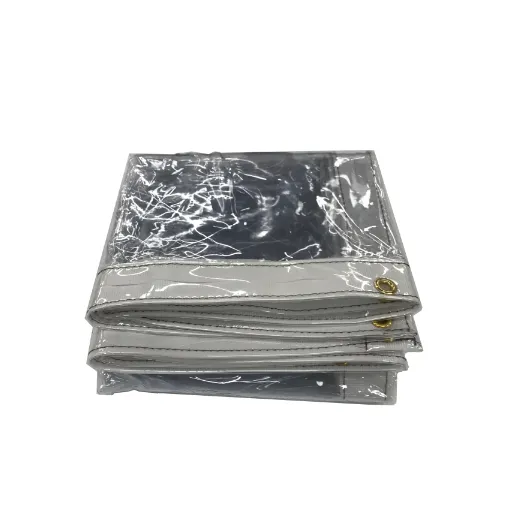
Common Uses in Various Industries
All-weather waterproof tarps also have cold resistance, and this feature makes them useful in areas where such characteristics are most needed:
Transportation and Storage
Cold crack tarps are commonly used for loading and unloading cover. Very useful in covering and containing cargoes, trailers or truck vehicles loaded with goods during winter conditions, preventing stress cracking and leakage or breakage of the cargoes. These tarpaulins do not become brittle and remain very flexible even at low temperatures.
Agriculture
Agriculturists make use of cold crack tarps to protect plants, farming equipment and hay bales from frost. Such materials do not break easily because of cold temperatures making them very suitable for shielding delicate crops and machinery components that may come in contact with winter elements.
Construction
In the course of construction works, materials such as cement, lumber, and scaffolding require covering, a purpose to which these tarps are critically suited. The tarps’ performance is not compromised even when temperatures fall to freezing point. Cold crack tarps are also used for short-term spaces meant to conserve warmth while working.
Outdoor Leisure Activities
Cold crack tarpaulins are mostly used in outdoor social gatherings that take place in cold seasons. They help in providing strong shelters, stage tops, and equipment encasements that are not possible with ordinary materials.
Relief Operations and Emergencies
During hurricanes, earthquakes and other emergencies, cold crack tarpaulins are used to provide temporary roofing and barriers for warm dwellings. Their ability to withstand extreme cold plays an important role in operations occurring during winter seasons.
With strong materials and manufacturing processes, cold crack resistant tarps provide many of these industries with a reliable solution that can ensure durability and safety over time even in adverse environmental conditions.
Outdoor Protection During Winter
Tarpaulins specially manufactured for resistance against cold crack fractures have been developed to stand out because of the materials used in such cases that extreme sub-zero freezing does not make them brittle or change state. This quality performance is obtained because of special polymers based on PVC and/or PE, which have also been modified to enhance their elongation to levels even below the freezing point. Ordinary tarp fabrics become fragile and easy to tear in very cold environments, a problem that is solved by the cold crack rating of coatings that are designed to remain functional at -40°F and below.
Real-Life Applications:
- Supply chain in cold weather conditions: tarps allow transported cargo to be insensitive to freezing temperatures
- Construction: helps prevent damage to semi-finished or unfinished structures when temperature falls below zero degrees Celsius
- Empirical research shows cold crack-resistant tarpaulins retain tensile properties up to and above ninety percent in cold conditions
The use of cold crack tarpaulins at institutes that operate outdoors is a healthy move. These technological solutions not only secure the thermal resistance which is very much needed, but also proven efforts in terms of coverings’ lifespan, keeping them free from constant change for breach in cold conditions.
Heavy Duty Applications and Performance
Cold crack tarpaulins are designed to endure extreme operational environments. Each layer of their structure resists damage, even when subjected to high tensile loading. They make most sense when used in heavy goods transport, construction or even agriculture. In such extreme conditions, prolonged logistics tarpaulin helps in protection of goods from excessive cargo exposure.
Performance Highlights:
- Temperature Resistance: Capable of withstanding extremely cold temperatures that easily reach -40°F without splitting, as evidenced by laboratory tests
- UV Protection Enhancement: UV protective additives mitigate UV degradation of the material by more than 30% when compared to conventional tarpaulins
- Tensile Strength Preservation: Capability to preserve tensile strength even when exposed to thermal loads with continuous cycles
- Agricultural Benefits: In agriculture where these tarpaulins are used as covers for silage, degradation decrease leads to up to 20% reduction in spoilage of stored feed
Combining scientific advancement with real-world application in a temperature-induced environment, cold crack tarps offer a new era of expected behavior in demands-based performance.
Choosing the Right Cold Crack Tarpaulin
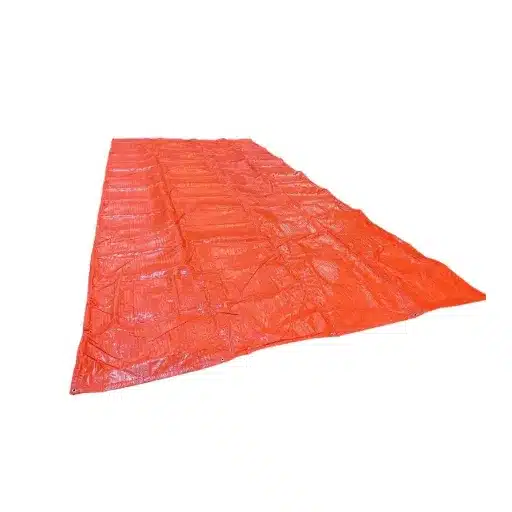
Factors to Consider: Thickness and Temperature Rating
One of the primary aspects to consider when choosing cold crack tarpaulin is its thickness since it would imply the material’s performance and robustness. Usually, when the tarpaulin is thicker, the capability to work without tearing, puncturing or cold exposure breaking for long is increased. The additional thickness is measured in mils that is the average thickness of a thousandth of an inch; commercial tarps are normally found in 10 or 20 mils depending on the intended usage.
Thickness Selection Guide
10 mils
Light-duty applications
20 mils
Heavy-duty applications
-40°F
Arctic temperature rating
Another essential characteristic of a tarpaulin is its temperature rating, which indicates the extent to which it can be used at low temperatures. Current generation tarpaulins that are fabricated from advanced polymers combined with a reinforced mesh are able to withstand arctic temperatures of up to -40°F/-40°C while still maintaining their bendability and strength. These performance criteria are established by simulating such scenarios through special laboratory work.
🔍 Important Considerations:
- Structural performance increases as thickness increases
- Risk of material failure due to crazing in cold environments is reduced with proper thickness
- For reliability purposes, always choose brands verified by independent bodies like ASTM
- Understanding operating conditions is crucial for selecting appropriate thickness levels
Comparing varying thickness levels with corresponding temperature levels is important, especially in the case of the need to balance ease of movement with protection. Thicker tarpaulins limit movement and transport convenience, which is not the case with thinner material, but such materials are known to possess lower resistance in cold weather. Most modern cold crack tarpaulins use composites of different materials and proprietary coatings which address this design challenge. All parties involved in the procurement process must review technical specification sheets and make a decision most appropriate for the particular use case.
Evaluating UV Resistance and Durability
Resistance to ultraviolet light is an important issue in terms of the durability of tarpaulins, particularly where their use requires exposing them to direct sunlight for extended periods. Since ultraviolet light leads to the breakdown of polymers making up the material, degradation can occur, leading to aspects such as brittleness, discoloration, and lower tensile strength. Avoiding this involves incorporating ultraviolet light inhibitors with the tarpaulin during production. The rays themselves are absorbed or converted or masked for a while, thus preventing destruction of the material by fatigue with time.
| Evaluation Factor | Key Points |
|---|---|
| UV Stabilizer Type | Type and quality of UV inhibitors incorporated during production |
| Material Composition | High-performance polyethylene (HDPE) and polypropylene for low wear tendencies |
| Testing Standards | ISO-4892-2 for artificial aging, ASTM standards for tensile strength |
| Durability Factors | Abrasion resistance, puncture resistance, microorganism resistance |
Prediction of the expected life span and identification of conditions of use is predicated on the performance results of UV accelerated aging of the constructs in specific UV aging chambers at certain temperatures. Optimization of UV protection and longevity introduces cheaper, more efficient, and reliable systems for operation over a long period of time.
Specific Use Cases: Insulated vs. Standard Tarps
Insulated tarps are ideal for temperature-sensitive applications, while standard tarps are suited for general protection against weather and debris.
| Aspect | Insulated Tarps | Standard Tarps |
|---|---|---|
| Purpose | Temperature control | General cover |
| Material | Multi-layer | Single-layer |
| Use Case | Cold storage | Construction |
| Durability | High | Moderate |
| Flexibility | Limited | High |
| Cost | Higher | Lower |
| Weatherproof | Excellent | Good |
Maintaining Cold Crack Tarpaulin
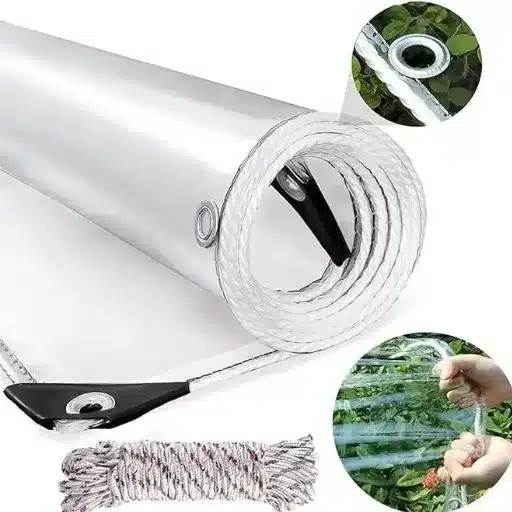
Care Tips for Longevity
If the tarp is made out of cold crack vinyl, then it is important to maintain it for the long-term, particularly in extreme conditions. To avoid quick deterioration, it is necessary to clean the material regularly. This can be achieved by gently washing the tarpaulin with mild soap and warm water, which works to remove dirt, debris and chemicals. Do not use cleaning agents that are very harsh because they will also damage the material. Once the cleaning is done, ensure that the tarp is completely dry in an area with adequate air circulation before storing it away to avoid growth of mold or mildew.
Essential Maintenance Practices
1. Regular Cleaning
Wash gently with mild soap and warm water to remove dirt, debris, and chemicals
2. Proper Storage
Store in a space with moderate temperature and moisture levels, away from sunlight
3. Roll, Don’t Fold
Store in a compacted roll to reduce tension and eliminate fold lines that can crack
4. Regular Inspection
Check for tears, worn areas, or exposed seams and repair promptly
Providing the cold crack tarpaulin with such care tips makes it still usable and able to offer protection should extreme conditions arise. It is cheaper in the long run since proper maintenance practices will not prompt replacement all the time.
Storage Recommendations for Winter Tarps
Storage of tarpaulin covers in the best prescribed manner is necessary to ensure that their longevity as well as effectiveness is maintained. Firstly, make sure that the tarps are clean and dried off completely before storing them. Moisture within the fabric can cause molds that can eventually damage the fabric and limit its usability. Clean the surface from dirt, stains or impurities using soft cleaning detergent and a soft-bristled brush and rinse it with clean water. After this, dry washed tarps thoroughly. Do not store wet tarps as they tend to emit a smell after some days and could even tear due to cold crack in winters.
📋 Pre-Storage Checklist:
- Clean thoroughly with soft detergent and soft-bristled brush
- Rinse with clean water to remove all soap residue
- Dry completely in an area with good air circulation
- Roll loosely rather than folding to prevent creasing
- Store in cool, dry place away from direct sunlight
- Use waterproof bags or containers for added protection
Storage of tarps should not involve folding or cramming them into a small space, since under this kind of practice it can easily become creased and the material may end up deteriorating, most especially in the case of cold crack tarpaulins. A better alternative is to roll the tarps in a loose manner whenever possible, and this will ensure that there will be no points that will bear pressure and the material will not change shape. It should be stored in a cool and dry place, away from the rays of the sun, as they would damage the tarp’s protective coating.
💡 Pro Tip: Regular assessment of stored covers is needed to check for wear and tear or damage due to pests, humidity and environmental conditions. Regular inspections will allow the detection of problems at an earlier stage, which may include repairs for small damage or addition of coatings, as appropriate.
When you follow the above instructions for caring and storing your winter tarps, they will be kept intact and operational ready in extreme conditions for longer period of time. Such precautionary methods help to minimize losses and also help in protecting usage without having to replace the items frequently.
Repairing Minor Cracks and Damage
Caring for winter covers properly means that minor cuts and other such impairments must be addressed immediately to prolong and enhance their service. These micro cuts and surface scratches can grow quickly as a result of extreme cold crack conditions that may include the tearing of the fabric. The process of mending should begin with an examination of the area that is disturbed. This means that the surface is subjected to washing done with a solution of simple cleaning agents in water that may remove clinging dirt or inhibit adhesion. Leave the tarpaulin out long enough for it to be completely moisture dry, because repairing it while it is still wet is not recommended.
Repair Process for Minor Damage:
01
Clean the Area
Wash with cleaning solution and let dry completely
02
Cut Patch
Cut patch 2 inches larger than damage on each side
03
Apply Patch
Press with roller to remove air and ensure adhesion
04
Temperature Check
Repair in ambient temperature 10°C to 21°C
For Severe Damage (Large Tears or Weakened Seams):
- Sew all parts of tear using heavy polyester or nylon thread
- Treat sewn parts with waterproof adhesive or tarpaulin sealer
- This overlapping fixing provides more strength and coverage
- Regularly inspect and restore adhesive layers in these areas
Care and maintenance of the tarp should be concentrated on damaged areas ensuring no cold crack is developed by regularly inspecting and restoring the adhesive layers from time to time.
References
- In a Tent, Under a Bridge
This document discusses the use of tarps in cold environments and their durability under harsh conditions. - Click here to read more.
Frequently Asked Questions (FAQ)
Q: What is a cold crack tarpaulin and how is it different from the rest of the tarpaulins?
A: A cold crack tarpaulin is an outdoor material specifically designed for use in environments where it can snow and remain outside during blistering temperatures, preventing it from shattering. Most tarps that have weatherproof plastics do not have the usual coating, and rather these cold weather tarps aid in holding their shapes as they maintain flexibility when icy temperatures are present.
Q: Is it possible to use cold crack tarpaulins in order to shield construction areas?
A: Yes, it is common practice to use cold crack tarpaulins in construction activities so as to provide safety for building materials and other equipment. People use them as concrete curing blankets for construction protection and other lasting covers against snow or frost and maintain the temperature at the desired levels, curing the concrete and providing sufficient protection from cold conditions and winter storms.
Q: Would cold crack tarpaulins be one of the appropriate choices in winter camping and outdoor gear?
A: Especially when winter camping and living outdoors, cold crack tarpaulins do come in handy as durable outdoor tarps that offer protection from heavy snow or ice. This is well-enhanced in high quality UV resistant versions which provide insulation for camps and act as floors as they shield the surfaces beneath them even when it gets freezing cold.
Q: What are the features of a cold weather tarpaulin that help prevent it from cracking?
A: This is most times achieved by using PVC resistant to chemicals with high concentration of plasticizers and UV stabilizers in order to be able to use it even at low temperatures. It is also engineered to be cracking and tearing resistant, so the tarps remain functional and beautiful when used in the snow and across harsh winters.
Q: What are the considerations to be made when selecting a cold crack tarpaulin?
A: There are a few requirements to consider such as material (sturdy PVC or heavy grade poly), UV stabilized ratings, tensile strength, minimum and maximum temperature capabilities, and whether the tarp works as a concrete curing tarp. Such specifications assist in guaranteeing that the tarp will render the performance it promises to achieve even if covered in ice cold snow storms of winters.
Q: How helpful are transparent tarp and clear PVC in cold crack tarpaulin applications?
A: Transparent tarps and clear PVC provide not only enclosures of good quality but also for farmers’ smaller structures and greenhouses. Although, not all clear vinyls are designed to withstand cold weather. For protection against extreme weather, clear PVC cold crack tarpaulins must be constructed with a relevant formula and some anti-UV stabilizing chemicals where freezing forces do not shatter the clear tarps.
Q: Should acceptable snow load levels and ice weight in cold crack poly covers be considered?
A: Unlike usual tarps, cold crack tarpaulins are not meant to hold weight such as those of ice and snow; they employ light shielding capabilities to shed snow and water. Continual exposure to heavy snow load shall lead to collapse without augmentation to the tarps, or choice should remain within design structural tarps.
Q: Where can I buy cold tarps that are durable?
A: Besides industrial tarp suppliers, specialty outdoor retailers also sell high-quality cold weather tarps. When reviewing product descriptions, don’t buy anything without checking specifications including but not limited to UV resistant ratings, temperature tolerance, and whether it is a fire retardant winter tarp.