
Airbag Coating Line: Equipment Guide & Investment Analysis
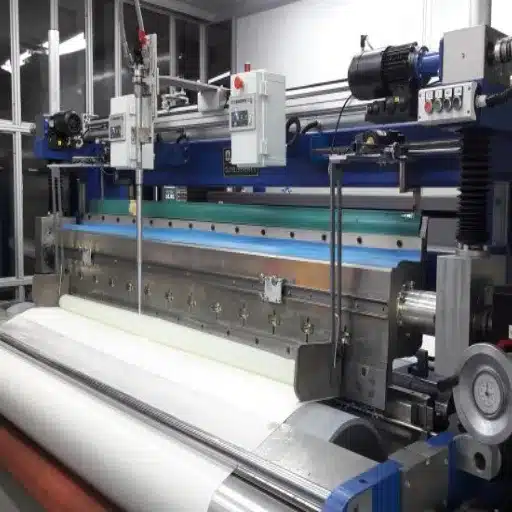
A production line to coat airbags is a constant chain of paint application system of automobile safety textiles. Auditing a typical car finishing line, we simulated meter ranges of 30-80 with sequences such as unwinding, coating, ranging, coating, drying, cooling and collector reeling all coupled up in one crane.
Raj Patel, procurement director of a second-tier auto parts manufacturing firm, has already requested three configuration quotes for airbag coating lines from 2.1millionto2.1millionto7.8 million, and it is described by various identical functions. Each of the suppliers indicated the availability of the identical design of their equipment: web widths, drying capacities, and line speeds. But what’s more essential are the designs used by these two equipment providers since one of these might help fulfil, in eighteen months Consolidated, the OEM capacity volume or one will not manage to do it in the first quarter.
Regrettably, each and every professional in the field of industrial coating equipment has recognized and come to accept as a part of industry practice what this pain which is a result of such realistic operational parameters is. For some manufacturers, making a machine that provides high throughput, high yield, or low total cost of ownership is a matter of both installing a system and making the system arise from scratch.
The current document will give basic details concerning how conventional airbag coating lines operate, what are the key targets at different production levels, examples of how to implement this evaluationcorrectly. You will walk through the details of how every major system works, discuss the advantages and drawbacks of silicone and some other coating methods without the clutter of propaganda apparent when the uses over the years are highlighted, use productivity figures across several factories in this case The cost and use factors shall be estimated based on average cost of materials and labor for comparative analysis’ purpose.
Key Takeaways
- A modern airbag coating line integrates six core functions, unwinding, tension control, coating, drying, cooling, and rewinding, into a continuous workflow typically 30–80 meters long.
- Silicone coating dominates the airbag market for its heat resistance and deployment smoothness, though neoprene and water-based alternatives serve specific applications.
- Production capacity ranges from roughly 0.5 million m² annually for pilot lines to 20+ million m² for full OEM-scale systems.
- Total cost of ownership spans 600K–600K–15M depending on scale, with energy, maintenance, and chemical costs adding 15–25% annually to capital expenditure.
- Supplier evaluation should prioritize technical support capability, spare parts availability, and upgrade path, not just initial specifications.
What Is an Airbag Coating Line?
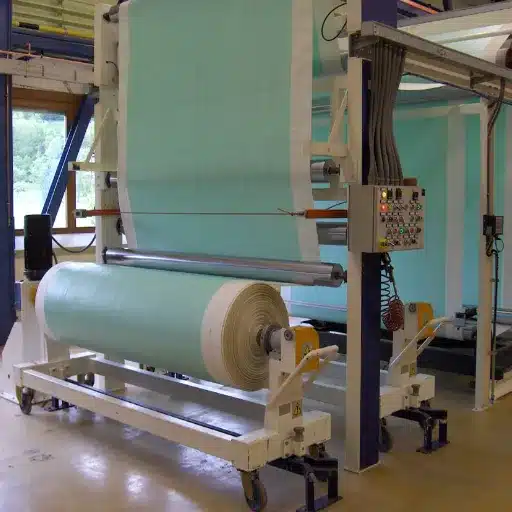
A system is a set of elements that can balance and integrate complex operations to achieve a final answer. Ultimately, many of these can take a number of solutions into account, particularly for more advanced tasks. Restatively, some operations require an unrestricted number of decisions, and this operational thinking system can come out poorly.
The help principles are built to not only just cover the management of the available experts and resources but also- the most important in fact- the help is oriented to mastering the technology, There are other serious grounds to why hospitals should adopt advanced technologies. E-health is growing all the time.
Coating quality and its uniformity play a key role in safety systems including airbags. This is due to the impervia coating that develops uneven regions along the surface in the form of peaks where spraying gas would be retained and unable to fully expand to the required shape. Inherent coating uniformity issues for the fabrication of textile components can become more critical when performance requirements omit shrinkage allowances for any form transferring of the element.
Conventional lines of coating for airbags transfer aforesaid prepared cuttings. In the case of fabric boucle airbags a revolutionary solution enables tailored modifications in the existing lines to make the OPW fabric. In contrast to the conventional bag making, the weaving of an OPW fabric is in three dimensions, with appropriate limits, and so the application of a uniform coating across multiple geometries of the fabric becomes a more challenging task. The requirements of the OPW airbag fabric is significantly different from that of the traditional airbags which are cut and sewed after the manufacturing of the plain fabric.
For procurement managers evaluating the full airbag fabric supply chain, our guide to the automotive airbag fabric market provides additional context on market dynamics and sourcing strategy.
Key Components of a Modern Airbag Coating Line
Unwinding and Tension Control Systems
The unwinding station is the place where the raw fabric is being introduced at the desirable tension levels onto the coating line. High tenacity fabric is usually intended to withstand tension but this is not the case for polyamide – nylon 6,6. Its high tenacity in most cases is destroyed by tension and makes the yarn longer which changes the air permeability of the textile which is an important factor in airbag deployment.
The equipment in current coating lines largely features regimes of dancer roll or load cell tension control. Intermediate roller or dancer roll type has a floating roller, which changes the speed of unwinding in regard to the current load. On the other hand, bearing sensors there are those that work on load cell, which enable tension to be measured directly and adjusted motor control on a fly. Both ways are designed to operate in such a way that the expected tension is sustained within 5% of the set value throughout the diameter of the entire roll from the core through to the surface.
Other systems include edge guiding systems to ensure that the coating is applied in the correct position. This is accomplished by using ultrasonic sensors or cameras that determine where the end of the fabric is and the position of the machine is adjusted visibility. Prior to the material being taken to the coater, spreader rollers and also crease removal bars are used to ensure that all creases are eliminated from the fabric.
Coating Head Configuration
When making a bladder, the surface of the material is dipped using a coater. The coating is a liquid coating applied on the product in a workplace, and more specifically on the medical device. The blade move upward over the roll to dam up the liquid which is called knife-over-roll coating. Therefore, the distribution of coating weight is not such a problem used no backing roll, which led to why cutter bars are used.
In the case of dip coating, sufficiently high levels of the coating on the fabric are managed by expelling a resolution out of the coated fabric in the form of air bubbles or rollers. The directed streaming also combines to narcotize entire saturation, but then more variations in weight arrangements were introduced. This method is commonly used as a means of homogenously depositing a layer on a substrate, be it on cans, bottles, walls, airbags, missiles, ships or even within engine chambers. A further coating can be sprayed from a hopper, or an alternative nozzle may be arranged for narrow coating applications where millimeters thick, even stress free coatings are deposited. Sputtering produces almost no waste of materials and dust which changes the concept of the industrial process.
The device has several advantages over the butt weld type of bonding. Ink trays equipped with doctor blade system for direct gravure consist of an ink chamber for filling the die cavity. To prevent air from being drawn through the hydrophobic outer surface, the bottom edge of the die head is sealed on the coolant plate with a hydrophobic seal. From the coil box the strip goes first over the bridle roll and then into the weaving or laminating machine. The finishing that follows some extrusion processes can be via slot coating as seen in some specially designed co-extrusion units.
Drying and Curing Ovens
The fabric then moves to after being coated goes in a multi-zoned drying oven where it is regarded such that the temperatures typically go from 80° in the first zone, to 180° in the curing zone and then decreases to around 120° for stabilization purposes. The other thing for ensuring that the clothes do not shrink is convection heating where hot air is passed upwards from below so as to dry the clothes with an even rate. Infrared screens can also be used to heat the clothes faster but the control must be accurate so that the cloth does not dry rapidly and form a skin.
There are terrible factors that are associated with using solvent-based silicone coatings as they are evaporative and thus create volatile organic compounds. For this reason, the environmental legislation requires the use of either solvent recovery systems or thermal oxidizers that can trap and reuse the fugitive components. The downside of the waterborne is that it requires less solvents in the coating formulation and this leads to less VOC emissions. However, waterborne coatings takes longer to dry and needs more space having more oven length.
Cooling Section
Cold rolls help extract excess heat from the coated surface in order to ensure that the hot fabric before it goes back to the station is cool enough to handle. Cooling the Ambient air accomplishes this, presumptively also using room temperature to provide a forced cooling atmosphere. In this study for example, thermal tempering of THE top coat into a protective color finish, is perfectly accomplished.
One another cool process section is that, the Cooling section must keep the cloth under constant tension. Clearance in the web temprature causes tension tempering to become cogging.
Rewinding and Inline Inspection
In contrast to unwinding, tension control whilst rewinding varies as here the roll is gaining weight as the line speed remains constant. As the roll grows in diameter an accompanying reduction in the rotational speed is applied to keep the line speed constant.
Within the coating process, there are assessment systems which check the delivered opacity of the coated film. Further to this, Coat weight is put to scrutiny based on the coating thickness and radiation absorption. Pinholing, streaks and other such characteristics that cause optical heterogeneities are pretty recognizable through images obtained from an optical camera. Where the film is the substrate, an automatized marking system is used in so as to categorize the defects on the film for gridding in the defect levels to facilitate slitting.
Proper airbag textile treatment before coating reduces dimensional instability during the rewinding phase. Pre-treatment ensures the fabric maintains its structural integrity through the thermal stress of drying and cooling.
Silicone Coating vs. Alternative Coating Systems

Silicone Coating Line: The Industry Standard
Firstly, PDMS tends to be more common in these applications based on both technical success and cost considerations. Typically, a silicone coating line is slower than that of a general technical textile coating line due to the extended cure times of polydimethylsiloxanes. The first and foremost needs to be the harsh environments during the airbag deployment mostly generated by the inflator which rise up to 300 – 600 degrees centigrade in matter of milliseconds. Secondly, it keeps the inner side of the airbag much smoother thus preventing the requirement of any fabric to fabric contact which will enable bursting of airbag at point of need. Thirdly, the bag can lastly long enough to cater for the passenger’s need, this is because air bombers can now exist since this silicone coat has a way of minimizing the gas infiltration.
Many of the airbag silicone coatings employ polydimethylsiloxane (PDMS) as the base polymer; most applicators formulate their systems in solvent-based variants with up to 60% solids, or solventless 100% solids systems for the most environmentally friendly solution. The silicone coating has a viscosity which lies in the region of 5,000 to 50,000 centipoises as per the coating method.
For a detailed analysis of silicone formulations, curing chemistry, and performance testing, our guide to silicone coating for airbag fabric covers the subject in depth.
Neoprene and Alternative Coatings
Neoprene is commonly used when the cost of silicone is unreasonably high relative to its performance benefits. Nonetheless, neoprene coated materials withstand the relatively high heat in front impact air bags, although they do not perform well under heat cycling tests. In contrast, some car makers specify neoprene in applications with side curtains, where the gas temperatures during deployment are considerably lower.
The waterborne coating system is an alternative to the solvent based one where water replaces the latter. The system has a number of benefits such as reduction of harmful gas emissions and removal of solvent recovery equipment. On the other hand, this system also has certain disadvantages, among which is an extended drying time, thus necessitating additional oven sections and or decrease in operation line speed. UV cured coatings is the newest technology of coatings that can be in place cured in so far. One can note that there are some problems to be solved, concerning practical application of this technology. Although UV curable PU coatings attach to the surface immediately, at the moment it is not possible to find its flexibility and heat resistant which are corresponding to requirements of airbags.
Coating Weight and Coverage Specifications
Sampling weight for side air bag is usually the highest in terms of the weight of 30–50 g/m². Depending on the specific pressure values and unfolding conditions, the weights of the control air bags (siderophores) can be as low as 15–30 g/m². For OPW air bags, the specification of application is given as 20–40 g/m², and It’s evidenced that it is restricted by the fabric type and inflation gas demand.
The technical parameters of the linear velocity, Coating head diameter, and thickness of emulsion are also used to calculate the actual deposited coat contents. This results are brought out by In-line control systems which reduce the deviation within the target weight of the coat to about ±5-10%. The issue of uniformity of application weight over the entire width and length of the roll is somewhat important in terms of obtaining OEM approval activation. If you have any questions or need further assistance, don’t hesitate to get in touch with us.
Production Capacity and Throughput Benchmarks
Line Speed and Web Width
The next upgrade in line speeds is possible with the parameter, the web width of the machine, so are OPW. The largest widths are 2.0 meters. Lines wider than these exist for use in fabric coating. These are especially useful in coating facilities that are included with cutting and metal forming devices like high-speed press machines.
Line speed, coating weight and The rate capability of drying tends to shrink the working range of applications. A line speed of 30m/min and a coating rate of 20g/m2 may need to undergo a decrease to 15m/min and 40g/m2 for complete curing.
Annual Production Capacity by Scale
| Scale | Web Width | Line Speed | Annual Capacity |
|---|---|---|---|
| Pilot / R&D | 0.8–1.0 m | 5–10 m/min | 0.5–1.5M m² |
| Mid-scale | 1.2–1.6 m | 10–20 m/min | 3–8M m² |
| Full OEM | 1.6–2.0 m | 20–30 m/min | 10–20M m² |
According to these figures, it is assumed that work processes are carried out on a 24 hours basis for about 250 days in the given year, whereby the line utilization efficiency is pegged at 80%. Such capacity tends to change depending on how often set-ups take place, when maintenance happens and how much operational waste is allowed.
when David Chen was constructing a plant of Asian tier-2 automotive supplier of average size, he worked out that a 1.5m wide line running at 15 metres per minute could make an output equivalent to 5.4 million square meters per annum. At market price of, 4 – 6, manufactured coated airbag fabric per year, could slightly justify 25 million in annual revenue for the initial 4.2 million dollar facility edifice.
Downtime and Efficiency Factors
Changeover between coating types requires 2 to 6 hours depending on cleaning requirements. Scheduled maintenance windows typically consume 5–8% of available production time. Startup waste, the first 50 to 200 meters after a stoppage, often falls below specification and must be scrapped. Mature operations target an Overall Equipment Effectiveness (OEE) of 75–85%.
Quality Control Integration on the Coating Line

Inline Thickness and Coating Weight Measurement
For coating weight measurements, beta gauges and XRF systems are available that are positioned at a distance and do not come into contact with the surface, the web is scanned with these equipment and a continuous profile is generated. The coating head gap or blade pressure is corrected as a result of real-time feedback loops that are incorporated into the process.
For every fabric meter that is produced, data logging systems can record the coating weight, temperature, and tension. Traceability is a must have for the automotive OEM audits and ISO 9001 quality management system implementation.
Visual and Surface Inspection
Automated optical inspection (AOI) cameras capture high-resolution images of the coated surface at line speed. Machine vision algorithms detect pinholes, voids, streaks, and contamination particles as small as 0.5 millimeters. Edge defect detection identifies coating non-uniformity within 10 millimeters of the fabric edge.
Adhesion and Performance Testing
Inline peel testing samples coating adhesion at regular intervals, typically every 1,000 meters. Laboratory verification subjects samples to heat aging, flex testing, and simulated deployment per ASTM D5034 textile testing standards. Coating adhesion directly affects the airbag material properties that define tear resistance and deployment performance.
Quality control integration transforms the coating line from a production tool into a verified manufacturing process. Every parameter is measured, recorded, and traceable to the specific roll and production batch.
Investment and Total Cost of Ownership
Capital Expenditure by Production Scale
| Scale | Equipment Cost | Installation & Commissioning | Total Initial Investment |
|---|---|---|---|
| Pilot / R&D | 500K–500K–1.5M | 100K–100K–300K | 600K–600K–1.8M |
| Mid-scale | 2M–2M–5M | 500K–500K–1M | 2.5M–2.5M–6M |
| Full OEM | 5M–5M–12M | 1M–1M–3M | 6M–6M–15M |
These ranges reflect industry benchmarks and vary by vendor, region, and specification. Installation costs include civil works, utility connections, and commissioning support. Import duties and freight add 10–20% for international purchases.
Operational Cost Factors
Oven Setup and Energy Usage: Full scale lines that have ovens for baking have typical energy requirements of up to 150 to 400 KW depending on the oven architecture and the need for air conditioning. When it comes to purchase of the electricity in industry costs, this amount is costly in terms of the annual budget. When chemical or solvent consumption is at stake, it all depends on the type of coating, i.e. How much the company has invested into procurement of products for solvent-based silicone production considering that there are costs for solvent recovery. As for others operating within the same industry, some turnaround strategies involve a total change of tact and in some cases a spending cut.
For highly automatic lines operated by 2 to 4 personnel daily, interventions in water-based systems and chemical is not required. On the opposing side of the scale, in semi-accessible lines where 4 to 8 personnel work, interventions are required. Also, Modernization of the system and adherence to levels of operation immediately upon commissioning of the system, demands some % of the total cost as maintenance and spare parts expense.
ROI Timeline and Payback Period
Break-even depends on capacity utilization, yield rate, and market pricing. A mid-scale line operating at 70% utilization with 95% first-pass yield can achieve payback in 3 to 5 years. Full OEM lines at 85% utilization and established customer contracts may achieve payback in 2.5 to 4 years.
Whether you are scaling production or evaluating new coating technologies, consistent fabric quality starts with the right material partner. Our technical fabric capabilities include custom coating, lamination, and quality integration for demanding automotive and industrial applications.
Evaluating Coating Line Suppliers: A Procurement Framework
The assessment for technical capacity can always begin with the survey of the reference installations. Companies who have ever delivered five or more airbag coating lines at any automobile production plant can easily understand all the required specifications which are typically unnoticed by any general coating equipment manufacturer. This value determines the seriousness of the sales team and the influence of reference clients. Every effort should be made to get customer references (a warm handover is recommended) and, if possible, additional visits to the end-user’s sites to observe equipment in operation. Prior reviews of commercially available coating line system performance and warranties are offered on all lined products.
After the power is sold, there remains the mandatory provision termed after-sales support. Geographic location of service teams and system breakdowns have a direct impact on how quickly the support starts. Spare part availability and shipment timing remain critical issues when dealing with multiple suppliers.
One of the European manufacturers said that twelve weeks would be required to receive the proprietary components while considering that they require additional integration. Spares management policies and inventory levels for Asian vendors are generally better. However, the extent of technical manuals and drawings is often less in comparison to European vendors.
Loyalty programs provide you a way to shop and earn more points which help you redeem gifts or products with Essay Licensure Nj. A particular type purchased for pre-production evaluation ought to allow for faster speeds, wider web ranges or more ovens at an additional cost as production scales. Such vendors are the ones who supply systems which are a collection of motor, controller, sensor, switch, I/O devices, etc. that are connected easily and separately.
In order to check before any transaction, the statutory and the safety of the organization, takes a necessary cautious step. CE marking has established standards by the European safety guidelines. As a guarantee of quality in all the electrical systems designed for North American environment, the UL certification has developed.
Such measures include among others: guarding, stop signs, emergency stops, blow out ventilation which are there to protect employees’ health and well being, and working environment from pollution hazards. Voc Abatement Techniques, Solvent Recovery Efficiency and Wastewater Treatment saftey measures forms the framework of Environmental Compliance.
The expertise and responsiveness to the environmental concern will be gauged by the documentation submitted by the participants. Plant design is an extensive and costly activity as it covers the time consumption in preparation of the necessary operation and maintenance manuals, and even part lists with pictorial representation of each component, other than permitting any changes in the system’s components; in particular training systems to be prepared aimed at the operating staff.
Common Coating Defects and Line Configuration Solutions
Deviation from equal weight sharing fosters vulnerabilities that pose risks to health protection air booster. Once again there’s uneven pulling for the coating owing to dryness zonal differences, or contained change in covering bath results in increased tension. Synchronous control for the tension orifice tension, use of dividable dryer with temperature control systems and application of inline viscosity monitoring assist in steering clear of these issues.
Pinholes and voided areas further set back integrity against the hot inflation gas upon triggering. Defects are seen from the following, you give contamination on the surface of the fabric; air, which is inside the coating, in the coating and, the structure of yarn fails to get fully covered resulting to pinholes. The pre-treatment stations which carry out corona or plasma treatment assist in enhancement of surface energy and wetting. Deaeration systems in the supply tank are set to eliminate hidden air pockets prior to coating.
You can easily identify problems with adhesion when the coating starts falling off the fabric due to folding, sewing or deploying. Most of such cases indicates poor surface preparation, inadequately bonded topcoat layer due to poor curing process i.e. owing to low oven temperature, the short time of deposition or incompatible primer systems. However, there are the methods, such as longer than normal cure distances, inline adhesion testing, and reducing the cooling rates.
Edge beading and dripping result from pooling of excess coating at the fabric’s edge. Careful edge guidance, or mechanical edge wipers, and control of the viscosity in rubber – temperature system prevent such an edge. Beaded edges make durable zones that can cause abrasion of the sewing needles or, based on the folding of the air bag, such hard points would prevent proper folding.
When Elena Vasquez was assigned quality management in a Mexican airbag fabric factory, 8% of coated rolls were wasted due to pinhole clusters as reported by a department. The view of the department. The percent of rejection was 1.2 three quarters ago after the rollers were unwound, coated, two spreader rollers added in the unwinding unit and pre-coating corona treatment system added. It took nine months for the $180,000 line redo to pay for itself by bringing down wastage and cutting down on customer claims.
Frequently Asked Questions
How much does an airbag coating line cost?
Airbag coating line costs range from approximately 600,000 for a pilot-scale R&D line to 15 million for a full OEM-scale production system. Mid-scale facilities typically invest 2.5millionto2.5millionto6 million including equipment, installation, and commissioning. Operating costs add 15–25% of the initial investment annually.
What is the production capacity of an airbag coating line?
Annual capacity depends on line speed, web width, and operating schedule. Pilot lines produce 0.5–1.5 million m² per year. Mid-scale lines achieve 3–8 million m². Full OEM lines reach 10–20 million m² annually at 80% efficiency.
What coating is used on airbag fabric?
Silicone is the industry-standard coating for airbag fabric because it withstands inflator temperatures of 300–600°C, provides smooth deployment, and reduces gas permeability. Neoprene serves as a lower-cost alternative for specific applications. Water-based and UV-curable systems are emerging options with trade-offs in drying time and heat resistance.
How long does an airbag coating line last?
With proper maintenance, an airbag coating line operates for 15 to 20 years. Major components such as ovens, coating heads, and control systems may require refurbishment or replacement after 8 to 12 years of continuous operation.
What are the main components of a coating line?
A modern airbag coating line consists of six core components: an unwinding station with tension control, a coating head (typically knife-over-roll), multi-zone drying and curing ovens, a cooling section, a rewinding station, and inline inspection systems for coating weight and defect detection.
Conclusion
The airbag coating line work can be described as the actual production of high-quality equipment, where the ability to choose equipment, the selection of operation and the quality assurance of the said product play a major role in addressing safety issues. Supply chain decisions are made at the time of initial equipment acquisition, and the consequences of these decisions persist in all production batches manufactured over the 15- to 20-year lifetime of the equipment.
First of all one needs to decide in which component, the technology will be applied, and then determine the volume of the applicable technology in the markets; and it is also the volume of the production and coating engineering factor that dictates the component choice. It is not as simple as increasing the size of a pilot line and running experiments. Total cost of ownership considers energy, maintenance, yield, and chemical costs, which are longer term cost drivers of equipment than purchase costs.
Today quality compliance is not just a matter of satisfying customer’s demands as inline quality inspection is mandatory when talking automotive supply contracts. Subsequent measurement should ascertain the technical support capability, the freedom or constraint of update and the existing line capabilities against the parameters of the first equipment.
For procurement managers building airbag fabric manufacturing capabilities, understanding the coating line is the foundation of every subsequent operational decision. The specifications you establish during vendor evaluation become the constraints within which your quality team operates for years. For a broader analysis of facility-level investment beyond the coating line alone, see our guide to airbag material manufacturing plant cost.
Ready to discuss your technical fabric requirements? Talk to our engineering team about custom specifications, material selection, and quality integration for your coating operation.