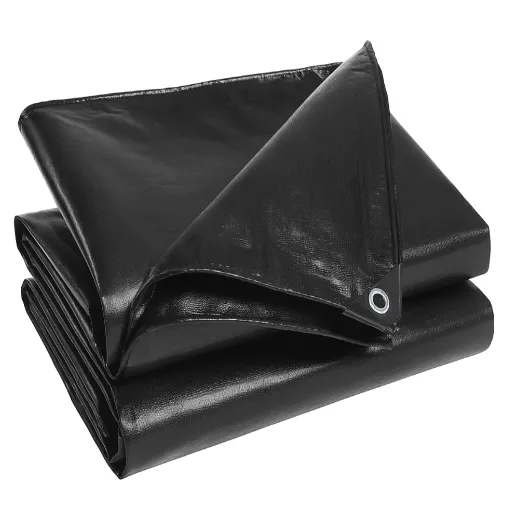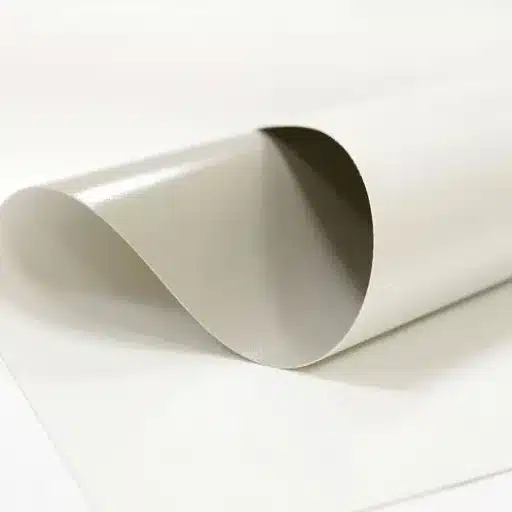

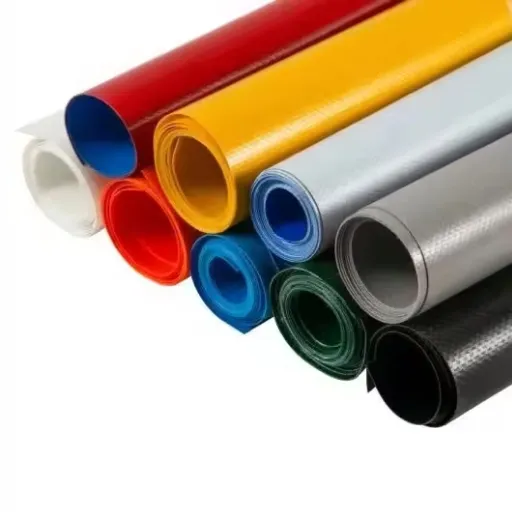
Anti-Static Tarpaulins: ESD Protection & Electronics Safety
In the realm of delicate electronics and high-tech manufacturing, it is of utmost importance to protect the devices from electrostatic discharge (ESD). The effect of even the smallest static shock could lead to expensive damage, data loss, or delays in production. Anti-static tarpaulins are added to the list of reasons why this problem can be eliminated completely—a very effective means for maintaining the desired facility. This write-up unveils the necessity of ESD-safe materials, discusses the part of anti-static tarps in securing electronic devices, and examples of their use in different industries. The knowledge of how these tarps operate can really help to keep the electronics’ integrity and function, whether you are managing a warehouse, transporting sensitive equipment, or setting up a cleanroom. Keep reading to learn about the ways in which anti-static tarpaulins can make protection and safety better in the environments where precision is applied.
What is an Anti-Static Tarpaulin?
Definition and Purpose
An anti-static tarpaulin is a specific type of covering material that is utilized to stop the accumulation and discharge of static electricity. These tarps are made of materials that conduct away static charges, thus providing safety in places where static electricity is a danger, like chemical plants, electronic assemblies, or areas with highly combustible materials. They also assist in eliminating the chances of sparks and other reactions that might occur as a result of the static build-up, thus controlling the situation.
The main function of an anti-static tarpaulin is to make a safer working environment and at the same time to protect and secure expensive equipment or materials. Tarps like these are particularly important in industrial applications where static electricity can easily develop and damage sensitive components or render the area unsafe for the workers. The anti-static tarpaulin not only provides grounding to the items but also has the strength to withstand abrasion, tear and the degradation caused by the environmental factors such as moisture and UV light.
In addition to that, anti-static tarpaulins can be easily integrated into different industries and hence they are a cheap solution for various operational challenges. No matter if they are being used in the storage areas, during the transportation, or as protective layering in the production environments, these tarps are a source of peace of mind as they reduce risks and meet safety standards that are acceptable. Their combination of power and reliability has made them a must-have for businesses which are focusing on both safety and efficiency.
Importance in Various Industries
Tarps, because of their versatility and durability, are necessary, no matter the case, in various sectors. In the overall process of construction, they are commonly deployed for the very purpose of guarding the site’s equipment and raw materials, along with the entire area from inclement weather, rain, dust, and debris, hence the working project is still able to stay on time and within the limits of the budget. Protecting the quality of the raw materials and cutting down on excess wastage is where this protection comes in mostly.
The tarpaulins are the lifeline of the transport sector since they are the only ones that can keep the cargo locked in during the movement. Apart from that, they also act as a barrier against environmental impact, thus preventing damage, a situation that is always the case with perishables and delicate apparatus. The great thing about reliable tarps is that they not only reduce the risk of financial losses but also help in the galvanizing of customer loyalty through ensuring quality delivery.
Moreover, the agricultural sector is another one that enjoys the use of tarps, as these products cover the fields, the soil, the animals, and so on. The application of these methods keeps the crops and soil from extreme weather conditions, thus maintaining the desired temperature. The wrapper is everyone’s friend; it is a cost-effective and most valuable instrument for farmers whose practices are aiming at raising the output and being environmentally friendly in the long run.
Key Characteristics of Tarpaulins
💪 Durability
Tarps are made to last through the toughest conditions; they are mainly constructed with polyethylene, canvas, or vinyl, and these materials are hard to damage, thus giving them an excellent life in such environments where they are used with water, UV rays, and cutting.
🔄 Versatility
Tarps are available in many different sizes, thicknesses, and materials which makes it possible for them to be used in a variety of areas such as construction, agriculture, leisure, and transportation. Their flexibility means that the customers can meet the different demands with just one product.
☔ Weather Resistance
The ability to endure the most unfavorable conditions, rain, wind, and sun, is one of the biggest advantages to using tarps besides their extreme protection from weather moisture. This quality is what makes them the most trusted source of protection for goods, plants, or machines even in the most varied environments.
⚡ Ease of Use
Generally, the majority of tarps have been made with sturdy edges, grommets, or tie-down points that allow for the quick and secure installation. The lightweight material used to make tarps also is a factor why handling and storing when not in use become easy.
💰 Cost-Effectiveness
In the case of durability and diverse usage, tarps are good value for money. They are practical and very economical for both personal and business purposes, hence, the overall cost of keeping the items that are protected, lowered by the extended life of these items.
Benefits of Using Anti-Static Tarps

Protection in Electronics
- 1
ESD Prevention: Anti-static tarps serve as a total static charge eliminator and therefore safeguard delicate electronic devices against the damage of discharges due to static electricity. - 2
Dust and Debris Protection: These tarps act as a barrier between electronics and all kinds of airborne particles, thereby preventing interference with their functionality and overheating as a result. - 3
Moisture Resistance: A lot of anti-static tarps have a water-resistant property and thus can be used to protect electronic equipment from moisture, spills, and even high humidity levels that lead to rust or short circuits. - 4
Temperature Regulation: Some anti-static tarps can do insulation and so protect electronics from heat and cold that might otherwise damage the internal parts. - 5
Durability and Reusability: Anti-static tarps, made from strong materials, are very durable and can be reused for many times making them a cost-efficient way to protect electronic devices of high value.
Safety in Construction
There is no doubt that the safety measures in the construction industry are among the top priorities when it comes to taking care of the workers, the machines, and the whole project. Below are the five major points on construction safety with their respective explanations:
🦺 Personal Protective Equipment (PPE)
The PPE consists of hard hats, safety glasses, gloves, and safety boots that protect the workers from physical injuries, falling objects, and dangerous chemicals. For instance, the OSHA rules point out that using PPE is one of the main reasons for the 37% reduction of accidents in the workplace.
⚠️ Fall Protection
When working at heights, one must have the proper fall protection systems, which might be harnesses, guardrails, and safety nets, installed. The U.S. Bureau of Labor Statistics puts falls as the leading cause of about 36% of deaths in the construction sector, therefore, focusing on fall protection is a must.
🔧 Equipment Safety
So that mechanical failures do not occur, a construction machine has to be maintained and inspected on a regular basis. Besides, proper training in the operation of hazardous equipment is another way to substantially reduce the number of accidents. For example, it is said that the accidents involving untrained operators and machinery are up to 25% higher than those involving trained ones; hence, the need for operators’ training.
📋 Hazard Communication
Workers getting exposed to chemicals or risks of fires but not knowing it because of the lack of clear communication can be a very dangerous situation indeed. Provision of Material Safety Data Sheets (MSDS) for hazardous materials is a requirement many places.
🧹 Site Organization and Cleanliness
A construction site that is kept neat and tidy will have fewer accidents caused by slips and falls. And this is confirmed by a study which shows that a well-organized site can cut accidents by as much as 15%, which enhances both safety and productivity.
With the application of these precautions, construction not only meets the safety standards but also encourages a safe and efficient work atmosphere.
Quality Assurance in Manufacturing
Quality assurance in manufacturing is a process of verifying that the products have the appropriate quality and performance characteristics before they are sold to the general public. When manufacturing companies involve quality assurance processes that are strong and tough, the outcome will be the opposite of defects, that is, product acceptance by customers and the saving of costs in operations. The major aspects of quality assurance in the manufacturing industry are discussed in the following five points:
- 1
Process StandardizationThe implementation of the standard operating procedures (SOPs) has led to the setting of a uniform manufacturing process. The industry reports that standardization of the process can lead to the exhaustion of defects by up to 30%, which in turn results in the output being more reliable.
- 2
Regular Equipment MaintenanceThe efficient maintenance of the machinery used in the production process is one of the best measures for avoiding breakdowns and errors in the production process. Research has found that preventive maintenance prolongs machine usage by an approximate 20% to 25% depending on the type of the supervisor conducting the training.
- 3
Employee Training ProgramsThe training of all workers in quality and operational standards to at least the minimum level required is a, very efficient, human error-reducing measure. It is believed that the implementation of these training programs would result in 25% upward improvement of the efficiency of the production process.
- 4
Automated Quality Control SystemsThe use of technology like AI-based quality control systems takes defect detection precision to a higher level. Automated systems can be able to detect up to 90% of defects that would have gone unnoticed through manual inspection.
- 5
Sampling and TestingTesting and sampling of products regularly during the manufacturing process ensures that quality standards have been complied with. In fact, this practice helps in reducing the number of defective products in the last batches by 15% to 20%.
If the manufacturers and their customers are to benefit from the processes, they must therefore be of the quality, reliability, and efficiency below mentioned.
Key Features of Anti-Static Tarpaulins

Durability and Weather Resistance
Anti-static tarpaulins are very appreciated the most for their durability characteristics and hence could be easily utilized in both industrial and normal everyday applications. The basic composition of these tarpaulins is made up of very strong materials like polyethylene and PVC, and thus they can still be used even in the most demanding situations without suffering from wear and tear. Their strength is further showcased by the reinforced edges along with the heat-sealed seams, which completely prevent rips or fraying and at the same time prolong the life of usage for such products. The integrity of these tarpaulins gets preserved with this mixture of characteristics even at the times of heavy usage or rough handling.
What’s more, the weather resistance of anti-static tarpaulins is the most significant of their qualities. They were made to work in all kinds of weather and hence they do not only protect the area they cover from rains, wind, and sun but also do it reliably. To this end waterproof coatings are applied to many tarp which are very effective in protecting goods or equipment stored under them from being damaged by water. Moreover, sunproofing is another way that extending the life span of the tarp is done, it protects the material from becoming brittle and inefficacious due to the sun for ages. This is a reason why these tarpaulins are highly preferred to be utilized for outdoor applications in farms, construction, and transport.
In addition, another important feature of the weather resistance is that anti-static tarpaulins could perform even in harsh and extreme temperature conditions. No matter if freezing or scorching heat, the anti-static tarpaulins have been customized exhibiting no cracking, warping, or losing of elasticity at all. Such resilience helps the industries to depend on these tarpaulins as a source of consistent performance, hence productivity is increased and costs that are associated with materials failure are also lowered. Their durability coupled with weather resistance gives these tarpaulins the characteristic of being a reliable option across several specialized applications.
Static-Dissipative Properties
Every industry where static electricity has to be controlled for safety and operational efficiency uses static-dissipative tarpaulins. These tarps are made of special materials which are able to create a neutral potential for electrical charges by gradually dissipating them and hence, the risks from static are significantly reduced. The percolation of static in these industries is paramount especially in those dealing with flammable or explosive materials as even a tiny spark can lead to disastrous events. Therefore, not only do these tarps help in keeping the workplace safe but they also protect the people and the machines by eliminating static electricity.
One more important thing about static-dissipative tarpaulins is that they help in maintaining the quality of the product by the process. Electronic industry is a good example— the static can ruin the ultra-sensitive circuits or microchips and make them unusable. Those tarps not just keep the static away but also create an atmosphere where the quality of the product is secured. Besides, their application is not confined to electronics but also in pharmaceuticals and chemical manufacturing, where maintaining a contamination-free and safe environment is paramount. The dependability of static-dissipative tarpaulins makes them a modern-day necessity for the industries which require protective solutions.
Reflecting the last technology developments, manufacturers have started using nanotechnology and improved polymers in the production of static-dissipative tarpaulins for enhanced efficiency, and performance. Data confirm that these innovations make it possible to achieve a more uniform static dissipation and a longer life of the material even in the most demanding environments. Tarps are very tough and can withstand extreme operational conditions which not only give a functional advantage but also support environmental sustainability since their longevity keeps the need for replacements to a minimum thereby reducing the industrial waste in the long run.
Comparison with Other Tarps
Anti-static tarps are very effective in the control of static electricity, whereas poly tarps are both long-lasting and waterproof, and lastly, vinyl tarps are an option that provides resistance to fire.
| Durability | Special Use | |||
|---|---|---|---|---|
| Anti-Static | Static Control | Electronics, Mining | High | ESD Protection |
| Polyethylene | Waterproof | Construction, Storage | Medium | UV Resistance |
| Vinyl | Fire Resistant | Industrial, Transport | High | Fire Safety |
| Canvas | Breathable | Painting, Camping | Medium | Airflow |
| Mesh | Lightweight | Shade, Privacy | Low | Airflow |
Practical Applications of Anti-Static Tarpaulins

Use in Warehouses
The use of anti-static tarps in warehouses has made them much more effective and more secure for sensitive items and materials. Warehouses generally keep things like electronic devices, industrial tools, and other items that are easily damaged by electrostatic discharge (ESD). With anti-static tarps, companies can avoid having to pay for the damage caused by static electricity. These tarps are very effective in maintaining the quality of the goods that are stored, particularly in places where controlling humidity is difficult, and static electricity is a major problem.
To add to it, the use of anti-static tarpaulins also plays a huge part in worker safety and productivity. One such example is the storing of flammable materials as in such cases; static discharges may lead to fire or explosion. Moreover, the use of anti-static tarps not only minimizes the risks by floating away the static but also creates a safe place for the workers and the machinery. This safety feature helps to avoid accidents as well as keeps the compliance with the industrial safety standards, which is a very critical aspect of audits and certification.
In addition, they are cost-effective due to their long-lasting nature and resistance to wear that are the main characteristics of anti-static tarpaulins. The heavy-duty application of these types of tarpaulins is made possible by the quality of materials used in their construction, as it saves the company from frequently having to buy new ones or repairing the old ones. The durability of the product is Eco-friendly since longer life means less waste produced. When used in combination with warehouse management systems, anti-static tarps not only improve the efficiency of the whole process but also protect the inventory while aiding the sustainability goals. Thus, their presence in the modern warehouse underlines the convergence of practicality, safety, and environmental consideration.
Transportation Solutions
Supreme and practical modes of transport are the prime movers for uninterrupted goods flow through local, regional, and international supply chains. Advanced technologies together with ingenious strategies give businesses a chance to cost-cut, speed-up and resource-out excellent their operations and deliver services. A significant aspect in the advancement of transport solutions to a whole new level is the incorporation of real-time tracking systems. The companies are granted power through these systems to keep an eye on their shipments’ precise location, forecast the delays, and redirect the deliveries in case of necessity, thus reducing supply chain disruptions to the least extent possible. This degree of awareness inspires companies and customers alike with trust and transparency.
The sustainability mantra is changing the face of transportation as the corporations itinerary lavishing around cutting down on their eco-unfriendliness. They are pinpointing the use of electric and low-emission vehicles besides AI and machine learning based delivery route optimization, all of which are gradually leading them to be recognized as eco-friendly supply chain operators. An instance of this is the escalation in the use of intermodal transport, which integrates various transportation modes; thus rail, truck, and sea freight, so as to promote efficiency and simultaneously cut down on fuel consumption. Various studies have proven that intermodal transportation can achieve a reduction of up to 50% in greenhouse gas emissions compared to traditional trucking methods, thus clearly demonstrating its dual capability for performance and sustainability.
Besides, the use of self-driving vehicles and drones for the delivery of the last mile is an area being paid special attention in the development of modern transportation. Such innovations are intended to solve the problems of urban congestion and labor shortage whatsoever while catering to the growing demand for speedy deliveries. For illustration, recent statistics indicate that robotic delivery systems can bring down the cost associated with the last mile by as much as 40%, hence enabling businesses to channel the saved amount to enhance other areas of their operations. The above-mentioned advances portray the technology and eco-friendliness as the key drivers that will dictate the future of transportation, giving rise to networks that are highly efficient, skills and environment friendly.
Packaging Needs
The packaging industry is evolving to meet the modern consumer’s demands for sustainability, functionality, and high-tech integration. The whole perspective regarding the packaging has changed. It is no longer viewed as a mere covering for the product while it is transported and stored; rather, it is considered a very important part of the customer experience, the brand image, and the company’s eco-consciousness. Firms are making greater investments in eco-friendly materials, such as plant-based plastics, materials that are recycled, or even designing packing that can be reused, in order to deliver their customers the green solutions that they expect. The trend is in line with the world’s goal to cut down waste and to implement the circular economy, while at the same time it satisfies consumers’ desires and regulatory demands.
The integration of smart packaging and Internet of Things (IoT) technologies is dramatically altering the landscape of the packaging industry with features such as RFID tags, QR codes, and temperature monitoring sensors becoming standard. Such advancements make to real-time tracking, smooth inventory management, as well as enhanced product quality through extended freshness. For example, food that is sensitive to temperature and health products will be less concerned about losing their quality and safety during shipping if they are in smart packaging that is able to attract and maintain the best conditions. Besides, the sophisticated packaging systems give consumers the option of always having access to thorough product information through mobile-accessible interfaces which is considered as one main aspect of the brands being honest and transparent.
Moreover, despite all these high-end technology features, packaging cost-effectiveness still looms large among the major concerns. The cost of production, as well as that of transportation, is usually cut by applying lightweight materials and by simplifying the designs, all this, of course, without compromising the properties of the products or their visual appeal. With the growing trend of online shopping, packaging meant for shipping, like tamper-proof seals and custom-fit dimensions, are becoming a necessity. The combining of eco-friendliness, tech, and practicality in packaging not only highlights its crucial place in the supply chain but also emphasizes the necessity of innovation in the whole industry to adapt to the market changes that are getting tougher and faster in their coming.
Maintenance Tips for Anti-Static Tarpaulins
Cleaning and Storage Guidelines
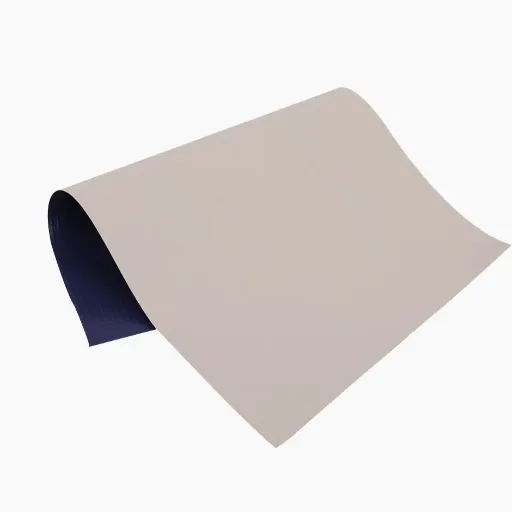
Tarpaulins that are anti-static need proper maintenance, so they will last longer and still be effective. Cleaning these tarpaulins comes first with the removal of dirt and debris that’s not tightly attached with a soft-bristle broom or damp cloth. Do not utilize aggressive chemicals or abrasive cleaning agents, because they will be harmful to the anti-static coating, and therefore, render it ineffective. Rather, use gentle soap mixed with lukewarm water to scrub gently any spots or dirt that has built up. Rinse well with clean water after that to get rid of any soap that might break down the material’s property. Let the tarpaulin dry in the air completely before storing it up to discourage the growth of mold or mildew.
Drying anti-static tarpaulins completely is imperative before putting them away in order to avoid damage caused by moisture. Neatly fold the tarpaulin along its seams to keep the creases to a minimum and also lower the rate of structural wear as a result of time. Keep it in a dry place that is free from direct sunlight, heat, and sharp objects. If the material is continuously exposed to UV rays or heat, it can weaken and lose its anti-static characteristics. For this reason, it is recommended to put the tarpaulin in a cover or bag to protect it from dust and dirt while being stored.
Quality of an anti-static tarpaulin is maintained through regular inspections which are a must. From time to time check for wear indications such as rips, and the like, as well as the overall effectiveness of the anti-static quality. Take care of little problems with patch kits or repairs made by professionals immediately, so they will not get any worse. Anti-static tarpaulins can stay in the best condition and perform reliably for a long time by the combination of cleaning practices, careful storage, and regular maintenance.
💡 Pro Maintenance Tips
- ✓
Use only mild soap and lukewarm water for cleaning - ✓
Avoid harsh chemicals that damage anti-static coating - ✓
Air-dry completely before storage to prevent mold - ✓
Store in a dry, cool place away from direct sunlight - ✓
Conduct regular inspections for wear and tear
Inspection for Longevity
Inspection is of utmost importance when it comes to extending the life of anti-static tarpaulins. By frequently checking these tarpaulins, the little problems are discovered and dealt with before they get big and serious. A thorough inspection entails checking the entire tarpaulin for any visible damage such as holes, loose stitching, or scars that could lead to its weakening. Also, the anti-static properties of the material should be tested at regular intervals with the appropriate tools to prove that the material is still working effectively in discharging static electricity.
However, inspections are not only meant for finding out physical wear but should also take into consideration the environmental factors that might affect the tarpaulin’s performance. Over time, exposure to extreme weather conditions such as very hot sun, rain, or snow can destroy the fabric. Also, if the tarpaulin is not handled properly or if there is too much tension on that part, then stress points may form and the fabric will be weakened. A well-maintained record of inspections along with any minor or major repairs conducted will contribute to an effective maintenance schedule and will ensure that all necessary interventions take place promptly.
When different modern technologies and methods are combined with regular human inspections, the performance and life of anti-static tarpaulins can be optimized. For instance, the application of advanced sensors and portable testers allows for accurate evaluations of both the condition and the static-dissipating properties of the material which in return supports the efforts for preventive maintenance. The use of these strategies together with conventional inspection methods provides a complete solution to the problem of product lifespan extension, thus, blocking downtimes and cutting down on replacement costs.
Prolonging Lifespan
The key to the prolonged lifespan of anti-static tarpaulins is the combination of five up-to-date methods together with the traditional ones. The first and foremost method is the regular cleaning of the tarpaulins as it helps keeping the condition of the material. Tarpaulins can be cleaned with non-abrasive and non-toxic cleaning solutions that facilitate the material’s static-dissipating properties and at the same time, prevent the material from degradation or discoloration. Besides, the storage of tarpaulins in a dry environment that is protected from UV rays can be an effective measure in minimizing the wear and tear caused by prolonged exposure to sunlight and moisture. Employing such standard practices, the material used for the tarpaulins is stronger and thus more able to stand harsh environmental factors over a longer time period.
Another important way of continuously prolonging the deration of anti-static tarpaulins is by constant monitoring and conducting tests at intervals. The advances in testing tools make it possible for the companies to evaluate the tarpaulin’s surface conductivity and also confirm that the anti-static properties are still alive. The testing can be done through portable surface resistivity meters that pinpoint the exact regions where the conductive layer has been worn out or contaminated, thereby making it easy for users to deal with the problems before they gain prominence. The wear and tear caused by physical damage such as rips and frayed edges can be minimized if these processes are coupled with scheduling inspections to that effect as they will ensure timely replacement or repair of the damaged parts thus maintaining the product’s effectiveness and soundness throughout the duration of the use.
In addition, the adoption of the most recent advances in material technology can greatly enhance the performance and longevity of the product. In most cases, modern anti-static tarpaulins are made out of synthetic polymers that have been engineered to last longer and withstand more physical, environmental and chemical stress. The main reason for upgrading to such improved materials as part of the organization’s lifecycle management strategy is the saving of money in the long run through lower maintenance and replacement costs as the material will last longer. Thus, the use of these practices such as cleaning and maintenance, continuous monitoring, and the adoption of innovations will empower the users to extract the maximum value from their anti-static tarpaulins and at the same time, assure safety and reliability in their functional applications.
🔬 Advanced Lifespan Extension Strategies
Regular Cleaning
Use non-abrasive, non-toxic solutions that maintain static-dissipating properties while preventing material degradation.
Protected Storage
Store in dry environments protected from UV rays to minimize wear from sunlight and moisture exposure.
Continuous Monitoring
Use portable surface resistivity meters to evaluate conductivity and identify worn or contaminated areas early.
Material Innovation
Upgrade to engineered synthetic polymers designed for enhanced durability against physical, environmental, and chemical stress.
References
-
Defence Textiles Types with Materials and Methods of Manufacturing – A Review
This paper discusses the use of anti-static fabrics in applications like tarpaulins and truck coverings. -
The Effects of Household Fabric Softeners on Thermal Comfort and Flammability of Fabrics
This study explores anti-static properties in fabrics, which can be relevant for understanding material performance in tarpaulins. - Click here to read more.