
Tarpaulin Color Science: How Color Affects Performance
In the case of tarps, most consumers associate them primarily with their strength and the ability to resist outdoor conditions, however, their color is often neglected as an important attribute. One of the reasons why the color of a tarpaulin is sometimes not considered is that its features in various environments are to be changed very considerably. For example, heat absorption, visibility, and even the lifespan of the material are all depending on the color which is why it is a significant factor in ensuring your tarpaulin is suitable for particular applications. The present text reveals the enigmatic science of tarpaulin colors, which draws the connection between their functionality and their aesthetic appeal, hence, offering help in making smarter choices while picking the right tarp for your project.
Understanding Tarpaulin Colors
The Importance of Tarpaulin Colors
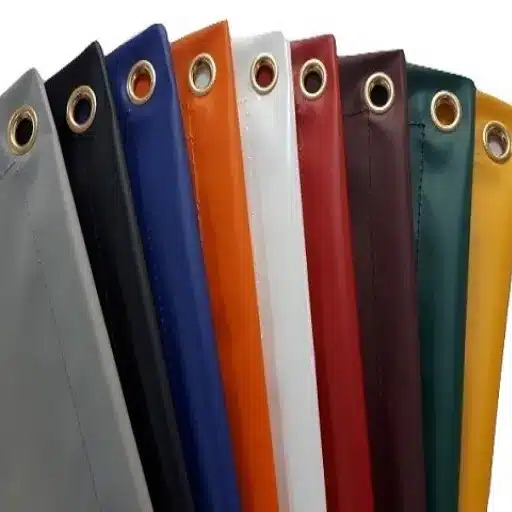
Tarpaulin colors are very important when it comes to functionality and application. A tarpaulin’s color can tell us a lot about its purpose, durability and some features that it has. For instance, tarps colored blue and green are usually applied in general uses like covering up equipment or debris while the silver tarps are usually more durable, reflective and thus offering better UV protection and water resistance. Matching the color of the tarp with the intended use is, therefore, necessary for getting the best result from the tarp.
Moreover, tarpaulin colors have an impact on safety and visibility as well. Bright colors like yellow and orange are usually found at construction or emergency sites where high visibility is a must for safety. However, neutral colors such as brown or gray tend to disappear in the background and are therefore more in line with outdoor settings like camping or landscaping projects where discretion is preferred.
Key Insight: Once the significance of tarpaulin colors is realized, the user can select the right tarp fitting their needs. By taking into account factors like UV resistance, water protection, durability, and visibility according to color, the users will be able to make right and informed choices that will not only enhance the effectiveness but also the life span of their tarps.
Common Tarp Colors and Their Uses
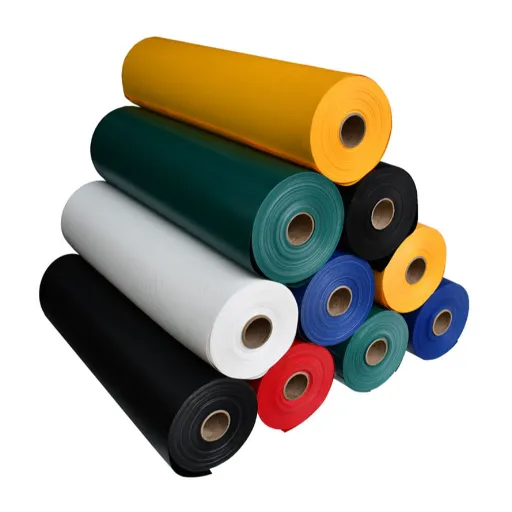
Tarpaulins are available in a wide range of colors, each having its own unique application or practical advantages that come from its features. The following is a brief summary of the typical uses of common tarp colors:
1 Blue Tarps
Lightweight and price-friendly blue tarps are commonly chosen for short-term, general-purpose applications. They are very cheap and provide a minimum of water resistance; thus, they are perfect as coverings for construction sites, replacing leaky roofs temporarily, or guarding equipment against the rain. They are versatile but not strong and can’t be used under tough conditions for a long time.
2 Green Tarps
Green tarps are made for outdoor use and they can be in gardens, campsites, or forests. Indeed, they are the most common in landscaping or recreational activities because they are good in hiding and resisting weather. Furthermore, the environmental color is very discreet and it makes these tarps the right choice for applications where aesthetics are of importance.
3 White Tarps
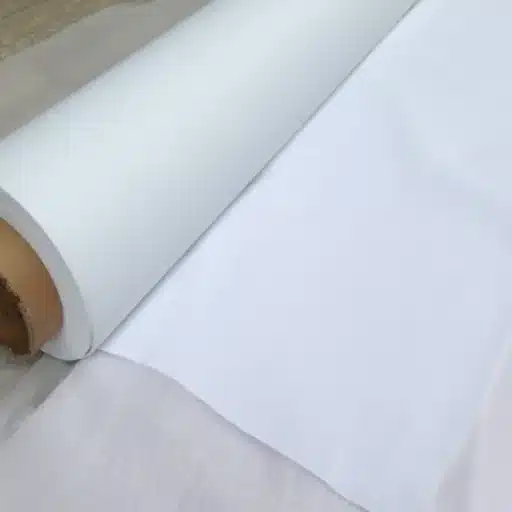
White tarps are in demand for uses that need light diffusion or heat reflection. They are the main tarps in agriculture, event planning (like tenting for outdoor events), and boats. The tarps are thereby able to keep the inside cool during hot days by lowering the temperature with the help of their reflective properties.
Thus, it is the knowledge of the characteristics and functions of these common tarp colors that enables the users to make the right choice for their specific requirements and to guarantee the involved scenarios’ functionality and efficiency.
Psychological Impact of Color Choices
The application of color in the exchange of goods and services has always had a major bearing upon people’s minds, the main factors being the emotions and perceptions that colors brought about in the society. For instance, the use of red and orange, which are warm colors, is aimed at making people feel lively, excited and sometimes in a hurry. These qualities have made these colors favorites in marketing and advertisements to draw people’s attention. On the contrary, the cool colors, blue and green, are associated with soothing, stability, and trust. Therefore, they are utilized in the branding of healthcare and finance. Reactions to colors are determined by various factors such as context, culture, and individual experiences among others.
For personal or professional spaces, color selection not only plays an important role in creating the atmosphere but also lightens the purpose of the area. For example, people might use softer pastel shades to adorn the relaxation area as a way of promoting tranquility, whereas bold and vibrant hues can be used to give an energetic feeling to the collaborative workspace. Having a clear understanding of the psychological effects of colors not only helps in developing suitable atmospheres compatible with the desired outcomes like productivity boosting, creativity fostering, or a sense of security promoting but also in doing so, indirectly, the underlying psychological effect is being worked upon.
Cultural Consideration: People’s interpretation of colors is also affected by cultural and social factors. White, for example, is a color that stands for purity and peace in some cultures; however, it is associated with mourning in other cultures. Likewise, the color of love and passion might be red in some contexts but in others may be seen as a warning or danger.
Factors to Consider When Choosing Tarp Colors
Durability and Performance of Tarp Colors
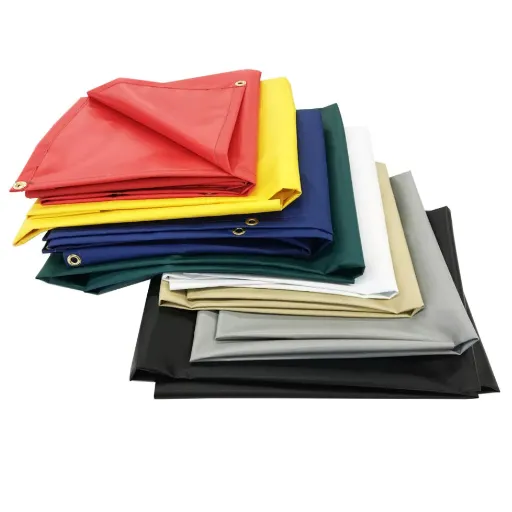
The selection of tarp colors is heavily influenced by their durability and performance, which are the two main factors determining tarp effectiveness in different applications. For example, dark tarp colors such as black and dark green are usually picked because of their outstanding UV resistance thus being suitable for outdoor usage where sunlight is intense and for long periods. Sunlight makes these colors absorb more heat which can lead to quicker deterioration in high-temperature areas but on the positive side, they are perfect for blocking light and decreasing visibility. Lighter tarp colors such as white and silver, on the contrary, reflect sunlight better, thus being able to control the temperature under the tarps and making them suitable for application where cooling or heat reduction is required.
Visibility performance of the color is another factor of the utmost importance. Bright shades like yellow, orange, and red are very easy to spot and are commonly used in safety or emergency situations, thus their quick recognition. On the flip side, such tarps as camouflage or earth tones like brown or olive, though being less visible, can be very effective in hunting, camping, and military operations as they blend beautifully with the natural surroundings.
The durability of the tarp is also affected by the material coating and the pigment quality. For example, UV-resistant coatings and high-quality pigments work together to ensure the tarp color doesn’t fade promptly when exposed to sunlight for long periods. Besides that, these factors play a vital role in preserving the fabric strength, ensuring that the tarp continuously provides dependable performance throughout its life.
Color Matters: Functionality in Different Settings
The colors of tarps, besides being a matter of taste, are also very important when it comes to their functions, which depend on the environment and the purpose of use. White and silver tarps are very popular in summer as they absorb less heat and the cooling effect that they provide under the tarps is well appreciated. Thus, these tarps are broadly used in the case of crops or machines which are sensitive to temperature. Likewise, silver containing UV reflecting tarps are being utilized in sun shade application with the equivalent function of extending the life of the products over time that has been sheltered from the sun directly.
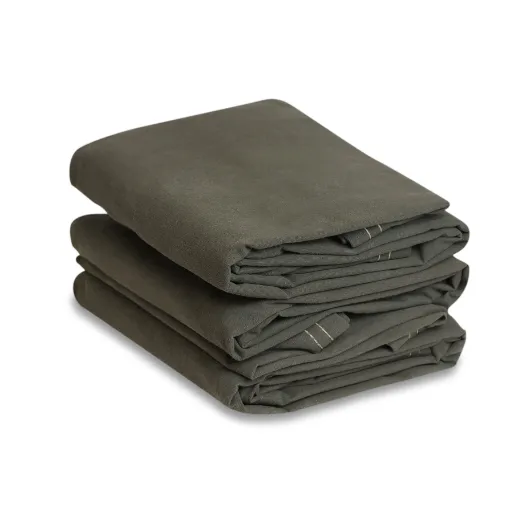
Darker tarps like black or green tend to disappear into the surrounding nature and thus are the most sought after colors in such situations as for planting or camping. Black tarps, in particular, would be the best to block the light and hence would be effective in giving the utmost privacy when they are used in areas like outdoor construction where controlled environment is needed or temporary shelters. Green tarps, with their natural appearance, would attract the least attention and thus be ideal for outdoor enthusiasts who want to leave no trace while still getting strong and breathable materials.
At the same time blue tarps are the most common ones because of their multi-purpose use and low price. Their low cost makes them widely used and seen in disaster relief operations where cost-effectiveness and availability are the determining factors. Understanding how color affects heat resistance, light blockage and overall efficiency of the tarp allows the users to take better decisions that suit their specific needs and locations.
Environmental Considerations for Outdoor Use
When selecting tarpaulins for outdoor use, one of the most important things to consider is the environmental factors that could affect the tarp’s life and performance. For example, the sun’s UV radiation can cause degradation and shorter lifetime of the tarp. The UV tarps made of treated polyethylene or the standard canvas are the best in sun exposure. Not to mention, the weather changes from hot to cold and vice versa can alter the flexibility as well as the strength of a tarp especially in places where the difference between hot and cold is extreme. Materials like vinyl and poly-coated tarps can withstand temperature fluctuations while maintaining their strength.
Key Environmental Factors:
- Moisture Resistance: Tarps are often unavoidably exposed to rain, snow, or high-humidity areas. Waterproof materials such as reinforced polyethylene or PVC-coated fabrics prevent water damage.
- UV Protection: Treated polyethylene and canvas materials offer superior resistance to UV radiation.
- Temperature Fluctuations: Vinyl and poly-coated tarps maintain flexibility and strength across extreme temperature ranges.
- Breathability: In certain applications like covering plants or freshly painted surfaces, moisture vapor transmission prevents condensation buildup.
In addition, environmental sustainability is gradually becoming a prime factor influencing the choice of tarps. Buyers consider the impact their selection has on the environment and that is why they are more interested in green options. The use of recyclable materials, biodegradable coatings, and multi-use tarps all contribute towards the reduction of waste and conservation of resources. Furthermore, some companies even provide tarp made out of recycled post-consumer materials, thus blending utility with environmental responsibility.
Selecting the Right Tarp Color

Best Tarpaulin Colors for Specific Applications
The selection of tarp colors is not just a question of aesthetics; it can affect the performance and the best suited-ness for certain uses of the tarp. The colors of the tarpaulin serve the functional purposes that align with their usages, such as the regulation of temperature, visibility, and camouflage.
Blue Tarps
Versatile and frequently used for temporary roofing, construction covering, and protecting outdoor items. Affordable and readily available but may not be very strong against UV light.
Green Tarps
Act as natural camouflage, making them great for outdoor activities like camping or hiding materials in forests. Perfect when discretion is required.
Silver or White Tarps
Superb in repelling sunlight and heat, keeping items cooler underneath. Most used in agricultural, industrial, or outdoor event settings where temperature control is important.
Black Tarps
Absorb heat and provide total opacity. Used for privacy, as landscaping mats for killing weeds. UV resistance makes them perfect for long-term outdoor use.
Brown Tarps
Blend with natural lighting conditions. Frequently used for covering dirt, firewood, and construction and landscape materials.
Clear Tarps
Great for greenhouse applications or places where visibility is important. Allow light through while providing protection against rain and wind.
Red or Yellow Tarps
Highly visible colors perfect for uses where safety or notice is crucial, like marking dangerous zones or covering equipment that needs to be easily spotted.
Tips for Selecting the Right Tarp Color
✓ Consider the Purpose of the Tarp
Before selecting a color, it is important to first determine the main use of the tarp. For example, if the tarp is meant to be virtually invisible in a forest, then green or brown would be the best choices. Conversely, for construction sites or areas where it is essential to be seen, bright colored tarps like orange, yellow or red are the best options.
✓ Assess the Surrounding Environment
The background or environment where the tarp will be placed is an important consideration. For outdoor recreational use at beaches or gardens, light colors such as white or blue can blend in perfectly without causing visual clutter. On the other hand, tarps used in industrial sites might need bold, contrasting colors for quick identification.
✓ Factor in Heat and Light Absorption
Dark colors like black absorb heat, which is suitable for covering materials in cold climates or places where heat retention is required. On the contrary, lighter colors like white or silver which reflect sunlight, are perfect for keeping cooler temperatures under the tarp during sunny conditions.
✓ Match Colors to Safety Protocols
Most industries have distinct color-coding systems for safety and organization. Make sure you check such guidelines to stay compliant with regulations, especially in construction or hazardous work areas.
✓ Take Durability into Account
Fading due to harsh sunlight or other environmental factors is more likely to happen with certain colors, but they can still enhance the overall durability of a tarp. The combination of UV-resistant coatings often used with certain colors like white or silver can further prolong the life of your tarp.
Practical Uses of Tarpaulin Colors Across Industries
Construction: Impact of Color on Safety and Visibility
The building sector usually employs tarpaulins of different colors for the purpose of safety and efficiency in job sites. The high-visibility colors such as neon orange, yellow, and red work as signals to improve visibility, therefore, workers and equipment operators are able to quickly spot the danger or the restricted areas. The use of these bright colors is common for safety fencing, protective tarps, and machinery covers in areas with a high risk of accidents, thus, it is effective in preventing accidents.
Moreover, the practice of color-coding on construction sites not only provides advantages in terms of functioning but also brings about consistency. For example, different-colored tarps might mean different things; blue for water-resistant covers, green for environmentally-sensitive areas like landscaping materials. So, using color-coded tarpaulins helps in operation by allowing the workers to quickly ascertain the intended use of the coverings and, thus, saving the valuable time that would be spent on large-scale projects. This organized way of working improves the workflow but also the collective safety by lessening human mistakes.
Safety Insight: Recent data from the industry confirm that the visibility of construction sites can be a significant factor in lowering the frequency of accidents. Safety studies indicate that bright-colored materials, when combined with proper lighting and reflective elements, improve the situational awareness of the workers even in the dark operations or low-light conditions.
Agriculture: Color Choices for Crop Protection
Selecting the appropriate tarp colors in agriculture is a very significant decision that has a great impact on the crop’s and also the entire ecosystem’s health, pest control, and environmental conditions. It has been confirmed by scientists that the absorption and reflection of different colors of tarps can affect the amount of light that reaches the crops, which is crucial for the growth and regulation of the temperature. For example, the use of transparent or white tarps results in the greater penetration of the sunlight and they are considered suitable for the plants that require a lot of heat, while the application of darker tarps such as black or green ones, in turn, keep the soil moist and inhibit weed growth, and this has been the case especially in areas with high sunshine or in the dry season.
The color choice affects the pests and diseases as well, since some colors can be applied to drive away or lure certain insects. To illustrate, yellow-colored tarps are recognized for attracting the pests such as aphids and whiteflies, thus making them effective when used in combination with trapping systems for controlling the insects. Contrarily, blue tarps are not so alluring to pests, but they can, nevertheless, in a way, increase the activity of the beneficial insects near the crops. Using such knowledge rightly lets farmers lower the amount of pesticides used, thus preventing any negative impact on the environment and allowing organic and environmentally friendlier farming.
Agricultural Tarp Color Benefits:
- White/Transparent Tarps: Maximize sunlight penetration for heat-loving plants
- Black/Green Tarps: Retain soil moisture and suppress weed growth in sunny or dry conditions
- Yellow Tarps: Attract pests for trapping systems, reducing pesticide needs
- Blue Tarps: Less attractive to pests while promoting beneficial insect activity
- Reflective Tarps: Distribute light evenly under crop canopies in orchards and vineyards
Moreover, the sophisticated use of the tarps with high reflectivity has proven to be effective in getting light to be evenly distributed under the crop canopies. This is of great advantage in the case of orchards and vineyards, where scattering the light evenly promotes the quality and color of the fruit. Blending traditional wisdom with modern technology, for instance, through the use of UV-stabilized polymers in tarps, which secures longevity and protection against various weather conditions, is indeed a smart move.
Event Planning: Aesthetic and Functional Color Uses
Color is a very important factor in the planning of events; it combines the different aspects of the event and at the same time creates great experiences for the guests. The colors could also be a mean of expressing the moods of an event, or even of the attendees’ moods. A neutral palette composed of colors like white, gray, and navy is usually the one that is chosen for such events as corporate functions or fundraisers. This kind of setting would then be characterized as very professional and classy. On the contrary, the use of vibrant hues like bright yellow and orange would be very suitable for festivals or parties, and they would also contribute to a highly energetic and exciting atmosphere.
Colors, apart from being the aesthetic aspect, are also functions’ helpers in event planning and management. For example, an easier and quicker way for the audience to get to their places is through the color-coded seating plan, which indirectly leads to less confusion on the part of the organizers. Another thing that brings contrast, i.e., the use of colors that make opposite dark-light combinations, is signage that is more visible and, therefore, it is easier for the guests to know where such vital things as exits, registration desks, or rooms for lectures are located.
Modern Innovation: The technology of recent times has made it much easier to use color in events even further. With LED lighting systems, nowadays, planners can manipulate color effects to their liking and thus change the hues during the program in order to keep the visual appeal to the audience fresh.
Maintaining the Quality of Your Tarp

Best Practices for Tarp Care
Proper maintenance of tarpaulin will ensure its durability and longevity which means savings on both the money and efforts you use in the long run. First of all, you should clean your tarp after every use to get rid of dust, dirt, and other particles. Instead of using a rough brush that can cause damage, use a soft one along with mild soap and water. Before you store it, make sure it is completely dry so that the chances of mold and mildew are reduced.
Tarp should be nicely folded when storing and put away in a place that is dry and cool. Turn the tarp so it does not get direct sunlight and put it away from the heat as well, since you will not be using it. Checking your tarp for damage, such as tears, and repairing them promptly, will prevent the damage from spreading or getting worse. The application of UV-protective spray is another option, which will increase the resistance to the sun, especially for outdoor tarps that are often used.
Essential Tarp Maintenance Checklist
Regular Cleaning
Use mild soap and warm water with a soft brush. Avoid harsh chemicals or abrasive cleaners that can damage the material.
Proper Storage
Clean and dry thoroughly before folding. Store in a cool, dry place away from direct sunlight to prevent mold and material degradation.
Inspect for Damage
Regularly check for holes, tearing, or frayed edges. Repair damage promptly to prevent spreading.
Avoid Excessive Stress
Don’t place heavy or sharp objects directly on the tarp. Use support structures to distribute weight evenly.
UV Protection
Apply UV-resistant spray or provide shade when not in use to extend the tarp’s lifespan, especially for outdoor applications.
Secure Installation
Use proper tie-downs or grommets to secure the tarp. This reduces stress during use and protects against wind damage.
How Color Affects Longevity and Usability
The color of a tarp is very important for its lifetime and usability. It can affect heat retention, visibility, and the tarp’s ability to withstand environmental factors wearing it out. Light-colored tarps like white or silver are very good at reflecting sunlight thus contributing to less heat being absorbed by the material and less degradation being caused by prolonged UV exposure. They are also good for applications where heat control is a major concern, e.g., covering vehicles, greenhouses, and sensitive apparatus.
On the contrary, dark-colored tarps like black or green will have the opposite effect as they would absorb the heat which is a good quality in the colder areas. Sometimes color, e.g., blue or yellow, can help with visibility, thus they are a good option for places like construction sites, road works, or any outdoor activities which require high safety levels.
Material scientists have found that the UV stability of a tarp can depend on the color selected for its manufacture. For instance, some colors may naturally have very high resistance to fading and cracking over the years. When purchasing a tarp, consider the environmental conditions it will be exposed to as well as the functional requirements of the application. The right color choice can make a significant difference in terms of longevity, functionality, and overall performance.
References
-
The Effect of Stocking Density on the Growth Performance and Feed Utilization of Albino Clarias Gariepinus Reared in Collapsible Tarpaulin Tanks
This study discusses the use of tarpaulin tanks in experimental setups, providing insights into material and color usage. - Click here to read more.
Frequently Asked Questions (FAQ)
Q: What are the most common tarpaulin colors and why do they matter?
A: The common colors of tarpaulin are considered to be the colors of green, brown, black, blue, and some very bright colors like orange; the colors of tarpaulin matter as they affect light reflection, heat absorption, and aesthetics. For instance, black color and dark colors heat up and can make areas hotter, while neutral shades like green and brown offer tarps that blend into the environment. The selection of the appropriate tarp color is both a matter of aesthetics and function as different applications require.
Q: How does the color of your tarp affect temperature and suitability for hot climates?
A: The temperature mainly depends on the color of the tarp: black tarps heat up and cause the area to be too warm, but light shades cool down the area as they reflect the most of the heat, thus making them suitable for hot climates. For shade with light reflection, light colors like orange can be used for visibility, but if the main goal is to keep temperatures down, then choose lighter or reflective options when deciding the right color.
Q: Which tarp materials and colors are best for camping and outdoor furniture protection?
A: For camping and outdoor furniture protection, canvas tarps and poly tarps are mostly used: green and brown canvas tarps not only blend in with nature but are also breathable, which makes them very suitable for protecting furniture and gear, while poly and HDPE tarps provide water resistance and durability. Tarpaulins are extremely flexible; either selecting canvas for breathability or poly/HDPE for waterproofing will help you make the best decision according to exposure and usage.
Q: Do tarps offer safety or compliance benefits based on color?
A: Yes, tarps can help compliance with safety and operational efficiency requirements—vivid colors such as orange or red provide visibility on worksites and are often used as general-purpose coverings where safety is a concern. On the contrary, neutral colors like green tarps are suitable for hiding landscaping work. Choosing a tarp color may enhance safety and meet site-specific regulations or best practices.
Q: When selecting a tarp, how do I balance aesthetics and functionality in tarpaulin colors?
A: Aesthetics and functionality balancing demands the use cases to be considered: if tarps are frequently used to be invisible in nature, opt for green and brown tarps; if they are used to cover machinery or create a barrier, high-visibility colors or black may be more suitable. Consider the light reflection and heat reduction aspects of the tarps together with the materials used—poly or canvas tarps—so that you can choose the right tarp color which is the best for both looks and performance.
Q: Are there specific colors recommended for different applications like construction, camping or agriculture?
A: Yes—construction usually requires high-visibility colors like orange or red, while camping and recreational areas mostly use green or blue for blending in and low visibility; agriculture often uses green, brown or dark tarps that are durable and merge with the fields. The use of tarps is widespread in different applications because they are very versatile in nature and come in a variety of colors to meet functional needs.
Q: How do tarp materials like poly and HDPE interact with tarpaulin colors?
A: Poly and HDPE materials influence the color progression and the life of the product: poly tarps will keep colors vivid for a longer period while HDPE tarps will not tear and will resist UV rays, thus making the colored tarps for outdoors more durable. The interaction of material and color determines light reflection, longevity and fading of a color; choosing a tarp made of the right tarp materials helps in retaining both color and function.
Q: Can choosing the right tarp color improve operational efficiency or longevity?
A: Choosing the right tarpaulin colors may lead to the enhancement of operational efficiency by means of decreasing heat stress on covered materials, facilitating the visibility for safety, and thus less frequent replacement by fading or thermal damage. For instance, brightly colored caution tarps increase site operation, while neutral or lighter colors allow for non-heating of stored items thus aiding you in making the best choice based on your specific needs.
Q: What practical tips should I follow when selecting a tarp color for general-purpose use?
A: In case of a general-purpose tarp, first think of what would be your main need: if you need to conceal it, take green or brown; if waterproofing and durability are your main concerns, go for neutral-toned poly or HDPE; if safety and visibility are your main concerns, then opt for bright colors like orange or red. Moreover, consider using canvas tarps for breathable applications and keep in mind that black and darker colors absorb heat—so the right tarp color has to be selected to prevent the effects of undesired temperatures.
Key Takeaway
Choosing a tarp color is not merely a matter of convenience but rather a very important aspect of achieving successful results in different applications. By weighing factors such as purpose, environment, heat absorption, safety protocols, and durability, you can select the tarp color that offers the best balance of practicality, efficiency, and aesthetics for your particular needs.