
Elongation at Break: Stretch & Flexibility Performance
Elongation at break is one main property that usually gets the spotlight when it comes to material performance. By this metric, one can get an obvious idea of the material’s stretchability and adaptiveness under stress, thus giving an overview of its flexibility and durability. But why should it be considered? No matter if you are choosing materials for industrial applications, for product development, or for everyday use, knowing a material’s limit in its stretchability before it fails is necessary for making well-informed decisions. In the present article, we will delve into the science of elongation at break, its role in evaluating performance as the strongest factor, and its repercussions, which span from manufacturing processes to customer satisfaction. Get ready to explore the stretch-and-flex properties of materials in an unprecedented way.
Understanding Elongation at Break in Tarpaulin Materials
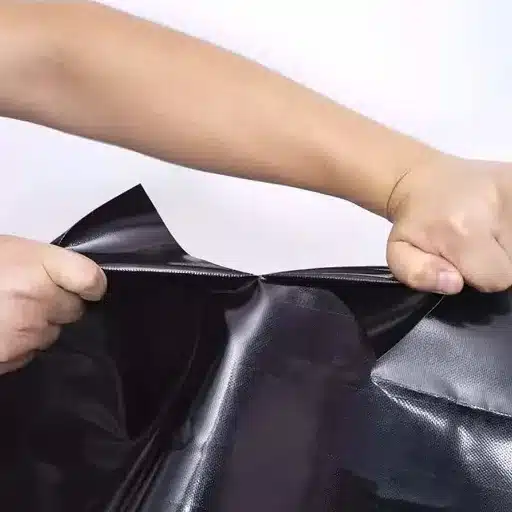
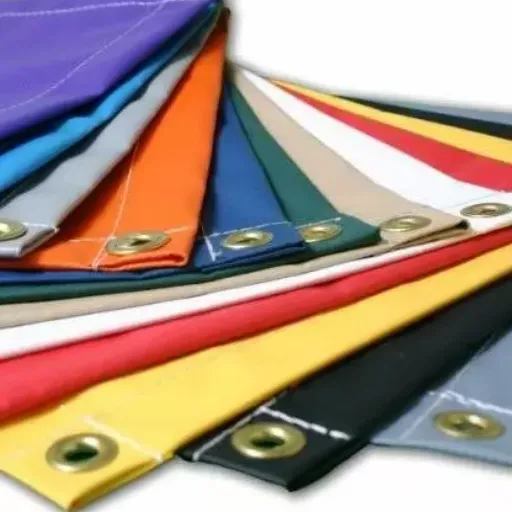
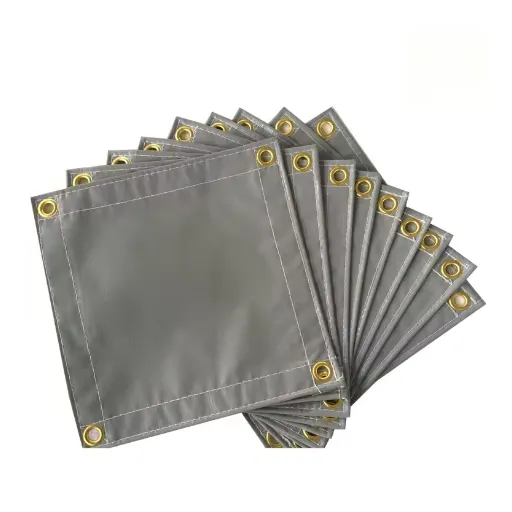
The elongation at break of tarpaulin materials identifies the limit at which the respective material can stretch without tearing or breaking due to stress. The property is significant for determining the lifespan and ductility of the tarpaulin, especially when the material is subjected to pulling or stretching. The tarpaulin with greater elongation at break is, in most instances, capable of enduring heavy use plus the weather changes. The manufacturers often measure this property to ensure the material meets specific performance standards for applications involving covering loads, providing shelter, or withstanding wind forces.
Definition and Importance of Elongation at Break
Elongation at break is the term that defines the situation when a material reaches its maximum stretchability and loses its tensile strength. The breaking point of the material indicates its capability to endure tension without tearing, as well as its flexibility. Elongation at break is usually expressed as a percentage, calculated as the ratio of the extension (length gain) to the original length of the specimen during the test, multiplied by 100%.
The knowledge of the property and its significance is invaluable for the customers as well as the industries in choosing the most suitable tarpaulin for the specific application, for example, tarpaulins with higher elongation percentages will be ideal for unstable settings, that is, outdoor shelters or load covering that is often moved and stressed, depending on the condition of the movement range. The characteristic improves the product’s durability against adverse weather conditions, such as strong winds, thus minimizing the risk of failure and extending the product’s life. Therefore, elongation at break is a crucial factor in ensuring safety and cost-effectiveness in many practical situations.
How Elongation at Break Affects Tarpaulin Performance
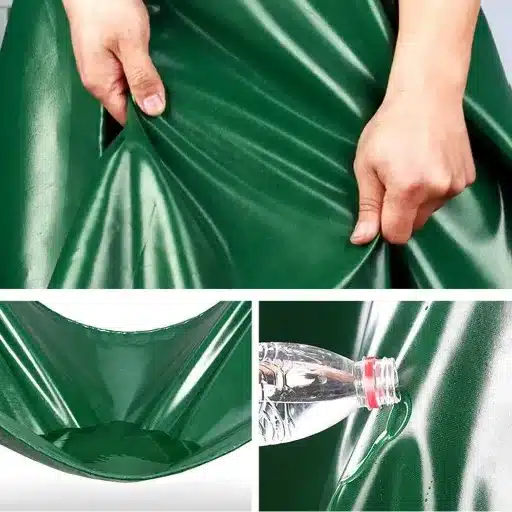
Elongation at break is considered the most crucial factor in defining a tarpaulin’s resistance to tearing, as it is a property that allows the tarpaulin to stretch. This elasticity absorbs the dynamic forces caused by heavy loads, high winds, and constant movement without causing the material to fail. Tarpaulins with higher elongation at break will withstand cracking and tearing even when they are impacted suddenly or under prolonged tension. Furthermore, this feature helps in better adapting to uneven ground and odd shapes thus the tarpaulin is more usable in a variety of applications. Hence, elongation at break not only improves the performance, life, reliability, and overall economy of the material but also enhances its durability in hostile environments.
Common Testing Methods for Tarpaulin Materials
- Tensile strength test
●This test determines the maximum force a tarpaulin material can withstand when pulled without tearing. It indirectly measures the toughness of the material and its capability of bearing a load which is significantly heavy without rupturing.
- Waterproofing Test
●This testing method is used to determine how much water pressure the tarpaulin can withstand without water seeping through. It is to ensure that the tarpaulin is efficient enough to stop leakages under varying water pressure.
- UV Resistance Test
●This is the test that determines how much of UV light impact the material can take without losing its properties and degrading quality. This is very necessary for tarpaulins that are going to be used outdoors.
- Tear Resistance Test
●This test measures the resistance of the tear to enlargement when the material is subjected to pulling forces. It guarantees that performance will not be compromised in challenging or high-stress situations.
- Flame Retardancy Test
●This is a test that measures the material’s ability to resist a fire and control its spread. The test is especially crucial for tarpaulins used in places where fire safety is of utmost importance.
Tensile Strength and Its Role in Tarpaulin Durability
Tensile Strength is the most critical parameter to consider when assessing the lifespan of a tarpaulin, as it indicates the material’s breaking load. If the tensile strength is high enough, it will probably range from heavy loads, tearing under white stress, up to keeping its integrity in harsh conditions and so on. This is one of the indications of high-quality products from the manufacturer, and applications such as covering loads, protecting equipment, or withstanding extreme weather are among the most common uses for such products in the market.
Explaining Tensile Strength in Tarpaulin Applications
The toughness of a tarpaulin is mainly due to its strength and, consequently, its tensile strength. The latter determines exactly how much force must be applied to get the material to stretch or break. For example, in covering loads, high tensile strength means that the tarpaulin will be able to both hold and protect even the most massive or irregularly shaped objects without ripping apart. The same applies to setting up a shelter for equipment; wind, rain, or other environmental factors will not be able to break down the material as long as it is wisely chosen for its high tensile strength. Thus, by opting for tarpaulins that have high tensile strength, one can be sure that the material will perform consistently even when the going gets tough. Such tarpaulins are also reliable for personal and industrial uses.
Relationship Between Tensile Strength and Elongation at Break
Tensile strength and elongation at break are essential parameters in assessing the performance of materials. Especially in applications where both the durability and flexibility of the material are required, these two properties become critical. The tensile strength of a material is the maximum stress it can endure before breaking when stretched or pulled. In contrast, elongation at break, expressed as a percentage of the original length, is the extent to which a material can be stretched or deformed through the application of stress without fracturing.
Usually, materials with high tensile strength will also display low elongation at break, indicating that while they are strong, they are also quite rigid and less likely to be stretched significantly. On the other hand, the opposite is true for materials with higher elongation at break; they usually have lower tensile strength. However, along with flexibility, resilience and durability might be characteristics of these materials. Having the right balance between these two properties is significant when selecting materials for applications such as industrial tarpaulins or construction materials, where a combination of strength and stretchable performance is necessary for proper function.
Factors Influencing Tensile Strength in Tarpaulin Materials
- 1
Material Composition:
The kind of fibers, for instance, polyester or polypropylene, used and the coatings or lamination applied, even the smallest aspect can hugely impact the tensile strength of tarpaulin materials. - 2
Weave Density:
The fabric’s weaving tightness provides points, durability, and strength. More tensile strength is usually associated with higher weave density. - 3
Coating Quality:
The benefits from wear and tear that come with the application of protective coatings like PVC or polyethylene, keep the tensile strength indirectly supported by the process of coating. - 4
Environmental Exposure:
Continual exposure to UV rays, moisture, and temperature changes can, over time, lead to a reduction in tensile strength due to degradation in material integrity. - 5
Manufacturing Process:
The making of the tarpaulin material must include processes that optimize its tensile properties, such as layering and heat treatment.
Testing for Elongation at Break in Tarpaulin Specimens
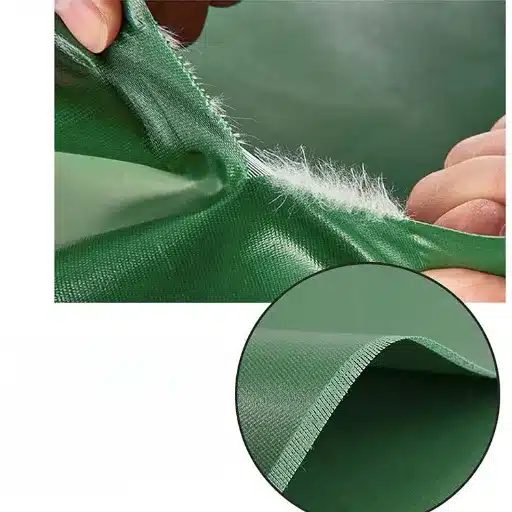
The elongation at break of tarpaulin is typically measured by a standardized tensile test method. A sample is placed in a machine, and a gradually increasing force is applied until it breaks. The elongation is calculated as the percentage difference between the sample’s length at the moment of rupture and its original length. This test provides information about the flexibility and durability of the material subjected to stress during production and usage.
Overview of Tensile Test Methods for Tarpaulins
Tarpaulins are most often subjected to tensile testing by means of the strip test and the grab test methods which are generally acknowledged as the best ways to measure the strength of materials.
Strip Test:
The procedure involves the creation of a tarpaulin strip of uniform thickness and length, usually a standard width, that is being pulled in a testing machine. The machine calculates the tension force that the sample can withstand before breaking and thus gives information on elongation and tensile strength.
Grab Test:
The grab test, in contrast to the strip test, measures the strength of the material held by clamps at the edges which is a relatively small piece, thus simulating more realistic stress conditions. This is especially beneficial in evaluating the performance of the tarpaulin in applications where localized forces are commonplace and the simulation of realistic stress conditions.
The testing methods are thus indispensable when it comes to deciding on the material’s strength, flexibility, and, subsequently, its range of applications.
Calculating Elongation at Break Values in Tarpaulin Samples
The elongation at break values in tarpaulin samples will be calculated by measuring the maximum stretching ability of the material before it breaks. This will be done by applying stress to the sample in a controlled environment, such as a tensile testing machine. The elongation at break will be calculated as the material’s length increase expressed as a percentage of the original length at the point of breakage. In this case, the following formula will be used:
Elongation at Break (%) = [(Final Length – Original Length) / Original Length] × 100
To ensure the accuracy of the results, the tarpaulin sample must be carefully prepared, appropriately anchored in the testing machine, and finally, the load must be applied uniformly. These figures are crucial for determining the lifespan and efficiency of the tarpaulin, particularly in areas where the material must resist deformation under various stress conditions while remaining flexible.
Interpreting Test Results for Tarpaulin Flexibility
Flexibility tests for tarpaulins provide their interpretation through percentage elongation and the material’s ability to maintain integrity under stress. Higher elongation percentages generally signify a more flexible material, which is imperative for use cases where the material has to be constantly folded or moved. Nevertheless, the flip side of high flexibility is that it can undermine stability in some scenarios, such as when the tarpaulin is meant to be tensioned and needs to remain taut.
The results will need to take into account also the type of material, thickness, and environmental conditions like temperature or humidity that can play a role in flexibility. A tarpaulin that performs well has the right mixture of the properties above— it can stretch and resist being completely deformed, thus the expected lifetime is tied to its intended functionality. Benchmarking against industry standards and comparing the results can greatly help determine whether the tarpaulin satisfies the performance requirements.
High Elongation at Break: Advantages for Tarpaulin Applications

One of the most considerable features of high elongation is that it allows the material to stretch under stress instead of breaking which makes the use of such material in tarpaulin highly demanding conditions like heavy loads, strong winds, or uneven surfaces more possible. This property not only improves the lifespan of tarpaulin but also reduces the probability of damage and in turn, the performance remains good in different environmental and industrial scenarios.
Benefits of High Elongation in Tarpaulin Durability
Among the most preferred characteristics of tarpaulin materials is high elongation, which brings with it many vital attributes. To begin with, it increases the flexibility or tensile strength of the material in such a way the tarpaulin can sustain really high stress and not break; this can be applied even to extreme weather, e.g., strong wind or heavy rain, and also to vibrations. Secondly, this characteristic helps the tarpaulin to resist punctures and abrasions, thereby cutting down maintenance costs and extending the life of the material. Besides, high elongation tarpaulins easily conform to the irregular shapes of the surfaces they cover, ensuring excellent security and tightness from transport to industrial use. To sum up, the advantages of high-elongation tarpaulins make them the ultimate choice in terms of durability and reliability for demanding environments.
Flexible Materials: Ideal Choices for Tarpaulin Manufacturing
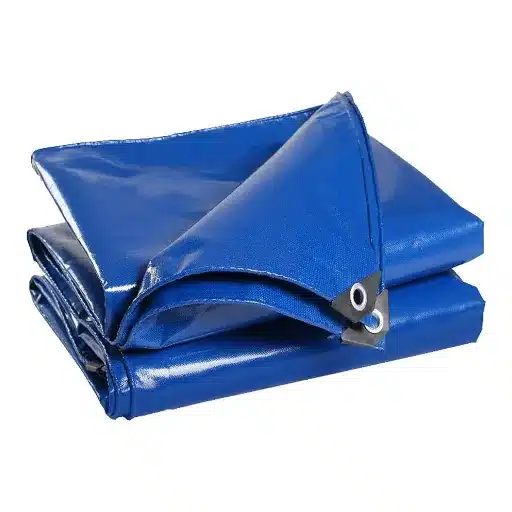
The choice of flexible materials for tarpaulin manufacturing plays a vital role in catering to the varied demands of the industrial and commercial sectors. The most popular materials are polyethylene, polypropylene, and polyvinyl chloride (PVC). Each of these materials has its own set of characteristics, such as water resistance, UV stability, and flexibility, which closely match the requirements for tarpaulin crafting. To illustrate, PVC tarpaulins are recognized for their strength and waterproof nature, making them suitable for heavy-duty applications. At the same time, polyethylene materials are lightweight and economical, making them excellent for temporary coverings. The combination of these materials with advanced coating technologies ensures not only the product’s longevity but also its adaptability in extreme environments where its use is needed.
Case Studies: Successful Tarpaulin Applications with High Elongation
High-elongation tarpaulins have been successfully applied in disaster relief, agricultural storage, construction projects, event covering, and transportation logistics.
| Application | Material | Key Features | Benefits |
|---|---|---|---|
| Disaster Relief | PVC | Robust, Flexible | Weatherproof |
| Agricultural Storage | Polyethylene | Lightweight | Cost-Effective |
| Construction Projects | PVC | Durable, Strong | Long-Lasting |
| Event Covering | Polyethylene | Portable | Fast Setup |
| Transportation | PVC | High Strength | Tear-Resistant |
Material Selection Based on Elongation and Tensile Properties
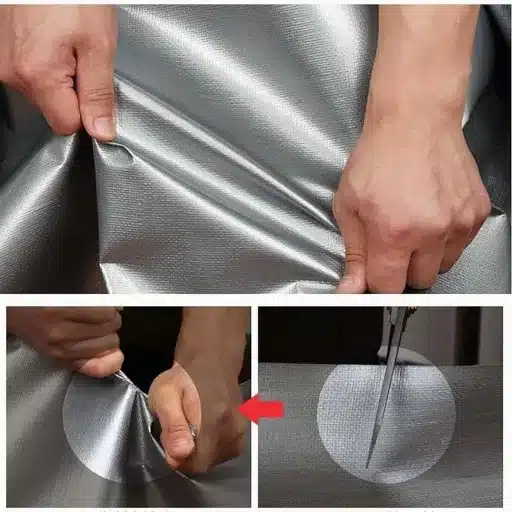
Material selection based on elongation and tensile properties involves thorough, application-specific consideration of requirements. PVC is identified as a prime candidate for strong and durable applications such as construction and transportation due to its sturdiness and resistance to tearing. Conversely, polyethylene is a perfect fit for agri-storages or temporary covering where lightness and flexibility are primary. The selection of these materials balances flexibility, tensile strength, and environmental suitability with the intended purpose.
Criteria for Selecting Tarpaulin Materials with Optimal Elongation
The selection of tarpaulin materials with optimal elongation is no easy task and one has to be very considerate of the following criteria:
- Tensile StrengthIt is necessary to assess the material’s strength concerning stretching and breaking. A material with high tensile strength will last longer and be more reliable even in challenging conditions.
- Material Composition
The polymer used, whether polyethylene or PVC, plays a significant role in the elongation and performance of the material. A compromise between flexibility and stiffness based on application should be the basis for selecting a material.
- Environmental Resistance
Think about how the material will cope with environmental factors such as UV light, moisture, and temperature changes. This will not only make it last longer but also minimize the chances of being damaged during its expected lifespan.
- Thickness and Weight
The thickness of the tarp will have a direct effect on how well it can elongate. Generally, light tarps will give more flexibility while the thicker will be more robust.
- Intended Application
Different applications call for various degrees of elongation. For instance, construction sites might need materials that are less stretchy and more rigid while agricultural and recreational purposes might require more flexible materials.
Once you have correctly evaluated the above criteria, you will have the perfect tarpaulin material for the functional and environmental demands of your specific projects.
Plastic Deformation and Its Impact on Tarpaulin Longevity
Plastic deformation is the term used to describe the permanent alteration in a material’s form when stresses beyond its elastic limit are applied. In the case of tarpaulins, this process can drastically affect their lifespan and performance. When the said materials are over-stretched or subjected to prolonged loads, the possibly conjoined fiber will undoubtedly get damaged; as a result, there will be either permanent stretching or breakage.
The principal aspects affecting plastic deformation in tarpaulins are the material composition (e.g., PVC, canvas, polyethylene), manufacturing quality, and exposure to harsh conditions from nature like extreme ultraviolet radiation or temperature. Besides, if frequently exposed to high stress or if improper tensioning is done, deformation will worsen over time.
To lessen the adverse effects of plastic deformation, it is essential to select the correct type of tarpaulin for the specific application and the environmental context. Also, if reinforced edges are used along with proper anchoring techniques, and regular inspections are done, the material’s life will be significantly longer while still maintaining its durability and dependability.
Future Trends in Tarpaulin Material Selection and Testing
To put it simply, the future of tarpaulin materials lies in making them more durable, environmentally friendly, and adaptable to changing applications. The production of composite materials with resistance to UV rays, abrasion, and brutal weather, which are more advanced and hence the manufacturing companies are working ceaselessly on them. The biodegradable and recyclable tarpaulin solutions are in the spotlight as the industries are trying to lessen their carbon footprint.
Moreover, material testing techniques are advancing towards more accurate and faster methods that can replicate long-term usage in various environmental conditions. This comprises high-tech stress simulation and UV exposure tests, among others, to ensure reliability and performance. The reinvention of innovative materials, such as self-healing coatings or sensors embedded to monitor structural integrity, is among the new ideas being explored to meet the increasing preference for both utility and eco-friendliness. All these developments are ushering in a new era of tarpaulins that will be more durable, less harmful to the environment, and better suited to the challenges of the modern world.
Reference Sources
- What is the elasticity of heavy-duty PE tarpaulin?
This blog discusses the relationship between elongation at break and elasticity in tarpaulins.
- Anti-tear HDPE tarpaulin with 20% elongation at break
Provides details on HDPE tarpaulins, including their elongation at break and applications.
- Is PE Tarpaulin strong?
Explores the tensile and tear resistance of PE tarpaulins, which are closely related to elongation performance.
- Tarpaulin Fabric: Key Features and Benefits for Outdoor Applications
Highlights the flexibility and stretch properties of different tarpaulin materials.
- Tarp Reinforcement Techniques: Strengthen Your Tarps
Discusses techniques to enhance the strength and flexibility of tarpaulins, which may include insights into elongation properties.
Frequently Asked Questions (FAQs)
Conclusion
Understanding elongation at break is essential for selecting the right tarpaulin materials that balance flexibility, strength, and durability. By considering factors such as tensile strength, material composition, and environmental resistance, you can ensure optimal performance for your specific applications. Whether for industrial use, construction projects, or temporary coverings, choosing materials with appropriate elongation properties will enhance longevity, reduce maintenance costs, and provide reliable protection in demanding conditions.