
Mold & Mildew Prevention: Cleaning & Storage Solutions
Tarps and tarpaulins serve as necessary equipment to protect your equipment from weather damage when you use them to cover outdoor furniture and protect vehicles and secure construction materials. The flexible covers require proper storage and maintenance because their misuse leads to mold and mildew growth which reduces product lifespan and operational capacity. This guide provides useful tips to help you maintain your tarps which include methods for preventing mold and mildew growth and methods for proper storage which will increase their life span.
Understanding Mold and Mildew on Tarps
Common Causes of Mold Growth
Mold and mildew growth on tarps occur primarily due to prolonged exposure to moisture and lack of proper ventilation. Tarps create an environment that supports mold spores when they remain wet or get stored in areas with damp conditions. This situation occurs frequently when tarps get used in locations with high humidity or after periods of heavy rainfall because water gets trapped on the tarps during those times.
The tarp develops another common problem when organic materials such as dirt and leaves and debris start to accumulate on its surface. Fungal growth receives support from these materials because they maintain moisture conditions and supply essential nutrients for development. Tarps require regular cleaning because it helps remove remains from their surfaces and protects against mold formation.
The development of mold and mildew in storage areas results from improper storage practices. The process of storing tarps in enclosed spaces or areas without ventilation becomes dangerous when users store them before achieving full dryness because this process creates conditions that enable fungal growth. You can stop this problem by making sure your tarps get completely dried before putting them away in a space that stays cold and dry while allowing air to circulate.
The Impact of Humidity on Poly Tarps
The performance and durability of poly tarps get serious impacts from humidity because it changes their physical properties. The combination of high moisture levels with tarps that stay outside for long periods results in dangerous outcomes to their material strength. The five ways that humidity harms poly tarps are shown in the list below.
1. Moisture Absorption and Weakening
Prolonging tarp exposure to humid conditions causes material damage through moisture absorption which worsens existing damage to the tarp.
2. Mold and Mildew Growth
Mold and mildew grow best in conditions created by excessive humidity. Fungi start to grow on tarps when they maintain water from environmental humidity, which makes the tarps lose their visual appeal and operational capacity.
3. Reduced UV Resistance
The combination of humidity and heat causes accelerated UV damage. Excess moisture degrades UV-resistant coatings on the tarp, which leads to material breakdown from sunlight exposure.
4. Warping and Stretching
Poly tarps experience warping and stretching when they enter humid conditions. The structural fibers of the tarp become disrupted through moisture, which causes the tarp to lose its original shape and decreases its strength.
5. Potential for Adhesive Failure
Humidity creates the power to weaken adhesive bonds which hold together seams that have been sealed with adhesive on the poly tarp. The result leads to leaks and reduced protection from weather elements.
Mold Growth Underneath the Tarp
Mold develops beneath tarps which exist in locations where humidity levels are high and air circulation remains restricted. When a tarp traps moisture against a surface, it creates an ideal environment for mold to thrive. This condition particularly occurs in regions with high humidity or whenever the tarp covers organic substances such as wood or fabric materials.
To stop mold from growing, it is necessary to create proper airflow conditions which exist under the tarp. The use of tarps which contain breathable materials or the practice of removing tarps for ventilation purposes can help decrease moisture accumulation. The practice of storing covered items in spaces which maintain stable humidity levels and the method of drying surfaces before applying covers to them both prove to be highly effective.
The presence of mold requires immediate solution development. The tarp needs removal before officials start cleaning affected areas with either mild detergent and water or a mold removal solution. The tarp and the surfaces below it need complete drying before officials can put the tarp back on. The process of inspecting and maintaining equipment needs to occur on a regular basis to stop problems from happening again.
Effective Cleaning Techniques for Tarpaulins

Specialized Cleaning Agents for Mold Removal
Specialized cleaning agents provide effective solutions for removing mold from tarpaulins because these agents enable complete mold elimination while stopping future mold growth. The cleaning solution that experts recommend consists of water combined with white vinegar because this solution effectively destroys mold spores while eliminating bacteria at a low cost. Vinegar serves as an effective mold inhibitor because its acidic nature creates conditions that prevent mold development.
For more serious situations, a mold and mildew cleaner which is sold in stores can be used according to the specific tarp material requirements. The specialized products used in this process contain active components such as bleach and hydrogen peroxide, which function as fungicidal agents to remove mold that has penetrated deep into the surface. The manufacturer’s instructions must be followed because they contain information about proper tarp handling and environmentally safe disposal methods.
The cleaning process requires tarp rinsing because clean water needs to remove all cleaning agents which would make the tarp weaker and cause skin problems in future uses. The tarp should be dried under direct sunlight because sunlight works as a natural disinfectant which helps eliminate any remaining mold. Tarpaulins require regular cleaning and drying because these practices help protect their structural soundness while extending their useful life in areas with high humidity and wet conditions.
Step-by-Step Mold Removal Process
1
Check the Canvas
Look for any visible damages such as discoloration, stains or foul smells in the tarpaulin. Highlight the spots that will need cleaning.
2
Prepare Your Solution
Create a cleaning solution with a three to one ratio of warm water and white vinegar or mild detergent.
3
Scrub the Tarp
Use a soft-bristled brush or sponge to gently scrub the cleaning mixture into affected areas. Avoid intensive scrubbing to prevent damage.
4
Rinse Thoroughly
Wash the tarp completely with clean water to remove every bit of cleaning solution and loosened mold.
5
Apply Spot Solution
For resistant mold, create a paste with water and baking soda, apply to the spot and rub gently.
6
Sanitize the Tarp
Use diluted bleach (if material permits) or store-bought mold remover following manufacturer instructions.
7
Final Rinse
Rinse again to extract every last drop of residual disinfectant solution.
8
Ensure Dryness
Position the tarp flat or hanging in sunlight for complete drying and natural disinfection.
9
Store Properly
Keep in a cool, moisture-free place with good air circulation. Fold compactly or roll for best results.
Ensuring Proper Drying and Ventilation
The assurance of the durability of the tarps, as well as other materials that are usually exposed to water, is very much dependent on their appropriate drying and ventilation. In particular, tarps should be dried in an open and well aerated environment where the air that is circulating around is constant at all times. If possible, hang the tarp up outside the house in which there is air and sun that will help to dry it quickly. Look for places that do not have a lot of shade and that are exposed to the sunlight directly as this will not only assist in drying but the UV light will also act as a natural disinfectant killing the microbes outside in mold prevention ways.
Furthermore, mechanical assistance in the form of fans or dehumidifiers can also assist in faster drying, especially when the humidity is high or within a confined space. Dehumidifiers work to suck the damp air out of the room. Since excess moisture will only encourage mold growth, it’s best to keep the interior space dry. Specific placement of household or industrial fans within an area may help to urge the overall drying process of the tarp by targeting left over wet areas.
To dry the tarp thoroughly and ventilate it properly at the same time would help in its usage for a longer period and most importantly prevent the contents from getting moldy in future. Good storage techniques such as isolating the tarps from any moisture laden surfaces and utilizing breathable storage covers will enable protection. Such and similar other mold prevention techniques, when executed on a continuance, will keep your tarpaulins serviceable for long periods.
Optimal Storage Conditions for Tarps
Choosing the Right Storage Environment
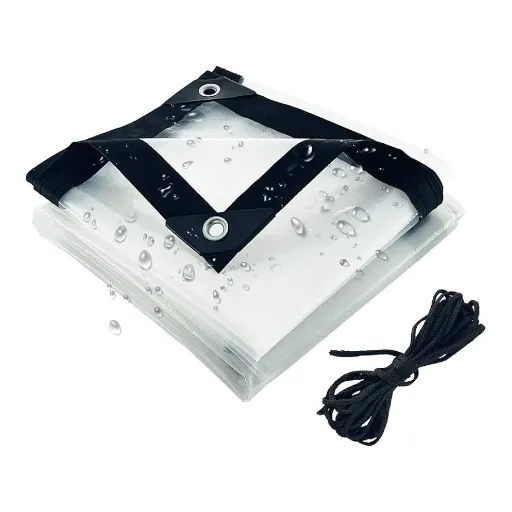
The selection of appropriate storage conditions for tarps should be based on the focus of mold prevention, minimizing sun-light exposure, and ensuring dryness. Moisture and prolonged sunlight exposure can degrade the material or cause problems faster. By focusing on locations with good ventilation, you can control humidity levels effectively, ensuring the space is not humidity-degraded.
Additionally, ensure that tarps are stored above floor level, primarily on shelves or hooks, instead of placing them on any surface that could have dirt or dampness. Even when stacking is necessary, avoid placing heavier items on top to prevent strain on the material, which might result in creases. Furthermore, storing these items in cases that allow air circulation while keeping dirt and debris out proves ideal.
Regular maintenance inspection of tarps prevents ripping or water damage. If the cover starts showing signs of wear, clean and mend at the earliest opportunity. Keeping storage spaces clutter-free and covers well-maintained ensures equipment is ready for immediate use whenever required.
Importance of Clean and Dry Storage
Clean storage environments significantly increase the service life of many items such as tools, equipment, tarps and other fabrics. The cleaner the storage environment, the less dust accumulation, fewer chances of rodent and pest infestation, and reduced risk of molds developing. Regular cleaning of storage spaces prevents the accumulation of dirt or items that will further deplete or destroy the space. Moreover, cleaning items properly before putting them into storage ensures they remain in the best condition possible.
Dry storage is equally important, as elevated moisture levels prove damaging to materials, especially those vulnerable to mold, mildew, and rust growth. A humid storage space allows tarps, tools, and other stored items to deteriorate quickly, often requiring expensive and time-consuming repairs or replacements. Dehumidifiers, silica gel packets, and moisture-trapping compounds can lower humidity within storage areas, forestalling these issues. Long-term water damage can be avoided if items are completely dried before being stored.
Maintaining clean and dry storage helps prolong usability and appearance while making processes more organized and effective. Clean storage allows quick access and retrieval of goods, simplifying workflows and protecting productive hours. Additionally, clean dry storage options prove cost-effective for asset management, reducing spending on repairs, replacements, and unexpected operational shutdowns in the long run.
How to Fold and Store Tarps Properly
Preventative Treatments for Tarps

Waterproofing Sprays: Benefits and Application
Tarps used in wet climate conditions or areas with regular rainfall require waterproofing sprays to preserve efficiency and extend working life. These sprays form an invisible layer over the material, acting as a water-proofing aid and keeping leaks at bay. Light and easy application of these sprays assists in mold prevention while extending the life of tarps constantly exposed to wetness.
The first step in applying waterproofing spray involves thorough purification of dirt, dust and oil residues on tarp surfaces that would otherwise interfere with material application. Next, allow the tarp to fully dry out before applying the spray. Ensure the product is applied over the entire area consistently, adhering strictly to manufacturer’s instructions regarding nozzle distance. Applying two or three thin coats rather than one thick coat ensures thorough coverage without excess saturation. After application, allow the recommended curing time for proper water-repelling function.
Integration of waterproofing products as part of preventive maintenance practices not only extends useful tarp life but also enhances efficiency in all settings, whether camping, construction sites, or harsh weather house protection. Many available sprays now include additional features such as UV protection, contributing to further lengthening tarpaulin usability.
Mold-Resistant Coatings for Long-Term Protection
Mold prevention proves imperative for lengthening the service life of fabrics susceptible to wear and tear due to moisture or humid environments. Applied to surfaces, these coatings protect against and contain the growth of mold, mildew and other disease-causing germs within coated structures. Through this reduction in mold growth phenomena, tarp life is maintained while avoiding situations involving tears, bleaching or odors that make components inefficient.
Improvements in mold prevention technology have introduced new formulations to increase durability and effectiveness. New coatings contain antifungal and antimicrobial properties addressing various mold species, thereby providing broader protection ranges. Some high-end products feature self-cleaning properties eliminating the need for over-washing dirty and muddy surfaces that absorb and harbor microbes. These developments allow easier and more efficient tarp maintenance.
The preferable approach for mold prevention involves using appropriate coatings as part of maintenance programs. Periodic inspections should identify internal spoilage threats at early stages before growths or fungi arise, allowing timely coating application. Moreover, prevention of fungi infestation can be enhanced by storing tarps in low-temperature, low-humidity locations while not in use. Whether protecting outdoor stored items, enhancing camping tarps, or farm use, high preventive coatings with fungal growth resistance prove worthwhile long-term investments.
Routine Maintenance Tips to Prevent Mold Growth
Post-Use Inspection
Always check tarp condition after use to ensure no water patches, mud, or dirt remain, as these lead to moisture retention and mold growth. Wash using soapy water and scrub clean of any dust or organic remains, eliminating fungi attack possibilities. Ensure complete drying before storage to prevent excess moisture accumulation.
Proper Storage Location
Avoid leaving tarps on the ground when not in use. Find a cool, dry, well-ventilated location ensuring environmental elements have no takeover chance. Fold or roll tarps rather than throwing on floors, preventing unwanted surface ridges that trap moisture. Consider storage options incorporating moisture control devices such as silica gel sachets to minimize humidity levels.
Regular Mildew Inspections
Always look for discolored spots, texture changes, or mildew smells on tarps as early-stage mold indicators. If problems arise, address both the issue and its cause, whether incorrect material placement or constant moisture exposure. These simple care measures maintain tarps in good condition, save money on replacements, and ensure tarps remain usable for their intended purposes.
References & Resources
- Controlling Mold Growth after the Storm (Texas A&M University)
This document discusses the use of waterproof tarps to prevent additional damage and mold growth after storms. - Best Practices for Indoor Air Quality when Remodeling (EPA)
The Environmental Protection Agency provides guidelines on moisture control as a key factor in preventing mold growth. - Tips For Drying Out a Water Damaged Building (North Carolina HPO)
This resource offers practical advice on removing mold and mildew, including cleaning techniques and materials. - Click here to read more.
Frequently Asked Questions
How can I prevent tarpaulin mold growth during outdoor activities?
To help with tarpaulin mold prevention while performing activities in an outdoor environment, choose a strong, mold-resistant canvas with a waterproof layer or PVC options. After use, always remove debris, wash off dirt stains with soap and water, and dry thoroughly before storage, since moisture promotes mold and mildew growth.
What is the best way to clean a tarpaulin to avoid it becoming a breeding ground?
Apply water and mild detergents to stubborn stains and use a brush to scrub dirt off. Rinse thoroughly and dry outside in sunlight when available. For persistent mildew or mold odor, apply a mild PVC tarpaulin-compatible chemical cleaner, rinse, then completely dry out.
Can waterproof coating alone ensure tarpaulin mold prevention?
A protective water-resistant layer aids in protection against water and decay, however, this does not guarantee complete tarpaulin mold prevention. Moisture left in creases or stored wet in sealed containers will still invite fungus and accompanying odors. Waterproofing requires additional effort including proper cleaning, drying and storage.
How should tarpaulins be packed to avoid mold and smell?
Ensure tarpaulins are clean and dry before storing in a mesh bag or closed container to avoid moisture. Never fold when wet—instead, lay them out or roll them up after thorough drying. For prolonged storage, ventilate the space in cool conditions to prevent decay and odor; periodic airing also facilitates long-term mildew prevention.
Are PVC tarpaulins less effective in tarpaulin mold prevention compared to other materials?
Weather-coated PVC tarpaulins are robust and more mildew resistant due to waterproof coating with smoother surfaces ensuring dirt doesn’t stick easily. However, molds can still develop and cause damage, especially if stored wet or left in damp, rainy conditions without washing and drying—maintenance remains mandatory.
What should I do if there are persistent stained areas and moldy parts on a tarpaulin?
For persistent stains and worn areas, dust and wet in warm water with mild washing detergent, scrubbing with a soft brush. For stubborn mold, apply manufacturer-suggested chemical treatment, then rinse completely and ensure total dryness. Repeat as needed; sun-drying helps remove musty smells.
Can regular maintenance prevent tarpaulin damage during rain seasons?
Absolutely. Regularly maintaining and preventing tarpaulin mold minimizes chances for rot or destruction during dry or wet seasons when rain is expected. This involves closing gaping seams, verifying waterproof layer integrity, removing organic materials that hold water, and ensuring no water collects on the tarp structure, preventing harmful mold and mildew growth.
When should I check tarpaulins for the presence of mold and mildew?
Check tarpaulins after every use, and at least monthly during rain season. Look for discoloration, moldy smell, or soft places indicating rot. Clean and dry properly as soon as possible to maintain durable mold resistance features and effective tarpaulin mold prevention mechanisms for extended periods.
Can tarpaulins get moldy if kept in a container, and what prevents it?
Tarpaulins should never be stored in enclosed compartments when wet, as this provides perfect conditions for fungi growth and bad smell development. To prevent this, always dry tarps before container storage, place silica packs inside, and open containers periodically to ventilate and detect mold growth if present.