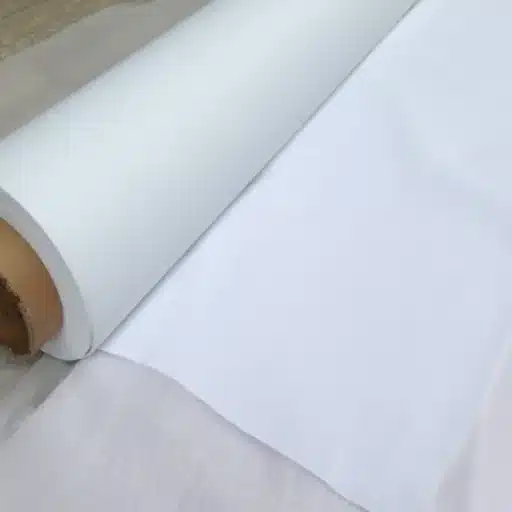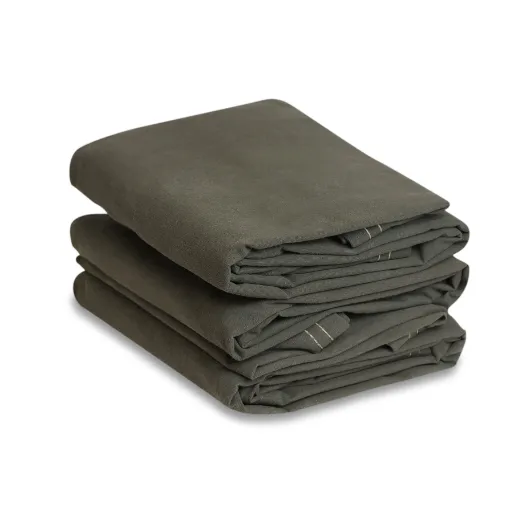


Reinforced Tarpaulin: Scrim, Mesh & Reinforcement Systems
Reinforced tarpaulin comes in handy for a range of tasks, such as protecting precious devices or even construction sites, and reinforcing enclosures that withstand inclement weather. But what makes such tarps strong and dependable? It is indeed their mesh, scrim, and other sophisticated reinforcements. In this article, we will look at the specific design and technology of reinforced tarpaulins in more detail, understanding how these factors combine to provide optimal durability, resistance, and adaptability. At the end of the article, you will know why reinforced tarpaulin is a preferred option in many sectors—and how it will work for you. Let’s locate and remove the invention and creativity that is at work in this section’s material.
Understanding Reinforced Tarpaulins
Reinforced tarpaulin is a highly durable material formulated to withstand harsh environments. Such tarpaulins are fabricated by combining high-quality fabrics, such as polyester or polyethylene, in layers, with a stiff mesh or scrim to enhance structural integrity. In addition, these layers are laminated or wrapped in PVC or polyethylene to prevent water penetration, ultraviolet degradation, and tears. Therefore, reinforced tarpaulins are practical, functional, and efficient, making them widely used in construction, the storage industry, and even transportation. Such material is rigid and can perform in the harshest conditions without breaking down and that is the very reason why it is the material of choice in harsh conditions.
Definition and Overview of Tarpaulins
Tarps are large covers made of robust, adaptable material that are used for many purposes. Often made of industrial materials such as canvas, polyethylene, and even vinyl, tarpaulins are reinforced to withstand strong forces and prevent breakage. These surfaces are used to cover the items or areas against any external climatic conditions such as rain, sun and strong winds.
Advances in technology have enabled the customization of contemporary tarpaulins to meet specific requirements across various applications. For instance, polyethylene tarpaulin is often UV-stabilized to prevent long-term changes caused by sunlight, and fire-resistant tarpaulins undergo this treatment for health and safety within the industry. These have advanced so much that North America has grown its use for agricultural purposes, including cover crops, disaster mitigation, temporary homes, and even as green alternatives for protecting construction materials. Tarpaulins are helping expand into many sectors due to their varied application.
Importance of Reinforcement in Tarpaulins
To give tarpaulins extra reinforcement is necessary if one intends to improve their performance and longevity in hostile environments. They have plastic, polyvinyl, or fabric encasements around the edges, especially at the corners, to help protect against wear and tear. Such craft allows users to have dependable tarping even in bad weather, such as strong winds or rain on top of the tarpaulin, for whatever purpose, whether temporary or permanent. Moreover, the reinforced tarpaulins are said to be stronger, making them more suitable, for example, for transporting loads, carrying equipment, or providing emergency shelters. The principles of modern reinforcement processes enable manufacturers to meet the various needs and expectations of industries worldwide.
Key Components: Scrim, Mesh, and Reinforcement Systems
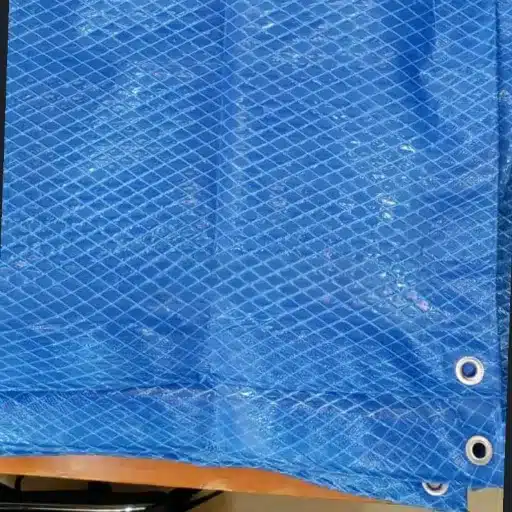
Durability and practical utility have been at the core of today’s flexible reinforced tarpaulin construction through scrim, mesh, and reinforcement systems. The layer in the middle, known as scrim, consists of what is fabricated chiefly from woven fabric or yarn, which is the source of the fundamental physical properties of the tarpaulin. Provided by weaves, mesh helps increase durability and prevent the material from tearing over time. These reinforcement systems, such as edge sealing or cross-weaves, are applied to heavily stressed regions to resist decomposition and preserve the product for as long as possible. It is through these elements that tarpaulins are designed for heavy-duty use, performing even in harsh environments.
Scrim in Reinforced Tarpaulins
Scrim is important factor when it comes to reinforced tarpaulin making. The scrim creates a robust structure that enhances the tarpaulin’s load-bearing capacity. Scrim is the middle layer, it designed to offer support for the material and thus prevent the material from tearing or elongation. A scrim is a woven membrane, based chiefly on polyester or fiberglass, and it is protected by means of coatings or lamination to shield it from adverse weather conditions, UV radiation, moisture, and chemicals. Such a policy ensures that tarpaulins do not disappoint even in such harsh environments.
Types of Scrim Materials
Reinforced tarpaulins use scrim materials such as polyester, fiberglass, nylon, cotton, and polypropylene.
| Material | Strength | Durability | Flexibility | Weather Res. | UV Res. |
|---|---|---|---|---|---|
| Polyester | High | High | Moderate | High | Moderate |
| Fiberglass | Very High | Very High | Low | High | High |
| Nylon | Moderate | Moderate | High | Moderate | Low |
| Cotton | Low | Low | High | Low | Low |
| Polypropylene | Moderate | Moderate | Moderate | High | High |
Manufacturing Process of Scrim
The following are a few critical steps involved in the manufacture of scrim for tarpaulins, including ensuring strength, durability, and adaptability.
- Materials – The initial step of the process involves selecting appropriate basic materials, such as polyester, glass, or polypropylene, based on the set performance criteria.
- Yarn Formation – The basic materials are made into yarns that have controlled thickness and smoothness.
- Weaving – The yarns which are prepared are woven in such a manner that they make a fabric, and this is the so-called scrim. It is during this step that the flexibility and strength of the material is achieved.
- Coating/Laminating – The woven scrim of this kind is then coated or laminated with such a polymer as PVC or polyethylene in order to improve resistance to weather, water and UV protection.
- Testing and Finishing – The final scrim is subjected to quality control measures to ensure that it conforms to necessary physical, performance and weathering properties prior to being cut and made ready for the fabrication of reinforced tarpaulin.
Throughout the process, each step is monitored with precision to manufacture premium-quality scrim that can be used efficiently across different industries.
Role of Scrim in Durability and Performance
There is a relation between the presence of scrim and the enhanced functional longevity of tarpaulins. Composed of several layers of materials, scrim serves as a tensile strength bearing element and ensures resistance to tears crucial for severe weather and rigorous usage tarpaulins. Available data states that reinforced tarpaulin fiber or similar lattices coated with polymeric materials, improves significantly the resistance against water, ultraviolets and general environmental conditions.
Key Statistics: Current trends in scrim technology lean toward tightly woven, high-tensile materials with protective coatings for greater elasticity and anti-puncture performance. This advancement makes tarpaulins reliable for highly demanding applications, such as construction, transportation, and outdoor event protection. Moreover, statistics show that the quality of scrim accounts for about 40% of a tarpaulin’s lifespan, making it a cost-cutting, long-lasting solution.
Mesh: The Backbone of Heavy Duty Tarps
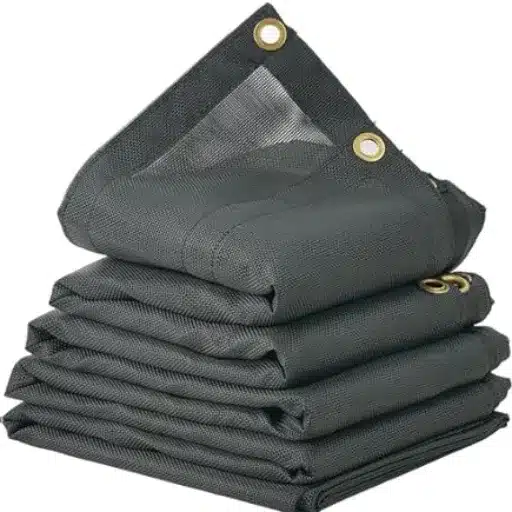
The mesh is an essential component of heavyweight tarpaulins, providing the structure needed for more complex tasks. This contributes to the tarpaulin’s tensile strength, tearing resistance, and overall service life. A strong mesh composition is critical to the tarpaulin’s ability to endure harsh Environmental conditions, heavy loads, and multiple utilities, thereby rendering it essential for such harsh-duty applications.
Varieties of Mesh Used in Tarpaulins
1. Polyethylene Mesh
Commonly used outdoors due to its lightweight nature, waterproof nature, and resistance to ultraviolet rays. Advantages of using these materials include polyethylene’s durability and low cost, which make it ideal for applications in the agricultural sector and on construction sites.
2. Polypropylene Mesh
High strength and moisture resistance are two properties that make polypropylene mesh ideal for equipment cover and other heavy-duty use. It is incredibly lightweight and versatile, thus making it a favorite.
3. Vinyl-Coated Polyester Mesh
This type of mesh is superior in strength and flexibility. Vinyl-Coated Polyester Mesh is mainly used for applications that require flame retardancy and long-term durability, such as in industrial and transportation applications.
4. Shade Mesh
Shade mesh is developed in such a way that it prevents sun’s harmful rays through certain air molecules as well. Used mainly for agricultural purposes, horticulture and incorporating shade on patios.
These materials can range from the hardy, durable plastic typically used for a reinforced tarpaulin, which is excellent for outdoor use, to softer materials such as canvas, which is best used indoors, again thanks to its ability to be painted on.
Advantages of Mesh Reinforcement
- Improved Strength and Endurance – The use of mesh reinforcement improves the tensile aspect of the tarpaulins significantly as they do not tear easily and serve their purpose better in heavy industries.
- Lightweight yet Strong – The benefits of using a mesh reinforcement are evident: despite the increased strength, the reinforcement mesh does not add weight, making handling and installation very easy.
- Increased Weather Resistance – In this regard, reinforced tarpaulin effectively withstands wind, rain, and ultraviolet radiation, minimizing the performance risk outdoors.
- Flexibility in Generic Use – Due to their increased strength and stability, these tarpaulins can serve many purposes, from construction to agriculture.
- Economical Durability – With increased resistance to wear and tear, tarpaulins with mesh reinforcement do not cut easily, thereby lasting longer and reducing the need for frequent replacement.
Applications of Mesh Reinforced Tarps in Different Industries
Mesh-reinforced tarpaulin panels are ideal for many applications, thanks to their wide range of uses and the toughness of the reinforcements. Various constructions, including but not limited to, lifting walls, scaffolding protection, containment of dust and debris, weather control around constructed places – these products are used. Their robustness will block weather elements from jeopardizing the safety of the construction equipment and the project. The Mesh reinforcement will allow for adequate airflow thus resolving the potential heat issue.
In agriculture, these mesh-reinforced tarpaulin panels are designed to protect crops and machinery from sun, excessive rain, and wind. Farmers can use UV-protected tarpaulins as a ceiling for livestock shading or as a top cover for hay bales to prevent water problems caused by rain.
Another significant beneficiary of these tarpaulins is the transportation and logistics business. In practice, they are widely used as truck covers to secure and protect the load during transportation. Their design is lightweight yet strong enough to protect the goods without overloading the vehicle.
Moreover, some industries also opt for mesh-reinforced tarpaulin, such as sports, events, and landscaping. They, for instance, include windbreakers for outdoor venues, perimeter nets around sporting grounds, and landscape erosion tarpaulins, among others. Also, their versatility in different circumstances has shown them to be practical and economical in many activities.
Reinforcement Systems: Enhancing Tarpaulin Strength

Reinforcement-based applications to the structure and design of sheet materials help improve their strength and lifespan, with reinforced tarpaulin no exception. Such designs include reinforced hems, high tensile threads, and grommets to address issues such as tearing and loading. This ensures that tarpaulins can withstand adverse weather conditions, loads, and tears for a long time and are therefore applicable in such scenarios.
Types of Reinforcement Systems Used
1. Double Hemming
A double hem adds strength to the edges of the cover by providing additional material and/or stitching around the corners. The main objective is to strengthen the edges so they do not fray or tear over time.
2. Grommets and Eyelets
Usually, metal or plastic grommets are included on the tarps at regular intervals along the edges. These serve as solid bases for tying up or putting down the tarp, reducing tension on both the tarp and the workload.
3. High-Strength Threads
High-strength strands are often nonlinear chemical structures formed from woven tarpaulin pieces, which strengthen the configuration. This means the material will endure repeated stretches or pulls without ripping.
4. Cross-Layering
Some tarpaulins have several layers of fabric arranged and bonded in a cross-bound manner. This helps the construction be more even and more resistant to punctures or heavy loads.
5. Ribs or Checkered Patterns
Finally, that can also be additional covering, brought in as ribs or checks and woven into the reinforced tarpaulin. This, alongside other strategies such as ensuring the material is flexible or elastic, makes it especially effective for use on tear-prone surfaces.
Impact of Reinforcement on Waterproofing and UV Resistance
The introduction of reinforcement layers into synthesized fabrics enhances water repellence and abrasion resistance. The incorporation of extra layers and different film types, such as cross-laminated layers and ribbing designs, significantly reduces porosity by preventing water penetration and fostering a high-barrier effect. These materials offer additional benefits, as they minimize sun fading from prolonged exposure. In particular, great care is always taken in the surrounding design, which includes a UV-protective skin that shields the interior from aggressive external rays, thus improving the longevity of the tarpaulin. The most recent research indicates that reinforced tarps should be at least 40% more waterproof and sun-resistant than non-reinforced analogues, making them essential in adverse conditions and for outdoor use.
Comparative Analysis of Various Reinforcement Techniques
The various reinforcement techniques in tarpaulins include heat sealing, stitching, grommet reinforcement, welded seams, and reinforced edge binding.
| Technique | Description | Durability | Cost | Best Use |
|---|---|---|---|---|
| Heat Sealing | Fuses layers | High | Moderate | Waterproofing |
| Stitching | Sewn edges | Moderate | Low | Load-bearing |
| Grommet Reinforce | Metal rings | High | Low | Tie-downs |
| Welded Seams | Seam bonding | High | High | Heavy-duty use |
| Edge Binding | Strong edges | Moderate | Low | Tear-resistance |
Practical Applications of Reinforced Tarpaulins
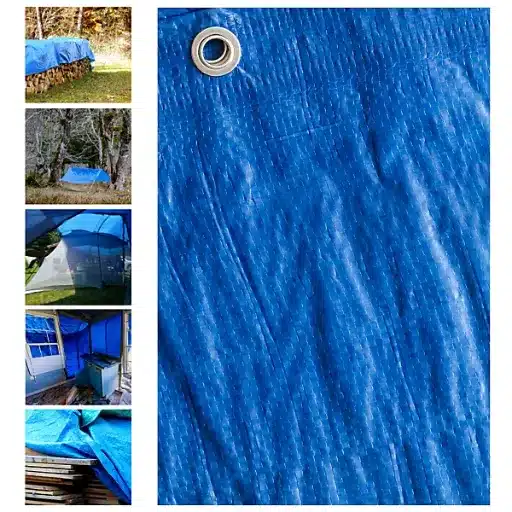
Key Applications
- Tarps For Trucks – Protects the load from rain, wind, and sun during delivery.
- Building Sites – Are used to cover scaffolds, machines, and materials for protection.
- Farming – They are best for covering hay bales, polytunnel tunnels or for mulching.
- Outdoor Canopies – Act as strong roof covers or even tent tarps for outdoor functions.
- Rescue Operations – Are used in areas/regions hit by catastrophes as quick constructions, floor tarpaulins, and blinds.
Construction and Industrial Covers
On any construction site or in the industrial sector, covers are a foremost essential that protect materials, equipment, and portions of the site from varying threats posed by weather, dust, and even health hazards. These are composed of durable materials such as polyethylene or PVC, which are long-lasting and not prone to wear. The most common purposes of such covers are affixing working services and plant, enclosing shelters for equipment, and preventing water from entering while framing has already been completed. In addition, these covers are essential during concrete placement, as they are often needed to cover civil structures during construction and to provide weatherproof areas for labor forces for a limited period of time.
Industry Insight: Which material is most commonly found in industrial covers? Polyethylene is the most common material because its price, durability, and elasticity suit a wide range of construction and industrial applications. While reinforced tarpaulin offers many advantages, it may have a higher initial cost.
Agricultural Uses of Heavy Duty Tarps
In the agriculture sector, heavy-duty tarps are essential for protecting goods of all kinds, thanks to their durability and reliability. Farmers often use them to cover hay, protect it from rain, and keep it lightproof so it does not spoil. Otherwise, ground covers can also be used for weed control and/or to retain soil moisture. The farmers also use reinforced tarpaulins to make temporary livestock shelters, which protect animals from bad weather. Modern agricultural practices cannot do without these tools due to their wide range of applications, durability, and resistance to various weather conditions.
Emergency Shelters and Outdoor Activities
The importance of tarps in emergency shelters and outdoor activities cannot be overstated. They offer practical and economical solutions in adverse conditions. For instance, many people in distressing conditions due to natural calamities or emergencies, such as wars, are sheltered in tents and tarpaulins, which are weatherproof and waterproof to some extent. This is because the tent-like and tent-free applications of these materials are straightforward to handle and can be set up very fast, unlike other materials.
For those who enjoy nature, tarps become one of the essential gear for camping and trekking as they are easy to use to build temporary roofs, hedges, canvassing or flooring cover. Analysis of recent search patterns shows that the search terms “best tarpaulins for camping” and “how to make a tarp shelter” have increased, indicating that more patrons are considering using tarpaulins for leisure. These functional accessories have importance in the store as reinforced tarpaulin with accessories and not only as a survival kit for emergencies and outdoor activities.
Reference Sources
- OSHA (Occupational Safety and Health Administration)
Document: Roof Tarping (Blue Roof) Safety
This document discusses the use of reinforced plastic tarps, commonly called “Blue Roofs,” for temporary protection of roofs after severe weather damage. It provides safety guidelines and material specifications. - Academia.edu
Paper: Plastic Curing Tarp and Chamber for Curing Concrete
This academic paper explores the use of plastic tarps, including reinforced options, in construction applications like curing concrete. - City of Springfield, MO
Document: Reinforced Tarpaulin Panels – Bid Document
A government-issued bid document detailing specifications and applications for reinforced tarpaulin panels, including fire and water resistance. - Boston University Blogs
Blog: Discover the Versatility of Striped Tarpaulin
A blog post from Boston University discussing the performance and applications of reinforced tarpaulins in various industries. - Butler University Blogs
Blog: Discovering the Best Truck Tarpaulin Options
A comprehensive guide on truck tarpaulins, emphasizing reinforced edges and grommets for durability and secure fastening.
Frequently Asked Questions (FAQs)
What is a reinforced tarpaulin and its benefits?
Reinforced tarps protect against wear and tear and are used for multiple applications. Thicker polyethylene is generally used, so the tarp stands up to adverse weather—the denser the tarp, the better. Reinforcement fabric enhances the tarp’s tear and rip resistance, extending its life for up to several years of use in applications such as covering a boat, furniture, or outdoor enclosures.
What sizes do heavy duty poly tarps come in?
Heavy-duty poly tarps are found in sizes to fit any needs. Small sheets for camping or large tarpaulins for covering a vehicle or outdoor furniture are available in standard sizes. When choosing a size, consider the area you want to cover and the mil thickness that best suits your needs.
How does mil thickness influence the performance of poly tarp?
The mil is a measurement of thickness for a poly tarp, and this determines its durability. The thicker tarps, like 16 and 20 mil ones, offer more resistance to weather, tears, or abrasions. The 10 mil type may suffice for light use, while those labeled as super heavy-duty should be used for demanding applications to assure longer service life.
Are reinforced tarpaulins waterproof and weatherproof?
Yes, they are waterproof and weatherproof. They guard against rain, snow, and sunlight; therefore, they are best for outdoor use. Most are also UV-resistant, so they do not fade or deteriorate over time.
Can I use a reinforced tarpaulin for covering a pool?
Yes! An extra heavy duty waterproof tarpaulin is what you want for covering pools. It keeps out dirt and protects the water from additional contaminants. Make sure to choose one large enough to cover the entire pool area, made from durable, rip-resistant material.
What are the benefits of brass grommets installed in tarps?
Brass grommets reinforce tarp corners, thus providing easy points for anchoring. They prevent the ends from tearing, especially useful in wind- and movement-related applications for the tougher tarp. This practically augments the tarp’s durability.
Conclusion
Reinforced tarpaulins represent a perfect combination of engineering innovation and practical functionality. By strategically integrating scrim, mesh, and advanced reinforcement systems, these materials deliver exceptional durability, weather resistance, and versatility across numerous industries. Whether you’re protecting construction equipment, covering agricultural goods, or creating emergency shelters, understanding the technology behind reinforced tarpaulins helps you make informed decisions for your specific needs. With proper selection and maintenance, these robust covers provide long-lasting, cost-effective solutions that withstand the harshest conditions.