
Pool Tarp & Vinyl Liner Buyer’s Guide 2025: Complete Selection
When maintaining or improving the pool, using the appropriate equipment makes a huge difference. Whether you are considering ways to cover your pool in the winter or enhance its look and usability, the selection of pool tarp and vinyl liner should be done with precision. With the choices on offer, it’s easy to see why getting the best for your application proves difficult. This is the purpose of this contained guide.
In this detail-rich catalogue of 2025, our purpose is to help you understand the basics of the pool tarp and vinyl liner, including construction materials, lifespan, creative designs, and maintenance and operation. This guide was put together with both the homeowner buying a pool for the first time and the more experienced pool lover in mind, to help them make choices that are in their interests and their pockets. Learn about the hottest themes, hear from the most seasoned professionals, and see what tools you can use to keep your swimming facility in working order year-round!
Understanding Pool Tarps
Swimming pool covers are vital for keeping pools clean, reducing water consumption and the labor required to clean the pool. They serve as protection against dirt, leaves, and other objects that may find their way into a pool. More importantly, they reduce the amount of water that evaporates and help retain some of the water’s warmth, which is advantageous for heated pools. There are several considerations to make and one of them is the pool tarp’s material, which has to be tough and able to withstand all weather conditions. Regularly inspecting and cleaning the tarp will ensure its efficiency and longevity.
What is a Pool Tarp?
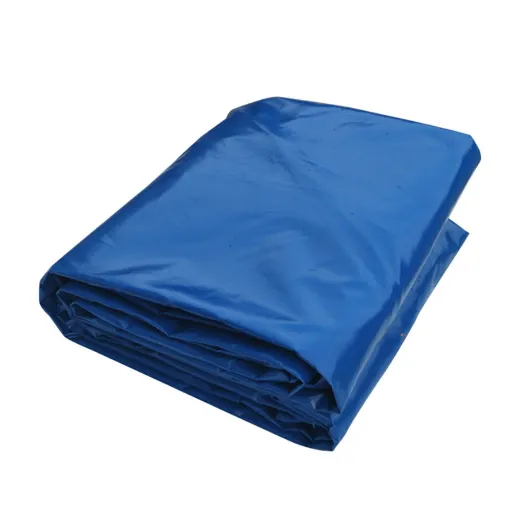
A pool cover, often called a pool tarp, is a fabric cover placed over a swimming pool when it is not in use. It is used for several reasons; one is that it keeps debris out of the pool—leaves, dirt, bugs, etc.—hence reducing the time and effort required for cleaning. Pool tarps are also effective at reducing evaporation, conserving water and maintaining the pool’s temperature, especially when the pool is heated. These days, pool tarps are available in various fabrics like vinyl, polypropylene or even polyethylene to ensure longer life as well as some resistance to the elements. In more sophisticated designs, it may also incorporate features such as UV light protection, built-in safety locks, or even automatic operation for ease of use. In covering the pool, a tarp protects and lengthens the useful life of the devices used in the pool and also reduces maintenance and helps in conservation of water.
Types of Pool Tarps
There are several types of pool tarps, including solar, winter, safety, thermal, mesh, and automatic.
| Type | Material | Purpose | Durability | Special Features |
|---|---|---|---|---|
| Solar Tarps | Polyethylene | Heat retention | Medium | UV protection |
| Winter Tarps | Polypropylene | Winter protection | High | Freeze resistance |
| Safety Tarps | Vinyl | Prevent accidents | High | Safety locks |
| Thermal Tarps | Foam-based | Heat insulation | Medium | Energy saving |
| Mesh Tarps | Mesh fabric | Debris blockage | Medium | Water drainage |
| Automatic Tarps | Varies | Effortless coverage | High | Motorized operation |
Benefits of Using a Pool Tarp
- Reduces Evaporation: Pool tarps help minimize water loss through evaporation, aiding water conservation and reducing the frequency of refills.
- Keeps Debris Out: Pool tarps also help keep the pool surface closed, preventing leaves, dirt, and other debris from entering the pool, keeping it cleaner and reducing cleaning effort.
- Maintains Water Temperature: Pool tarps, especially thermal covers, help retain heat in the pool, warming the water for an extended period and reducing heating bills.
- Enhances Safety: The safety tarps prevent slips and falls, providing an added sense of security for families with kids or animals in the house.
- Lowers Chemical Usage: As pool tarps decrease exposure to the outside elements, there is an equilibrium in the chemicals in the water, which means less time needed for treating the water as well as the chemicals used.
Selecting the Right Pool Tarp

Consider the pool’s size and shape when choosing the right pool tarp for a perfect fit. Check what you will require, whether it be heat preservation, debris exclusion or security, and get a tarp that is tailored to the purpose. Practicality aside, durability, simplicity and convenience in usage and maintenance influence your purchase. Cost is the last aspect, one which you will balance with the benefits it will bring in the long run so as to make a cost-effective decision.
Factors to Consider: Size and Shape
The dimensions of your pool tarp are essential for functionality. You need to measure the pool’s length, width and any attachments such as steps or rounds for them to fit correctly. A short tarp is problematic because it will not cover some areas, thereby reducing protection against dirt and even heat. On the other hand, an oversized tarp may be bulky to handle and secure. There are many special-shaped tarps manufactured for cases such as a pool that is not the standard shape. To avoid wasting money on pipes that do not fit, it is wise to focus on precise dimensions – they will ensure optimal use of the tarpaulin and keep it functional for longer.
Choosing Between Inground and Ground Pool Tarps
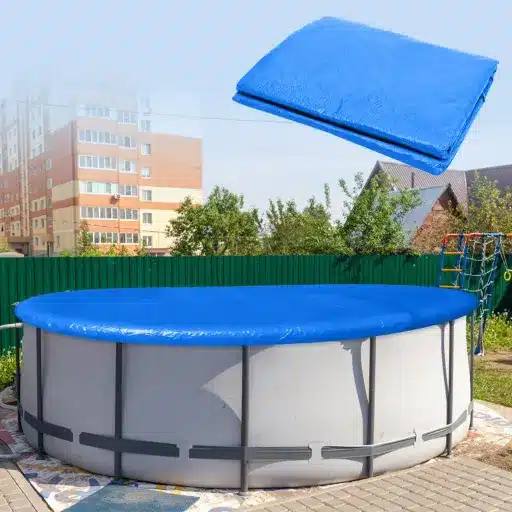
When selecting a pool tarp, whether inground or above-ground, consider its purpose, the materials it is made of, and how to handle it. In-ground pool covers are designed to cover the entire pool edge and provide better protection against debris and evaporation. This often comes with enhancements like a securing feature and a heater, which is why they are usually more permanent. On the contrary, the cover of the above-ground pools is generally heavier and more complex to engage but is additionally cheaper. To secure these covers, they mainly use wires or clips, and these types of covers can be used only during certain seasons. In the end, it is always a balance between what kind of pool you have and how you intend to use it and your funds.
Evaluating Material: Poly vs. Tarpaulin
When evaluating poly versus tarpaulin materials, key considerations include durability, weight, waterproofing, UV resistance, cost, and ease of use.
| Key Point | Poly | Tarpaulin |
|---|---|---|
| Durability | Moderate | High |
| Weight | Lightweight | Heavier |
| Waterproofing | Partial | Full |
| UV Resistance | Limited | Strong |
| Cost | Low | Moderate |
| Ease of Use | Easy | Moderate |
Winter Pool Covers: Essential Protection

Winter pool covers are necessary because they keep debris out of the pool, reduce water level evaporation, and curb algae growth as the weather gets colder. Selecting high-quality fabrication, such as a thick, waterproof pool tarp that offers excellent UV protection, ensures extended use. Sheeting covers, on the other hand, are considerably lighter and infinitely cheaper than ‘traditional’ tarpaulin but lack a cushioning effect.
Importance of a Winter Pool Cover
Covering the pool with a pool tarp in winter is beneficial because it prevents dirt from entering the pool, makes maintenance easier, lowers overall costs, and helps maintain safe water when the pool is not in use. This is because it guards the pool against foreign elements such as leaves and soil, and restricts algae growth by blocking sunlight. It also conserves water in the pool, preventing evaporation, and lessening the instances of having to fill up the house pool again which is tedious and uneconomical. Lastly, when a cover is placed on the pool, it remains in good condition, ready to be used again as warm weather nears.
Heavy Duty vs. Super Heavy Duty Options
Heavy-duty and super-heavy-duty winter pool covers differ in durability, thickness, weight, resistance, and cost.
| Key Point | Heavy Duty | Super Heavy Duty |
|---|---|---|
| Durability | Standard | Superior |
| Thickness | Medium | Greater |
| Weight | Lighter | Heavier |
| Resistance | Moderate | High |
| Cost | Lower | Higher |
Installation Tips for Winter Covers
- 1
Cleaning and Preparing the Pool
Before setting the winter cover, make sure the pool is sanitized and winterized. Take out all the leaves and trash, bring the water chemistry to the desired levels and pump out water if necessary. - 2
Appropriate Cover Size
A similarly sized pool cover that fits the pool dimensions should be used to cover the pool and provide the necessary protection from winter. - 3
Attaching the Cover onto the Pool
Place water totes, clamps and weirs, or spring cable to avoid the cover getting blown away. - 4
Refrain From Sharp Edges
There may also be other sharp edges that could damage the cover. Observe the area around the pool. See where the sharp edges are and avoid placing the pool cover there. You may use covers or corner guards, where applicable. - 5
Remove Debris Regularly
From time to time, remove debris —such as leaves, snow, or water —from the pool tarp to prevent spoilage or deterioration.
Maintenance and Care for Pool Tarps
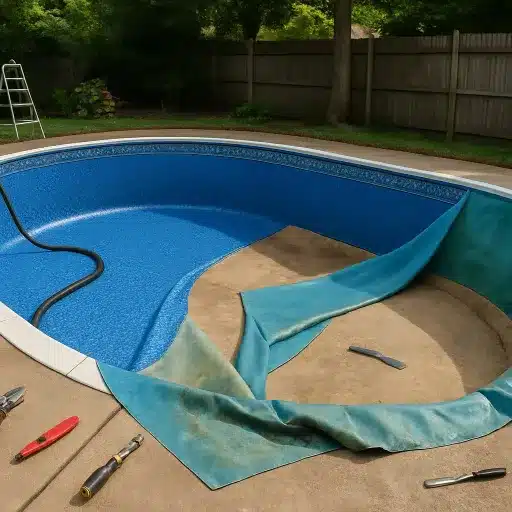
To maximize the durability and functionality of your pool tarp, adhere to the following tips:
- 1
Keep the Tarp Clean
Clean the tarp of dirt, grime, and accumulated algae with a nonabrasive soap solution and water. - 2
Look for Defects
From time to time, conduct a visual inspection to identify any breakages, tears, or weak spots, and take the earliest possible opportunity to fix or repair such defects to prevent them from worsening. - 3
Storage Methods
When not in use, make sure to clean the tarp thoroughly, allow it to dry, then fold it and store it in a safe, dry location, away from pets and direct sunlight. - 4
Review Fixing Apparatus
Check that all the hooks, wires or any other system that works to secure the cover are undamaged and work effectively to prevent movement or destruction in rough weather.
Simple Maintenance routines like this, done regularly, is also likely to lengthen the time you will be using your pool tarp to cover the pool.
Seasonal Maintenance Tips
- 1
Cleaning in the Spring
Use a soft sweeping brush or hose, in order to remove any small particles or dirt that has accumulated on the pool tarp. Check for any damage, after the winter, and do the repairs immediately. - 2
Changing for the Summer
Usefully, remember to check the tarp and fix it securely more often during periods of heavier use. Wash it occasionally otherwise it is bound to get soiled after summer showers or from pollen. - 3
Preparing for Fall
Remove the fallen foliage and fasten the tarp tightly to prevent damage from the larger debris. Consider replacing any worn parts before winter, if necessary. - 4
Caring in the Winter
Remove as much weight as possible, as too much snow can damage the surface of the tarp by excessive tension. This can be achieved using scraping equipments to brush away the snow/ice pack.
How to Clean and Store Your Pool Tarp
When I need to clean and put away the pool tarp, I will take a soft brush to it or use a net to scoop out twigs, leaves and the like if present. Next, I spray some water on it and lightly remove any such dirt or stains with some soap taking caution not to spoil the material. The tarp has to be rinsed well, and I let it dry thoroughly to avoid mold or mildew. After which, the tarp is neatly folded and stored in a cool, dry place, out of direct sunlight, so that it can be used in the coming season.
Repairing and Maintaining Durability
If you want to add years to the lifespan of your pool tarp, you should act on any damage or wear, as early as possible. It is wise to check the entire covering for tears and holes, especially around the sewn areas and borders. To fix small tears, for instance, a vinyl patch or waterproof outdoor tape may come in handy. In case of severe damage, however, the best solution will be to hire an expert or replace the damaged covering altogether. It’s advisable to monitor the cage for any UV damage or other changes in the material caused by sunlight. One way to fight this is to use a UV protection spray on your tarp, which will increase its lifespan. Pressure on the tarp is relieved by taking it down, making repairs promptly, and storing it properly in the off-season. This is the simple reason you can use your pool tarp for a long time.
Special Considerations for Different Pool Types
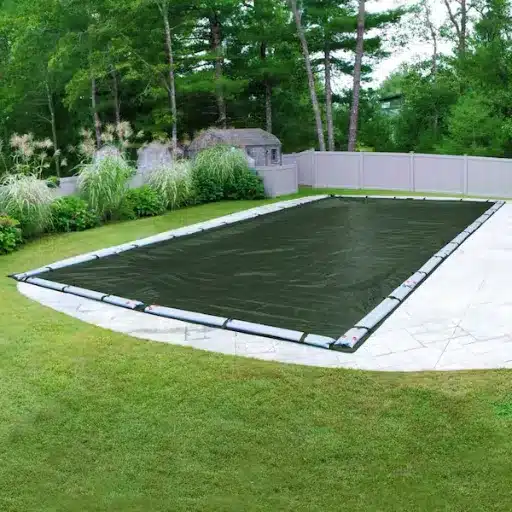
- 1
Installing covers for Above-Ground Pools
It is always necessary to tie up the cover around the above-ground pool properly so that pool tarp does not fall or get detached from its position. For this purpose, it might be necessary to put up sturdy clamps, arrows, and ropes. Weak areas and water collection on this cover should be cleared regularly, while stretching within limits. - 2
Covering In-Ground Pools
After covering in-ground pools, seams of the pool tarp should be perfect to reduce any entanglement of rubbish that is carried along by such gaps. Bring on waterproofing or hold the tarpaulin in areas with wind. - 3
Protection for Saltwater Pools
The pool cover should exhibit excellent resistance to saltwater. This is because saltwater swimming pools, but not limited to such pools, tend to damage tarp materials. It would therefore be appropriate to order coverings manufactured from high-use, salt-resistant materials. For saltwater, the cover must be washed with clean water regularly to remove salt and prevent damage. - 4
Warming Pools up when Cold
Some heated pools may exhibit increased wear on their tarps as these occur due to warm, moist and humid conditions. If a pool tarp is used in the heated pool, you might want to get a cover designed for such pools and check it regularly for signs of stretching or weakening.
Inground vs. Above Ground Pool Tarps
When comparing in-ground and above-ground pool tarps, key distinctions include size, durability, installation, cost, and material.
| Key Point | Inground Tarps | Above-Ground Tarps |
|---|---|---|
| Size | Larger | Smaller |
| Durability | More robust | Less robust |
| Installation | Complex | Easier |
| Cost | Higher | Lower |
| Material | Premium | Standard |
Mesh Tarps for Water Drainage
Mesh tarps are pretty handy, thanks to their design, which features numerous small openings that let water pass while keeping out debris and other particles. Due to this feature, a mesh pool cover is ideal for a pool, as it prevents excess water from accumulating on the cover and causing damage after heavy rain. They are also relatively lightweight, making them easy to fit and helping keep the pool area free of leaves, twigs, and other debris. They do not even cause the pooling of water, which, otherwise, however light the water might be, would create a weight-down pressure on the tarp and its edges.
Custom Tarps for Unique Pool Shapes
Most people with unique pool shapes or sizes may find pool tarps the ideal option for their pools. The reason is that the pool tarp is designed for the pool’s pattern and size, providing maximum protection and coverage. Whether the pool is kidney, oval or has certain curvy ends, particular tarps can be made to those shapes and sizes. Further with the use of rigid and weather-resistant materials, custom tarps will not easily succumb to either extreme heat or extreme cold. Lastly, they do not disturb the beautiful view of the pool square, as they fit in perfectly without gaps or overlaps.
Reference Sources
- Best Pool Covers in 2025: Top Picks for Secure & Clean – A comprehensive guide on the best pool covers, focusing on material reliability and safety compliance.
- Above Ground Pool Covers Buyer’s Guide – A detailed guide on selecting the right pool cover for above-ground pools, covering various types and budgets.
- Vivacious Vinyl: 2025 Vinyl-Liner Product Focus – A focus on the latest vinyl liner patterns and trends for 2025.
- Top 5 Vinyl Liner Manufacturers of 2025 – An overview of the best vinyl liner manufacturers for inground pools in 2025.
- Inground Vinyl Patterns – A resource showcasing a wide range of vinyl liner patterns for inground pools in 2025.
Frequently Asked Questions (FAQs)
What does a pool tarp do and why would I need one?
A pool tarp is a protective cover, made from resilient materials, to guard your swimming pool from excessive debris, rain, or melting snow. It helps keep the pool clean and reduces maintenance time. If ominously sitting next to your pool during the winter months, your pool tarp becomes more of an asset, especially when selling the pool as it offers some off-season protection of that investment.
What sorts of features should be considered for pool safety covers?
Consider the material, shape, and size while shopping for a pool safety cover. Heavy-duty or extra-heavy-duty covers should be selected to cope with adverse weather conditions. Mesh safety covers allow drainage while preventing debris accumulation. Also, solution warranties should be checked for ensuring protection for a considerable time.
How do I select the right size pool tarp for my swimming pool?
To choose the right size of pool tarp, measure your pool’s dimensions —length, width, and depth. Tarp covers come in a variety of sizes, so select one that fits your pool snugly. If you have a rectangular pool, make sure the tarp overlaps a little for better coverage and protection.
How do I maintain my pool tarp throughout the winter?
To maintain your pool tarp throughout the off-season, inspect it regularly for tears or damages after any heavy showers or snowfall. Clean it with soapy water to remove debris, then dry it well before storing. If the tarp has grommets, check that they are still sound and usable.
Can I utilize a pump alongside my pool tarp?
Yes, while use of a pump prevents the accumulation of rainwater over the pool tarp. A submersible pump would be the most likely considerations to keep the tarp from sagging with the weight of water, which might damage the tarp. Ensure the pump fits the tarp’s design and use it according to the instructions on the package.
What is the difference between heavy duty pool tarp and a light-weight tarp?
Heavy-duty pool tarps are made with heavier materials and are constructed for durability, longevity, and use in adverse weather conditions. Lightweight tarps, however, are easier to handle but do not necessarily afford protection. Hence, one should ideally buy a heavy-duty pool tarp for a long-term experience and better protection of the pool.
Ready to Protect Your Pool?
Choose the right pool tarp today and enjoy a cleaner, more efficient pool all year round!