

Residential Tarpaulin Uses: Home & Garden Applications
Tarpaulins, commonly called tarps, are very multipurpose items and indeed have become must-have for various applications in home and garden. If you are in need of a solution for protecting your patio furniture from unexpected rain, making a temporary place for a weekend work or keeping your garden thriving, then tarps are the answer. In this article we’ll see that the many uses of residential tarpaulins can not only be through your living space, but also by safeguarding your belongings and accompanying your DIY projects. There are several ways in which these heavy-duty sheets can be of great help and make your home and garden more convenient and productive from the point of view of their usage in practical protection and creative home projects.
Introduction to Tarpaulins
What is a Tarpaulin?
A tarpaulin also commonly known as a tarp is a big, flexible sheet made of material for shielding purpose against nature’s fury. Their main features include being made of water-proof or water-resistant materials such as polyethylene, canvas, or vinyl, which makes them sturdy and able to fight rain, wind, and sun.
Versatile tarpaulins find place in the homes, offices, and industries pretty easily and are thus the most widely used. Hot and cold areas of usage include covering to protect the equipment, vehicles or furniture from moisture, dust, and UV light damage besides others like construction and agriculture to protect and keep the material, create temporary shelters, and control soil erosion. Their lightweight nature coupled with easy handling features makes them a go-to solution for a wide range of activities.
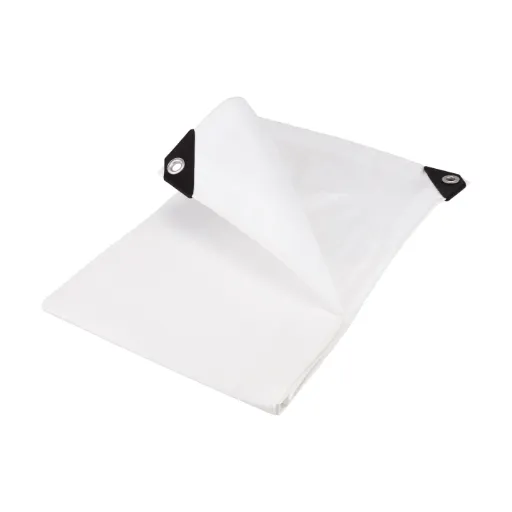
Grommets are often used for modern tarpaulins to make it easier to secure them with ropes or bungee cords. They come in multiple sizes, thicknesses, and colors enabling the users to choose the most suitable tarp for particular purposes. Tarpaulins can be a reliable and inexpensive source of protection and convenience no matter what – whether for home enhancement tasks, quick fixes, or outdoor fun.
Types of Tarps: Canvas, Poly, and Vinyl
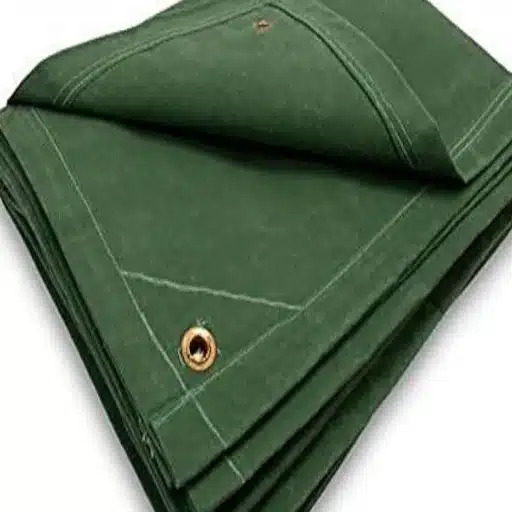
- Canvas Tarps: Canvas tarps, being composed of woven cotton, are characterized by their durability and breathability. Their ability to minimize condensation makes them perfect for the covering of items that need air circulation, like machines and fresh goods. Even though canvas tarps are water-resistant, they are not completely waterproof and thus can be used outdoors in conditions that are not extreme. The natural fibers and the heavy-duty construction are responsible for the large number of people who select canvas tarps for painting, farming, or simply covering equipment.
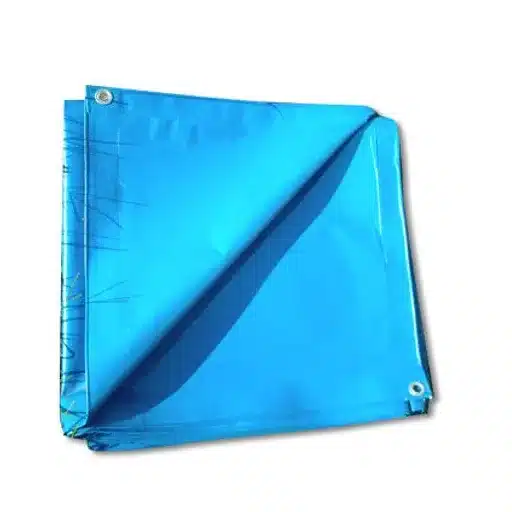
- Poly Tarps: Poly tarps consist of polyethylene, which is a strong but lightweight plastic material. These tarps not only waterproof, but also rot, and UV resistant making them a jack of all trades product suitable for use indoors as well as outdoors. They are very commonly used for camping, sheltering cars, and protecting the raw material for buildings thanks to the fact that they are quite cheap and come in various sizes. Temporary usages, where both flexibility and strength are required, however, are where poly tarps get the most appreciated.
- Vinyl Tarps: Vinyl tarps are characterized by being the most resilient and piled-up resistant tarp type among all, and that is why they are often manufactured using laminated or coated PVC. Fully waterproof, tear-proof, and chemical resistant, they provide high resistance to UV light and abrasion. Subsequently, they are suitable for very rigorous uses such as industry, transport, or very rough outdoor conditions. Though vinyl tarps tend to be in the higher price range, they surely do perform remarkably well and outlive their rivals in very harsh conditions.
Every single option of tarp possesses its own distinct advantages making it practically possible to get the m ost suitable option for almost any kind of application or given environment.
Common Applications of Tarpaulins in Home Settings
Covering Outdoor Furniture and Equipment
Tarpaulins are fantastic when it comes to safeguarding outdoor furniture and equipment against the weather, which can be rain, snow, and even extreme sunlight. Garden tables, chairs, grills, and the like outdoor items are very often the victims of the elements’ harm caused by their being outdoors for long. The usage of high-quality tarps resumes as a very good approach, which non-the-less frees these goods and thereby prolongs their lifespan considerably. Choosing waterproof or UV-resistant tarps assures that the furniture is kept dry and does not lose its new look; this is the case even in tough weather.
On top of that, tarps can be made to any shape and size to suit the outdoor equipment. For example, the tarp can be pulled tightly all over the item with help of bungee cords or grommets so that it can withstand even very strong winds without being blown away. This characteristic is particularly important for seasonal storage since people can simply cover the outdoor items and protect them for a long time rather than making them move indoors one by one. Just like that, with the help of mildew-resistant properties, the surface of the furniture in so-called damp or humid regions can be kept free from mold since the tarps are working like mildewcides.
According to various data, it is effective and worthy to invest in durable tarps as they save money and cuts off the waste of outdoor resources by putting up from 2 to 3 years the time period of the outdoor resources lifetime. Industry reports show that covering the outdoor equipment with tarps, which is considered a preventive treatment, costs just 20-30% less than repairing or replacing the equipment after it has been damaged which turns out to be a very costly mistake. Homeowners have the option of various types of tarps ranging from lightweight polyethylene to heavyweight vinyl allowing them the versatility to meet different home protection needs. If you go for the right materials and features, tarps can help you maintain the quality of outdoor furniture and tools for a price that does not exceed the yearly maintenance cost.
Creating Temporary Canopies for Events
Temporary canopies are an option that is not only versatile but also ideal for hosting outdoor occasions like weddings, birthday parties, or community meet-ups. They act as shields and protect guests against unchecked weather conditions like rain and even strong sun rays, thus making it pleasant for the guests. The canopies that one can use come in different shapes and sizes so that each person can pick one depending on what their budget is and how big the event is. The most common materials for canopies are polyester, vinyl, or polyethylene since they are strong and can withstand harsh outdoor conditions. When you select a canopy, don’t forget to check dimensions, convenience of setting up and whether it comes with UV and waterproof protection.
The best canopy performance will not be achievable if installation is not done properly. Always start by choosing a place that is flat and stable and is also free of sharp objects that might tear the intended cover. Make sure that the structure is very well anchored either by strong stakes or weights, especially if you are in an area that is often windy. Among the features of advanced canopies are removable side walls or mesh panels that can further protect guests from unexpected windy conditions or insects. These extras not only improve comfort but also create more privacy during the functions.
If you are looking for a green option, you might consider modern canopies made with eco-friendly materials and lightweight, thus being an easy carrying option. Renting temporary canopies is also a very good option if you are organizing just one event, giving you no storage space problem for high-end models. Accessorizing with items like string lights or beautiful drapes is a great way to give your canopy a superior look while it still retains its original purpose. The right way can ensure that a temporary canopy can turn a previously unusable outdoor area into a weatherproof, inviting venue that fulfills all your event requirements.
Utilizing Tarps in DIY Projects
Tarps are extremely adaptable and can be used in numerous DIY projects such as home improvements and outdoor setups among others. Durable materials like polyethylene or canvas are ordinarily used for manufacturing tarps which makes them capable of surviving and enduring harsh weather and heavy-use conditions. They can cover the construction site that isn’t finished yet, protect outdoor furniture or form a temporary shelter for camping. Their waterproof and tear-proof properties make them a must-have item in any DIY hobbyist’s toolset.
Using tarps as a protective barrier is one of the most common applications in the wallpaper and carpeting project. For example, when painting a room or refurbishing furniture, laying down a tarp would prevent the spillage of paint or the falling of debris from damaging the floors and the surfaces that are close to it. Furthermore, during landscaping, tarps can be used for covering the area and thus keeping the tools and materials dry in case it rains unexpectedly. They are remarkably useful in seasonal changes, for instance, covering firewood, plants suffering frost damage, or outdoor equipment getting snow-free.
In addition to that, another ground-breaking approach of tarps in the DIY projects is making custom solutions for the household needs. For instance, the tarps can be made into shade sails, which are temporary and hence cheaper than permanent structures, for the backyard. Not only that but the creative DIY’ers can also use the tarps for making the covers of the raised garden beds, thus ensuring that the vegetables and herbs are safe from pests and extremes of weather. By using one’s imagination together with practicality, waiting ahead of the competition is the only thing tarps will always offer to those who are looking for cost-effective functional solutions for indoor and outdoor projects.
Garden Uses for Heavy Duty Tarps

Protecting Plants from Harsh Weather
Heavy-duty tarps are absolutely essential for protecting plants from the extremes of nature. No matter if it is torrential rains, strong winds, or very hot sun, the tarp will always be there to protect your garden. The use of tarps during the heavy rains, for example, assures that no damage will happen to the plant or that soil erosion will occur since the root system will not be affected. Similar is the case with heat waves; if the heat is unbearable, the reflective tarp will block the extra sunlight and thus prevent the plants from drying up and scorching.
Moreover, tarps can also provide insulation for rails in freezing and frost conditions when properly applied they can trap the heat and thus prevent frost damage walls. Frost protection for the plants is often applied in the form of draping or anchoring tarps over the crop rows or plant beds, which effectively keeps the cold air off the plants. Tarps combined with stakes or frames can also set-up temporary greenhouse-like conditions making it even more difficult for cold months to get through. These prompts-made solutions are particularly helpful when it comes to protecting seedlings or tender plants that usually need extra attention whenever the weather is unpredictable.
Besides this, heavy-duty tarps are still cost-effective not only in terms of their utility. The cost of tarps if used against extreme weather conditions will be less compared to the plants that will be lost if not protected with tarps. Durable for a long time, the same tarps can be used in every season for different purposes. They are the same in terms of functionality, but they are different in terms of installation; they are usually installed easily and can be reused too. They are available in different sizes making it easy to use them in different areas of the garden. If you have tarps as your gardening tools, then raiding of the weather becomes less drastic and thereby your plants are thrived regardless of the environment.
Creating Garden Covers and Shade Solutions
Turning your garden into a functional and healthy one through the use of covers and shading solutions, protecting your plants from strong sunlight and rough weather is one of the main reasons why gardeners use different methods to reduce the impact of hot weather and the sun’s rays rays by using covers and creating shades around the garden. The use of good quality materials like heavy-duty tarps and UV-resistant mesh will not only provide high protection but also the longevity of the equipments through the different growing seasons.
Building a shade structure by means of a framework with PVC pipes or wooden posts, and securing the tarp or shade cloth over it, one will be able to see the creativity going on with the garden. This kind of setup will not just be easy and good but also a great money-saver, as it can be made according to the size and shape of the garden. The designs that can be adjusted help one to make the shade according to the needs of the particular plants, thus it is easier to make crops like lettuce, spinach, and herbs grow in cooler, shaded conditions, while the light-tolerant plants get their dose of sunlight.
Not only that, but garden covers can also serve as these multi-functional tools which give frost protection in the cold season, as well as heavy rain and even pests protection. Transparent polyethylene or strong clear plastic tarps are excellent for the making of greenhouse-like environments because of their ability to trap the heat and thus extending the growing season. Through the process of designing and making reliable garden covers and shade solutions, the gardener can optimize plant health, water conservation, and the overall yield increase, all while keeping up with the temperamental weather changes.
Using Tarps as Ground Covers for Weed Control
Tarps are indeed a very economical and maintenance-free method of weed control in horticulture or on a large scale. When they are applied as the top layer, they are a complete barrier for the weeds to get the sunlight they need to grow. This method, sometimes referred to as solarization, employs dark tarps such as black polyethylene that trap the sun’s heat under the tarp, killing the already there weeds and the seeds as well. The tarp’s strength and durability means that it can take any weather without holding back the protection against the unwanted plant growth.
Tarps are not only an efficient way of killing weeds but also they are indirect contributors to soil’s good health and also its conservation. By bundling the earth with them, they act as a barrier against heavy rains or strong winds that cause the soil to get carried away, at the same time the tarp holds the moisture that the soil needs. This is a very good thing in dry areas, as water is of utmost importance in such conditions. Tarps, moreover, act as the soil’s cooling and heating regime’s buffers, thus making the soil a hospitable place for beneficial micro-organisms. For the best outcome, the gardeners and farmers usually keep the tarps on for a few weeks or even an entire season, depending on how badly the weeds have overrun the area.
Ground cover with tarps is not only an environmentally friendly alternative to using chemical herbicides but also a cost-efficient one. They can be used many times, thus, reducing both the costs for the future and the impacts on the environment making them eco-friendly. A few modern tarps are specialized for farming applications and have qualities like UV protection and made from biodegradable materials, which enhances their eco-friendliness even more. By choosing the best tarps and positioning them in the areas with the most weed problems, gardeners and farmers will not only control weeds better but will also keep the soil healthier and more productive. This practice is gaining recognition as a proper and eco-friendly method in today’s gardening and farming.
Advanced Applications for Tarps
Portable Garages and Temporary Shelters
Tarp, with their durability and flexibility, have become a must-have for portable garage and temporary shelter constructions. These shelters can safeguard vehicles, equipment, and other valuables against even the toughest weather, such as rain, snow, and UV light, providing a secure cover. The modern tarps for this purpose are often made of strong and water-proof materials like polyethylene or PVC, which give superb strength and resistance to water.
Tarp temporary shelters are very useful especially in construction, emergency, and outdoor activities. For instance, during a calamity, tarps come to the rescue as fast and inexpensive ways of providing people’s temporary homes or storing things. Reports and studies of disaster relief agencies have pointed out that using top quality, UV resistant tarps can greatly enhance the life span and utility of these shelters in difficult weather. Moreover, tarp technology has made great strides, one such being that the introduction of impermeable but breathable designs that help control the humidity and keep the inside of the shelters comfortable.
The fact that these shelters are movable makes it even more appealing for them to be used in a seasonal manner, like for instance setting up a shaded area for outdoor workers or a temporary workshop. All in all, tarps are the key to giving us the options of cheap, light, and flexible methods when it comes to constructing weatherproof enclosures, especially when we cannot have permanent ones.
Commercial Uses of Heavy Duty Tarps
Heavy-duty tarps are the best choice for commercial industries with their strength and versatility. One such instance is the use of tarps in the construction site, where they serve the main purpose of preserving materials and machines from being damaged by the weather. They are the best covers for lumber, machinery, and scaffolding, and thus, the projects can go on without much disturbance.
The transportation sector also makes the most of heavy-duty tarps as a means of protecting the cargo. Tarpaulins are considered to be one of the main protective measures in the transport of goods by truck and thus, they are used to keep the all-weather conditions out, i.e. rain, wind, and UV rays. The cover of a bale of hay, feed supply, and machinery done by tarps in the case of agriculture is one example that demonstrates the preservation of quality even amidst harsh environmental factors.
Event planners use sturdy tarpaulins for making weatherproof enclosures, and the most common forms of these enclosures are tents, stages, or flooring for outdoor activities. Tents made by tarps are considered a practical and cheap solution for temporary setups. There is reduced risk of damage to the property due to sudden weather changes. In addition, the manufacturing, storage, and reclamation industries make use of tarpaulins for denoting different areas and for controlling the amount of dust created.
Thanks to the development of materials like polyethylene and PVC, these heavy-duty tarps are made for the toughest conditions, hence their prolonged use/less maintenance requirement. The low price of heavy-duty tarps together with their high efficiency makes them still and forever a reliable tool for use in many commercial sectors.
Fire Retardant and Specialized Tarps
Fire retardant tarps are designed in such a way that they fulfill the highest safety standards for risky fire environments. These tarpaulins are coated with chemicals specifically made for reducing the flames, hence, these provide a critical layer of protection in industries like construction, welding, and event management, and so on. The Fire Retardant Tarps are often used in areas like scaffolding, shelters, and backdrops where strict fire safety regulations apply such as NFPA 701 and CPAI-84.
In contrast to the fire-retardant tarps, the specialized tarps cater to niche applications. Insulated tarps, for instance, are the best option for projects that are sensitive to temperature, providing thermal insulation for concrete curing or storing equipment. Mesh tarps, for example, are commonly used in farming, where they enable the passage of air while giving shade, hence they are very useful for the protection of both crops and animals. Anti-static tarps, on the other hand, are used in areas with high electronic sensitivity such as industrial cleanrooms or data centers.
The flexibility and specific functionalities of these tarps render them to be important tools in various industries thus, their role in ensuring efficiency, safety, and compliance cannot be undermined. The technology of advanced materials is still developing and expanding, and with that, it is possible to offer customization for particular occupational requirements.
Maintenance and Care of Tarps

Cleaning and Storing Tarps Properly
The length of life of tarps can be prolonged and their proper functioning can be guaranteed if they are properly cleaned and stored. Start off by taking off the surface of the tarp all debris, dirt and stains. Clean the surface using a combination of mild detergent and warm water, and scrub with a soft-bristle brush to avoid damaging the fabric. Do not use any strong chemicals as they will eventually degrade the tarp’s protective layer and lead to its non-functioning state. After cleaning, make sure to rinse the tarp very well so that no soap is left on it.
The tarp drying process has a pigment of the error proofing steps of the tarp storage that is the first step in the mold and mildew prevention. The best practice is to hang the tarp up in a place that gets air or sun, making sure that all the moisture has evaporated so that it will not get spoilt. For large tarps, it is best to periodically change or rearrange them while drying to make sure that there is no water gathering in the folds or creases. If a wet tarp is stored, it will be a good place for bacteria to grow which will cause bad smell and also the material will be damaged.
After the tarp has been cleaned and dried, it should be rolled instead of folded so that it does not develop creases and stress on the material is reduced. Store it away from the sun in a cool, dry area since the fabric can get weak over time with prolonged UV exposure. You can use a storage bag or a container specifically for storage as a means to keep the tarp safe from dust, insects or sharp objects that may cause puncture. Also, make it a routine to check the tarp for any signs of wear, tear or environmental damage during the storage period so that the issues can be resolved before they get too big and your tarp stays in excellent condition for future use.
Repairing Damage and Extending Lifespan
Tarpaulins will still get worn out eventually although they are maintained properly. It’s very important to take care of any damages quickly so that the tarp will last longer. You should first check what type of damage it has and how deep it is, e.g., small holes, rips or edges that are starting to become unfrayed. If it’s an ordinary tear, it might be a good idea to use either adhesive patches or repair tape that is made specifically for tarp materials. To get the best adhesion and durability, make sure the surface is clean and dry before putting on the patch. Damages that left a major mark might entail sewing with a super-strong thread and a needle, apart from doing the reinforcement of the area with extra tarp material.
Tarp maintenance can be carried out even every couple of weeks and this will definitely prolong the life span of your tarp significantly. Dirt, debris, and moisture will not occur, which can cause the development of mold or mildew if you clean the tarp after every use. Be sure to use a soft bristle brush or sponge with mild soap and water whilst avoiding any harsh chemicals that may degrade the fabric. Always let the tarp dry naturally after cleaning before folding or storing it to lessen the chance of moisture damage.
Think about giving your tarp periodic treatments to mark its resistance against UV rays and water. Most tarpaulins can be the case with waterproofing sprays or sealants that rejuvenate their protection besides that, the accidental tearing or other mishaps will also be of lesser concern if the tarp is sheltered from intense sunlight on a regular basis, as applying UV-resistant coatings will bring about fading and fabric weakening to a much lesser extent. The combination of these practices with immediate repairs assures that your tarp is always reliable and functional, thus saving you time and money in the long run by not needing to replace them frequently.
References
-
Housewraps, Felt Paper, and Weather Penetration Barriers – University of Massachusetts
This article examines materials used for weatherproofing residential structures, including tarpaulin-like barriers. - Click here to read more.
Frequently Asked Questions (FAQ)
Q: What is meant by a residential tarpaulin, and where is it mostly applied?
A: A residential tarpaulin is a weatherproof cover for outdoor application in the vicinity of the house that can be used as a shelter, give protection to outdoor equipment, cover carpark area, serve as a privacy fence, or even protect parapet construction sites. Tarpaulins for residential purposes are made of various materials, including lightweight poly, heavy-duty vinyl and canvas, and are used as canopy coverings, field cover, truck tarp alternative, or all-purpose outdoor protection.
Q: What is the process in selecting the appropriate mil thickness and material for a residential tarpaulin?
A: The mil thickness should be chosen according to the purpose: for light-duty poly or 6-8 mil- use for temporary backyard jobs, 12 mil or heavy-duty vinyl/heavy-duty canvas for long-lasting weather-resistant protection and top quality performance. A PVC vinyl tarp would be appropriate for resistance against UV and moisture, and in the case of breathable covers or clear tarps when visibility is required, the mesh count should be considered.
Q: Are there custom tarps or a means to make one’s own canopy for places that are not standard?
A: Certainly, there are various suppliers who give custom tarps and canopies made by you services. You get to choose the size, material, color, grommet spacing, and fittings. Custom tarps make it easier to create canopy kits or tents that are suited for a 10 x 10 patio, unusual carport, or specific construction projects with metal fittings or aluminum grommets positioned where needed.
Q: What are the things that I should be aware of concerning grommets, fittings, and installation of residential tarpaulins?
A: Grab the tarps with grommets spaced out every 18 inches or with aluminum grommets for a reliable fastening; metal and canopy fittings make the join between the canopy and the frame or structure more stable. So, correct fitting and spacing will give you the peace of mind that your protection against wind and rain is reliable. Many tarps and accessories come with reinforced corners and straps for quick installation as well.
Q: Is it possible to find tarps that are not only waterproof but also weather-resistant for long-term outdoor use that are still affordable?
A: Yes, there are waterproof and weather-resistant tarp options, made of PVC vinyl or treated heavy-duty canvas, that provide excellent protection in harsh outdoor conditions, which are included in many offerings of tarps. High-quality tarps that are advertised as being good protection and of excellent quality with reinforced seams indicate having the capability of prolonged exposure to sun, rain, and snow.
Q: Are there any restrictions in terms of dimensions and types when it comes to residential tarpaulin and canopy kits?
A: Different kinds of residential tarpaulin products come in various sizes ranging from small 10 x 10 canopy kits, large field covers, and truck tarp sizes, and they can be found in clear tarps, mesh tarps, or solid vinyl. Whether you want temporary light-duty coverage or heavy-duty vinyl and canvas for permanent outdoor space solutions like carports and covered patios, you can always find something in the wide range of options available.
Q: What is the best practice in looking after and thus increasing the lifespan of a residential tarpaulin?
A: Regular maintenance consists of removing any dirt or debris, making sure it is dry before putting it away, checking the grommets and fittings, and mending small rips with the repair kits specific to the material (PVC vinyl or canvas). Proper storage in areas away from sunlight when not in use and employing a canopy frame or the right tie-downs will go a long way in keeping quality tarps and ensuring protection that continues to be reliable.
Q: Is it true that there are affordable options and tarp offers for homeowners who are on a tight budget?
A: Of course, tarps for sale include light-duty poly and economy tarp covers that are regarded as a viable option for short-term projects, while several suppliers offer promotions and bundles including tarps and accessories or canopy kits to enhance the value of your purchase. Analyze materials, mil thickness, and included fittings in order to find the optimal price-durability balance for your residential needs.
Q: Is it possible for a residential tarpaulin to be used either with a canopy tent or as a temporary shelter?
A: Sure thing—one of the most popular uses for residential tarpaulin to be not only as a cover for gatherings but also to protect outdoor gear or create temporary storage is through the use of canopy tarps and canopies. The overall protection and versatility of the shelter can be enhanced by the combination of a tarp cover, a strong canopy frame, proper canopy fittings, and correctly spaced grommets.