
Rope & Bungee Systems: Securing & Tensioning Techniques
The process of tarping and tarpaulin protection requires expert skills because the task needs specific techniques for using rope and bungee equipment. The implementation of proper securing and tensioning methods enables you to protect equipment and secure campsite areas and prepare for sudden weather changes which helps you achieve better equipment performance. This comprehensive guide functions as your main reference source which explains the key techniques and methods that will help you obtain maximum efficiency and reliability from your rope and bungee setups. We provide you with essential knowledge which covers both basic knots and advanced tensioning methods to ensure you can handle every situation that needs a strong and secure tarp.
Understanding Tarp Systems
What is a Tarpaulin?
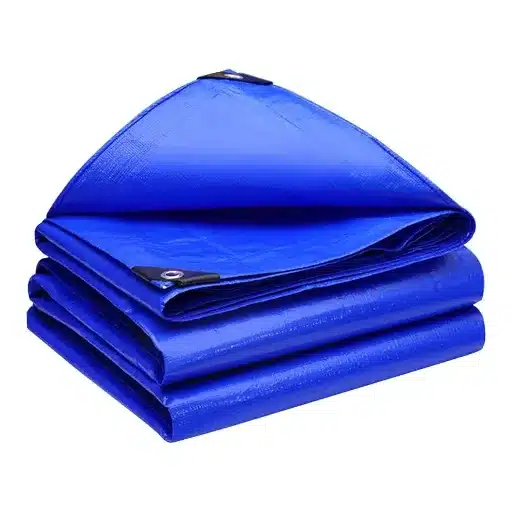
A tarpaulin, commonly referred to as a tarp, is a large, flexible sheet made of waterproof or water-resistant material. Tarps are typically crafted from materials like polyethylene, canvas, or vinyl and are designed to protect objects or areas from weather elements such as rain, wind, and sunlight. The equipment serves multiple purposes because it can be used to shield outdoor items and to build facilities that provide temporary protection.
Key Features of Tarps
- Durability: Reinforced edges together with metal grommets enable secure fastening and long-term use
- Weather Protection: Effective shielding against dangerous environmental conditions
- Versatility: Multiple sizes, thicknesses, and color options for diverse requirements
- Application Range: From lightweight furniture covers to heavy-duty construction use
For instance, tarps are frequently employed in construction sites to cover materials, on trucks to shield cargo, or in camping to provide makeshift roofing. The ability to function in multiple ways together with its practical use has made tarps an essential tool that people use at work and in their homes.
Types of Tarps and Their Uses
Tarps come in several types, each designed for specific purposes to accommodate various needs. Understanding the characteristics of each type enables you to select the most appropriate option for your requirements.
Each tarp category provides specific solutions which fulfill various requirements found in different usage scenarios. The polyethylene tarp stands as the most common choice due to its balance of performance and affordability. Canvas tarps are often preferred for protecting equipment or cargo that requires air circulation. The vinyl tarp provides the highest level of protection for demanding industrial applications and environments that demand extra safety precautions.
Rope and Cord Types

Nylon Rope vs. Polypropylene Rope
Selecting the appropriate rope material is fundamental to achieving secure and reliable tarp installations. Nylon ropes are strong, flexible, and weather-resistant, while polypropylene ropes are lightweight, buoyant, and cost-effective. Understanding the distinctions between these materials enables informed decision-making for your specific application.
Utility Cords: Versatility and Applications
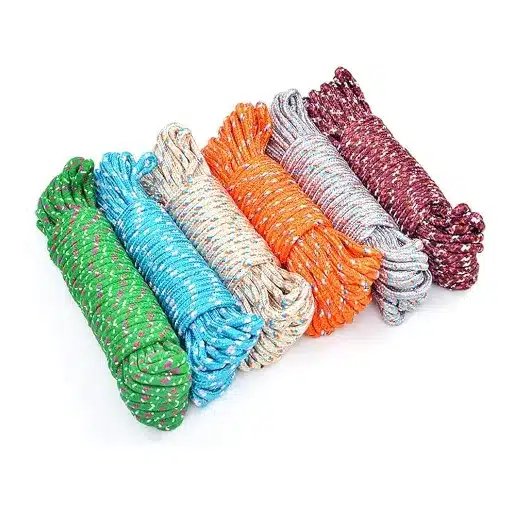
Utility cords function as essential tools throughout their application in industrial operations and daily life activities. The cords possess exceptional adaptability because their construction uses nylon and polypropylene and polyester and material blends. The material provides strength together with flexibility which makes it suitable for use in outdoor sports and camping activities and industrial operations and home maintenance work.
Outdoor Applications of Utility Cords
- Tent security and structural support
- Temporary clothesline construction
- Emergency rescue line creation
- Equipment lashing and load securing
The combination of nylon utility cords which exhibit high tensile strength and abrasion resistance functions in heavy-duty work while polypropylene cords which show buoyancy and water resistance become the preferred choice for marine applications. The outdoor environment benefits from polyester cords which provide excellent UV protection because they remain intact even with extended sunlight exposure. Paracord functions as a lightweight survival cord which people choose because it takes up little space and can carry heavy loads.
The industrial use of utility cords demonstrates their critical role in various industries. Heavy-duty cords find use in sectors like construction, transportation, and agriculture, which typically require them for cargo security and structural binding and load support. The evolution of cord manufacturing technology has resulted in manufacturers creating hybrid materials which merge the best characteristics of different fibers including nylon strength and polypropylene weight advantage. People require utility cords as vital equipment for their work and recreational activities because these cords combine practical function with lasting strength across different environments.
Durability of Bungee Cords and Shock Cords
Bungee cords and shock cords demonstrate durability through their ability to withstand heavy use. These elastic systems function as essential equipment for various applications because they provide both elastic properties and durable performance. The cords consist of high-quality elastic strands which form a core component that manufacturers cover with a protective outer sheath to guarantee the product can withstand repeated stretching without losing its fundamental properties.
Construction Features
The outer sheath of the system consists of materials like nylon and polyester which provide protective coverage for the elastic core against abrasion and UV radiation and moisture, thus ensuring its dependable operation in tough environmental conditions. The construction system gives bungee cords and shock cords the ability to handle extreme pressure while maintaining their essential structure for indoor and outdoor applications.
The field of material science has generated recent breakthroughs which have improved the durability and performance of these cords. Modern shock cords incorporate UV-resistant coatings which protect against degradation when exposed to sunlight for extended periods. The outer layer of cords now uses abrasion-resistant fibers as reinforcement to increase durability against common friction and rough handling situations. Bungee and shock cords show great value for construction and transportation and outdoor recreation industries because these sectors need high-performance equipment which can endure challenging operational situations.
The testing procedures together with established quality standards function as essential elements which determine bungee cords and shock cords lifespan. Manufacturers use extreme environmental testing to assess product performance through rigorous tensile strength tests and cycle-loading simulations and environmental exposure trials. High-quality bungee cords withstand thousands of stretching cycles without losing their elasticity, which enables them to maintain consistent performance throughout multiple tests. Customers should review specifications and certifications when selecting cords to ensure they are fit for purpose and capable of withstanding specific environmental and operational challenges.
Securing Techniques for Tarps

Effective Tarp Tie Downs
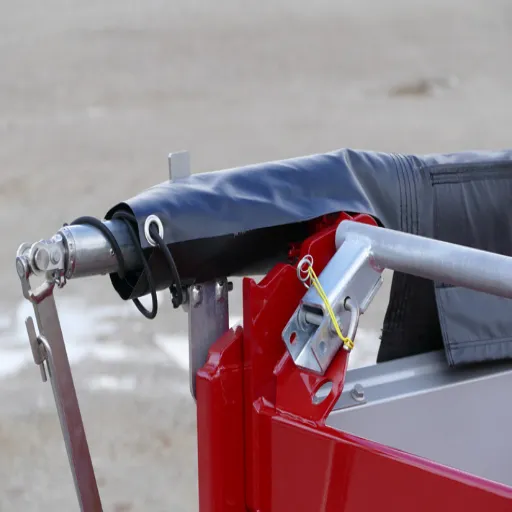
Tarps require secure fastening because it protects both the tarp and its attached items and protects the nearby area from harm. Bungee cords and adjustable straps serve as the top solution since they provide both adaptable movement and required force to keep the tarp in place. When threading the cords through the grommets of a tarp, ensure even spacing and consistent tension to minimize gaps and sagging.
Method 1: Bungee Cords & Straps
Provides adaptable movement and required tension. Thread through grommets with even spacing to minimize gaps. Ideal for vehicle loads, outdoor equipment, and temporary shelters under normal weather conditions.
Method 2: Rope with Knots
Uses trucker’s hitch, bowline, or rolling hitch for secure connections. Combined with anchors and stakes for enhanced stability. Best for ground-level camping tarps and woodpile covering in high winds.
Method 3: Clips & Clamps
Effective for tarps without grommets or high-stress areas. Distributes tension evenly across material. Combine with bungee cords for long-term applications and extreme weather conditions.
Using Hooks and Bungee Cords for Maximum Tension
The combination of hooks and bungee cords stands as one of the best methods to achieve both accurate tarp fastening and long-lasting protection. The combination creates a system which enables users to achieve maximum tension while providing them with easy adjustment capabilities. The bungee cords must connect to the tarp grommets and D-rings because this connection will secure the tarp before users can attach their hooks to fixed points. The system distributes force throughout the tarp which helps protect specific areas from damage during operation.
Key Advantages of Bungee Cord Systems
- Consistent Tension Maintenance: Elastic nature enables adaptation to outdoor conditions including wind and heavy rain
- UV Resistance: High-quality cords with UV-resistant coatings maintain strength and flexibility through extended sunlight exposure
- Adjustable Configuration: Combination with adjustable hooks enables customization for different attachment points
- Enhanced Stability: When combined with reinforced tarp edges and securing tools like clamps or weights
The combination of bungee cords and hooks achieves optimal performance when users combine these elements with features such as reinforced tarp edges and additional securing tools like clamps or weights. The approach ensures tarp security which provides reliable protection to equipment and outdoor areas and supplies against severe weather conditions.
Integrating Steel Cable for Added Strength
The installation of steel cables to your tarp securing system will create improvements because your system gains better performance and experiences increased durability during severe weather conditions. Steel cables have strong tensile strength which makes them suitable for handling strong winds and heavy rain and all other extreme weather conditions. The system requires proper integration to create an additional support system which prevents the tarp from moving or detaching throughout all future periods.
Installation Guidelines for Steel Cables
- Pass cables through tarp grommets and secure to fixed points using heavy-duty hooks, poles, and ground anchors
- Select cables with protective coatings (galvanized steel or stainless steel) to resist corrosion and extend outdoor durability
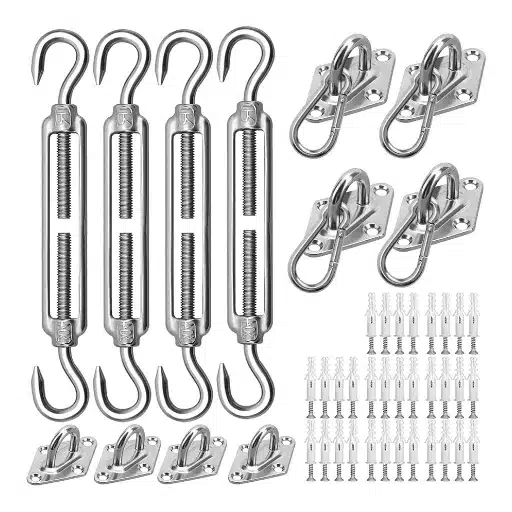
- Use turnbuckles and cable tensioners to control cable tension and create tight connections that eliminate slack
- Combine with bungee cords and heavy-duty ratchet straps to create a multi-layered security system
Steel cables establish a multi-layered security system for tarps when they get used together with bungee cords and heavy-duty ratchet straps. The method strengthens the installation while it protects the tarp from damage by distributing force throughout the entire surface which decreases damage to specific grommets and seams. Users can achieve a resilient and trustworthy system which endures difficult environments because they choose suitable materials and methods which protect both the tarp and its fastening components.
Maintenance and Safety Protocols
Long-term Care for Rope and Tarpaulin Systems
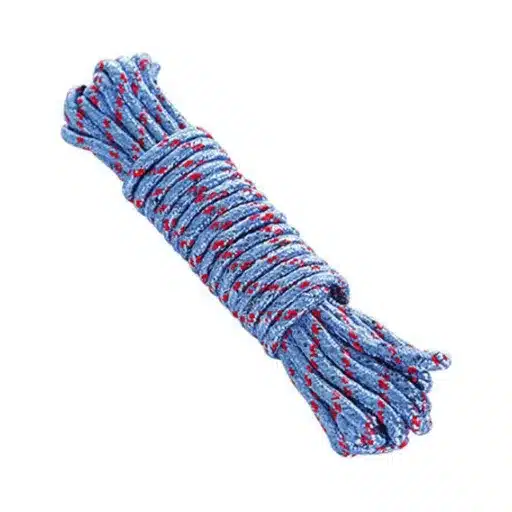
The process of maintaining rope and tarpaulin systems needs regular maintenance inspections to find and repair all instances of material damage. Ropes need to be checked regularly to find any signs of fraying or broken strands and environmental factors that create abrasion through UV exposure and moisture and contact with abrasive surfaces.
Inspection Checklist
Rope Inspection
- Check for fraying and broken strands
- Assess UV degradation
- Examine for moisture damage
- Inspect abrasion points
Tarpaulin Inspection
- Look for tears and punctures
- Check weakened seams
- Examine grommet integrity
- Test waterproofing quality
The primary issue with synthetic ropes stems from UV degradation which operators can reduce through UV-resistant coatings and storing ropes under shaded conditions during non-operational periods. Immediate repairs for small issues should be conducted with proper repair kits which include seam sealant and heavy-duty patches to stop further damage from occurring.
Cleaning and Treatment Procedures
Rope Cleaning
Use fresh water with mild detergent to eliminate dirt and salt residues. Avoid harsh chemicals that break down synthetic fibers. Ensure complete drying before storage.
Tarpaulin Cleaning
Complete washing and drying processes prevent mold and mildew formation. Apply waterproofing sprays or treatments after cleaning to maintain water-repellent protection.
The storage process is essential for protecting system integrity when systems remain dormant. Coiling ropes needs to be done in a dry area that has good air circulation to prevent ropes from tangling and getting wet. Tarps require folding and storing in locations that protect them from direct sunlight and sharp objects which might cause damage. Wall mounts and storage bins create an organized safe storage solution for items when there is enough space for their use.
Safety Tips for Using Tarp Systems
As long as these measures are taken and attention is maintained while using rope and tarp systems, they will remain functional, last for a long time, and be safe to use in various contexts.
Market Trends and Innovations

Emerging Materials in Rope and Tarp Technology
Material science advancements also reflect in progression of rope systems and tarpaulins resulting in advent of tough but light and specialized materials in many industries. These innovations are transforming the capabilities and applications of traditional securing systems.
High-Performance Polyethylene (HPPE)
Known as Dyneema, this material is extremely light yet very strong and resistant to abrasions. Finds increasing application in marine, industrial, and outdoor sectors requiring high tensile strength.
Thermoplastic Polyurethane (TPU)
TPU coated fabrics are very flexible, cut resistant, and chemical resistant. Desired for applications requiring strength, durability, and adaptability in demanding environments.
Biodegradable Materials
New environmentally friendly fabrics respond to corporate social responsibility and green policies. Created to be resistant while minimizing environmental hazards.
Graphene Composites
Carbon-based material enhancing strength and durability of composite structures. Creates lighter yet longer-lasting ropes and tarpaulins applicable even in aeronautics and advanced technologies.
Trends in Camping and Outdoor Equipment
In the past decade there has been a major evolution in camping and outdoor equipment as a result of technology as well as an increased emphasis on sustainability. These developments are reshaping how outdoor enthusiasts approach their adventures and equipment selection.
Key Industry Trends
1. Smart Technology Integration
GPS integrated rucksacks, solar tents, and multi-functional devices tremendously help make campers’ experience safer and more enjoyable. Portable cookers operate as recharging points, optimizing utility while maintaining functionality.
2. Eco-Friendly Manufacturing
Products strive to have minimal environmental impact using recyclable or biodegradable materials. Growth in demand for eco tents, reusable crockery, and environmentally-friendly equipment. Carbon-neutral manufacturing and forest restoration initiatives demonstrate corporate responsibility.
3. Lightweight Design Optimization
Water-resistant and light tents, tactical ropes with high tensile properties yet lightweight construction. Foldable gear and interchangeable parts allow innovative use and component modification. Suits hikers who are always on the move with minimal equipment.
All this promotes the general philosophy of evolution over efficiency thereby facilitating the expansion of the target market of adventurous outdoor pursuits like never before. These approaches towards sustainability are advantageous not only to consumers but also to the environments that campers trek into and those who wish to extend the periods of landscape preservation.
Frequently Asked Questions
References
- Three Tarping Systems for Flatbed Transport Trailers: A study from the University of Waterloo comparing manual and alternative tarping systems for transport trailers.
- Fabrication of Automatic Tarpaulin System: A research paper discussing the design and efficiency of automatic tarpaulin systems for trucks.
- Click here to read more.