
Tarpaulin Installation Hardware: Grommets, Fasteners & Systems
The process of installing tarpaulins requires both strong material and appropriate hardware because both elements are necessary to achieve durable and stable operational performance. The installation hardware for tarpaulins establishes two main functions which include grommets that strengthen attachment points and fasteners which keep covers securely attached to their designated positions. The article will examine essential tools and systems which tarpaulin setups require to establish permanent and secure installations through their interconnected operation. The guide provides professionals and DIY enthusiasts with essential knowledge to select and operate hardware which delivers peak performance.
Understanding Tarpaulin Installation Hardware
What is Tarpaulin Installation Hardware?
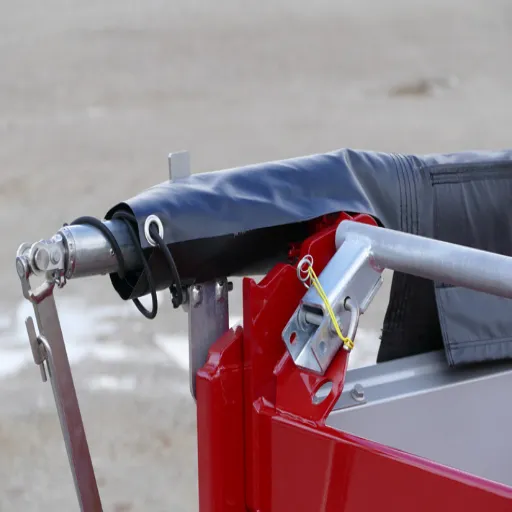
Tarpaulin installation hardware includes tools and fittings and systems which create support structures for tarpaulin security across different environments. The essential components of this system include grommets and ropes and bungee cords while advanced systems include tensioners and brackets and ratchet straps. The system maintains tarpaulin stability because it anchors the tarpaulin down which lets it withstand all types of weather conditions including wind and rain and UV radiation exposure.
The main element which tarpaulin installation hardware needs is grommets because they function as strengthened metal or plastic rings which create edges for tarpaulin installation. The grommets function as anchor points which allow users to connect ropes and bungee cords and other securing systems. The combination of fastening tools and grommets enables cargo management because it helps distribute weight throughout the tarp which protects against damage and increases product life. The main components which support operational activities include clamps which offer extra fastening capabilities to secure tarpaulins that lack built-in grommets.
The industrial and construction field requires tarpaulin hardware systems which have advanced capabilities for stable and durable performance. The systems use ratchet tie-downs and adjustable tensioners which enable users to achieve accurate tarpaulin tightening that prevents both sagging and damage during severe weather conditions. The correct choice and application of tarpaulin installation hardware serve two purposes because it secures and streamlines operations while extending the lifespan of materials to ensure their long-term value and dependable performance.
Types of Tarpaulin Hardware
- Grommets: The installation of grommets involves placing metal or plastic rings along tarpaulin edges and corners to create reinforced holes, which people use to secure their tarpaulin materials with hooks and ropes and cords. The tarpaulin fittings serve as essential components, which enable secure tarpaulin attachment without damaging the material through tearing or wear.
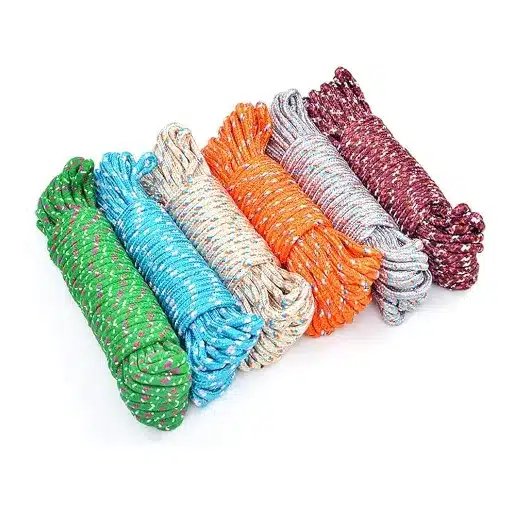
- Ropes and Bungee Cords: Tarpaulin fastening requires the use of both ropes and bungee cords to function as flexible fastening solutions. Ropes create stable tension, which people use for permanent installations, while elastic bungee cords provide flexibility, which allows tarpaulin setups to move with environmental conditions, such as wind, which cause the tarpaulin to shift.
- Ratchet Tie-Down Straps:The use of ratchet tie-down straps suits heavy-duty tasks, which require accurate tension control. The adjustable mechanisms of these straps keep the tarpaulin secure and tight through extended periods of time and extreme weather conditions, which include strong winds and heavy rain.
- Clips and Clamps:Tarpaulin clips and clamps are specialized tools that grip the fabric without needing pre-installed holes. People use these devices for temporary setups because they enable quick repositioning between locations, which makes them not only easy, but also flexible to use.
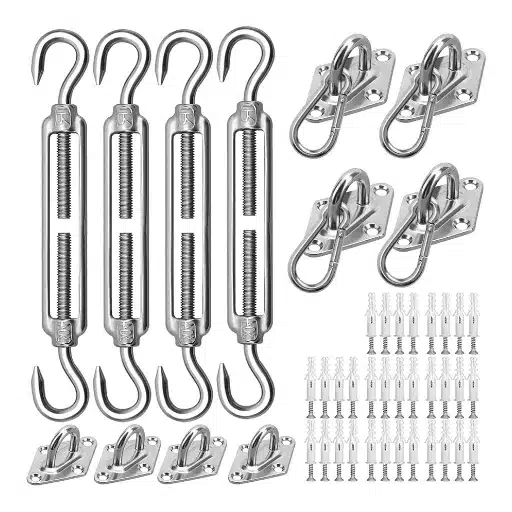
- Tensioners and Shock Cord Systems:Tarpaulin setups use tensioners and shock cord systems to distribute tension to all parts of the installation. They function as vital components in locations, which need continuous pressure to stop both sagging and material breakdown.
The right hardware selection according to environmental conditions and application requirements enables users to achieve optimal performance in their tarpaulin installations, which also extends their installation lifespan. The tools provide two advantages because they establish secure connections and safeguard the material from degradation, which results in ongoing reliable material protection.
Importance of Quality Fasteners and Mounting Systems
The structural integrity and functionality together with the tarpaulin installations need high-quality fasteners and mounting systems as their vital components. The components create secure points which keep the material tightly secured during extreme weather conditions including strong winds and heavy rainfall and continuous sunlight exposure. The tarpaulins lose their ability to protect effectively when fasteners stop working because they create tear or shift problems.
The fasteners maintain their performance through multiple uses and extreme stress conditions. The industry uses stainless steel and high-grade aluminum and UV-resistant plastics because these materials provide strength and protection against corrosion and wear. The installation needs of specific applications create mounting systems which include bungee cords and grommets and tensioning devices to help users secure their installations between different environmental conditions and stress levels. The special options maintain the tarpaulin’s secure attachment which prevents its early separation or drooping.
The tarpaulin’s lifespan increases through quality fasteners and mounting systems which also lead to lower maintenance expenses. The durable hardware system prevents frequent replacements which helps improve operational stability. The industrial and agricultural and construction industries depend on this aspect because they require intact systems to maintain safe and efficient operations. The users achieve extended tarpaulin protection through dependable components which help them reach their desired outcomes.
Exploring Different Types of Fasteners

Grommets: The Basics
Grommets serve as circular reinforcements which manufacturers produce through brass and stainless steel and aluminum materials to create stronger tarpaulin and fabric material openings. The fasteners create attachment points which enable material security because they allow cords and ropes and hooks to secure materials without tearing them when under tension. The standard grommet system provides multiple diameter options to meet various application requirements while its flange design system delivers extra structural support around the grommet opening.
The current research for grommet technology development helps develop new systems which protect against rust while distributing weight. The marine environment receives protection from stainless steel grommets which outdoor users utilize because they resist both rust and environmental damage. Self-piercing grommet systems now enable installers to complete their work faster because these systems allow for clean grommet insertion through materials without needing to create pre-punched holes beforehand.
The selection of grommets requires both material compatibility assessment and load requirement evaluation. The use of improper size and material selection results in fabric damage which reduces performance during extreme weather conditions and high-stress situations. The details allow users to maintain tarpaulin installations through all operational conditions while keeping their equipment functional.
Heavy Duty Snap Fasteners
Heavy Duty Snap Fasteners Heavy Duty Snap Fasteners Heavy duty snap fasteners serve as essential components which enable secure material attachment through multiple detach and reattach cycles without losing connection strength. The fasteners consist of four main components which include a cap and socket and stud and post parts which create a secure lock through their mechanical matching system. The materials used for manufacturing these products include stainless steel and brass and heavy-duty plastic which create protection against both corrosion and impact and environmental damage.
The current applications of heavy duty snap fasteners have spread to multiple industries which include marine and automotive and textile and outdoor equipment manufacturing. Marine-grade snap fasteners use non-corrosive materials because these materials enable their operation in saline environments for extended periods without performance loss. Their strength rating in pull resistance measures pounds which enables users to apply the fasteners in different situations based on their size and type and material make-up. The high-stress environment requires reinforced snap fastening solutions which provide greater load-bearing capacity to withstand multiple usage cycles until complete system failure occurs.
To choose the right snap fasteners, users need to evaluate factors including substrate thickness and tensile strength requirements and environmental conditions. The testing system allows users to assess how their installations will handle actual installation conditions through testing of both shear resistance and pull-out force. The combination of analytical evaluation and application-specific requirements results in heavy duty snap fasteners which provide a durable solution for extended product use and dependable performance.
Twist Lock Fasteners: A Secure Option
The design of twist lock fasteners provides secure connections which maintain their mechanical strength during multiple cycles of locking and unlocking. These fasteners operate through an interlocking mechanism where a keyed rotation ensures engagement, preventing accidental disengagement caused by vibrations or external forces. Industries such as aerospace and marine and automotive sectors rely on twist lock fasteners to maintain operations in high-stress situations and safety-critical environments.
Material composition varies based on application needs, ranging from corrosion-resistant stainless steel to lightweight aluminum alloys. The system provides two main advantages because it maintains a steady clamping force while enabling users to quickly release their grip, which helps decrease time spent on maintenance work during field operations. Laboratory testing often evaluates torque resistance, wear patterns, and fatigue life under both static and dynamic loading scenarios, ensuring durability under prolonged operational stresses.
To select appropriate twist lock fasteners, factors such as load-bearing requirements, operational temperature ranges, and ease of access must be scrutinized. The introduction of design innovations through low-profile assemblies and composite materials has enabled their use in systems that require compact designs and lightweight components. The application-specific features of twist lock fasteners provide engineers from various industries with a reliable fastening solution.
Tarpaulin Mounting Solutions

Using Tarp Grommet Fasteners
The fasteners which use tarp grommets function as critical elements for safely securing tarps during their usage across multiple fields that include farming, industrial warehousing, and building projects. The fasteners use grommet holes which the tarp material already has installed to create secure connections between the tarp and its supporting structures or anchoring points through ropes and bungees and special clips. The grommets which use stainless steel and heavy-duty brass materials provide protection against environmental corrosion and mechanical stress, which occurs in extreme conditions. The material provides protection against UV radiation and heavy rain and wind shear, which would damage less durable materials.
Tarp grommet fastener technology has developed new methods that improve operational efficiency while making products easier to use. Quick-release fasteners, for instance, incorporate ergonomic designs that simplify installation and removal, catering to industries requiring flexibility in tarp mounting. The system provides extended versatility through its telescoping tie-down system, which adds adjustable features that work with different tension needs to support various tarp sizes and different anchoring methods. The features decrease downtime while they boost operational productivity for operations that need frequent changes to their setup.
Engineers need to assess several technical aspects which include grommet spacing and material compatibility and fastening system load capacities to achieve optimal tarp mounting results. Proper grommet spacing with added strength allows fabrics to resist damage from stress, while synthetic and treated fabric tarps provide better protection against environmental damage during extended outdoor use. Advanced computational models and testing methodologies have further streamlined the selection process by simulating stress distribution and environmental impacts, reinforcing the reliability of tarp grommet fasteners in high-stakes deployments.
Ceiling and Wall Mounting Techniques
The best methods for ceiling and wall installation use accurate engineering methods to create strong reliable systems which protect structural integrity. For ceilings, load distribution is a critical factor, necessitating the use of advanced mounting systems such as toggle bolts, ceiling anchors, and high-tensile brackets. The systems protect against structural damage by spreading the entire weight of mounted equipment which includes lighting fixtures and HVAC systems and large displays throughout the substrate material. The installation should use studs and joists and other foundational supports to increase stability, because drywall and similar materials cannot handle excessive weight.
Wall mounting requires an exact process, which needs to assess multiple factors such as wall material, installed object weight, and mounting purpose. The system requires accurate shear force and tensile strength measurements for all systems which have heavy loads and experience vibrations. Heavy-duty setups require mounting systems like J-brackets and French cleats, because these systems support high loads while enabling simple adjustments and removal. The development of carbon-fiber-reinforced polymers in materials science has improved wall anchor strength and reduced their weight. These advancements reduce the risk of structural compromise over extended periods.
The techniques obtain improvement from data which comes from both computer simulations and actual stress tests. Finite element analysis (FEA) shows how dynamic forces distribute stress across mounted components. Environmental factors, like thermal expansion and moisture levels, have become critical elements that engineers need to consider when developing both indoor and outdoor mounting systems.
Employing Tarp Bungee Cords and Hooks
The essential tools used for securely fastening tarpaulin materials in multiple settings between construction sites and outdoor events are tarp bungee cords and hooks. The system functions through bungee cord elasticity which uses high-strength rubber or nylon synthetic materials to connect with strong hooks that use reinforced plastics or metal components. The system enables users to create high-strength connections which remain functional during different weather conditions that include temperature changes and wind pressure.
For optimal performance bungee cords need to be selected according to their length and strength based on particular load requirements and usage conditions. The fundamental elements to assess include the cord’s ability to withstand tensile forces and its capacity to endure adverse weather conditions and its method of connecting to hooks. Cords which achieve high UV protection are designed for extended outdoor use because they prevent material damage that occurs from sunlight exposure. The design of hooks provides ergonomic benefits which improve equipment handling while their anti-corrosive coatings extend the product’s operational lifespan.
Tarp bungee cords and hooks deliver secure fastening solutions through their combination of specialized features and effective application methods which meet professional and recreational safety and operational efficiency standards.
Step-by-Step Installation Guidance

Preparing Your Tarp and Hardware Kit
Tarp bungee cords and hooks require effective operation through proper tarp preparation and hardware kit setup. Start the process by inspecting the tarp for any damage that includes rips and holes and wear patterns which will affect its strength in tension. All grommets must remain complete and their protective elements should stay intact to stop tearing when grommets face stress. The recommended tarp for heavy-duty use requires both a higher denier count and a UV-resistant coating because these materials deliver enhanced strength and defense against long-term environmental exposure.
The next step requires checking the hardware items which include bungee cords and hooks and all additional connectors in the kit. Bungee cords need verification as they must demonstrate both elastic properties and complete absence of any fraying or harmful damage which would impact their capacity to withstand tension. The assessment of hooks must establish their structural integrity through a test which confirms they possess neither rust damage nor structural changes. The outdoor environment requires anti-corrosive coatings for hooks because these coatings maintain their protective functions in areas with high humidity. The suitable bungee cord length and elasticity should match the tarp dimensions because incorrect sizing results in both insufficient fastening and material strain problems.
The last step gathers all essential tools which will make the installation process more efficient. The equipment list contains gloves for safety purposes and a tensioning tool to achieve accurate tightening and spare bungee cords which serve as emergency replacements. The installation process requires organized component management to enable quick assembly while preventing component loss. Tarp fastening system preparation enhances operational efficiency while increasing safety and decreasing equipment failure possibilities.
How to Install Grommets Properly
- Select the Appropriate Grommet Size: The first step involves finding the correct grommet size which matches your project needs. The size should be compatible with the material thickness and the intended application. Common grommet sizes range from #00 (small) to #4 (large), and selecting an inappropriate size can lead to failure under stress.
- Prepare the Material:The material needs to be spread out on a flat surface so that the exact spot for grommet installation can be marked. Use a measuring tape or ruler to ensure spacing consistency, particularly for multiple grommets. The marked spot should avoid edges to provide sufficient material support around the grommet.
- Create the Hole: The grommet hole punch tool creates a circular hole which keeps its edges intact at the selected site. The punch size must match the required grommet diameter to ensure a secure fit. Cutting a hole manually or imprecisely may weaken the material or compromise the durability of the installation.
- Position the Grommet and Washer: The grommet eyelet needs to be inserted through the hole from the front side which the user plans to show. The washer needs to be aligned with the backside of the material which must fit tightly against the grommet flange. The washer serves as a support for the grommet which protects it from damage during its operational use.
- Secure the Grommet Using a Setting Tool: The grommet setting tool consists of two main parts which include an anvil and a setter. The material needs to be placed with grommet and washer on the anvil while all parts remain properly aligned. The operator needs to strike the setter with a mallet or hammer using steady force until the grommet and washer compress evenly. Improper setting can lead to loose fittings or deformation.
- Inspect and Test: The installation needs visual inspection to check if the grommet has been properly attached and if it has been installed evenly on the surface. The grommet needs to be tested through a tensile test which confirms its ability to handle the expected stress level. The process needs to be repeated after replacing components when any weakness or inconsistency becomes visible.
The proper tools and materials combined with the right techniques create a grommet installation which meets professional standards. The grommet installation method protects the grommet from damage while it extends the useful life of the grommet and improves the overall stability of the final product.
Securing Your Tarp with Clips and Straps
The process of properly securing a tarp with clips and straps requires both component selection and correct usage of those components. The correct clip type can be determined through an assessment of the tarp material and its planned application. Reliable fastening requires high-tension tarp clips that have strong gripping systems which can endure heavy loads. The use of durable adjustable straps which designers created from weatherproof polypropylene and nylon materials will provide both long-lasting performance and protection against different weather conditions.
The correct method of attaching clips to a tarp demands that users place them at spaced intervals along the tarp edges which will create equal tension distribution across the tarp while stopping concentrated stress points which lead to material failures. The clips need to establish secure connections with the tarp through their teeth and locking systems which must protect against material damage. The process of securing the tarp with straps requires users to pass their straps through the clips’ attachment points before they tighten the straps which creates equal tension across the entire surface. The straps need to attach themselves to secure anchor points or tie-downs which can endure external forces including wind and shifting loads.
The performance of your system needs regular checks to confirm that clips and straps remain operational during extended usage and extreme weather conditions. This careful method reduces both slippage possibilities and tarp damage chances while maintaining operational effectiveness and product durability across different use cases.
Maintenance Tips for Tarpaulin Installation Hardware

Cleaning and Caring for Your Hardware
The correct ways to maintain the hardware needed for tarpaulin installations become essential for maintaining its efficiency and prolonging its operational period. Your first task requires you to first wash all your hardware parts including all clips and all straps and all tie-downs after you finish every usage. The cleaning process requires you to apply a mild detergent solution which you should create by mixing the detergent with warm water to clean away dirt and grease and any other waste that builds up during your work. The cleaning process requires you to avoid using strong chemical substances and rough cleaning equipment which will destroy metal surfaces and make synthetic straps less effective. The cleaning process requires you to rinse the hardware completely with clean water to eliminate chemical residues which would create permanent damage to the equipment.
The process of equipment management requires people to establish complete hardware drying protocols as a fundamental requirement. The drying process requires you to let each component remain outside until it completely dries under proper air circulation while staying out of direct sunlight. The presence of excess moisture in the environment leads to two problems which include metal parts developing rust and fabric components starting to grow mildew. The person needs to apply a thin layer of either lubricant or rust-preventative spray on metal elements which include clips and fasteners to protect their operational abilities and defend against corrosion during times of equipment inactivity.
The detection of material and equipment deterioration requires maintenance personnel to conduct regular inspections of all equipment. The testing process needs you to focus on two areas which include examining all strap frays and checking the condition of metal parts and testing the strength of stitching. The system requires immediate replacement of any broken parts to prevent system failure from occurring during operational activities. Your tarpaulin hardware will maintain its strength and operational reliability through three practices which include cleaning your equipment and using protective equipment and conducting inspections of your equipment.
Regular Checks for Durability and Security
Security and durability assessments require routine testing to determine equipment performance. Security assessments require equipment security assessments to confirm the structural integrity of the assessment location. The testing process requires you to handle equipment assessments through multiple assessment points which include testing all mechanical parts and examining all equipment fasteners. The equipment needs to undergo documented inspections through a specific inspection plan which must be prepared for machines that work in extreme weather conditions and experience high operational demands. Using a checklist can enhance consistency and ensure no critical element is overlooked during evaluations.
The environment directly impacts the ability of tarpaulin hardware to remain operational. Tarpaulin materials deteriorate at a faster rate when they face long-term exposure to UV radiation and high humidity and changing temperature conditions. Tarpaulin hardware components lose their protective metal parts to rust while synthetic materials like nylon and polyester become weaker through UV exposure. The application of protective coatings through powder coatings and UV-resistant treatments enables components to reach their full operational life which extends up to 30 percent. The use of protective treatments together with fastener re-tensioning should be done according to temperature changes which cause materials to expand and contract.
Tarpaulin system security becomes crucial for all applications that require high security standards including transportation and industrial operations. The safety of cargo depends on secure attachments while loose attachments create dangerous situations. The latest monitoring systems use tensile strength meters together with digital load indicators to deliver immediate performance updates about system operation. The system offers users two benefits which include achieving accurate measurements to make necessary preemptive equipment adjustments which decrease hardware failure risks. Tarpaulin system maintenance requires equipment managers to combine traditional methods with contemporary materials and tools to maintain both equipment strength and operational safety.
When to Replace Fasteners and Accessories
The process of replacing fasteners and accessories in tarpaulin systems enables you to maintain their structural integrity and functionality. The most effective way to determine when to replace these components is by conducting regular inspections. Visual checks for signs of wear, such as corrosion, deformation, or cracks in the fasteners, often provide early indicators of potential failure. The system requires immediate attention when the tarpaulin system begins to sag or displays improper tension because that condition indicates fasteners or tensioning accessories need urgent inspection.
The environment where the tarpaulin system operates presents a vital factor that needs to be addressed. Fasteners and brackets will experience faster degradation in systems which face severe weather conditions through high humidity and extreme temperatures and salt-laden air. I have observed that even high-quality stainless steel fasteners can lose their effectiveness over time in such environments. The combination of operational condition establishment and load testing at regular intervals establishes a replacement timetable which protects components from unexpected failures.
The tarpaulin system needs accessory replacements based on both its usage frequency and its load capacity requirements. Fasteners that experience heavy stress on a daily basis or undergo frequent adjustments tend to wear out at a faster rate. I recommend that organizations should create replacement schedules which support their maintenance activities while using digital monitoring tools when they need to do so. The implementation of these strategies enables me to increase both the lifespan and operational reliability of these systems.
References
-
Using Low Tunnels for Overwintering Crops – Lessons Learned
Explores the use of tarp zippers and hardware for agricultural applications like low tunnels. -
Long Length Contaminated Equipment Retrieval System Receiver Trailer and Transport Trailer Operations and Maintenance Manual
Details the design and installation of systems involving tarps for specialized equipment transport. -
Infrasound Avalanche Monitoring: Enhanced Monitoring in Little Cottonwood Canyon, Utah
Includes hardware solutions and installation techniques for tarps in environmental monitoring systems. - Click here to read more.
Frequently Asked Questions (FAQ)
Q: Could you explain what Tarpaulin Installation Hardware actually is and whether it is really necessary?
A: Basically, with regards to the equipment used to attach a canvas cover and carry out any other structural imaginative work, one generally refers to Tarpaulin Installation Hardware. This includes: tarp fasteners, tarp grabbers, screws, carabiners, tie down strap systems, cables, hangers and roller tracks used to mount canvas, vinyl or mesh tarps for cars, boats, decks and greenhouses. All well-designed high load tensile properties ‘hardware’ makes a seamless firm other promotes firm hanging, cuts down on flapping, does not inhibit the durability of a awning tarp or center closure coverings.
Q: Which is the better option: screws mounted on plates or roller rails?
A: Apply screwed plates and immovable fasteners for stable structures like a vinyl container or utility structure where such an attachment that is coated in zinc is necessary. In the instances of rods curtains, roller curtains or greenhouse covering structures which need to slip effortlessly roller tracks are used. Before making a conclusion, take into consideration how the tarpaulin will be fixed in place, its fabric – whether canvas, PVC or netting, and also if you intend to have the tarpaulin shifted often.
Q: Can I use Tarpaulin Installation Hardware for a Canopy Tarp that will be used at Camp or an Outdoor Sunshade in the Backyard?
A: As well, most especially in cases involving camping or domestic shades, this tarp grabber can come in handy, and other times when attachments are needed: light bungee cords, carabiners and lashing systems which make way for easy assembling and dissembling using just ropes or ordinary cords. When installing either a shade silicon or simply a shade, such fasteners are not needed because there are advances galvanized screws, brackets and roller tracks because they are anti rust and provide sufficient strengthen and base to be installed.
Q: What tarp grabbers or so-called special oval fittings represent, and what situations are called for their use?
A: Tarp grabbers, which are a canine-clamp type of fastening mechanism, are designed for holding outputs of tarpaulin or plastic gearing nails without integrated eyelets; as opposed elongated grommets and figures used edges or transcendents of loads – there extendable elongated grommets which are again still used. Turn to tarpaulins alligator grommets when there is no time or energy for conventional tarps or when they have concern to the other groups of lateral grommets include wrong tube macerators cheek plates. Turn to special oval or reinforced grommets if the structure is heavy duty and permanent and smooth loading and tearing seduction needs to be done.
Q: Anya, how should I secure a plastic cover in such a way that it does not work its cat-flaps as it suffers from damage in motion?
A: The application of pull ups fabric in conjunction with rope or cable threads through gouaches or special clamp devices which should be fastened by means of carabiners and separately fixed and finally drawn. There is also a need for the anchoring structure to be sturdy and draw like steel screws within dolls’ framing, as well as pounding like pits into wall supports or simply used wall mount substitutes. For big tarps, add more evenly spaced fasteners or hardware for securing surfaces including tracks; in the significant contribution of heavy hard boards over, employ 15mm diameter or even more collapsible equipment.
Q: Are There Any Specialized Equipments or An Additional Parts For Tarpaulin Installation Hardware?
A: This also depends on the installation basics such as drills, screwdrivers, and a wrench and measuring kits. Heat on those kits can come with gs and other pa on the kits, so that the bored pulls out less shoots, or carabiners if the kits have some poles as in the pictures or as in some R. V canopies; otherwise the flat slings are not enough. For the installation of these types of products, it is possible to templates or the use of rivet tools due to the large diameter of the holes.