
Automatic Retraction Systems: Motorized Cover Solutions
Automatic retraction systems have revolutionized tarpaulin solutions by providing protection for goods while increasing productivity and delivering user-friendly functionality. The motorized covers are designed to operate smoothly without requiring operators to do manual work which results in time savings for all tasks. The systems achieve their high performance because of specific technology features which have made them popular among different industrial sectors. This article demonstrates how motorized cover systems for tarpaulin systems provide organizations advanced features and multiple business benefits which will completely change their cargo protection methods and efficiency operations.
Understanding Automatic Tarpaulin Systems
What is an Automatic Tarp System?
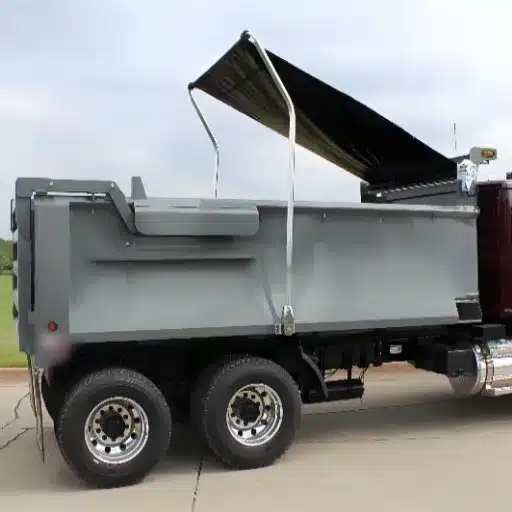
The automatic tarp system functions as a contemporary technology that enables trucks trailers and other transport vehicles to easily cover and uncover their cargo. The automatic system allows tarpaulin deployment through motorized controls which operate with a single button press or remote control, unlike manual tarps that need workers to perform heavy work for extended periods. The system functions as a practical solution that protects cargo from rain, snow, and debris through its efficient operational capabilities.
The systems use permanent weatherproof materials which secure their installation on vehicles through direct mounting. The system operates through electric or hydraulic motors which control tarp movement along designated track and guide rail paths. The system provides flexibility to secure all items, which ensures safe transport of valuable items, while it enhances operational productivity.
Automatic tarp systems offer numerous benefits across various industries. The system prevents workplace injuries by removing the requirement for workers to climb vehicles while they secure tarps. The system enables drivers, operators and users to complete their responsibilities, while it helps prevent accidents by ensuring proper tarp activation during all weather situations. The systems function as profitable assets for companies that want to boost productivity while protecting their cargo and establishing safe work procedures.
Components of a Tarp Roller System
The Tarp Roller System consists of various components which work together to maintain both its operational standards and its essential user functionality. The primary element is the tarp itself, which traditionally is made from robust and weather-resistant materials such as vinyl or polyester. The selected materials provide protection against extreme weather conditions while they deliver vital cargo protection during shipping.
The roller tube stands as another vital part, which manufacturers create using lightweight yet robust materials, including aluminum and steel. The roller tube allows the tarp to be rolled and unrolled smoothly, ensuring quick deployment and retraction. The device includes components which help achieve smooth operation, while decreasing the need for physical work.
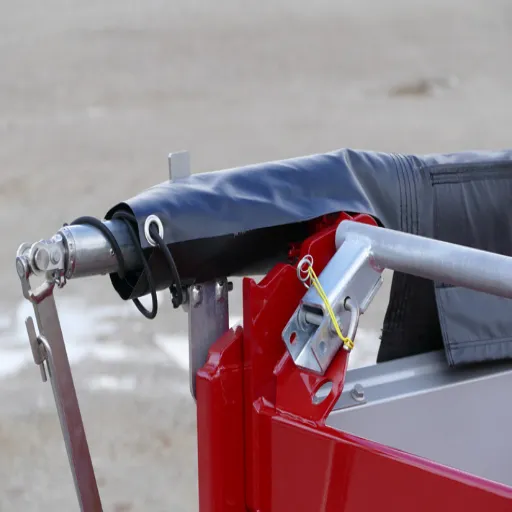
The system contains two main parts which are mounting brackets and tensioning devices. Mounting brackets secure the system firmly to the vehicle and ensure stability during use. Tensioning devices, such as springs or crank systems, are integral for maintaining proper tarp alignment and tightness, safeguarding against flapping or loosening under high speeds or adverse weather. The system functions as a complete system which operates to achieve safe and dependable results with high operational efficiency.
Benefits of Automating Tarping Systems
Automated tarping systems provide multiple benefits which lead to better operational performance and safer work conditions and more affordable operations. The tarping process becomes more efficient through their automated system which outperforms all existing manual tarping techniques. The following five advantages stem from the implementation of automated tarping systems:
1
Enhanced Safety
The automated tarping system eliminates the need for workers to access vehicle rooftops which decreases their chances of experiencing slip and fall accidents. The data from the industry shows that automated tarping systems help reduce workplace accidents which occur during tarping operations by 70% or more.
2
Time Efficiency
The automated tarping system completes its operations which require less time than the manual tarping procedure. The process which requires 15 to 20 minutes to finish through manual methods becomes possible to complete with less than 5 minutes needed for automated procedures which facilitates faster project completion.
3
Reduced Labor Costs
The tarping process requires fewer workers because automation decreases the amount of work which operators must perform. Companies that adopt automated systems experience labor cost savings which reach up to 25 percent according to their reports.
4
Improved Load Security
The automatic system maintains constant tension while delivering continuous coverage which protects against both load movement and weather damage. This process decreases the chances of product damage during transportation which results in increased customer happiness and decreased company financial losses.
5
Durability and Longevity
The automatic systems feature strong design elements together with operational control systems which help decrease tarp and component damage. The system allows equipment to achieve extended operational life while decreasing maintenance costs throughout its service period.
Through their implementation of automated tarping systems companies achieve two essential goals of business efficiency enhancement and workplace safety improvement which leads to reduced operational costs.
Safety Benefits of Automatic Tarping Systems

Reducing Risks in Logistics Operations
Automatic tarping systems work as essential tools because they decrease hazards while they create safer conditions for executing logistics tasks. The process of handling tarps through traditional methods needs workers to perform manual tasks which create dangerous situations that lead to falls and muscle strains and different types of physical injuries. Companies that automate their operations through task automation achieve substantial risk reduction because this allows their staff to work without needing to climb on vehicles for load securing. The workplace acquires enhanced safety features through this development because it minimizes accident risks and meets both safety regulations and employee protection requirements.
The automated systems tarping process applies tarps in uniform patterns which leads to increased load security during transportation operations. The proper securing of loads helps to eliminate the danger of vehicle contents shifting which can create dangerous situations when debris falls onto the road. The most recent transportation safety data indicates that a large number of roadway accidents happen because drivers fail to secure their cargo correctly or use improper methods for covering their loads. Logistics operators can use automatic tarping technology to enhance their safety operations while they achieve better results in following traffic and transportation rules.
Automated tarping systems help companies operate more efficiently because they decrease operational downtime that results from employee injuries and compensation claims. The process of manual tarping requires workers to handle physical work which creates an extra demand on their time and resources while they should be performing other critical duties. Company commitment to safety and innovation is shown through their decision to invest in automation technologies which lead to improved operational safety and reliable supply chain operations.
Compliance with Safety Regulations
The work environment of transportation and logistics industries depends on safety regulations because these rules protect workers and ensure operational standards. Automated tarping systems help organizations maintain compliance with occupational safety standards through their ability to follow OSHA regulations which exist in the United States and similar international safety standards. These systems reduce the requirement for workers to operate at dangerous heights because they enable safe operation of dangerous work activities. The process of following these regulations helps to protect employees while it creates financial protection for companies against possible fines which result from non-compliance.
Automated systems provide protection against immediate physical dangers while their safety performance meets or exceeds current safety standards set by regulatory agencies, which update their benchmarks for safety requirements. The companies that implement these systems gain a competitive edge because the technology helps them stay prepared for future safety regulation changes. The system incorporates remote control technology with fail-safe features which ensures that workers maintain their safety during unexpected events. Legal requirements get fulfilled through this proactive method which creates a protective environment that promotes safety across the entire organization.
Safety-compliant technology investments enhance a company’s public image. The organization establishes its commitment to ethical behavior and employee health through compliance demonstrations which create positive effects on client relationships with partners and stakeholders. The business benefits from compliance which creates opportunities for insurance savings because insurers prefer companies that handle operational hazards through risk reduction measures. The combination of compliance with regulations and the implementation of safety protocols and positive public perception results in successful operations for both immediate and future periods.
Case Studies: Safety Improvements in Fleet Management
Case Study 1: Technology-Driven Safety Measures
The logistics company used advanced telematics systems to monitor driver behavior through a fleet-wide system upgrade. The managers used driver data which showed dangerous behaviors of harsh braking and speeding and distracted driving to create specific training programs for drivers. The company achieved a 30% reduction in accidents together with a 20% decrease in vehicle maintenance expenses because drivers adopted safer driving practices throughout the 12-month period.
Case Study 2: Driver Training Programs
A regional transport company improved safety by implementing complete driver training programs which taught both defensive driving skills and emergency response techniques. The training program used classroom instruction together with practical simulation exercises to teach drivers how to handle stressful situations. The training results showed that reaction times during road emergencies improved by 40% which resulted in fewer accidents occurring.
Case Study 3: AI-Powered Predictive Maintenance
An international delivery service used AI-based predictive maintenance systems to improve safety and fleet operations. The system used vehicle data to conduct ongoing analysis which enabled it to forecast upcoming mechanical failures. The system’s preventive system reduced both breakdowns during travel and mechanical-related accidents. The program achieved a 25% increase in vehicle uptime and a 15% reduction in safety complaints during its initial six-month period.
The case studies demonstrate that fleet management organizations can achieve superior safety results and operational performance results through the implementation of advanced safety technologies together with comprehensive driver training programs.
Durability of Tarp Systems in Harsh Conditions

Material Selection for Extreme Weather
The appropriate material selection for tarp systems in extremely bad weather conditions is essential because it determines both material longevity and operational efficiency. The environment requires materials that can endure three different types of weather conditions which include intense UV radiation and heavy downpours and strong winds and freezing weather. The heavy-duty polyethylene material serves as the most common choice because it provides waterproof capabilities and UV protection and durable performance. The vinyl-coated polyester material becomes another preferred option because it delivers exceptional resistance against abrasion while protecting against extreme temperature changes.
The material becomes stronger through ripstop technology which prevents tearing under high wind conditions and when debris strikes. The fabric system gains protection against water penetration through laminated or coated fabrics, while heat-sealed seams strengthen the structural integrity by sealing all vulnerable points. The protective features of tarps enable them to maintain their operational capabilities, which extend throughout all extreme weather conditions. The cold-crack resistant materials become essential in snow and ice regions because they preserve their strength and flexibility at temperatures below zero, which helps prevent material brittleness and breakage.
Weight control and material portability need equal attention during the process of selecting materials for different uses. The handling and transportation process become tougher with heavier materials, which possess strength, but lighter materials, which lack robust strength, become easier to move. Manufacturers achieve a balance between product durability and user-friendliness through material science advancements because hybrid fabrics enable them to use combined strength and flexible materials. Proper material selection for tarps used in extreme weather conditions requires complete knowledge of environmental challenges and particular operational needs.
Testing Standards for Tarpaulin Systems
Tarpaulin systems undergo performance testing through specific established testing standards, which depend on appointed methodologies to measure system performance. The standards assess multiple material properties through testing, which includes examining tensile strength and tear resistance and ultraviolet (UV) resistance and waterproofing capabilities. The tensile strength test evaluates how much pulling force the tarp can withstand, which helps determine its ability to secure loads and endure high wind conditions. The test evaluates how well the fabric can withstand damage from sharp objects or strong impacts, which helps decrease the chances of equipment failure during actual usage. The use of ultraviolet resistance testing becomes crucial because tarps need protection in sunny areas and high-altitude locations, where ultraviolet radiation causes long-term damage to materials through extended exposure. The waterproofing tests evaluate how well the fabric stops water from entering, which is critical for its use in environments with rain and humidity.
Modern laboratories use standardized testing equipment which complies with international standards that include ISO and ASTM and DIN testing protocols. The tests assess how well tarpaulin systems function when they encounter various environmental conditions through simulated real-world testing. The cyclic weathering equipment tests the tarp material by creating rapid temperature and humidity changes to see how it performs under those conditions. The wind tunnel tests evaluate material performance under high-speed wind conditions, which makes this testing method critical for evaluating tarps used on truck covers and outdoor event shelters. The testing process enables manufacturers to deliver dependable products which serve sectors including construction and agriculture and logistics and disaster relief.
Field trials that last for an extended period provide the second stage of performance validation after material testing. Tarpaulin systems become real-world testing equipment which gathers information about their performance capabilities through various environmental conditions. The testing process requires tracking material performance during extreme temperature conditions and long-lasting ultraviolet exposure and heavy rainfall over multiple months. The design process for efficient products at factories starts with testing outcomes from laboratory experiments and actual case studies. The testing process fulfills the complete requirements of different applications through strict adherence to testing protocols which also enable the development of innovative material technologies and protective coatings.
Long-Term Performance Insights
The evaluation of tarpaulin performance needs to consider how environmental conditions and operational usage patterns affect their performance throughout extended time periods. The combination of extreme heat and freezing temperatures together with continuous rainwater contact creates conditions which lead to material deterioration that decreases material performance. Extended exposure to UV radiation produces a damaging effect on fabrics because it breaks down the molecular structure of polymers. Modern tarps require UV-resistant coatings because these protective treatments help maintain their structural strength in extreme environmental conditions.
The field of material science continues to develop new tarps which offer better strength and environmental friendliness than existing products. The combination of reinforced polyethylene and PVC materials with multi-layered coatings results in better tear resistance and abrasion resistance which extends product lifespan during heavy load use. The materials used in this study have been tested for their performance in cargo transportation, outdoor storage, and construction site protection which involves extended periods of use. The addition of waterproof membranes and anti-corrosion treatments ensures durability by protecting the equipment from extreme operational circumstances.
Product testing and design stages now integrate predictive data analytics together with real-time monitoring systems. The simulation technology enables manufacturers to test tarps against multiple long-term stressors because it provides data about material performance throughout different environmental conditions. The incorporation of this data into the manufacturing process enables companies to adjust their products according to specific industry standards which ensures their operational reliability and effectiveness. The approach improves product performance while meeting increasing environmental requirements because it strengthens products and decreases waste through fewer necessary replacements.
Comparative Analysis: Manual vs. Automatic Tarp Systems

Cost-Benefit Analysis of Tarping Methods
Manual tarping is cost-effective but labor-intensive, while automatic systems offer efficiency, safety, and long-term savings despite higher upfront costs.
| Aspect | Manual Tarping | Automatic Tarping |
|---|---|---|
| Expense | Low initial | High initial |
| Effort | Labor-intensive | Minimal labor |
| Speed | Slow | Fast |
| Protection | Limited | Comprehensive |
| Longevity | Moderate | High |
| Productivity | Low | High |
| Upkeep | Minimal | Moderate |
| Regulation | Manual-reliant | Automated |
| Application | Small-scale | Large-scale |
| Payback | Gradual | Rapid |
Operational Efficiency: Manual vs. Automatic
Manual tarping is labor-intensive and time-consuming, while automatic systems maximize speed, safety, and productivity with minimal effort.
| Aspect | Manual Tarping | Automatic Tarping |
|---|---|---|
| Effort | High labor | Minimal labor |
| Speed | Slow | Fast |
| Safety | Risky | Safe |
| Consistency | Variable | Reliable |
| Productivity | Low | High |
| Ease | Difficult | Convenient |
| Adaptability | Limited | Versatile |
| Cost | Low upfront | High upfront |
| ROI | Gradual | Rapid |
| Suitability | Small-scale | Large-scale |
Future Trends in Tarping Systems
Innovations in Automated Tarp Solutions
The automated tarp systems have achieved better performance through their new enhancements which improve their durability and safety features and user convenience while using advanced technological solutions. The system introduces its main innovation through the combination of intelligent sensors with Internet of Things (IoT) technologies. The system uses environmental sensors to measure wind speed and precipitation and temperature which enables it to control tarp operations through automatic deployment and retraction. The process establishes better operational procedures which decrease the danger that comes from performing work tasks through manual methods.
The company achieves extended operational periods for automated tarps which require less maintenance through its implementation of lightweight materials that possess strong durability properties. The company uses energy-efficient motors together with solar panel systems to create rechargeable power sources which decrease its dependence on outside energy resources.
The new development enables operators to use mobile applications and remote control systems for monitoring tarp systems and controlling their operations from distant locations. The system upgrades provide particular advantages for agriculture businesses and construction companies and logistics organizations which rely on time-sensitive processes to enhance their work efficiency. The automated tarping solutions achieve their standards for customer convenience and workplace safety and environmental responsibility through their combination of innovative technology with strong engineering design.
The Role of IoT in Tarping Automation
The automatic tarping system now uses IoT technology to enhance its traditional tarping system with intelligent features that enable network connectivity and advanced operational capabilities. The Internet of Things enables users to gather and study data while using it to boost operational efficiency and system management. The five main benefits of Internet of Things technology have improved tarping automation systems.
1
Remote Monitoring and Control
Operators of IoT tarping systems can use mobile applications or web platforms to oversee and control their systems from distant locations while their systems run at maximum efficiency without needing operators to visit the site.
2
Predictive Maintenance
The system uses built-in sensors to gather information about its components’ operational status which includes both motor performance and fabric tension measurements. The system uses this information to notify operators about upcoming equipment failures which helps them to reduce both operational interruptions and maintenance expenses.
3
Weather Integration
Through IoT systems, weather information enables tarping systems to function autonomously by opening or closing tarps according to actual weather conditions that include rainfall and wind and temperature fluctuations which boosts operational efficiency and safeguards equipment.
4
Operational Analytics
Organizations use IoT device data to analyze their operations which enables them to improve work processes while monitoring equipment use and discovering areas where they need to make progress to achieve better resource efficiency.
5
Safety Enhancements
The implementation of IoT technology enables the development of safety features which include obstacle detection systems and emergency stop mechanisms that protect workers during tarping operations.
The companies use IoT technology to improve their tarping procedures which results in better operational performance through increased system flexibility and better cost management.
Predictions for the Next Generation of Tarp Systems
The next generation of tarp systems will use artificial intelligence (AI) and material sciences and renewable energy technologies to achieve operational efficiency and environmentally friendly performance. Tarp systems will use AI-powered automation to adjust their operations according to changing environmental factors, which include wind speed and rainfall and load shifting. The creation of materials that possess advanced intelligence and lightweight characteristics and high resistance to wear and tear will result in tarp systems that maintain their operational capacity for extended periods, which will decrease the need for replacements and their related expenses.
The expected innovation will include renewable energy systems that use solar-powered mechanisms to deliver a sustainable energy solution which decreases dependence on conventional energy sources. The implementation of predictive maintenance technologies will increase because IoT sensors will provide real-time data which enables effective system repairs before problems occur while extending equipment lifespan through better maintenance practices. The focus will also shift toward developing modular designs, which will enable businesses to create customized solutions that match their specific requirements while providing them with flexible upgrade options.
Next-generation tarp systems will become essential for businesses that want to achieve operational cost reduction and safety improvement and sustainable business practices because companies now focus on achieving both operational efficiency and environmental sustainability. Tarping solutions will achieve new performance benchmarks and reliability standards through these innovations.
References
- Carrier Mountings – Defense Technical Information
This document discusses the advantages of automatic control systems over manual ones, which can be applied to tarpaulin retraction systems. - Click here to read more.
Frequently Asked Questions (FAQ)
Q: What do you mean by tarpaulin retractable systems and explain in detail how they work?
A: Essentially they are motorized or mechanized systems which permit the deployment and retraction of sheets (tarpaulin) or trap like covers over truck containers, trailers or any other containers which are open at the top. These automatic-retracting tarps are usually powered by electric motors, springs, or pneumatic pistons such that the tarp can be rolled in and out, rolled up or folded at the push of a button. They assist in easy covering of the load/tarps and does not involve too much of labor in pulling the tarp for large loads or areas.
Q: What are the major advantages of a tarpaulin retracting system?
A: The advantages are majorly quicker covering and uncovering of the load, improved safety by reduced handlings, proper tensioning of the tarpaulin to minimize flapping and damages, and reduced likelihood of losing the load. Automatic systems, moreover, facilitate the adherence to road safety rules and regulations, as well as prolong tarpaulins’ usefulness by allowing them to retract and store them as appropriate.
Q: How tricky is fitting and can existing trailers be upgraded?
A: This aspect is highly dependent on the model and the vehicle in question, as some tarpaulin automatic systems can allow for suitable past fitment. For installation, expert input may need to be sought in order to achieve the desired result with proper alignment, mounting, and electrical or pneumatic connections. Alternatively, there are modular kits that work with any design and can help the operator to turn a manual system into a retractable one after a little modification.
Q: What does one need to do to maintain a functional pull tarp system?
A: Recommended maintenance of pull tarps or tarpaulin automatic systems include checking the tarp fabric and any seals for damage, tear or wear, checking all the moving parts and applying lubrication appropriately, checking the function of the motor or the spring and the fasteners and the tracks for cleanliness and functionality. This is done as part of preventive maintenance aimed at increasing the period of use of the system.
Q: Can these standalone tarpaulin retractors be used with any tarp in any size?
A: Indeed, quite several designs can work with different types of tarps like vinyl, mesh or reinforced, and different dimensions but this will be determined by the system tension rating drum size and mounting capability. Look at the manufacturer’s manual for information on what size of retractable system will be appropriate for your type of tarp and truck.
Q: What are some of the safety measures of an automated truck tarping system I need to consider?
A: Important safety measures consist of emergency stop buttons, overload safety devices for the motors, fail-safe systems that ensure the devices do not deploy unintentionally, padding limits to eliminate the chances of travel and clear operation of all controls. All these features lower the chance of accidents during use and the possibility of damaging the equipment.
Q: Do the automatic systems of tarpaulins retraction raise the costs of working and decrease the Return on Investment?
A: The installation cost of automatic retraction systems can be considerably more expensive than that of manual tarpaulins, but in the long run, one saves due to less labor expenditure, less need for replacement of tarpaulins resulting from properly tensioned tarp, and cargo damage or loss reduction. Most operators experience ROI from increasing performance and equipment’s uptime.
Q: Can these systems also be applied to vehicle automation and remote controls?
A: Modern automatic tarpaulin systems can have features for integration with various enhancements such as vehicle electrics, central locking remote control units, or telematics fleet management systems. More efficient units are also capable of being set to work in a preset algorithm, connected to telematics, or interlocked with the vehicles’ sensors.
Q: What are some popular ways of rectifying a non-deploying or airy accusations retractable tarpaulin?
A: To resolve problems, these common troubleshooting steps include checking the power or pneumatic supply, checking for blockages in the track, ensure the limit switch positions, hear for any motor noise caused by mechanical binder, and make sure the tarp has retract properly. Resolving these issues should fix the deployment problem, if not, please talk to technical helpline for assistance.
Q: Which factors should help in making a decision whether to install manual pull-out tarps or automated taunt-traction tarp system?
A: Take into consideration how often the tarp would be deployed, cost of labor, attitude towards safety, and thorough measures of abuse. It is cheaper to purchase awnings that have to be physically opened and close at each use and are suitable when using a shower every so often. Unlike these, automatic tarpaulin retraction system and retracts automation tend to be more productive and safer in cases where use is mostly high volume, frequently found fleets, or faster wooing and coverage are to be maintained.