

Pneumatic Installation: Inflatable Structure Setup Guide
Erecting an inflatable structure fitted with a safety fabric entails accuracy, appropriate equipment and knowledge of carrying out effective pneumatic installation. A tent, canopy or even an office on wheels – each of these set-ups is designed for a certain time, however, without proper securing and protection, it can collapse in no time. It is the aim of this manual to guide you on the steps and considerations necessary for a safe and solid installation. Drain all your worries about the equipment needed or the challenges to mount as you will be ready to tackle any other endeavor. Without wasting time, let us now find out how to effectively devise a weather-tight and stable surface for an air-filled structure.
Introduction to Pneumatic Systems
Benefits of Pneumatic Systems for Tarpaulin Installation
Pneumatic installation has countless advantages that make it more attractive whenever there is an installation of tarpaulin, and the installation has to be efficient, perfect and firm. The following are the main advantages of the pneumatic systems:
Simple Operation
Pneumatic tools weigh less and are easier to operate, making it less of a burden on the operators. This ease of operation increases efficiency, especially in the installation of many tarpaulins in one project.
Highly Accurate and Controlled
Such systems allows for the accurate regulation of air pressure thereby correcting changes during installation. This way the tarpaulin is tight and well attached improving longevity and resistance to wind forces.
Saves Time
Pneumatic mechanisms facilitate fast and effective installation as opposed to doing things manually. For example, research indicates that using pneumatic installation can cut down the time by 40%, hence, it is very much useful in deadline sensitive projects.
Safe Operating Environment
Pneumatic systems avert some of the dangers that arise from the use of either manual or electric tools. They are constructed to prevent overheating and there is no risk of electric shock on the part of the installer.
Efficiency Ensured by Lower Costs
Pneumatic systems are cost-effective in the long term because of their supply nature and low maintenance cost. The need for heavy capital outlay at the start of operations should not be an issue since savings in labor costs and increase in the useful life of the equipment benefits the operator significantly in the long term.
With all these motivational factors in place, the pneumatic installation allows for better, enduring, and perfect in their dimension ornament of tarpaulin.
Understanding the Role of PVC in Tarpaulin Structures
Subsequently the application of PVC on tarpaulin proves to be very important as well since it enhances their durability and performance. This is due to the fact that this material is strong, flexible as well as weatherproof. There are many instances when one requires PVC coated tarpaulins for most applications. These tarpaulins are specially coated for the purpose of bearing rough weather conditions. They can withstand UV rays, rain and temperature alterations. Therefore they can be used for either short or long term purposes. This durability makes sure that it does not fall apart or get weak with time, and thus reducing the chances of its tearing.
PVC waterproofing capacity becomes one of the main reasons which is favorable about the material. Tarpaulin fabric is sealed with a layer of PVC creating a water resistant surface shielding the internal parts of things and structures from any rain or moisture. That feature becomes especially important in areas related to agriculture, industry, and construction where water amenity is of critical importance. More so, flame retardant as well as organic resistant chemicals are coated in order to improve these tarpaulin standards; thus many environments pneumatic installation is possible.
Ditto for PVC in enhancing tarpaulin systems. Shoe-making is a circumferential process, i.e., it creates limitless tarpaulins, thick or thin weight, or any color depending on the implementation that needs to be done. Consider the fact that most, if not all, temporary covers would be in the form of light-weight PVC sheets, whereas add to the weight and thickness into heavy duty ones are available for most of the trucks or storage tents. Such a structure together with the durable property of PVC makes it an essential raw material for manufacturing superior tarpaulin structures.
How Pneumatic Systems Enhance Efficiency and Quality
All over the world, pneumodynamics increase the measure of efficiency and ability by means of pressurized gas to transfer energy around various mechanical devices with sufficient accuracy that is required in many industries. The pneumatic installation finds its application mostly in production lines that require hourly highly precise and routine actions. This is because pneumatic machines eliminate a lot of human input during the process which is subject to very few mistakes and is more dependable when it comes to management of operations and standards.
One of the most significant advantages of the use of a pneumatic installation is that it can be used to drive certain machines that work faster than others while also saving up on energy. Compressed air-driven equipment is also very easy to monitor, allowing quick actions and changes during the manufacturing process. Other than that, pneumatics is very flexible and the system can be built almost for any purpose from tactful moving of assembly units to powering of heavy machinery. Their ‘crash-proof’ and straightforward structure lowers the cost of maintenance of the whole installation and extends its useful life by many years.
Another aspect where these systems are highly effective is extended and performance safety. Since the systems operate with air as opposed to the hydraulic fluid or electricity, the chances of leaks or sparks occurring are minimized thus making the systems suitable in places where safety is of utmost importance. Besides, the replacement of mechanical parts by pneumatic technology minimizes the loss of working time and quality caused by breakdowns, and hence these systems tend to increase productivity levels. As a consequence, such qualities place the necessity of a pneumatic installation and the mechanical approach to these systems to the most efficient and effective use of resources available to an individual firm.
Essential Equipment and Tools for Installation

Overview of Tools Needed for Tarpaulin Installation
When it comes to effective tarp installation, the best described sets are those which are useful for a long time and mechanisms that ensure stability mostly due to the interlocking of both parts. There is this essential element, central to the normal functioning of the unit, called a quality hammer or a hammer hiss – which is meant for hammering the supports into the ground in order to stretch out the tarpaulin. The same can be said, however, when being on an outdoor stage, but also in things that can indicate the stress on the system of supports and the supports themselves which is due to the introducing reliefs to the terrain. But also ropes and bungee cords are mainly for prevention of tarpaulin waving or collapsing due to the wind blowing on it – thus they are very handy when having a tarpaulin. In such regard, nylon ropes which are known to be more flexible or rubber cords which are elastic are preferred.
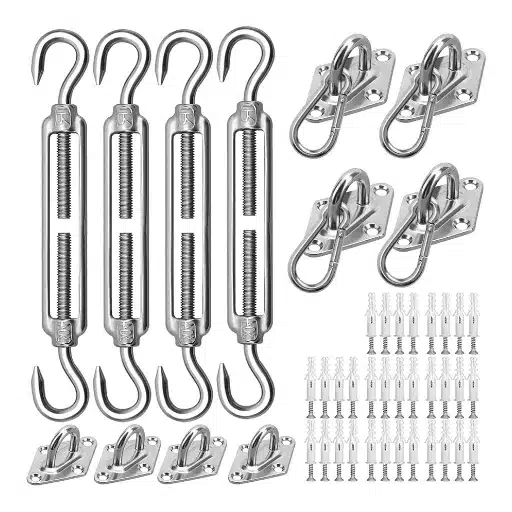
Furthermore, another important factor is an efficient and durable tensioner for tarpaulin or ratchet tie down that allows the tarpaulin to be pulled tight in order to avoid any wrinkles or in the process of fitting a tarpaulin, as it were. Such implements are extremely essential for huge spans of tarpaulin which is supposed to facilitate the cover of a building or covering structures in an open area. When setting up on hard surfaces, anchor bolts in form of drilling equipment might be needed in order to fix the tarp up on the wall or any other object. In addition, support mechanism such as mechanical legs or mobile elevators should be available in the course of a pneumatic installation.
Lastly, a measuring tape, and marking tools are important for achieving accurate and error-free work done. It is a necessity to measure the place size where the tarpaulin will be put before start of the installation process in order to identify the size of the tarpaulin and anchors as well. The purpose of markers is to help in straightening the tarpaulin and ensure that points of attachment are the same and fixed, thereby eliminating the risk of unequal installation. With these devices combined with good planning, it is possible to make the process of installation, which is efficient while providing lasting solutions and the fullest coverage.
Using a Tarpaulin Welding Machine Effectively
It is very important to understand the mechanisms and settings of a welding machine, otherwise it isn’t possible to use a tarpaulin welder properly. Begin the procedure by adjusting the temperature and the speed settings which are both appropriate for the type as well as the thickness of tarpaulin in use. Too much heat will destroy the tarpaulin while too little heat will not bond the material properly. Make sure the surfaces that will be welded are clean and dry because any contaminants will weaken and reduce the lifespan of the weld.
Prior to commencing welding, it is good to try on a small piece or waste material to validate the settings or make corrections where necessary. Use guides or clamps when available to keep straight and even edges when lining up your edges in order to create a smooth topology with little variation in spacing. Keep a firm grip and evenly distribute pressure while welding to prevent wavy seams and weak adhesion. In case of long seams, it is advisable to break the process into smaller pieces to obtain better control and precision.
When you’re done, inspect the finished weld to make sure it’s even and durable. Make sure to fill in any gaps or deficiencies and remove any bubbles that may break it, or any flaws that exist already because these could cause issues with the future appliances. Regular maintenance tasks, such as keeping a clean tip, which is the nozzle, and pinpointing the serviceability of the device, are the correct activities which will guarantee usage and functionality of the app for longer hours. Working with strip tarpaulins can be easy and practical if the techniques are applied accordingly and maintenance is also done on the regular basis; by doing all this, the tarpaulins will hang on tightly and comfortably to each other, even after all the stormy weather.
Hot Air Welding vs. Traditional Stitching Methods
Hot air welding offers superior durability, waterproofing, and seamless aesthetics, while traditional stitching is cost-effective but prone to fraying, water leakage, and visible seams.
| Aspect | Hot Air Welding | Traditional Stitching |
|---|---|---|
| Longevity | High | Medium |
| Waterproofing | Excellent | Limited |
| Appearance | Smooth | Threaded |
| Efficiency | Quick | Slower |
| Expense | Higher Initial | Lower |
| Robustness | Strong | Moderate |
| Usage | Outdoor, Heavy | Indoor, Light |
| Upkeep | Minimal | Frequent |
| Expertise | Moderate | Basic |
| Sustainability | Better | Poor |
Step-by-Step Installation Process

1
Preparation: Site Assessment and Material Check
A site survey should always be conducted prior to any type of pneumatic installation, in order to make sure the space is appropriate for the equipment being installed. Check for flatness, clutter, and any other surface imperfections, as well as water problems that might affect the work at hand. Water proofing or leveling works in that regard if necessary and before they move forward. The recording of such information also facilitates the accurate Mensuration exercise more so a justified strategy to use for the new environment.
Equally essential is that materials must be thoroughly checked to assess if all of them are as stated in the construction project’s requirements. For instance, check for damage like chips, cuts, tears, and any undesirable defects. Please go through the list of materials to ensure that they will work for the situation, whether you are using them for outside storage or simply to carry out some light duties within an enclosed area, the materials chosen must be correct for both situations. Such a measure renders unnecessary the need to pause work in the event of a material replacement.
Meticulous concern for site studies along with the selection of the required materials proves useful in pneumatic installation. These preparations are highly effective in minimizing hazards and increasing service life and surface integrity of a product. This step can be further bolstered by the use of modern equipment and innovative devices including the laser tools and moisture content measuring equipment which mechanistic analysis provides a great deal for the proper construction of the building.
2
Setting Up the Pneumatic System for Optimal Performance
Discovering the highest optimum efficiency for any pneumatic equipment calls for orderly installation steps. First, it is necessary to understand the system design and purpose of the project and check if they are suitable for the working environment. The type of work and airflow should be considered to ascertain the type of equipment required, that is, compressors, filters, regulators, and actuators. Accurately specifying sizes of the parts in a pneumatic installation helps eradicate issues like pressure loss and or increased power usage. Furthermore, leak proofing is achieved through the use of good quality fittings and hoses which as we know retards performance inefficiencies and eliminates costing of operating a system.
Component positioning and contribution too in performance improvement. The compressors should be put in that they function as they should and in open areas so as not to heat up. It is crucial that filters and regulators be exposed in manageable extensions for inspection purposes. Also, minimize wear and tear by ensuring the hoses are always laid without sharp angles or turns. Soft-start valves can also be used in the design to avoid components impulse during start-up thus improving their survival.
Right after the infrastructure for the system is finalized, the next logical phase consists of a few more operational steps, specifically checking the equipment and adjusting it. The control for fluid pressure must be adjusted to the optimum value that is needed in the work of this machine. At this juncture, it is also possible to install specific monitoring devices such as pressure gauges or flow meters which provide information in real-time and facilitate changes if need be. Automated management of devices for performance indicators may also be introduced to bring about accuracy and even to some extent prognostic maintenances that enhance uptime. Further, if a complete pneumatic installation process incorporates repeated measurements and corrections, then the whole process cannot help but be smooth and effective in the realities of contemporary practice.
3
Securing the Tarp in Windy Conditions
One of the most important factors in tarp installation is to do it properly in windy conditions. In the very beginning, there has to be a type of tarp selected, and it has to be a thicker heavy-duty material that can withstand the strong wind. Light tarps can also easily be borne upwards or fly away. However, reinforced grommet edges can also come into handy as they create knots that will not easily tear. But even when the right heavy-duty tarp has been selected, securing it properly with quality ropes and hinges will fortify the retention systems. Provide sufficient tie lines on the sides to protect the covers from being lifted from the edges. For instance, stakes, anchor pins and maybe some weights can be used to keep the corners and the edges in contact with the ground.
In the instance the tarpaulin envelope covers an item such as a car, it is important that such envelope is tightly folded and attached to the position to avoid flutter. The criss-cross application of the ropes encircling the tarp is helpful in that it distributes the internal force and holds the load in place without stressing one point over the other. Ratchets or other devices can also be used in order to allow for changes in tautness of the tarp when the wind changes.
To secure a tarp in extremely windy conditions, monitoring the coverage is essential at regular intervals. This is because high winds can periodically loosen even the most secure setups, and so actively looking for any signs of wear, tear or slippage will at least give the advantage so that everything doesn’t go askew. Setting up when possible, together with another person also speeds up the process and makes it safer. With deliberate action and good quality materials, it isn’t hard to fasten a wind flap over; such efforts will result in a durable cover that will protect for a long time.
Safety Protocols for Tarpaulin Installation

Essential Safety Gear and Equipment
While there is a necessity to provide or understand first aid for tarps, the more important thing is to prioritize the fitting and doing the right actions to avoid accidents. This is because the following features, among others, are critical in a good installation.
- Thick Gloves:
It ought to be thick enough to prevent fingers from being cut or abraded when carrying out heavy tarpaulin tying or making bulky or very firm knots on something. - Safety Glasses:
Pneumatic installation and especially when the wind is strong, safety glasses have to be worn to protect the eyes from flying particles and dust. - Hard Hat:
A safety hat prevents accidental impacts from falling objects or tools mostly in construction or most elevated works. - Skid-Resistant Footwear:
Solid or slip-resistant soled shoes allow one to walk easily on wet floors preventing accident coups when laying a tarp. - Safety Belt:
It ensures that a person who falls, does not suffer very severe injuries as there is always a means of attaching the safety harness to some stable object above. - Reflective Clothing:
It is imperative to wear bright vests or jackets where there isn’t enough light or when working near or on the road so that others can easily spot you.
Properly preparing oneself by wearing appropriate protection equipment will always be appreciated in terms of precautionary risk reduction. These protective gears if used in a more tactical and judicious manner can guarantee safety as well as increased productivity in all weather conditions.
Common Risks and How to Mitigate Them
For workers to be productive in the discharge of any responsibility, it is important to appreciate anticipated problems and take simple measures to avert them. The common one you’ll find is slipping, which often results from wetness or freezing conditions, bumpy floors, and the poor condition of the workplace. Such problems can be controlled if the staff pays more attention to keeping pathways free of debris, proper illumination of the working area, and using non-slip shoes. It is worth noting that scheduled surveys showing hazards can also help to control such events in pneumatic installation or in other activities that involve personnel.
The exposure to dangerous substances at workplaces like construction sites and manufacturing industries, remains a major concern to date. For example, failure to effectively control chemicals, dust and vapors, pose a multitude of both acute and chronic health effects. Working within a pneumatic installation mechanism for instance involves adhering to many safety controls. This means that there should be strict safety measures for the workers and their employers for instance an effective material classification and isolation, MSDS handy, and PPE’s like gloves, goggles, and respirators when there is a necessity. Lastly, educating individuals on the proper utilization of hazardous materials, and management of such substances supports an educated and efficient workforce.
One of the biggest challenges is the occurrence of ergonomic injuries when people work in places and their jobs involve making the same movement all over again, lifting heavy weights or remaining in certain positions for a prolonged period of time. When this happens over time, strain injuries, chronic pain or musculoskeletal disorders are bound to happen. However, these issues can be managed by buying ergonomic furniture, advising on the correct way of sitting or efficiency when working and taking breaks to rest or relieve an overall exhaustion. Employees also need to be trained on how to lift heavy weights correctly and why they should shift from one task to another in order not to over-use certain muscles. Taking note of these problems and acting accordingly will transform into a safe, healthy and productive space. It is by addressing the risks and taking the necessary steps that both people and organizations actively fight against threats regardless of safety being enhanced.
Emergency Protocols During Installation
During pneumatic installation, it is important that the installation processes are conducted in a safe manner by using simple, yet elaborated emergency plans. The first step is to carry out a risk analysis, which should be discretionary before any installation takes place, to be able to locate all the possible risks. All the team members should be made aware of where to head to in case of an evacuation, where the first aid rooms are and who the emergency contact person is. Fire extinguishers, first aid boxes and other response apparatus should be available at the site to ensure immediate response.
On top of this, workers ought to be properly instructed on how to behave in case of any emergency that is commonplace within the confines of the installation, for instance, electricity failures or appliance breakdowns. There is a need to put functional systems on the ground and this includes radio communication systems or cell phones to report an occurrence and facilitate a quick response. Set up hierarchies, like assigning people to be crisis managers, and drills, each of these can be more effective in improving preparedness.
One of the most important parts is recording all possible events immediately once they occur then analyzing them afterwards to evolve new measures for safety. If the organizations preemptively react to the aforementioned dangers, the above drawbacks are reduced, safety requirements are met, and an environment of readiness and recovery is created.
Routine Maintenance Checks for Longevity

Identifying Common Issues in Tarpaulin Structures
Tarp covers may be versatile and long-lasting however certain factors affect their use resulting in underperformance or compromised structure within a short span. Problems involving damage or excessive use of the material are the most common cases. The exposure of the material over long periods of extreme weather elements such as the sun, rain and wind destroys the conformation of the material thus causing fractures and eventual cuts in the cover. Moreover, exposure to excessive ultraviolet light causes bleaching of the material leading to eventual loss of the waterproof property of the material, which is the main reason for the use of the covering.
Yet another significant cause of concern is poor tensioning or anchoring of the tarpaulin over a given construction properly. Tarpaulins that are not tied down properly will tend to flap when the wind blows and this will lead to the tarps getting worn out even faster. This kind of behavior will eventually cause faster fraying along edges and more importantly less durable eyelets. In the same way, the fabric and the structure will be imposed upon with loads, snow or water bent to one’s knees without any relief until such a time that tears or deformation will be inevitable.
There is also the problem of condensation in structures that use tarpaulins, especially in humid climate conditions. If condensation is not controlled it will insidiously grow within the structure providing unwanted conditions for growth of molds and mildews. This will not only cause defects in the fabric work but it is also dangerous to the people present or to the goods kept in the facility. Therefore, it is critical to understand the conditions which will cause this problem and take preventative measures to ensure that the tarpaulin structure lasts as long as possible.
Regular Seal and Stitch Inspections
It’s essential to check the seals and stitching of the tarpaulin structures on a regular basis to ensure their performance and long life. It is because the seals and stitching tend to lose their effectiveness over time as they are in constant exposure to natural elements such as harsh UV rays, intense rain, and varying temperatures that come with seasons. If the seals are compromised, the structure can leak, meaning that the water resistance of the structure is reduced; if the stitches are compromised, it is likely that the product, however, cannot remain intact. Regular survey on the seams and seals provides the opportunity to locate problems that could have developed and prevent further damage and costs related to the repairs.
The seams and stitches can be checked every couple of months or so. It is particularly advised to conduct this after any harsh weather conditions. Indications like drawn-out threads, unkempt stitches, or holes and cracks are to be searched for on these seals. These can be easily treated by using weatherproof cement. Moreover, there is always an option to put down supplies for the pneumatic installation. Also, from the aggressive weather durability perspective, waterproofing the roof of the structure, thus making the tarpaulin last longer and, eventually less expenses on repairs.
Considering the development of modern science and technology, there are a number of other possible sources of repair. There are new heat welding processes that can be used instead of conventional sewing, and these bonds have the advantage of enhanced strength and resistance to outdoor factors as well as creep. Most of the minor damage can be eliminated easily and quickly by the use of good glue and patching kit. Tarpaulin structures can be designed and implemented, durable, functional and capable of withstanding the extreme conditions by combining frequent checks and contemporary means of repair.
Repairing Water Pooling Problems Effectively
Water that forms a pool is a common occurrence when covering plants or produce using tarpaulins and, if not corrected in time, it can result to shelf-life reduction in the long-term. Pool formation from water results due to the covering and its structure, insufficiently tensioned cover or a sagging cover, which aggregates on the cover. Water enters and accumulates over the tarp, which it was designed to be tense.
A very important technique to prevent water collection is membrane adherence coupled with drainage during installation. Begin by making sure that the frame, as well as the straps and meeting points, are provided or affixed. Modify the surface tension in order to have an even inclined structure which will deflect the water and prevent collection. Alternatively, strengthening tools such as support bars or non-sagging sticks may be put below the canvas so as to reinforce it and to minimize the possible effects of drooping that may occur due to harsh weather conditions for instance: heavy rains or strong gusts.
For such regions that have already been impacted by water pools, innovative devices can be used, for example, specially prepared PVC tarpaulins with integrated water drains or individually described rubber materials, which helps limit the damage. It’s usually recommended that designs have a sharp slope and drainage holes to control water. Otherwise, if there has been slight damage from puddles caused by water, kits driven by good-quality glue and impermeable tape can be used to patch up the material. When systematically checking and repairing any parts displaying signs of wear or loss of tension is in place for your tarpaulin, it will help preserve the structure, enhancing its use in harsh environments for extended periods and thereby promoting its use.
References
-
Air Inflated Stage Roof Structure with Independent Energy for SMEs Exhibition
This paper discusses the use of PVC-coated tarpaulin in lightweight and compact pneumatic structures, focusing on quick installation and dismantling processes. -
Division 23–Mechanical
This specification document includes information on protective coverings like tarpaulins and the installation of pneumatic systems in mechanical setups. - Click here to read more.
Frequently Asked Questions (FAQ)
Q: What is tarpaulin pneumatic installation and when is it used?
A: Tarpaulin pneumatic installation is a term used for the deployment of tarps with the assistance of pneumatic systems such as air bladders, inflatable poles, or automated air pressure in order to set up and tension the tarps within a very short time. Most of the times, it is practised for very big outdoor covers, cabs, designated industrial tarps, and tactical reliable shelters where fast, safe and even consistent tension of the tarp is a requirement. It is important to select the appropriate pneumatic devices and also the types of tarps to be used such as strong tarpaulin or vinyl cover necessary boosts the performance of the structure and its ability to tolerate adverse weather.
Q: What kind of equipment and materials are required for an efficient installation of pneumatic utilities?
A: In this scenario, people usually work with a rather long list of materials that are needed that always has good tarpaulin (vinyl or any other material that is suitable for outdoor uses), bladders basically meaning pneumatic or rather inflatable poles, poles or anchors, D-rings or similar shapes for securing, fixing adhesive or even repair kits for out of the workshop repairs, and in this case, the necessity to tighten and make the tarp very tight tensioners. Additionally, provide a storage space for components which are not used immediately and to make sure the products purchased are of the right standard, always liaise with competent and registered suppliers.
Q: Which tarp and supplier should I pick when it comes to pneumatic installation?
A: When looking for a tarpaulin, you need to determine the type of application first, whether it is truck covers, camping tents, or any other industrial application, and the second thing is the fabric that needs to be taken like only vinyl or tough flame retarding fabrics that do not decompose easily. It is best if one selects a vendor whose products have proven quality in terms of fabrics and their engineering applications and capabilities and who also has experience in systems that employ automation and presses as well as other pneumatic systems. Understand applicable industry standards and inquire about useful life of your tarps, how much overlap is required, and any mending kit availability to further the use of the tarps.
Q: How can I keep the pneumatic installation’s tarp with tension and properly attached?
A: In order to correctly fasten an air tarp, locking clips should be attached at regular intervals, poles or air pillows should support the tarp horizontally and should be tensioned using both pneumatic pressure and manually wherever necessary. This insures that the covering has sufficient overhang, anchors, and when necessary, glue to deter flapping. For security, be mindful that the tarp is not too stretched such that there are sharp edges, and that each supporting point is within the limit of the anchorage and environmental conditions.
Q: What are the frequent mistakes that lead to bad pneumatic installation of a tarpaulin and how do I prevent them from occurring?
A: Commonly the following issues arise: improper choice of tarp material, insufficiently secured number of points, uneven tensioning and even ventilation. To avoid them, it is necessary to select the tarp that meets specific requirements (vinyl when water proofing required and breathable fabrics when good ventilation is required), position poles and securing points at accurate intervals, and also incorporate automation control on the pressure where possible. For instance, these tarps have problems due to the incorrect overlap and efforts to save such tarps instead of maintaining their longer serviceable life.
Q: How can I enhance the service life of a pneumatic tarpaulin, how to maintain and fix it?
A: For maintaining the pneumatic installation in good conditions, it has to be checked for any punctures, cleaned and mildew prevention done regularly and when stored away repair kits should be used. Fastenings must be torqued and rubber seals checked as well. For maximum life and optimal operating conditions, do according to the instructions, change worn out securing points and invest in quality ones the first time around.
Q: Is it possible to apply pneumatic installation for heavy duty tarpaulin in industrial or harsh conditions?
A: Yes. There are possibilities of pneumatics being employed even in extreme industrial tarps and heavy duty tarpaulins which will be used for heavy duty applications. The attachment points are reinforced using anchors and the protective covering is a tough or coated fabric. Due to the controlled strength and tension in the production, it is easy to use a pneumatic installation system to place the fabric hence the overall production goes very smoothly.