
Single-Ply vs Multi-Ply: Layer Configuration Comparison
The selection of single-ply or multi-ply layer configurations for material construction needs to be made because it determines both performance and functionality and total expenses. The two approaches you need to know about applied to your industrial product designs and packaging designs and roofing system designs. This comprehensive guide explores the key differences between single-ply and multi-ply configurations, revealing their advantages, disadvantages, and most effective applications to help you select the option which meets your requirements.
Introduction to Tarpaulins
What is a Tarpaulin?
A tarpaulin, which people commonly call a tarp, functions as an extensive flexible material that possesses strength and waterproof capabilities to shield against rain and wind and sunlight. Tarpaulins manufacturers create their products from materials which include polyethylene and canvas and vinyl because these materials receive treatment that improves their ability to withstand water and ultraviolet rays and tearing.
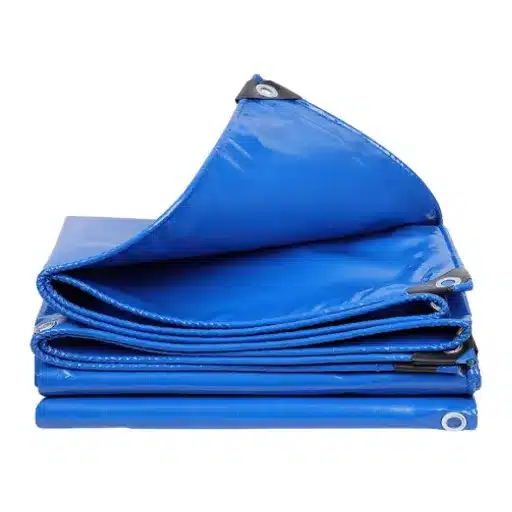
Tarpaulins function as adaptable materials which people can secure through their edges and grommets that facilitate easy tie-downs. The product functions as an optimal solution for various needs which include covering outdoor equipment and protecting construction materials and establishing temporary shelters. The product features a lightweight yet strong design which facilitates easy movement and setup for personal use and industrial applications.
Tarpaulins come in multiple sizes and colors and thicknesses to provide different users with their required specifications. Heavy-duty tarps provide their most effective protection in demanding industrial environments, whereas lightweight tarps function better in recreational outdoor activities such as camping. Proper tarpaulin selection enables individuals and businesses to achieve optimal protection together with enduring performance.
Importance of Choosing the Right Tarpaulin
The selection of an appropriate tarpaulin becomes essential because it determines the protection level required for your specific needs. The wrong choice can compromise the effectiveness of the coverage, leading to potential damage or increased costs. The industrial sector needs a lightweight tarp for heavy-duty work but businesses should avoid using a heavy tarp for short-term tasks. This highlights the importance of evaluating your requirements before making a selection.
When selecting a tarpaulin, you should assess its ability to resist water and UV rays and its overall durability. The most suitable option for outdoor protection during extended periods requires three piece heavy-duty tarpaulins which can endure severe weather conditions including rain and wind and sun exposure. A lighter tarp presents itself as an economical solution, which people use to cover furniture during their short-term renovation needs. The correct evaluation process determines the appropriate tarpaulin selection, which protects against specific usage requirements while extending product durability, which results in time and resources savings.
The purchase of a high-quality tarpaulin product reduces replacement requirements, which leads to lower costs for both customers and environmental sustainability. A well-selected tarp not only ensures reliable protection but also enhances safety by guarding against potential hazards like water leakage or debris. Maximum operational efficiency together with cost savings requires organizations to identify their particular needs and select the appropriate tarpaulin type.
Overview of Single-Ply and Multi-Ply Tarpaulins
Single-Ply Tarpaulins
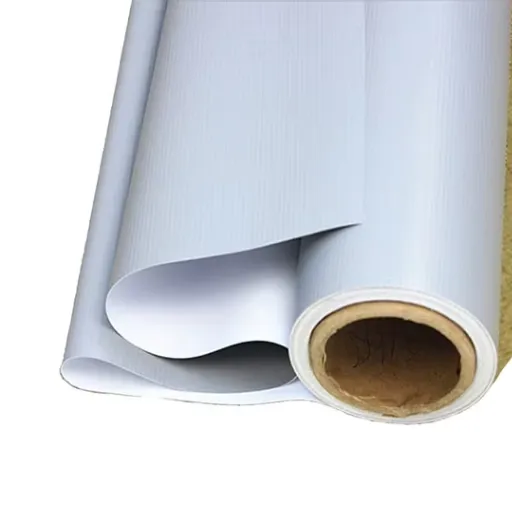
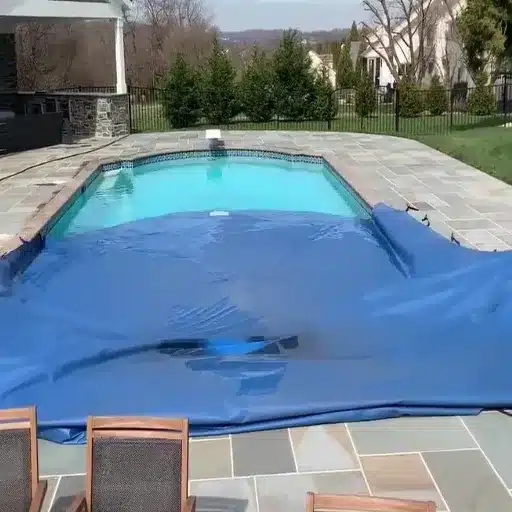
A single-ply tarpaulin is where only a single piece of material is used, hence they are not so heavy and not cumbersome. These types of tarpaulins are generally designed for temporary usage, such as vehicle coverings or dust covers, or light protection from rain. Although single-ply tarps may be cheaper and easier to use, they may not offer the level of wear and tear and environmental protection for prolonged use.
Multi-Ply Tarpaulins
The cutting edge of the design in the multi-ply tarpaulins however comes from the fact that they have multiple materials attached together in every single ply, giving them a more robust structure. Such tarpaulins are mainly employed for heavy-duty purposes like storing merchandise out in the elements for extended periods, covering construction sites, or offering protection from severe weather conditions.
When contemplating about the use of single vs multi-ply tarpaulins, there are key factors to consider, such as the application and environmental conditions. Single-ply tarpaulins are lightweight and cheap and are ideal for short-term applications. Consequently, in technical settings where durability and complete protection should be achieved, the multi-ply tarpaulins would be more effective.
Understanding Tarp Materials

Polyethylene vs PVC Tarps
Polyethylene (PE) tarps are lightweight, cost-effective, and suitable for temporary use, while PVC tarps are durable, UV-resistant, and ideal for long-term, heavy-duty applications.
Cross Laminated Tarpaulins
Cross laminated polyethylene tarpaulins are the products of recent technology and exhibit extremely strong, tear-resistant, and lightweight vinyl properties. These tarpaulins are manufactured in a special manner – by means of lamination in which layers of high-density polyethylene (HDPE) material are laid crosswise. This configuration of cross lamination makes them more resistant to tear and ductility without compromising on that all around bendable-weather-proof quality. In view of these characteristics, tarpaulins made based on the cross laminated technique are thought to be among the most robust tarpaulins in today’s single vs multi-ply tarpaulin markets.
Be it in heat, cold, heavy rains or snow, people have always liked tarpaulins for the fact they do not wear or tear easily. The good thing about these kinds of tarps is the fact that they are UV resistant, water resistant, chemical resistant, as well as abrasion resistant thereby making them perfect for outdoor use particularly venturing in snow and rain. Cross laminated tarps unlike the basic polyethylene and PVC ones last longer in the same conditions without much care. In other words, they are an economical choice, especially in the case of such industries including construction, agriculture and manufacturing where they have to be strong and rugged.
Moreover, cross laminated tarpaulins offer great versatility as well as environmental value. The very nature of their lightweight clear construction almost makes you not worry about handling, moving or installing them. They are also very good in terms of water resistance and are, thus, suitable for cargo cover, makeshift shelter or building water protection. This attention to the environment is also being implemented in the process, as many suppliers have started to use more recyclables in their fabrication.
Mil Thickness Explained
Mil thickness is a universal dimension in determining material good thickness of things like plastics film or tarp or any other industrial material. Mil comes from the Latin mille, thousand. Mil is 0.001 inch or 25.4 micron, these units allow for exact estimation of the thickness of material. Knowing about mil thickness is very important in the many industries as it assists in the choice of materials to use for certain purposes such as in building, farming and waterproofing solutions.
Take a 5-mil think material, for instance, is lighter and more elastic than a 20-mil think material, and thus less durable and more pliable. Materials that are thinner than 10 mils are commonly utilized in light weight or temporary applications such as plastic covers, interior protection sheets, and protective packaging. On the other hand, the heavier materials that measure as much as 15 to 30 mils or more are best for applications that require high strength of the materials, such as in pond liner fabrics, construction vapor retarders or tarpaulins. For this reason, users can manage to buy the reasonable thickness mil without compromising performance.
Present-day technological advancements have led to the development of multi-layered products or cross-laminated ones that are packaged in particular thicknesses (mil) for enhanced strength and dependability. This advancement is notable for its ability to preserve the very low weight of products and still ensure their durability. The difference in mil thickness, and its importance to various consumers and companies, helps them not to produce any inefficiencies or wastages, as well as develop the most efficient solutions for the task at hand in terms of meeting the project goals and constraints.
Durability Comparison
Single-Ply Tarpaulin Durability
Single-ply coverings are effective at providing protection from the elements and, more specifically the sun in outdoor events, temporariest utilising tents. What makes these items more common is the ease in cost and weight, but such advantages have several disadvantages in the longevity of the covering dependent on the material or the natural conditions. Mostly, such products are manufactured from polyester and vinyl and in such cases, each has different characteristics ranging from waterproof capabilities and UV protection to physical and general wear.
When assessing the robustness of a single ply tarp, it is necessary to factor in the mil thickness since it influences how strong and long lasting this material will be. A greater mil quantifier denotes better quality which is less likely to be torn or otherwise damaged by the harsh environment, an attribute which makes it possible for the tarp to remain in use in unforgiving environments for long periods of time. Furthermore, the stitching with reinforced edges and eyelet d-rings determines the durability as these parts allow even distribution of the tension, thus avoiding stress concentrations which in turn results to reduction in material fatigue.
Even though tarpaulins of the single species may not fare well under harsh environments, they are still economically affordable for purposes of temporary covering or in circumstances requiring low demand from the tarpaulin. Their shoddy weight enables easy maneuverability and usage which goes a long way in relation to building construction, agriculture or leisure purposes. However, those who want the product for permanent usage have to factor in the cost and strength of the packaging materials.
Multi-Ply Tarpaulin Durability
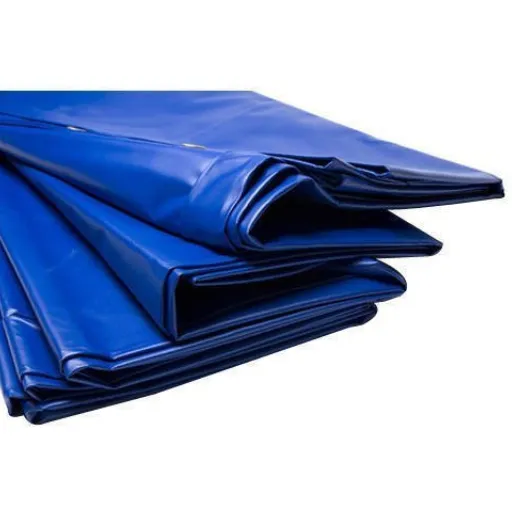
It is known that multi-layer tarpaulins offer more durability and are strong which makes them perfect for the type of use they are put to. In contrast to the single ply counterparts, the multi ply ones have two or more material layers engineered, in most cases, with different fibers or materials for greater resistance to tear, puncture and adverse weather conditions. They exceed in performance the lighter counterparts in severe conditions, protecting against prolonged ultraviolet rays, drenching rains and ferocious wind. This long-lastingness reduces the likelihood of any damage occurring and therefore reliability as well as cost with respect to management in usage is enhanced.
One crucial determining factor of the strength of multi-ply tarpaulins than the single vs multi-ply types is the modern production technique. There are numerous technologies such as heat sealing and cross lamination which are often used for melting various layers together and consequently producing sheets which are robust though elastic. Apart from that, the present treatment of the materials helps the functionality of the materials be used externally by adding such elements as UV blockers and anti-mold coatings. Such improvements guarantee that the usability of the tarpaulin remains unaffected even under harsh environments which enables its use in multiple sectors such as farming, transportation, and building, among others.
A common assumption is that matched component tarpaulins with multiple layers are always advantageous. Generally, it is possible to opine that a longer lifespan is achievable with multi-ply coated tarpaulins. This longer inclusion however is not necessary in use for every single cause. As such, what and when the solution will be employed and any corollary expectations should be scrutinized.
Impact of Tarp Thickness on Durability
Tarp thickness is amongst the most important factors affecting the capacity and lifetime of the tarp. Thicker pieces can easily overcome wear and tear, easily resisting against adverse weather conditions including wind, water and UV radiation. Polyethylene tarp thickness is often indicated in mils, 1 mil being equivalent to one‐thousandth of an inch. Five factors are presented below related to the effect of thickness on the durability of tarps:
1. Expanded Resistance to Perforations and Cracks
The internal structure of thicker tarps is tougher and much less likely to be punctured or torn accidentally. For example, an 18 mil thicker tarp can undergo higher loads than a 5 mil thick one.
2. Enhanced Protection Against Sunlight
Thicker tarps have the added benefit of UV resistance and this enhances their usefulness for extended periods of time. For example, when sun exposure is a concern a 20 mil tarp will be advised because it impedes the passage of UV rays very well.
3. Water Proofing
Tarpaulins of a thicker gauge are usually more water-tight, withstanding seepage while it rains heavily. Tarps with an 8-mil gauge are good for short showers, however, for prolonged resistance to moisture, the better options are 12-mil and 14-mil tarps.
4. Improvements on Weight and Ease to Move
The benefits of thicker tarpaulins are quite apparent. However, these have their own disadvantages as they make it difficult for them to move around since these hoists are heavy. Take for example the 10-mil tarpaulin which might be durable enough yet light enough to carry, while the 16-mil tarpaulin is too bulky to transport if it must be moved often.
5. The Cost Factor Goes Up
The thicker tarpaulins also usually fetch a higher price than the lighter ones. An 18-mil tarp, for example, may have a higher cost at first, but its longer life makes it cheaper in the end when compared to thinner tarps.
Waterproof and UV-Resistance

Waterproofing Capabilities of Single-Ply Tarps
Compared to multi-layered protection techniques, there are various uses of single vs multi-ply tarpaulins and the majority of these uses are useful for securing different materials or areas against water. This is largely because of their inherent waterproof nature, which is made by bonding and dispersing of a small layer of polyethylene and/or shack to avoid penetration of water. The seam is heat-sealed, and there is no possibility of overlapping, thus there is no possibility of water percolation on the layers on the tarp. Also, their sleek form makes their handling quite convenient retaining most of the desired water-resistant features.
Of primary importance where single or multi-ply tarpaulins are considered is standing the test of time through showers and waking mists. It is true that some tarps have been given finishings such as laminating and other aesthetic improvements to the fabric in order to improve their water-resistance. However, undoubtedly the most important aspect in a design of product is the elementary fabric to be used. A good example is a vinyl tarpaulin which offers a better waterproofness owing to its compact structure compared to a polyethylene tarpaulin which is strong yet affordable.
There are several factors that need to be taken into consideration, for instance the thickness and the weight of a tarp that is being used for waterproofing purposes. Single-ply tarpaulins that are thicker usually offer better resistance to water penetration and are able to last longer, hence suitable for use when covering heavy machinery or construction sites. However, the lighter variations may be utilized in situations where covers for events or gardens are only needed temporarily.
Waterproofing Capabilities of Multi-Ply Tarps
Multi-layered tarps are constructed by fusing various pieces of fabric, achieving greater strength, durability and waterproofing abilities. These particular tarps can serve well even in severe weather conditions as their layers render them more resistant to heavy downpour and retaining moisture for long periods. On several occasions, external layers become water repellant coatings while inner layers provide additional strength to avoid any seepage or performance underuse over an extended period.
If one were to take single vs multi-ply tarps, it would appear that the latter is the structure that provides greater and more protections in terms of hydrophobia. In short, multi-ply tarps come in handy in agricultural, industrial, transport or even emergency operations where the strings needed are coated and resistant. In addition to this, they are not enough as mere coatings against water, but they can sustain usage for a longer period of time.
Tarpaulins are offered in three-ply and single-ply designs to extend their waterproof function in harsh environments. That is why such papers are widely used in such extended outdoor exposure as roof tarps, flatbed tarps or garden equipment covers. Where their enhanced characteristics of waterproofness are beneficial, it ensures longevity in service and loss prevention.
UV-Resistance in Different Tarpaulin Types
UV protection is key to how effective and efficient the tarpaulins can be, especially for those exposed to the outdoors. The sun has a tendency to damage materials, which may include making them fade, crack or break down. Thus, tarps with added UV proofing are treated using various additives and/or coatings that perform the function of occluding/adsorbing the harmful sun rays. Polyethylene (or PE) Tarpaulin is a good example having UV stabilizers thereby increasing durability. Such tarps come very much in handy for various purposes like agriculture, the construction sector, marine environments and many others where a high level of sunlight is present.
Tarpaulins consist of numerous materials topped with varying degrees of ultraviolet inhibitors to exhibit particular levels of UV-resistance. These evolutions seek to address the variations in the type of use. In some applications, polyvinyl chloride (PVC) tarpaulins have commendable exposure to UV light while being durable and this and other characteristics make them subject to use in heavy truck covers, storage in industries and semi-permanent housing. Canvas tarpaulins are largely made from polyester or cotton, or cotton blends in various construction processes. Such tarpaulins can also have UV coatings for purposes of providing useful shade or cheap camping products.
One of the key indicators when analyzing any reinforced tarpaulin for its UV resistance depends on its weight, fabric count, and the quality of its coating. Tarps with more thread count are likely to protect better from UV degradation as they have more tightly knit threads that do not break that easily. Moreover, enhanced UV technologies have allowed the production of superior tarpaulins that do not lose their rigidity or fade easily. Customers are best served by being aware of the differences and the other objects that they may have in their environment and furthermore being able to carry out the correct type of tarpaulin ensures best serviceable use of the product in relation to its cost even in the most extreme conditions.
Use Cases for Tarpaulins

When to Choose Single-Ply Tarpaulins
When discussing which is better single vs multi-ply tarpaulin, the latter would always have more advantages than the former, given its weight and characteristics. In many cases, such as construction, recreation, or various outdoor activities, this one ply of cover is lightweight, easy to carry, and easy to install making it convenient for any temporary arrangements. Not devoting additional layers on them following the lightweight, the progression of the contemporary development of materials only safeguards the minimum waterproofing, shading from the dust and keeping the scenery undistorted during moderately strong winds.
One of the most important things that one must look at while deliberating on one among the single-ply tarpaulins is how often and how long it will be used. Such tarpaulins are usually designed, built, and manipulated for light applications whose time frame does not allow any risk of extreme exposure to the outside chances. Examples of their applications include vehicle cover, equipment protection, and even home construction shielding for roofing purposes.
Cost Benefit: An additional benefit of single-ply tarpaulins is the cost. Because of their uncomplicated build, they are generally less expensive than high quality, multi-ply, thus, rendering them low cost effective for buyers who wish to spare on expenditure.
When to Choose Multi-Ply Tarpaulins
Tarpaulins made from multiple layers are the best choice in cases of improved mobility and extra protection. They consist of various layers of materials, which make them resistant to tear and wear as well as weather conditions. These are mostly used in an industrial capacity such as when lading large equipments, making make shift tents or even with construction sites to avoid rain, air or mud disruption upon the site.
Furthermore, multi-ply tarps work best in situations that involve prolonged usage because they can withstand such conditions for a very long time. Hence, farmers use them to cover their crops, hay, or machinery outdoors while transporters use them for goods in transit. Moreover, these tarps possess greater UV endurance and waterproof qualities than single ply ones, therefore they are very effective in open air.
Investment Perspective: In cases where demand is for something sturdy that is sustainably able to withstand long and constant use, then multi-ply tarpaulins are indeed worth the extra expense.
Decision Factors Checklist
- ✓
Application type and duration - ✓
Environmental conditions - ✓
Weight and portability needs - ✓
UV protection requirements - ✓
Waterproofing capabilities - ✓
Budget constraints
Frequently Asked Questions (FAQ)
Q: How do you distinguish between single vs multi-ply tarpaulins?
A: The primary distinction in the single vs multi-ply tarpaulin debate is the method of construction, as single-ply tarps have only one layer of a certain material while multi-ply ones consist of two or more layers that are adhered to each other. Multi-ply tarps for example have better tear strength, are less elastic, and more durable whilst single ply tarps are relatively flimsy, elastic and cheaper. Choices of choosing tarpaulin single ply vs multi ply tarps simply depend on how light or durable the cover must be.
Q: In which way does the weave affect the efficiency of designs when it comes to tarpaulin single vs multi-ply?
A: The importance of weave includes the factors such as its effect on the water resistance, the strength, and the abrasion resistance of the fabric. The fabric gets more exposed in cases where a single ply tarp is used and so its structure becomes more important for performance. On the other hand, in the case of multiple plies, the woven-fabric layers or the laminated-woven layers are the different possibilities that can be utilized and so their durability can be toned down by adding all these into the fabric. When evaluating single vs multi-ply types of tarps, choose the most tightly woven/heavy options to have a layer of additional protection.
Q: Judging from the perspective of outdoor use, which type should I choose, single vs multi-ply?
A: In general when it comes to outdoor use, multi-ply tarpaulins give a better protection level due to their enhanced durability and resistance to environmental factors. This is possible due to the tarp’s layered design and material composition. Nevertheless if the objectives of the tarpaulin are lower weight and smaller packaging size, a single-ply tarpaulin will still be suitable. Depending on the specific conditions encountered, such as high winds, intense sun or moisture, and the necessity of frequent encounters with these elements, multi-ply will be better.
Q: What are tarpaulins’ resistance to tearing and puncture like?
A: Tarpaulins differ in terms of resistance to tearing and puncturing, based on the number of plies and the thread density. Multi-ply tarps combine layers to distribute applying force and inhibit tears, while in the single-ply tarps the weave structure is the primary defense. Edges and grommets of most tarps are provided with reinforcement against wear whether the tarp is single-ply or multi-ply.
Q: Are there any circumstances where single-ply tarps can be used commercially or industrially?
A: Yes, there are single-layer poly tarps available in the market with dense weaving techniques and in most applications, it would be sufficient especially where flexibility is a concern or rather its weight is an issue. Nevertheless, in heavy-duty industrial applications which call for such thickness and tear resistance that several layers are sewn together, it is best to use multi-ply tarps. Choose single ply or multi-ply tarpaulins after assessing factors like load, abrasion and expected lifespan.
Q: When comparing the cost of a single-ply vs a multi-ply tarpaulin, what are the differences?
A: Single-ply tarps are, in general, cheaper because there is less material and less complicated construction involved. More layers within the tarp raise the cost of multi-ply tarps, often because of a stronger weave and sometimes improved coatings. Take account of the cost over the life of the product: a heavier tarpaulin might cost more initially, but it is cost-efficient in the long run as it reduces the number of times the tarpaulin needs to be replaced, in particular where the circumstances require the heaviest duty tarpaulin available for that purpose.
Q: How should I choose the tarp that best suits my requirements?
A: When purchasing a tarpaulin, think about the intended use, required weight, UV protection needs, waterproofing capabilities, and construction quality in terms of weave and ply. Decide whether single or multi-ply is preferred based on portability requirements or durability needs, examine the thickness that the tarp is rated for and the presence of reinforced edges and grommets, and evaluate the protective capacity when protecting against the specific dangers that could be encountered.
Key Takeaways
Construction Difference
Single-ply tarps consist of one layer while multi-ply tarps feature multiple bonded layers for enhanced strength and durability.
Application Focus
Single-ply works best for temporary, lightweight applications while multi-ply excels in heavy-duty, long-term outdoor use.
Cost Consideration
Single-ply offers lower upfront costs, but multi-ply provides better long-term value through extended lifespan and reduced replacement needs.