
Nano-Coating Technology: Advanced Surface Treatments
Tarpaulins serve as vital equipment in multiple industrial sectors because people trust their ability to endure extreme weathering conditions. The strongest tarpaulins will start to break down after they experience continuous exposure to water and ultraviolet radiation and physical damage from contact with other surfaces. The advanced nano-coating technology provides an innovative method which transforms surface treatment processes to deliver better protection and extended lifespan for treated materials. The article will demonstrate nano-coating functionality together with its material transformation effects on tarpaulin materials and its current status as the most effective solution for businesses which need to minimize operational expenses while maintaining productivity.
Understanding Nano-Coating and Its Benefits
What is Nano-Coating?
Nano-coating creates a protective microscopic layer which enhances surface durability and operational capabilities. The creation of these coatings uses nanotechnology which enables scientists to engineer materials through their fundamental molecular and atomic structures. Nano-coatings create a protective invisible film which adheres to surfaces to shield against water, UV radiation, dirt, and corrosion damage.
The primary benefit of nano-coating enables surfaces to develop water-repellent properties which create hydrophobic surfaces. The surface allows water and other liquids to roll off because they do not penetrate the material which helps to prevent damage from moisture and stains and mold growth. The nano-coating technology protects materials from scratches and wear and chemical damage which enables long-term material protection for tarpaulins and glass and metal and fabric materials.
The industry prefers nano-coatings because of their ability to provide multiple uses and environmentally friendly properties. The products decrease both the need for dangerous cleaning products and the frequency of required maintenance which makes them an environmentally responsible solution that works in various sectors. The application of nano-coating technology in automotive construction and agriculture industries transforms our methods of safeguarding and extending the lifespan of common materials and surfaces.
Hydrophobic and Oleophobic Properties
The two fundamental surface properties which define this material science segment maintain their status as essential research elements in scientific investigations. Hydrophobic surfaces repel water while oleophobic surfaces repel oils which create two distinct properties for materials. The special nano-coatings create these features by changing the energy level of material surfaces to stop liquids from sticking to them. Water beads form on hydrophobic surfaces which take off from the surface because the contact area between the water and the material decreases with water movement. The creation of oleophobic surfaces allows them to block oily substances which keeps surfaces cleaner and improves their ability to maintain cleanliness.
Practical Applications
- Hydrophobic coatings serve multiple industrial applications for automotive and construction sectors because they create water-repellent surfaces which help to prevent corrosion and improve product lifespan
- The application of oleophobic coatings occurs on smartphones and tablets to protect their displays from oily fingerprints while keeping the screens clear for users
- The coatings maintain surface cleanliness for extended periods which needs less upkeep work while they improve the abilities of the surface to function
The scientific explanation for these properties makes use of nanoscale surface texture modification techniques which produce tiny surface ridges or patterns to control liquid movement across surfaces. Advanced technologies enhance performance capabilities while providing environmental advantages through their ability to minimize usage of dangerous cleaning substances. Nano-coating technology creates sustainable surfaces with advanced performance capabilities which different industries can use through their hydrophobic and oleophobic surface properties.
Durability and Longevity of Coated Surfaces
Nanoscale coatings create protective surfaces which protect materials from wear and environmental damage to extend their operational life. The coatings establish a strong defense system which protects against water damage and ultraviolet light exposure and physical wear because these factors cause materials to deteriorate. The protective shield enables surfaces to sustain their structural strength during prolonged usage when they face extreme operational challenges.
Nano-coatings provide a major benefit through their capacity to prevent contaminants from entering and their ability to decrease friction against surfaces. The material exhibits strong resistance against damage from scratches and stains and to the buildup of dirt. The automotive and construction and electronics industries gain substantial advantages from these properties because their increased product durability results in longer product lifetimes and lower maintenance expenses. Nano-coatings promote sustainability because they decrease product wear and tear which leads to less frequent material replacements.
Key Durability Factors
| Application Process Quality | Determines initial coating adhesion and uniformity |
| Environmental Conditions | Influences rate of coating degradation over time |
| Physical Impact Frequency | Affects coating integrity and protective capabilities |
Research demonstrates that nano-coated surfaces maintain their operational capacity for multiple years when users conduct proper maintenance. The coatings need high-quality materials and proper maintenance according to guidelines to achieve their maximum performance and extended product life.
Technical Advantages of Nano-Coating for Tarpaulin
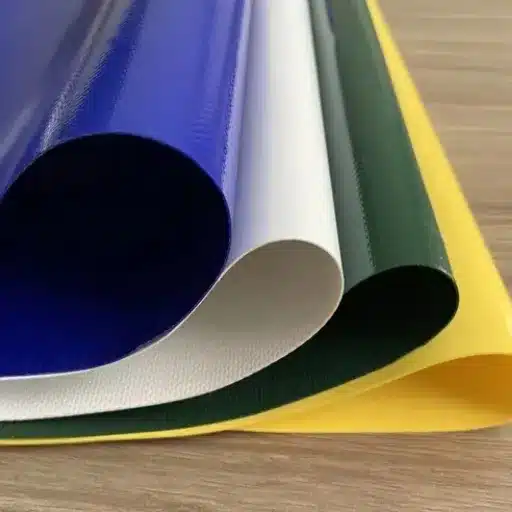
Water Repellent Characteristics
Tarpaulins get outstanding water repellent abilities through nano-coating technology because the process creates a surface protective layer that stops water from entering the material. The hydrophobic coating decreases water molecule attraction which enables water droplets to form beads that easily slide off the surface. The feature helps to protect the tarpaulin from water damage because it keeps the material dry while it protects against water-based destruction which includes mildew and mold, thus protecting their outdoor applications that undergo changing weather conditions.
Performance Statistics
90%
Water-repelling capacity retention after extended environmental exposure
The nano-coated tarpaulin material provides water repellent characteristics which benefit industrial applications in agriculture construction and transportation. Materials with advanced nano-coating technology maintain 90% of their water-repelling capacity after extended time in severe environmental conditions, according to research. The tarpaulin material provides dependable protection for equipment, crops, and goods, which ensures its protective performance throughout all applications. The user receives economic benefits from reduced maintenance expenses because hydrophobic performance remains continuous throughout the product’s use.
Nano-coatings create self-cleaning capabilities because they possess the ability to repel both water and dirt along with other contaminants. The coating works together with rain or water exposure to create a natural cleaning process which removes debris, thus maintaining the tarpaulin surface in a clean and operational state. The self-cleaning function allows the tarpaulin to maintain its structure while eliminating most cleaning requirements, which results in significant time and effort savings. The water repellent properties of these materials demonstrate that nano-coating technology effectively improves the operational durability of tarpaulin materials.
UV Resistance in Harsh Environments
UV radiation exposure occurs for extended periods in outdoor environments that operate with tarpaulin materials. UV radiation, which forms a central part of sunlight, causes materials to deteriorate through various ways including fading and cracking and reduced tensile strength. The development of tarpaulins today employs UV-resistant coatings and additives which create protective barriers that safeguard materials from dangerous radiation. The coatings serve as protective shields which block or redirect UV rays to reduce harmful effects, thus protecting tarpaulin materials from extreme weather conditions.
The modern UV-resistant technology presents advanced UV-protective materials that use new UV stabilizers as component elements which manufacturers integrate into tarpaulin production. The stabilizers function to stop the free radicals created by UV radiation from causing photo-degradation. The chemical reactions which lead to tarpaulin material breakdown can be stopped, which results in extended tarpaulin lifespans that create economic advantages for businesses that need long-lasting transport and agriculture and construction materials. The research shows that UV-stabilized tarpaulins maintain 90% of their tensile strength after extended exposure to sunlight, which demonstrates their ability to perform in challenging conditions.
90%
Tensile Strength Retention
100%
UV Ray Protection
Manufacturers use protective coatings together with multi-layered material designs, which enable products to resist UV radiation while providing extra important functions, including water protection and tear resistance. The complete method enables tarpaulins to endure both UV radiation and all other environmental forces that affect their performance. Tarpaulin systems with improved UV resistance provide businesses and consumers weatherproof solutions which maintain their strength and visual appeal throughout their service life. The development shows the ongoing efforts to create materials that will better withstand changing environmental situations.
Chemical Stability and Protection
Modern tarpaulins use advanced chemical stability protection which allows their operation in multiple settings that have potential chemical exposure risks. Chemical stability defines how materials maintain their original state when they come into contact with different substances which include oils and acids and solvents. This property is crucial for industries like agriculture construction and transportation which frequently use tarpaulins that face potential damage from corrosive substances. Tarpaulin manufacturers use advanced polymers together with specialized coatings to create tarpaulins which offer better chemical protection while reducing material degradation and providing extended product life.
Primary Base Materials
- •
Polyethylene (PE): Enhanced with additives for improved chemical resistance while maintaining flexibility - •
Polyvinyl Chloride (PVC): Offers superior tensile strength and protection against severe chemical contact
Polyethylene PE and polyvinyl chloride PVC emerged as base materials which brought about major progress in chemical stability. The compounds receive additive treatments which boost their ability to withstand severe chemical contact while their flexible properties and tensile strength stay intact. The new formulations create designs that restrict leaching and chemical disintegration through their development of protective mechanisms against intense environmental conditions. Modern chemical-resistant tarpaulins provide better protection than traditional materials according to both laboratory tests and field research which show that the newer materials keep goods and surfaces safer.
Chemical stability becomes essential because it maintains basic operational functions while supporting environmental sustainable practices. Tarpaulins gain chemical degradation protection which extends their operational lifetime and results in decreased materials waste together with permanent product replacement needs. The latest technologies work to develop sustainable production processes which use environmentally friendly additives that decrease energy consumption during manufacturing without affecting product efficiency. The tarpaulin industry develops practical solutions which meet tough industrial needs while simultaneously maintaining sustainability through their new product developments.
Applications of Nano-Coating in Various Industries

Use in Construction: Enhancing Heavy-Duty Fabrics
The construction industry experiences a transformative revolution through nano-coating technologies which enhance the operational capabilities of heavy-duty fabrics. The advanced coatings deliver essential construction equipment because they provide exceptional protection against weather conditions and extend material lifespan through environmental defense mechanisms. The construction sector benefits from five essential advantages which nano-coating technology brings to heavy-duty fabrics.
Advanced materials developed through these innovations enable heavy-duty fabrics to fulfill construction requirements while providing environmental benefits and economic savings through material longevity.
Maritime Industry: Protection Against Elements
The maritime industry requires strong materials that can withstand extreme conditions which include saltwater, ultraviolet light, and temperature changes. Nano-coatings enable materials in this industry to achieve greater durability through their capability to protect against three types of damage which include corrosion and biofouling and wear. Nano-coatings create hydrophobic surfaces that repel water while blocking salt deposits which results in lower maintenance expenses for shipping vessels and offshore structures.
Key Maritime Benefits
Anti-Fouling Protection
Combats marine organism accumulation
Fuel Efficiency
Decreases drag for improved performance
Environmental Impact
Reduces greenhouse gas emissions
Advanced anti-fouling nano-coatings combat the accumulation of marine organisms, which can impact vessel efficiency and increase fuel consumption. The solutions decrease drag which leads to fuel savings and reduced greenhouse gas emissions while helping the industry achieve its sustainability targets. The breakthrough UV-resistant nano-coatings protect materials against both sunlight damage and ultraviolet radiation to maintain their material strength and visual appeal.
Through their ongoing advancements in nano-coatings, the maritime industry establishes a technology which enhances its operational performance and protects environmental standards which will remain essential for upcoming industrial developments.
Transportation: Improving Tarp Longevity
The transportation industry relies on tarps which need to last longer because they protect cargo during transit. The introduction of nanotechnology through nano-coatings has developed a transformative method which extends tarp materials through advanced technological improvements. The specialized coatings deliver outstanding protection against wear and tear through their ability to minimize damage from friction and weather conditions and continuous handling. The material shows resistance to UV radiation which represents a frequent cause of material degradation that occurs during extended exposure to sunlight. The tarps maintain their original appearance and structural strength which leads to lower replacement costs and higher operational efficiency throughout their entire lifespan.
The nano-coatings protect tarps through their advanced hydrophobic properties which enable tarps to repel water while stopping moisture-related damage that causes mold and mildew growth. The feature enables safe transportation of products through various climatic conditions which include high humidity and rainy weather when water exposure remains a constant threat. The nano-coated tarp materials maintain their protective abilities against harsh environmental conditions, which guarantee secure cargo protection during transit. The coatings enable transportation companies to complete cleaning and maintenance tasks more efficiently because they prevent dirt and grime buildup, which helps organizations save their valuable time and resources.
Sustainability Impact
Extended Lifespan
↑
Material Waste
↓
Production Needs
↓
Nano-coatings provide the transportation sector with sustainable solutions because they combine three essential advantages which include durability and UV protection and hydrophobic features. The extended lifespan of tarps leads to fewer replacements which results in both decreased material waste and reduced need for production. The two actions result in decreased costs while the business remains committed to protecting the environment. The use of nanotechnology in transportation infrastructure development creates new solutions that are both affordable and sustainable which establishes it as a critical element of contemporary logistical operations.
Common Questions and Considerations
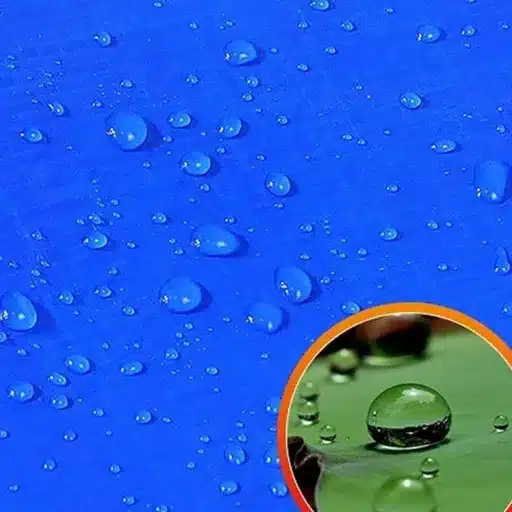
Long-Term Durability of Nano-Coated Products
The industries of transportation and construction and manufacturing need to evaluate the extended product life span which nano-coated products offer. Nano-coatings achieve greater protection against wear and corrosion and environmental damage through their distinctive molecular structure. The coatings create a protective shield that defends surfaces against dangerous elements which include ultraviolet light and high-temperature conditions and water exposure. The materials develop higher strength which extends their lifespan because they need less upkeep and replacement work, which results in cost savings and decreased resource consumption.
Performance Improvement
30%+
Lifespan increase compared to untreated surfaces
The main benefit of nano-coated products allows them to maintain their operational capabilities throughout lengthy periods of time even when facing difficult testing situations. The nano-coating technologies which transportation infrastructure uses on vehicle parts and bridge surfaces show remarkable durability under heavy loads and changing weather conditions. Research demonstrates that nano-coated surfaces can achieve a lifespan increase of more than 30% when compared to untreated surfaces. The ongoing development of nanotechnology creates more adaptable and effective coatings which perform better in areas with dangerous chemical levels and high pollution conditions.
The long-term use of nano-coatings presents difficulties because it creates problems about their capacity to function properly and their environmental impact. Researchers need to solve nanoparticle environmental hazards because these particles can degrade and enter natural ecosystems. Researchers are developing new coating technologies which will create protective materials that achieve both durability and environmental safety to support worldwide sustainability objectives. The industry needs to perform thorough evaluations and conduct ongoing testing, to establish how these coatings function throughout their entire life cycle. The research progress and industry partnerships will enable nano-coated products to become a fundamental element of sustainable development throughout the upcoming years.
Cost-Effectiveness of Nano-Coating Treatments
The financial benefits of nano-coating treatments exceed those of conventional methods which protect surfaces from damage. The initial expense of nano-coatings exceeds the costs of traditional methods but their advantages throughout their entire lifespan make them more valuable. The coatings extend material life because they provide protection against corrosion and abrasion and environmental damage. The automotive and aerospace and construction industries benefit from reduced maintenance expenses and decreased repair costs and lower material replacement needs over time.
Financial Advantages
- Reduced maintenance expenses through extended material protection
- Lower repair costs due to enhanced surface durability
- Decreased material replacement frequency for long-term savings
- Energy efficiency improvements through thermal regulation capabilities
- Economies of scale driving down adoption costs
The energy efficiency improvements that nano-coatings create for businesses represent a crucial element which needs evaluation. Advanced nano-coated surfaces in buildings help to control thermal energy, which decreases the need for heating and cooling systems. The energy-efficient glass nano-coatings create energy savings through their ability to reflect sunlight and resist heat transfer for residential and industrial applications. The operational cost reduction leads to dual benefits because it supports global energy preservation initiatives while creating fiscal advantages.
The financial efficiency of nano-coating treatments as an industrial solution exists because the technology can expand to meet different business needs. Companies which utilize nano-coatings experience reduced production waste because the technology needs thinner coatings than standard methods while delivering enhanced performance. The specific needs of businesses can be addressed through treatment customization, which enables organizations to achieve cost savings because it meets their specific requirements while avoiding the need for general solutions. The adoption rate increases, which will cause much lower costs through economies of scale, will make nano-coatings into a highly affordable solution in upcoming years.
Maintenance Requirements for Coated Tarpaulins
Tarpaulin coated materials need proper maintenance methods which help extend their useful life while sustaining their operational capabilities. The cleaning process requires regular implementation, which should involve using mild soap together with water to disinfect surfaces while keeping the protective coating intact. The protective layer will break down if harsh chemicals or abrasive tools are used on the surface. The process of storing tarpaulin material needs to wait until complete drying has occurred because this method protects against mold growth and mildew formation and material deterioration.
Best Maintenance Practices
- Regular Cleaning: Use mild soap and water to disinfect surfaces without damaging the protective coating
- Avoid Harsh Chemicals: Never use abrasive tools or aggressive cleaning agents that can break down the protective layer
- Proper Drying: Ensure complete drying before storage to prevent mold, mildew, and material deterioration
- Regular Inspections: Check for cracks, holes, and peeling sections requiring prompt repair
- Controlled Storage: Keep in low-temperature, dry environments away from direct sunlight and extreme heat
- Periodic Re-coating: Apply protective treatments as needed for industrial and high-performance applications
Regular inspections must take place to assess wear and tear damage which requires inspection of cracks holes and peeling sections of the coating. Minor problems become major problems when people fail to conduct prompt repairs using materials that match existing equipment. The physical structure of tarpaulins and their UV protection will remain intact when they are kept in environments that maintain low temperatures and complete dryness while avoiding direct sunlight and extreme heat.
Some manufacturers suggest that industrial and high-performance use cases need their products to undergo regular re-coating together with protective treatment applications for restoration of water protection chemical defense and UV protection. The procedures need to follow the manufacturer’s established protocols which control material compatibility and adhesive properties. The implementation of these maintenance methods will enable businesses and individuals to achieve extended operational time and improved performance with their coated tarpaulin products.
The Future of Surface Treatments in Tarpaulin Technology

Innovations in Coating Technologies
The development of tarpaulin coating technologies enables better operational performance together with improved environmentally friendly practices. Through nanotechnology coating systems manufacturers now produce tarpaulins which offer improved protection against water and ultraviolet radiation and physical damage. The nano-coatings create extremely thin defense layers which strengthen material resistance to damage while decreasing the requirement for constant upkeep.
Bio-Based Coatings
Renewable resource-based alternatives providing environmentally friendly solutions with minimal environmental footprint
Self-Healing Coatings
Automatically repair minor damages to extend product service duration and reduce maintenance needs
Smart Coatings
Temperature control and dirt repellent functions for advanced multi-functional applications
Researchers investigate renewable resource-based bio-based coatings because they provide an environmentally friendly alternative to standard chemical coatings. The environmentally friendly solutions strive to provide superior performance while minimizing their environmental footprint. The industry embraces self-healing coatings because they possess the ability to automatically fix small damages which extend product service duration.
Smart coatings present a new technological advancement which enables temperature control and dirt repellent functions to be used in multiple applications. The advanced technologies which architects combine with tarpaulin design will create next-generation product solutions which fulfill current business and consumer requirements.
Final Thoughts on the Use of Nano-Coating
Nano-coating functions as a modern technology which delivers numerous advantages to numerous different fields. The technology provides secure ultra-thin protective shields which are essential for protecting various materials in automotive construction electronics and textile industries. The technological progress extends material lifetime while delivering water resistance together with ultraviolet protection and anti-corrosion capabilities and self-cleaning functionalities. In the automotive industry nano-coatings provide exterior car protection which prevents scratches while safeguarding against environmental damage thus lowering consumer maintenance expenses. The textile industry employs nano-coatings to transform fabrics into stain-proof materials which also provide enhanced strength without sacrificing user comfort and airflow.
Key Industry Applications
Automotive
Construction
Electronics
Textiles
Maritime
Transportation
The research work together with technological progress shows that nano-coatings hold great value for improving energy efficiency and creating sustainable solutions. The building smart coatings which contain nanoparticles provide temperature control functions which help decrease both heating and cooling power consumption. The successful implementation of these technologies enables industries and daily life activities to become more environmentally friendly which supports global climate change mitigation efforts. Solar panel nano-coatings boost energy conversion efficiency while reducing maintenance requirements which solve major problems in renewable energy systems.
The development of nano-coating technology provides businesses and consumers with customized solutions which meet their specific requirements. Companies that want to implement nano-coating machinery face high initial expenses but they will achieve more significant cost savings through extended equipment life. The combination of smart technologies with connected device sensors creates innovative solutions which will transform both industrial and civilian spaces. The development of nano-coatings through ongoing research and funding will establish them as essential elements in upcoming breakthroughs which offer exceptional performance and eco-friendly solutions.
References
- Hydrophobic Paper Architecture: Studies in the Sustainability of Impermanent Structures
This study explores the use of hydrophobic nano-coating as an alternative to PVC tarps, developed at Iowa State University. - 3 Coating-and lamination-based smart textiles: techniques, features, and challenges
This book discusses the control and challenges of nano-coating procedures, particularly in textile applications. - Click here to read more.