
Truck Tarpaulin Systems: Complete Guide for Fleet Managers
To achieve an efficient fleet operation one has to do a lot more than merely keeping the vehicles in good shape—safety, compliance, and cost-effectiveness should be the primary considerations. Truck tarpaulin systems can be regarded as one of the best solutions as they keep the goods safe from the factors of the weather, lessening the chances of loss, and lastly, making it easier to meet the regulations. This detailed guide serves the purpose of equipping the fleet managers with the necessary knowledge to comprehend, choose, and take care of the proper tarpaulin systems for their work. No matter if you are after efficiency, safety, or cost reduction, this article will provide you with helpful points that will lead you to make the right and hence tailored decisions for your fleet.
Understanding Truck Tarps

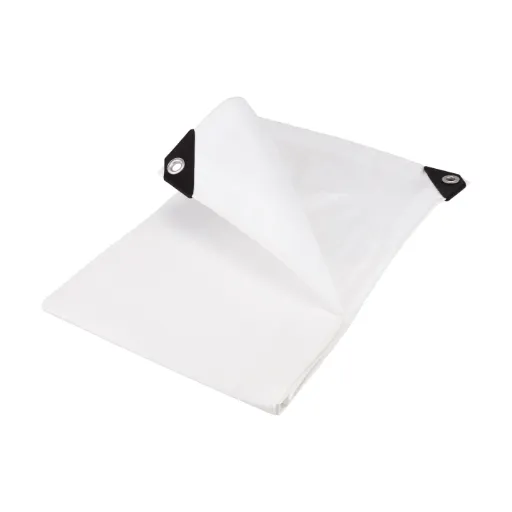
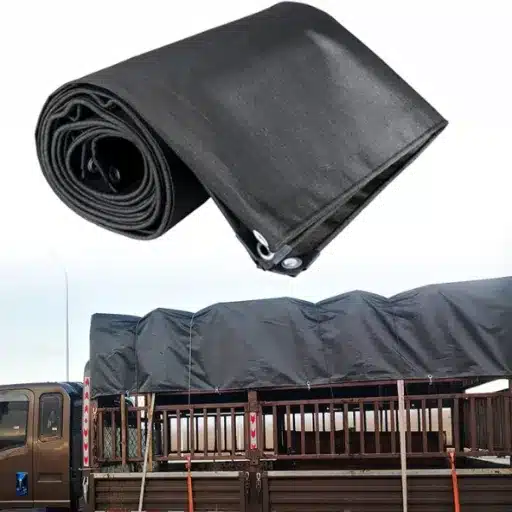
Truck tarps are custom-made protective covers that secure the load during the trip. They guard the product against the elements such as rain, sun, and wind, and also against rubbish or dirt coming from the road. Highly durable and multifunctional truck tarps are made from vinyl, canvas, and polyethylene and can be used for many kinds of freight. Their use also helps to avoid costs connected to non-compliance with safety regulations since they prevent the cargo from shifting or falling during transport and thereby secure it. It is essential that the correct truck tarps are selected and maintained properly in order to get the most out of their life span and effectiveness as protectors of goods.
What is a Truck Tarp?
Tarp for a truck is a tough covering, which is meant mainly to fasten and to guard the load during transport. They are mostly used in the freight and logistics industry, truck tarps are made from tough goods like vinyl, canvas, or polyethylene that can stand rain, snow, and the sun, as well as windy conditions. Contaminated by dust, debris, and other things that are on the road, the truck tarps also protect the goods from getting ruined. They also enable the safe transport of the goods by preventing things like shifting, spilling, or falling, which is crucial for road safety compliance. The latest trends suggest that there are improvements in the design of truck tarps with major emphasis on user-friendliness such as roll tarps, and stamping out the incorporation of features like UV resistance and waterproofing to enhance the performance and lifespan of the tarps.
Types of Truck Tarps: Flatbed, Dump, and Trailer
Flatbed, dump, and trailer tarps include lumber tarps, steel tarps, coil tarps, smoke tarps, mesh tarps, and waterproof tarps.
| Type | Key Features | Material | Usage | Benefits |
|---|---|---|---|---|
| Lumber | Heavy-duty | Vinyl | Flatbed load | Waterproof |
| Steel | Light, flat | Vinyl | Metal loads | Easy cover |
| Coil | Round shape | Vinyl | Coiled cargo | Specific |
| Smoke | Compact | Vinyl | Front loads | Debris-free |
| Mesh | Breathable | Mesh | Dump loads | Airflow |
| Waterproof | Sealed | PVC/Poly | Any loads | All-weather |
Benefits of Using Heavy Duty Tarps
- Durability: Heavy-duty tarps are made of the most rugged materials and can stand up to wind, snow, heat, and rain, thus providing long-term usability.
- Waterproof Protection: Besides being very durable, these tarps are also waterproof, which means they can prevent the penetration of rain, snow, and moisture into the covered area.
- Versatility: Heavy-duty tarps are fit for multiple uses; they can cover different kinds of cargo such as lumber, and metal coils, and even be used as temporary shelter.
- UV Resistance: A lot of heavy-duty tarps come with UV protection which helps block the sun’s rays that are detrimental to the material and causes fading to the tarp.
- Cost-Efficiency: The money spent on these tarps will eventually be saved because they prevent loss by protecting the cargo and minimizing damage.
Choosing the Right Tarpaulin for Your Cargo

Selecting a tarpaulin suitable for your cargo, the following factors need to be taken into account: the dimensions and configuration of your load, the tarp’s fabric and lifespan, and its characteristics like water repellent, UV filter, and tear strength. Optimal security and efficiency will be guaranteed if the tarpaulin is adapted to the nature of the goods you are carrying.
Factors to Consider: Size and Material
The first factor that has to be considered while buying a tarpaulin for your cargo is its size. The tarp must cover the load properly without any critical gaps that could let its protection from rain and wind undone. Tarps that are too large can create an excess of fabric that moves with the wind or flaps, and this can lead to the material becoming weak and torn. Ensure to get the measurements of your cargo very accurately so that it fits perfectly.
Another major factor is the type of material the tarpaulin is made of. If you have a heavy-duty application then PVC or canvas are the best materials because they are extremely durable and have a high resistance to tearing. On the other hand, lighter materials such as polyethylene can be recommended for smaller or less demanding loads, especially if water resistance is a priority. Think about the type of your cargo and its exposed environmental conditions during transport to arrive at a smart decision.
Custom Tarps: Tailoring Solutions for Specific Needs
Custom tarps are made according to particular specifications, safeguarding and functioning at their best. They could be customized with respect to dimension, form, substance, and some features like grommet positioning, reinforced edges, and extra layers for that reason making the product more durable. Custom tarps can be the right fit and efficiency booster if you need a tarp for an industry, protecting equipment, or covering objects with irregular shapes. Tailor-made tarps give you a chance to not only focus on your unique needs but also to choose the right mix of materials and design features for long-lasting performance in different conditions.
Quality Truck Tarps: What to Look For
- Durable Materials – It would be best if you find tarps of excellent quality which are made from heavy-duty vinyl, canvas, or polyethylene to endure the frequent usage’s wear and tear.
- Waterproof and Weather-Resistant Properties – Tarp’s covering should be such that rain, UV rays, and even the most extreme weather conditions cannot penetrate it and consequently, the cargo is safe.
- Reinforced Edges and Grommets – Go for tarps that come with reinforced edges and rust-resistant grommets; this will make it easy to tie them down securely and thus, won’t lead to ripping.
- Proper Sizing Options – A tarp that is perfectly sized to your truck bed or cargo should be the one you choose; thus, the whole area will be covered and protected to the fullest.
- Flexibility and Weight – Keep in mind that tarps which are lightweight and flexible are the ones that you should go for; thus, their handling and installation will be easier without losing the durability factor.
Materials Used in Truck Tarpaulin Manufacturing

Truck tarpaulins are usually made from very strong and weather-resistant materials in order to last long. Among them, the most common materials are polyethylene (PE), appreciated for its lightweight and waterproof qualities, and polyvinyl chloride (PVC), famous for its great strength, bendability, and resistance to scrapes and sun’s rays. Besides, canvas is occasionally utilized because of its air permeability and inherent toughness, but it might need applying weatherproof treatments to boost its water resistance. The materials are picked to give dependable cover for the goods in different weather scenarios.
Vinyl vs. Polyester: Pros and Cons
Vinyl is highly durable, weather-resistant, and low-maintenance, while polyester is lightweight, affordable, and quick-drying but less tough.
| Parameter | Vinyl | Polyester |
|---|---|---|
| Durability | Very High | Moderate |
| Weatherproof | Excellent | Good |
| Weight | Heavy | Light |
| Cost | Higher | Lower |
| Flexibility | Moderate | High |
| UV Resistance | Excellent | Moderate |
| Maintenance | Low | Moderate |
| Drying Speed | Slow | Fast |
| Abrasion Resistance | High | Lower |
| Lifespan | Long | Moderate |
Understanding Coated Polyester Tarps
Coated polyester tarps are multipurpose and long-lasting materials that can endure moderate weather. The polyester has the properties of being light, quick-drying, and highly flexible, which makes it easy to handle and transport. Their weatherproof coating gives these tarps an added protection from moisture and UV degradation, although their UV resistance is not as high as that of materials like vinyl which are sometimes used. Coated polyester tarps are perfect for applications that need a mix of cost, convenience, and durability, such as covering and protecting goods, temporary installations, or outdoor events. On the other hand, they are not so resistant to abrasions and might have a shorter lifespan when compared to stronger alternatives such as vinyl tarps.
Durability and Longevity of Heavy-Duty Tarps
Heavy-duty tarps’ durability and lifetime are determined by a variety of factors, such as the material used, the environment in which they are used, and the intensity of use. Heavy-duty vinyl tarps are, for example, very durable and resistant to tearing, abrasion, and UV damage; this UV damage resistance allows for their use outdoor broadspectrum. Heavy-duty polyethylene tarps are also a durable choice because they are waterproof and resistant to mold and mildew; however, they might be less durable in constant sun exposure. Proper care and maintenance, such as regular cleaning of the tarps and storing them in a dry area when not in use, can play a significant role in extending their life. As a rule of thumb, heavy-duty tarps can be good for many years when they are properly used and maintained, while materials such as vinyl sometimes surpass less strong ones in the longevity aspect.
Applications of Truck Tarps Across Industries
Construction Industry
Truck tarps are widely adopted in the construction industry to cover and carry construction materials like sand, gravel, cement, and timber, thus guarding these materials against rainfall and other elements and at the same time preventing spillage during movement.
Agriculture
The agricultural sector has been making use of tarps to protect the crops, hay, and the other agricultural produce from rain, sun, and insects during transportation or storage.
Waste Management
The waste management sector uses tarps in dump trucks to firmly cover and keep the debris, thus avoiding the scattering of the waste during the transit.
Logistics and Freight
In the freight and shipping industry, truck tarps are indispensable for the securing and protecting of the goods, particularly during the transport of sensitive or weather-prone products.
Landscaping
Tarps are used by landscaping companies for the transportation of soil, mulch, plants, and the mixing of other materials while making sure that these arrive in good condition without carrying any contamination or loss.
Protecting Valuable Freight in Flatbed Trucks
Flatbed trucks are the most common vehicles for moving large or oddly shaped freight, however, this method of shipping carries the risk of losing or damaging the freight exposed. Truck tarps are imperative in the case of valuable freight as they provide the protection. These tarps will shelter the cargo from all weather conditions including rain, wind, and UV rays which otherwise would result in deterioration or spoilage. Furthermore, tarps act as a barrier for debris which might otherwise damage the goods, and they help to make the goods secure thus reducing loss or shifting while on the road. Heavy-duty, quality tarps if used, very much help flatbed trucks operators in making sure the cargo arrives in perfect condition.
Lumber Tarps: Specialized Solutions for Construction
Lumber tarps are tarps that are made to protect and secure construction materials during their transportation, that is, wood and steel. These heavy-duty tarps are quite often used in industries as cargo shields against the natural elements such as rain, snow, and intense sun, which can ruin the materials and cause expensive delays. They are often made from strong, waterproof materials such as vinyl or poly and come with multiple reinforced grommets and D-rings to provide a nice and secure fit over flatbed loads. For the building industry where quality is strictly monitored, lumber tarps are viewed as a trustworthy barrier against nature’s antagonists and the like, thus guaranteeing that the supplies come to the site in perfect condition. Lumber tarps are an excellent investment for businesses reducing waste, improving efficiency, and keeping up with productivity on construction projects.
Using Tarp Systems in Dump Trucks
Tarp systems are an indispensable part of dump trucks for the reason of covering and securing loose materials like gravel, sand, or construction debris during transfer. These systems are good for stopping the inadvertent discharge and are a plus in meeting the transport laws that aim at reducing road dangers and stopping the pollution of the environment with litter. The state-of-the-art tarp systems are equipped with strong and weather-resistant materials as well as motorized mechanisms to facilitate usage. With the help of automated or semi-automated tarping solutions, the truck drivers can make the most of their time, have less fatiguing work to do, and at the same time safeguarding and keeping the load intact. The maintenance of tarp systems in the right way is very necessary for the purpose of longevity and efficiency maximization, and this is the reason why it is very important to support the operations of hauling that are efficient and responsible.
Maintenance and Repair of Truck Tarps

Proper truck tarp maintenance includes checking for wear and tear regularly, including searching for holes, checking edges for fraying, or assessing seams for strength. Regularly cleaning with mild soap and water keeps the tarps dirt and debris-free and thus prevents the material from degrading too soon. Repairs carried out without delay like patching holes or reinforcing the weak spots keep the tarp functional and durable. Furthermore, keeping the tarps in a dry, protected area when not used, minimizes the risk of damage. In a nutshell, by executing these simple measures, operators can prolong the life and upkeep of their truck tarps.
Tips for Maintaining Your Tarpaulin
- Inspect Regularly for Damage: Check your tarp regularly for signs of wear, like tears, or frayed edges, or weak seams. Thus, you will be able to take care of the matter ever before getting worse.
- Clean After Usage: Let mild soap and water do the cleansing of your tarp for you, thus dirt, grease, and debris would be no more and the material won’t get impaired by them over time.
- Proper Securing Is A Must: Always make it a point to secure the tarp the right way when it is being used to avoid the flapping of the tarpaulin in the wind which could lead to unnecessary strain and consequently damage.
- Timely Repairs Should Be Done: Apply a patch on the hole or reinforce the place with a repair kit that has been made weak as this will keep the tarp’s durability and weather-resistance intact.
- Store in a Dry Place: Keep your tarp in a cool, dry, and out of direct sunlight area when not in use to stop it from getting moist, infested by pests, or damaged by the sun.
How to Perform Tarp Repairs
First and foremost, I get the tarp, I look at it very carefully to see if there are any holes, cuts, or places that have lost their strength. When there are small holes, I clean the area and use the tarp repair kit to cover it up, making sure that it is pressed down well. For the bigger cuts, I either use strong adhesive tape or sew the edges with heavy-duty thread, also reinforcing the repair with a patch. Once I am done with the repairs, I do a quality check to make sure that the tarp is firm and can be used again.
Storage and Care for Longevity
Correct storage and care are necessary to maximize tarps life. First, make sure to clean and dry the tarp completely before putting it away, since dampness can cause molding, mildew or weakening of the fabric. Fold it compactly to avoid forming creases that might become vulnerable later and place it in a cool dry area protected from light and heat. Do not put heavy stuff on the tarp during the off times as that will only cause it to get stressed unnecessarily and possibly damaged. Check tarps in storage regularly for any indications of damage or pest infestation and take corrective measures without delay. Tarp will then be able to serve the user faithfully and still remain strong after many years through care and proper use.
Reference Sources
- The Ultimate Guide to Flatbed and Truck Tarps for Cargo Protection – A detailed guide on various types of tarps and their applications.
- Guide to Truck Tarp Systems: Protect Loads, Save Time – Covers different tarp systems, their benefits, and selection tips.
- A Comprehensive Guide to Dump Truck Tarp Systems – Focuses on automated tarp systems for dump trucks and their advantages.
- Guide to Choosing the Right Dump Truck Tarp System – Explores key features, cost factors, and recommendations for selecting tarp systems.
- Dump Truck Tarps & Tarp-System Parts: 2025 Buyers’ Guide – Discusses industry trends, performance metrics, and cost-saving strategies.
Frequently Asked Questions (FAQs)
What is a truck tarp and why is it important?
A truck tarp refers to a protective covering that is placed over the cargo loaded onto a truck to safeguard the cargo and protect it during the journey. The primary aim of the tarp is to shield valuable freight from various types of situations like road and weather hazards and even falling debris thereby making sure that your load is secured and safe when it gets to the final destination. It is the use of premium truck tarps that guarantees safety and efficiency in the trucking industry.
What materials are truck tarps made from?
Truck tarps can be produced using different materials like heavy-duty vinyl, polyester cloth with layers of coating on one or both sides, and other highly strong and long-lasting fabrics. The tarp material that is chosen has a direct effect both on its capability to help the cargo be protected and to resist bad weather. Covering the hardiest of truck tarps is not uncommon to see only because of their powerfulness and sustainability.
How do I choose the right tarp size for my flatbed?
Choosing the right tarp size for your flatbed entails measuring the dimensions of the truck bed or trailer and then picking a tarp that is large enough to cover the cargo completely. The tarp extending beyond the load edges is what makes the protection full and the cargo remaining unexposed at all times. Custom sizes for specific needs are also available.
How can I ensure my cargo is safe and secure with a truck tarp?
Proper securing of the truck tarp using straps or tie-downs makes it possible for you to be sure that your cargo will not only be safe but also secure under the truck tarp. Also, ensure that the fitting of the tarp over your load is tight and all possible loose sections that might flap when the transit takes place are checked. Providing exclusion against wind and debris can be achieved by using truck tarps that come with an end flap.
What types of truck tarps are ideal for transporting lumber?
Lumber tarps, such as those for transporting lumber, and even other kinds of materials. Non-refractory types of tarps usually have the combination of side flaps and a top cover which makes them able to protect absolutely all around. Roasting the lumber while the patrol is still on site through use of heavy-duty tarps that are tolerant to moisture and damage is a common procedure.
What should I consider when repairing a truck tarp?
When it comes to repairing a truck tarp, first take into consideration the kind of tarp material and how severe the damage is. For minor tears, using a patch match to the tarp material can do. Also perform the repair so that it is waterproof and the tarp’s protective capabilities remain. If the damage is too much, it might be a better option to just replace the tarp instead of doing a repair.