
Chemical Resistance Guide: Selecting Tarps for Harsh Environments
In the case of protection of assets and equipment in the tough situations – it is not all tarps that are the same. Materials used in such instances are highly susceptible to destruction under corrosive chemicals; extreme temperatures or aggressive industrial environments, such activities can easily compromise your work. Hence the understanding of chemical resistance and proper tarp selection for the work to be done is imperative. The following guidelines will cover all the aspects relevant to choosing covers that are resistant to chemicals and high stress environments.
Understanding Chemical Resistant Tarps
Definition and Importance of Chemical Resistance
The term “chemical resistance” is used to illustrate the capability of materials to resist the impact of aggressive chemicals without a breakdown in form, composition, or function. Better chemical resistance is required for all tarps made for use in particular workplaces where chemicals such as acids, alkalis, oils, and solvents might be present. Chemical-resistant mill products keep their statistical performance within acceptable limits under exposed chemical media, and the needed protection does not fail.
Determination of chemical resistance of tarpaulin sheets is explained best by their wide use in different operations. For example, in agricultural activity polypropylene covers are used to cover fertilizers and pesticides. Such kinds of substances can destroy the usual material. Accordingly, in engineering and production, such as constructions, tarpaulin may encounter industrial wastes, chemicals, or any dangerous fluids. Such a type of tarpaulin will effectively protect the equipment, goods, and nature from either spillage or contamination of the stored contents and also increase the service life of the tarpaulin.
It is also very imperative that the selected tarp possess the effective chemical resistance for safety of use in the long run the said the right materials should be used. For instance, utilizing tarps that are not designed for chemicals results in failures which are bleaches, leaks or in worst case scenarios pollutions of the local environment. With careful consideration as well as buying high quality tarps which are resistant to chemicals and are made to customized preferences, optimal operation can be achieved in the toughest environments where there is protective cover.
Materials Used in Chemical Resistant Tarps
Chemical-resistant tarpaulins are made using specific composite materials which are intended to serve under harsh chemical environment. One of the most heavily preferred products is polyethylene film which has high levels of chemical resistance and high durability. Polyethylene tarpaulin does not add additional weight, is waterproof and effective against chemical hazards such as acids, alkalis and solvents. Most often they are coated or laminated for additional durability especially when used in harsh conditions for more extended periods.
Another common material used in the manufacture of chemical-resistant tarpaulins is polyvinyl chloride (PVC). PVC tarpaulins are quite common because of their strength and high resistance to oils, fuels and many other chemicals. Their stiff structure and pliability favor various activities in industries, including containment and movement of dangerous substances. PVC tarpaulins are also UV stable which allows the material to perform and develop even under extended exposure to sunlight.
Some canvas or nylon fabrics also exist in the form of coated chemical resistance designed for harsh environments. These come at a strategic needfulness exponentially lower than polyethylene and PVC in harsh environments. The material to be used depends on the project to be carried out, the type of chemicals to be handled and even the climate. In order to ensure safety and prolonged economic efficiency, there must be a correct choice of material based on the circumstances.
Comparison: Neoprene vs. Polyethylene vs. Vinyl
Neoprene offers comfort and grip, polyethylene provides durability and lightweight properties, while vinyl is affordable and easy to clean.
|
Key Point |
Neoprene |
Polyethylene |
Vinyl |
|---|---|---|---|
|
Durability |
Moderate |
High |
Moderate |
|
Grip |
Excellent |
Moderate |
Slippery when wet |
|
Cost |
Moderate |
High |
Low |
|
Weight |
Moderate |
Lightweight |
Moderate |
|
Best Use |
Comfort, grip |
Heavy-duty, durable |
Budget-friendly, easy |
|
Maintenance |
Wipe clean |
Low maintenance |
Easy to clean |
Specifications of Heavy Duty Tarps

Material Weight and Mil Thickness Explained
Fabric characteristics such as weight and thickness are factors that cannot be neglected while looking at the robustness and resistance of the tarpaulins. The weight of the material is mostly the density of the cloth and is usually measured in ounces per square yard. The heavier fabrics imply a more durable fabric and therefore the inability of the tarp to disintegrate in some conditions.
Conversely, the mil thickness provides a quantifiable assessment of the strength of the material. For heavy duty tarps, they range between 10 mil to above 20 mil, whereby thicker structures are designed for heavy duty usage like in construction sites, industries or where the climate is very harsh.
Take for instance a tarp of thickness 12 mil and weight 6 ounces per square yard; it is flexible but strong enough to be used in medium-duty situations. On the other hand, heavy-duty vinyl tarps which are 20 mils thick and more than 10 ounces per square yard in weight are very useful in very harsh conditions whereby protection and durability is key. Knowing such dimensions helps corporate bodies and individuals alike pick a tarp for multipurpose use where economics as well as practicality is and will be kept in check.
Waterproof and Fire Retardant Properties
Most new tarps are designed to be flame resistant as well as waterproof; this makes them multipurpose. A waterproof tarp keeps items under it dry in case of rain or spillage simply because there is no way it can absorb water. They usually consist of either polyethylene or vinyl which are materials that water cannot pass through. A different type of tarpaulin that has a flame resistant ability is the fire retardant type this one is either soaked in a chemical substance or made out of special fiber that is not easy to burn and limits the fire advancement. This functions as chemical resistance overall which is a very important factor in protecting oneself from environmental hazards and safety issues.
When we talk about various kinds of workers and industries like construction or transportation and agriculture, all too often, it is necessary to apply tarps capable of chemical resistance – writ large, waterproof and fire retardant qualities of tarpaulins. In most situations, these water-resistant coverings are used to shield instruments, material or agricultural products from intense weather or fire. A** fire retardant cover is a requirement in places that are hazard-prone like industrial buildings or electrical equipments, safety and design codes. Further, when moisture is a factor, good waterproof tarpaulins assist in the preservation of materials that are stored by preventing rust, rot or biological attack. This capability facilitates resources to be used further and more thoroughly for one service beyond contemporary regulations.
Long-lasting and more efficient tarpaulins have also been brought by recent changes in manufacture. The blending of fabrics and coating technology has introduced lighter, stronger, and more resistant tarpaulins suitable in various harsh conditions. As an example, outdoor grade, multilayer polyethylene tarpaulins with a coating against UV rays and mildew, work out better. Statistics from top suppliers from around the world, stress the scale of waterproof and fire resistant surplus tarpaulin demand. This being due to the greater need for safety and environmental protection. Incorporation of the mentioned features provides maximum protection, renders these tarpaulins as equipment that should accompany each and every person in every occupation where they are needed.
Resistance to UV Rays and Environmental Factors
Polyethylene tarpaulins have demonstrated an increase in durability due to the innovative manufacturing techniques used in their production, which incorporate UV-stable coatings. It is the introduction of coating technologies that has made it possible to extend the use of tarpaulins by preventing them from substantial damage or debilitation because of sunshine for a long time. the bright white mill canvas is a must use in this case where most plastic material would break, become faded or lost its tension In such cases, whereas in other cases, such are the harmful properties of those materials without UV radiation. these curbs are either too hard and performed to a Nonetheless with assembled of high performance characteristics to last very many years. In chemistry, chemical resistance can stop or minimize the damaging effects of UV radiation that will compromise compactness in its use some industrial applications provide for.
On top of that, polyethylene pieces of coverage are known to have internal features for dealing with humidity, thermal stress and moisture of wide ranges. Such mildewcides are highly useful in areas what are quite wet or moist for these microbes destroy the aesthetic appeal of the “tarp” whilst at the same time limiting its use. The use of such tarpaulins in regions where there is condensation due to consistent rain is one of the most useful applications of these tarpaulins. There is still the waterproofing feature that renders them more reliable, keeping off the rain and any possible damage from water. These include chemical resistance to some industrial fluids.
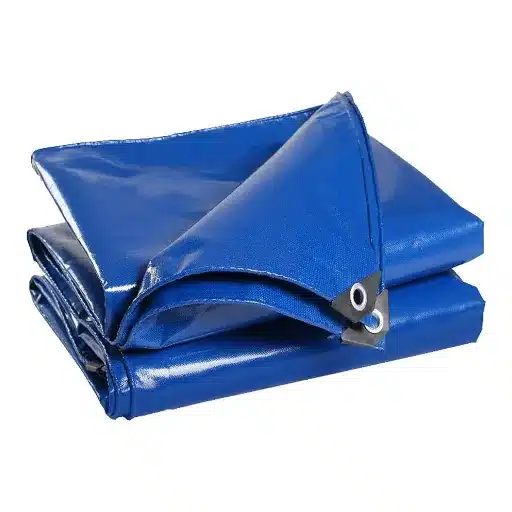
In the period of the last few years, innovative technological solutions in the field of chemicals have seen the revision and improvement of the blue tarpaulins, turning them into process tarpaulins. They can be applied effectively covering agricultural crops even machinery used in the course of cultivation. As a result, construction industries have been seen to use them for covering open spaces and storage areas while other people use them to go camping. This, coupled with climate change, causes peaking increase in the demand for these high-performance tarps, which are of utmost importance for the protection of properties from the climate. New empirical evidence backs up this direction, reflecting the importance of their use in both general and specific purposes.
Applications Across Industries
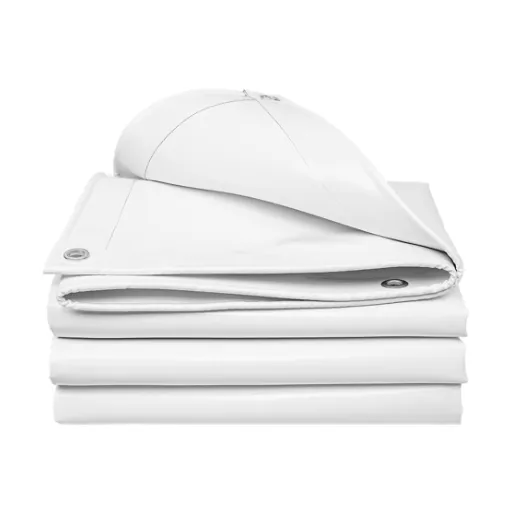
Industrial Uses: Manufacturing and Chemical Processing
Tarpaulins are critical components in some industries like manufacturing or chemical processing due to the fact that they help in covering and protecting the machineries, raw materials, and even final products. The ruggedness and ability to withstand hostile conditions makes them a necessity. Below are five fundamental uses of tarps in these fields:
- Protecting of Equipment: Tarps cover manufacturing equipment protecting them from dust, moisture and other elements increasing their functionality and reducing repairs.
- Safety of Chemical Storage: In the chemical processing industries, there are tarps that are usually made of chemical resistance materials that can be used to cover the storage units for example in order to completely avoid contamination of the stored chemicals or spillage.
- Transportation Uses of Tarps: During the transport of either raw chemical substances or chemical products given, tarpaulins one of the most effective elements in covering are the products against external weather environment during transport.
- Management of Hazardous Materials: Industrial rigid tarpaulins are used to control hazardous substances that may leak or spill, ensuring health and safety policies are not violated.
With these applications, it is evident that tarpaulins have many other uses that others may not think of which pertain to the health and safety of the workers in the manufacture or processing of chemicals.
Construction and Heavy Equipment Protection
Tarpaulins are heavily employed in construction works that involve heavy equipment, construction materials, and work sites that need protection from the outside environment. They are a key piece of equipment in every construction. The following are some of the most important uses of tarpaulins in the sector:
- Cover Equipment: Equipment such as excavators, dozers and cranes is protected from the elements, including rain, dust and debris, by covering them with tarps which helps to avoid any damage and minimizes the cost of repairs.
- Protection of Materials: Tarpaulins cover materials that are prone to damage like wood, steel and concrete to ensure that moisture UV ray and other severe weathers do not affect them keeping them in good condition.
- Temporary Shelter: Tarpaulins are often used to construct a tent or a shed which is impermanent but helps to prevent operation and equipment from weather changes while doing construction works.
- Debris Containment: Job sites often require tarps around the perimeter of scaffolding or suspended between sections to prevent debris from being discharged into the work area and adjacent surroundings.
- Ground Covers: The goal of heavy-duty tarps is to provide a surface to tools or materials that is neither dirty nor subject to sinking in mud or uneven surfaces. Hence, ground covers are also useful at workingsites.
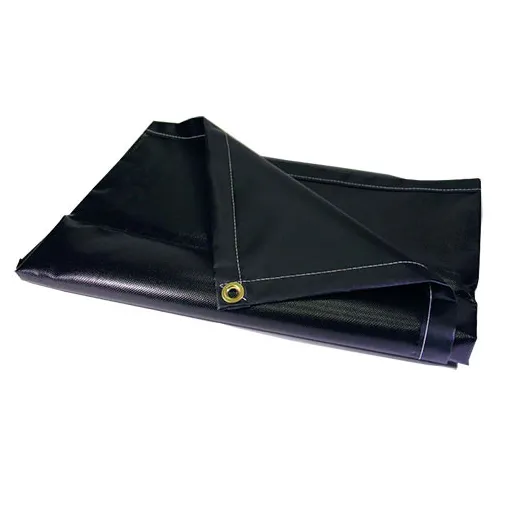
It is marketed as a UV inhibited black liner for light containment with medium chemical resistance against light acids and bases.
Agricultural Applications: Greenhouses and Crop Protection
For any agricultural enterprise, tarps are an indispensable instrument to enhance crop growth and protection. They are highly adaptable and may be designed in a range of shapes and sizes for various agricultural purposes. The following are the main uses that tarps have in greenhouses and crop protection:
- Tents: In greenhouses, tarps are utilized either as panels withstanding the weather or as protective panels covering the whole structure that manages temperature, light, and moisture. This helps in maintaining the suitability of the conditions for the growth of plants.
- Winterizing: In winters, many crops are protected with heavy tarps, especially the delicate plants, to sustain them throughout and maintain the production capacity.
- Mulching substitution: Tarps may be loosened over fields to control weeds by blocking out the sun and eliminating the need to spray chemicals hence enhancing chemical resistance.
- Crop Storage Protection: Tarps are employed to shelter crops after harvest from rain, sunshine, and pests to make sure there is no diminution in stock due to transportation and storage.
- Managing Irrigation: Water-resistant tarps are used within irrigation setups to guide and conserve water efficiently thus minimizing loss and enhancing management of water resources.
These uses demonstrate the extent to which tarps are vital to operations in agriculture for increasing productivity, lowering harms, and sustaining environmentally friendly methods.
Compliance and Safety Regulations
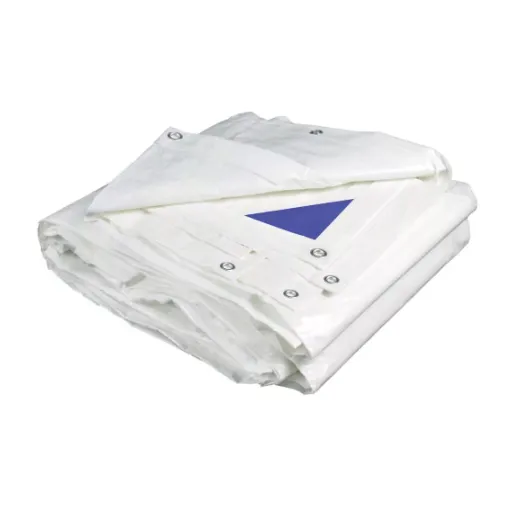
Industry Standards for Chemical Resistance
Framework for chemical resistance of various materials used in industrial application against specific chemicals is very important. This is because various industries apply different materials and those materials need to withstand the exposure to certain chemicals without destruction. There are international standards that were developed by various organizations, for example, ASTM International guidelines which include ASTM D543 that mention even testing and rating a material’s chemical resistance such as that pertaining plastics and elastomeric materials. The standards also stipulate test methods that are adopted whereby the material is put in a chemical liquid specified for a determined period of time and in checked environments and. as a result, the material is weighed or observed for any change that it might have undergone like weight gain, swell or its integrity is compromised.
There are organizations like ISO (International Organization for Standardization) that additionally have such chemical resistance test standards, e.g., ISO 175 with the methods how to assess action of liquid chemicals on polymers. Such standards have been useful in enabling manufacturers and industries to ensure the durability of materials designed for environments with extreme conditions which may involve harmful chemicals or steep corrosive levels. These tests results help in selecting the materials, but at the same time help in meeting safety and regulatory requirements.
It is imperative for the chemical resistance industry to work in accordance with set standards especially in agriculture, pharmaceutical and oil & gas industries where there are very stringent measures on product efficacy and its effects on the environment. These manufacturers have to include technical data sheets with information on every single applicable standard, for purposes of supporting the open house and the user if need be. These certain procedures and best available technologies present an opportunity for companies to manage all the risks present, enhance the materials’ performance and also bring about better working conditions towards safety and sustainability.
Safety Guidelines for Handling and Installation
Handling any materials for construction or industrial purposes commands the need for observing safety measures to the letter to avoid any occurrences of accidents and injuries. With regard to adequate personal protective gear, no material should be handled without gloves, eye shields, or respirators, due to the risk of exposure to materials that may be dangerous. Again, there are special training sessions provided to the workers to equip them with the knowledge of how to lift objects in order to prevent lifting injuries especially when dealing with bulky materials. The world in which such operations are carried out should be well-organized and free from obstacles that could cause tripping particularly, chemical resistance so as not to disrupt the flow of work when installing or working with something.
While carrying out the installation processes, the first step should be to consider the environment and its specific dangers such as unsteady standing, noise vibration as well as space limitation and more. Electrical and mechanical works involve turning off all electric devices and dismantling the power connection. This is important for personal safety and the equipment’s safety to prevent potential electrocution or damaged equipment. Correct application of tools and equipment according to the manufacturer’s instructions and what was prescribed or established in the industry sufficiently enhances the process of installation, i.e. set up, where there is little margin for error for a structure or piece of equipment to be installed. In addition, installation at heights should be conducted with appropriate fall arrest equipment such as hard harness or guardrails in place. One such example is of the chemical resistance to solvents such as oils, which are organic in nature and, or synthetic oils.
Tools, instruments and resource checks, preventive and corrective maintenance must consistently be conducted in order to promote safety and efficiency in the work place. Where any tool or equipment is damaged or defective, it should be repaired or removed from operations as soon as possible to avoid any injuries or wrongful installations. There must also be cooperation between the team members in place, especially when it comes to the execution of difficult tasks. Giving accurate directions with respect to people’s responsibilities is a key element for smooth execution and avoiding sensations of danger. With best planning practices, active hazard prevention culture practices, and participative approach to safety in the workplace, it is possible to keep the workforce safe and also produce the desired results.
Importance of Fire Resistant Tarps in Hazardous Environments
There are many situations that involve high temperatures, sparks or flames which will need fire-resistant tarps to ensure both the people and the equipment are safe which is very important. In order to use tarps safely in such extreme conditions, that involve flames and high temperature exposure, the tarps are usually made from designed materials such as silicone coated fibreglass that prevents fire spread. These tarps are versatile, and therefore, can be used in different places and for different purposes.
A distinct advantages offered by using tarps flame retardant, is that they maintain an effective barrier against both sparks and molten metal splatter therefore negating the likelihood of their use in fire accidents in places of work. Also, they may be wrapped around machines, covered with flammable stuff or even open structures may be created out of them to stand against flames for sometime. Standard specifications argue that any canvas that resists fire must pass some very specific requirements, for example, ASTM E84 or NFPA 701, to ensure the durability of the product.
Fire safety precautions can be complemented with the use of flame-resistant tarps to avoid the dangers associated with fire, safeguard the employees, as well as adhere to the legal standards. This type of protection can be quite beneficial especially for those in very dangerous working conditions by providing the assurance and increasing the level of safety.
Choosing the Right Tarp Products
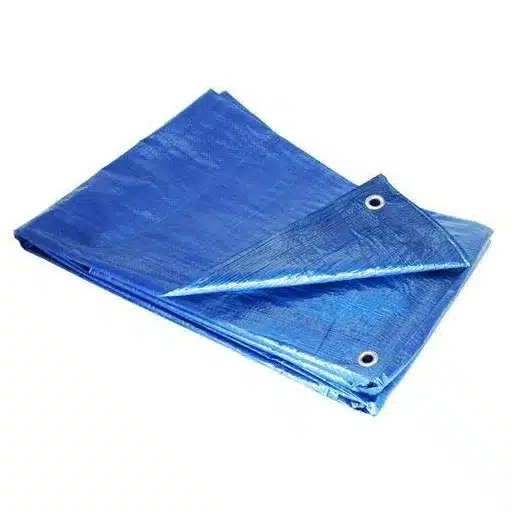
Factors to Consider: Environment and Usage
Tarp selection is not as simple as picking up any tarp product off the shelf and heading out of the store. First things first; in what weather conditions will the tarp be used? Will it be exposed to snow, ice cold and extremely high temperatures, the sun, rain or even chemicals that are corrosive? For example, if place with lots of sunshine, UV resistant tarps are great since they can withstand the heat for quite some time while waterproof ones tend to perform best in such areas due to a lot precisely rain. Moreover, this facet becomes even more important when it comes to solving the problem of regions where the climate drastically changes within short spans of time as it helps inhibiting premature deterioration or embrittlement of the tarp material.
As important as the dimension is the manner in which the piece shall be used. Whereas an industrial, an agricultural, a home or a construction use is in place, the respective fabric, thickness and coating of a tarp should be designed in accordance with the actual need. Thus, heavy duty tarps with special edges can be required for instances of an increased stress when equipment has to be covered on a construction site and lighter tarps can be useful for instance when it is for a short period of time like in the case of a backyard shade or garden protection. It is also necessary to keep in mind the factor of the weight of the bodies covered by tarps while securing loads in order to prevent slippage and wear and tear.
Along the journey, equipped with advanced market knowledge and supported by research work, selecting a tarp is no longer trial and error. There are several developments in the production of tarps that use polyethylene and canvas and other characteristics such as fire retardancy and antimicrobials are being met. Taking into account all factors, including environmental aspects and the purpose of use, as well as the improved features of the tarp, a buyer has the possibility of purchasing products that improve safety, chemical resistance, and due to this – effectiveness.
Best Practices for Selecting Neoprene Coated Tarps
When opting for tarps that have been coated with neoprene, the user will mainly pay attention to the characteristics that help increase the longevity and the efficiency of the tarp, as well as the purpose it serves. Due to their high resistance to extreme conditions, chemicals and abrasion, they are most often used in industrial, business and leisure activities.
- Evaluate Environmental Conditions: Take into account what specific elements will be associated with this canvas. If the use of the tarp involves hot or cold temperature conditions of the environment, the tarp should possess good heat insulating and flexural properties over the temperature range of use. A layer of neoprene offers protection against ultraviolet and adverse weather conditions which assures its popularity.
- Explore levels of chemical resistance needed: Due to their chemical resistance, it is common to see the use of oil and grease-free tarpaulins that are chemical resistant for example in automotive or non-automotive. The scope of chemical interaction with the tarpaulin is what is determined and it determines the compatibility and adaptability of materials in use and especially when it comes to a workshop or industrial settings.
- Consider Ultimate Load and Reporting: The weighted and reporting material specifications should be evaluated especially if the tarp will be raised, placed against sharp objects or manipulated and handled often.
- There Needs to be the Right Measurement of the Tarp:Application of the term tarp in such a content makes the intended purpose clear and concise. Those that are for long trend coverall purposes against food spoilage or moisture, thicker types may be suitable because longer durability is not a key consideration in such instances.
- Look For Fire Resistance Indices: A fire-rated neoprene coated tarp should be chosen for any application that entails potential combustion. In any work or industry where there are chances of sparks, fire, or open flames, this is an essential requirement.
- Taking Care of Equipment: It is a known fact that upkeep is a problem solved in neoprene tarps, although every so often some local cleaning as well as smart storage can help the dermis layers of usage time. Understand the care instructions to enhance the longevity of the tarp and the coating.
Only after taking into account all these do’s and don’ts of the matter can you find the appropriate role played by the research assistants and use effective user questions. However, it is also good to note that any product details should be checked and the manufacturers should be consulted where necessary otherwise it is not a good idea to just make such an uneducated buy.
References
-
The Science Behind Vinyl Tarp Construction Material – Academia.edu
This paper explores the engineering and composition of vinyl tarps, highlighting their resistance to chemicals, water, and UV rays. - Click here to read more.
Frequently Asked Questions (FAQ)
Q: Explain the meaning of chemical resistance for tarps and its significance?
A: The concept of chemical resistance when it comes to tarpaulins relates to how a certain material resists destruction and deformation when exposed to certain acids, alkalis, solvents, oils, or other corrosive liquid materials. Also for job sites, construction areas or while in storage, a chemical resistant tarpaulin eliminates the worry of degradation or staining as well as weakening or even loosing all together over the outdoor period due to exposure to weather or any chemicals including UV rays.
Q: What are the chemical resistant tarp materials that are the most effective?
A: Chemical resistance poly tarps and chemical resistant neoprene coated tarps are two such examples. Polyethylene poly tarp (shortened as ‘poly tarp’) has a waterproof outer layer; it also proves to be fairly resistant to chemicals especially in interaction with most acids and bases. More robust than polyethylene tarpaulins, Neoprene coated tarps or sometimes referred to as even as ‘neoprene chemical’ have better pull and tear strength properties and find use most extensively where flame retardant characteristics and much more radical resistance to specific chemicals is needed.
Q: Do heavy duty tarps or super heavy duty tarps have better chemical resistance?
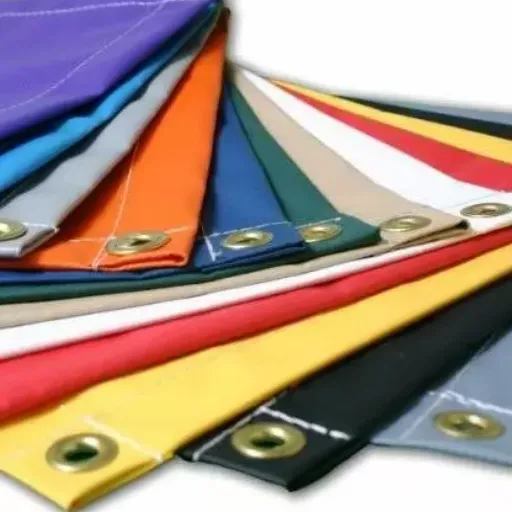
A: In environments where there will be a lot of chemicals or for prolonged chemicals presence, most people would advocate for the neoprene coated tarps or the medium polyethylene thick tarpaulins because they are super heavy duty and heavy duty. So, durability is provided by heavy-duty brass grommets, double stitching seams and more material that is thick as expressed in mil and not micron and all these for heavy-duty and super heavy-duty materials further helps in increasing tear and abrasion resistance in harsh weather.
Q: Will canvas tarp be able to withstand chemicals or not and opt for poly tarphabolic or vinyl tarph?
A: Treated canvas tarps are breathable, mildew resistant and are the simplest treatment of them but they do not compete with poly tarps or even vinyl tarps in terms of resistance to chemicals. If protection from chemicals is needed there are some polyethylene, white polythene, blue polythene or even for instance tearproof coated (neoprene) tarps as an alternative to canvas brushed tarps for limited resistance to chemicals or mildews when going to the sea but where there is intense chemical exposure, canvas tarps are bad.
Q: In what ways are grommets and seam construction beneficial in making tarps that are chemical resistant?
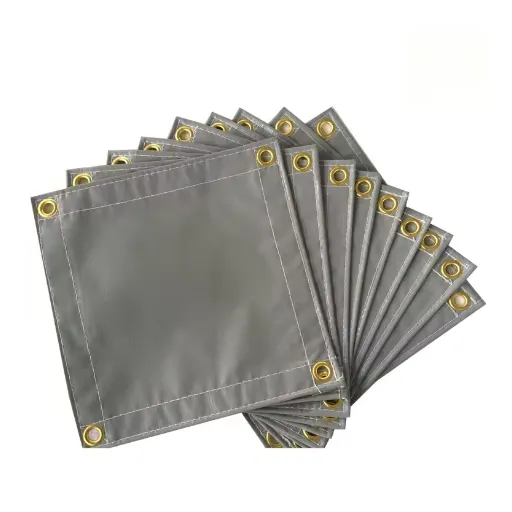
A: It all boils down to the elements and how they are put together: metal eyelets made of brass and placed every 24″ or large brass grommets are stronger than those made of cheaper metals. This results in more effective tie-downs. To provide greater strength where the stress on tarps occurs, double stitch seams or seams that are double-stitched enhance the structure of the tarps so that there won’t be any leakage even if it pours or the wind blows elevators or while exposed to chemical wet cleaning.
Q: For how long are tarps made of neoprene effective in UV and chemical resistance?
A: Yes. The construction of neoprene tarps involves the use of neoprene-coated nylon and neoprene-coated fabrics. This increases its chemical resistance qualities and provides UV and chemical resistant capabilities. Neoprene chemistries offer excellent oil, solvent, and fuel resistance, have mold growth resistance, and possess flame and heat resistance of the nature that is suitable for continuous outdoor exposure and indoor environments where fuel does not reach during all seasons.
Q: What features must I take into account when purchasing chemical-resistant tarps for building sites?
A: Take into account the type of material used: polyethylene, vinyl, or neoprene, the thickness in mils, the weight of the material, the resistance to abrasion and tearing, the protection from the sun, and the flame retardancy or resistance if it is marked either way. Constructing sites usually need tarps with strong metal grommets and reinforced seams as well. Think of the size of the tarp, the possibility of custom-made versions and the choice between different standards of heavy-duty products to suit very windy conditions as well as harsh wet conditions.
Q: What can I do in order to ensure continued usefulness and durability of chemical resistance tarps?
A: Endure tarps for as long as possible by rinsing them after contact with harsh chemicals, storing them only when dry to prevent mildew growth, keeping them away from UV rays where possible as even UV resistant tarps deteriorate overtime, looking at the brass grommets and seams during clearance with wear and choosing the right material (e.g. poly, vinyl, and neoprene coated) depending on chemicals present to ensure that the industry and normal tarps perform suitably in a long period.