
Recycling & Sustainability: PVC Tarpaulin Lifecycle Management
Sustainability has become a defining priority in contemporary material production and disposal processes, with PVC tarpaulin emerging as a critical focus area. Widely utilized in transportation and construction industries for its durability, versatility, and cost-effectiveness, PVC tarpaulin presents unique environmental challenges. This comprehensive guide examines strategic approaches and cutting-edge technologies for managing the complete lifecycle of PVC tarpaulin—minimizing waste while maximizing recycling potential without compromising functionality or reliability.
The Importance of Recycling Tarpaulins
Understanding Tarpaulin Waste
The primary challenge with tarpaulin waste lies in its fundamental composition. PVC tarpaulins, while exceptionally durable and functional, possess a synthetic nature that significantly impedes biodegradation. When disposed of improperly, these materials predominantly accumulate in landfills or undergo incineration, contributing to environmental pollution and greenhouse gas emissions. The very longevity that makes them valuable for extended use becomes a liability when proper end-of-life management is absent.
Addressing tarpaulin waste effectively requires implementing robust recycling infrastructure. Well-designed sorting and collection systems can redirect used tarpaulins to specialized recycling facilities rather than landfills or incinerators. Advanced recycling methodologies—including mechanical recycling and chemical breakdown processes—enable the recovery of PVC material for remanufacturing into new tarpaulins and alternative products. This approach substantially reduces demand for virgin raw materials while preserving natural resources.
Collaborative Imperative: Solving tarpaulin waste management challenges demands coordinated action from individuals, businesses, and industries. Companies must develop and implement policies prioritizing tarpaulin recycling after functional lifespan completion, while consumers should actively seek accessible recycling services and programs. Education and awareness campaigns prove indispensable for communicating environmental benefits and encouraging widespread participation in sustainability initiatives.
Environmental Impact of Discarded Tarps
Discarded tarps present significant environmental hazards due to their extremely slow decomposition rates and resistant material composition. Most tarps are manufactured from synthetic materials like polyethylene and PVC, which can persist in landfills for years or even decades without meaningful degradation. Throughout this extended period, these materials may leach toxic substances into soil and groundwater, contaminating local ecosystems and rendering them inhospitable to living organisms. Without proper disposal or recycling measures, this accumulation creates substantial ecological imbalances.
Improperly disposed tarps frequently migrate to natural environments where they contribute to widespread litter and pose direct threats to wildlife. Animals may mistake degraded tarp fragments for food, resulting in internal injuries or fatal intestinal blockages. Furthermore, when discarded tarps enter rivers or lakes, they disrupt aquatic ecosystems and increase flooding risks during heavy rainfall by obstructing natural waterways.
Key Mitigation Strategies
- ▸ Implement sustainable disposal practices emphasizing recycling and material recovery
- ▸ Enhance public consciousness through comprehensive education programs
- ▸ Strengthen waste management regulations and enforcement mechanisms
- ▸ Develop and commercialize biodegradable tarpaulin alternatives
Benefits of Recycling Plastic Tarps
Recycling plastic tarps delivers substantial benefits across environmental, economic, and societal dimensions. The following five major advantages demonstrate the transformative impact of comprehensive tarp recycling programs:
1Cutting Down on Landfill Waste
Recycling plastic tarps significantly reduces waste reaching landfills. Since plastics require hundreds of years minimum to decompose, diverting tarps from landfills decreases pollution and preserves valuable space. The Environmental Protection Agency (EPA) reports that recycling one ton of plastics conserves approximately 7.4 cubic yards of landfill capacity.
2Saves Natural Resources
Recycling used tarps substantially reduces demand for virgin raw materials like petroleum, contributing to planetary resource conservation. New plastic manufacturing consumes extensive energy and natural resources, making recycling the more efficient alternative. The National Recycling Coalition estimates that approximately 16.3 barrels of oil are saved for every ton of plastic recycled.
3Reduces Greenhouse Gas Emissions
Virgin plastic production represents a major energy consumption source and significant contributor to climate change. Recycling plastic tarps reduces manufacturing requirements and associated CO2 emissions. Plastic recycling processes emit approximately 30% fewer greenhouse gases compared to manufacturing from virgin materials.
4Promotes Circular Economy
Recycling establishes circular economy models where discarded materials undergo reprocessing and reuse, creating sustainable systems. Recycled tarp materials transform into products like mats, bags, or industrial textiles. This extends material lifecycles while encouraging resource efficiency and innovative applications.
5Generates Economic Opportunities
The recycling sector generates substantial employment and economic stimulation. The complete economic activity chain—from collection through processing to new product manufacturing—creates widespread opportunities. The Institute of Scrap Recycling Industries (ISRI) reports that the recycling industry generates over 5,000,000 jobs in the United States alone and contributes billions to the economy annually.
Environmental Benefits of Tarpaulin Recycling
Reducing Waste and Landfill Use
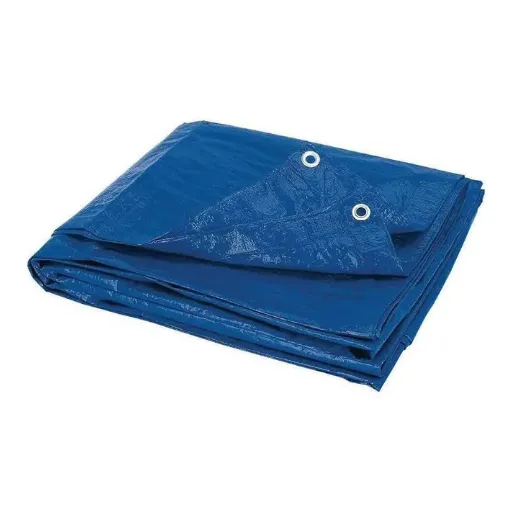
Tarpaulin recycling represents a critical waste management strategy by substantially reducing volumes directed to incinerators and landfills. Non-biodegradable tarpaulins constitute a significant portion of the millions of tons of plastic waste disposed of in landfills annually, creating severe challenges for environmental systems. Recycling offers the only viable solution for salvaging this waste stream, reducing landfill utilization and minimizing soil and water contamination from long-term plastic degradation.
A substantial additional advantage of tarpaulin recycling involves preventing carbon dioxide and other greenhouse gas emissions. When tarps accumulate in landfills alongside other plastics, they can produce methane gas during slow degradation, particularly under anaerobic conditions. Recycling eliminates these risks by transforming used materials into new, functional products. Recycled tarpaulins can become industrial packaging, construction fabrics, and consumer goods—extending original material lifecycles and reducing virgin resource requirements.
Circular Economy Integration
Tarpaulin recycling contributes to circular economy development while driving innovation in material reuse. Waste management companies, consumers, and recycling facilities continuously develop and refine processes for handling used tarpaulins effectively. Established methodologies include mechanical recycling and chemical depolymerization—representing advanced technological solutions. These innovations minimize waste while sustaining environmentally-responsible practices across tarpaulin-dependent industries including agriculture, logistics, and manufacturing.
Lowering Carbon Footprints
Reducing carbon footprints has become a crucial objective in global sustainability movements. Various sectors and individuals increasingly invest in innovative technologies and cleaner practices to minimize environmental impact. One of the most effective carbon emission reduction methods involves improving energy efficiency. Companies can achieve this by transitioning to renewable energy sources, upgrading to energy-efficient equipment, and optimizing operational processes to minimize waste while conserving energy. Individual actions—such as using LED lighting instead of incandescent bulbs, utilizing public transportation, and unplugging devices—create substantial cumulative impact.
Another environmentally-positive approach involves embracing circular product lifecycle principles, which significantly reduce carbon footprints. Recycling, reusing, and upcycling materials decrease demand for new raw materials and the energy-intensive processes associated with their extraction and manufacturing. For example, producing aluminum from recycled scrap consumes 95% less energy than manufacturing from raw bauxite. Similarly, adopting diets with reduced red meat consumption and increased plant-based components can substantially decrease carbon emissions from food production. While individual changes operate at small scales, they demonstrate considerable power in reducing greenhouse gases throughout entire systems.
| Carbon Reduction Strategy | Impact Level | Implementation Scope |
|---|---|---|
| Renewable Energy Adoption | High | Corporate & Individual |
| Energy-Efficient Equipment | Medium-High | Universal |
| Material Recycling Programs | High | Community & Industrial |
| Sustainable Transportation | Medium | Individual & Corporate |
| Digital Monitoring Tools | Medium-High | Technology-Enabled |
Digital and analytical tools contribute significantly to carbon footprint reduction. Monitoring platforms and software tracking energy usage, emissions, and supply chain inefficiencies empower corporations and consumers to target improvement areas with surgical precision. Smart thermostats and IoT-enabled devices, for instance, substantially reduce energy wastage by optimizing usage in real-time. By combining behavioral changes with technological advancements, the pathway to a sustainable, low-carbon future becomes increasingly clear and attainable for all stakeholders.
Conserving Natural Resources
Preserving natural resources represents a fundamental prerequisite for ecosystem continuity and humanity’s long-term survival. Natural resources—including air, water, soil, minerals, and forests—are finite, and their unsustainable exploitation has precipitated global environmental concerns like deforestation, soil erosion, and water scarcity. Transitioning methods and adopting sustainable practices such as reforestation, water recycling, and responsible consumption proves essential for addressing these challenges. Such practices not only enhance ecosystem health but also support biodiversity—a critical factor in regulating natural processes.
Technology makes significant impact in natural resource conservation. Advanced methodologies like satellite imagery, machine learning, and large-scale data analysis enable effective monitoring and optimization of resource consumption. Precision agriculture, for example, utilizes real-time information to manage water and fertilizer application, resulting in reduced waste of both resources. On a broader scale, renewable energy technologies like solar and wind power are displacing limited fossil fuel usage, providing environmentally-friendly energy production while preserving earth’s reserves. The integration of technological innovations allows governments, businesses, and consumers to make informed decisions regarding resource conservation strategies.
Essential Conservation Approaches
- 1Increase public knowledge through comprehensive educational programs
- 2Implement community-based conservation projects with measurable outcomes
- 3Reduce plastic consumption and promote reusable alternatives
- 4Adopt water conservation practices in residential and commercial settings
- 5Select energy-efficient appliances and implement smart technology solutions
Governments play crucial roles by establishing environmental protection standards, creating financial incentives for eco-friendly technology adoption, and supporting international cooperation to address resource-related challenges. Through combining personal efforts, technological innovations, and policy interventions, we can ensure natural resource preservation for extended periods, benefiting both humanity and the natural world.
Innovative Recycling Methods
Advancements in Recycling Technologies
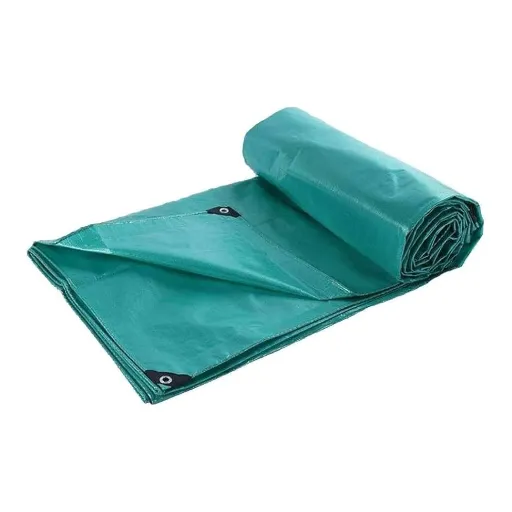
Recent progress in recycling technologies has fundamentally transformed waste management practices, converting operations into environmentally-sustainable, efficient, and cost-effective systems. Notably, artificial intelligence and machine learning applications in waste sorting represent significant advancement. AI-powered systems can accurately identify and classify diverse materials—including plastics, metals, and glass—even when intermixed. This capability dramatically reduces material contamination while improving overall recycling rates.
Another major accomplishment involves chemical recycling development, which creates opportunities for previously non-recyclable materials. Chemical processes revert plastics to their molecular composition, enabling remanufacturing into new products with original-grade quality. This technology shows tremendous promise for significantly mitigating global plastic waste challenges.
Emerging Technology Developments
| Technology Category | Key Applications & Benefits |
| AI-Powered Sorting | Accurate material identification, reduced contamination, improved processing efficiency |
| Chemical Recycling | Molecular-level plastic breakdown, original-grade quality restoration, expanded recyclability |
| Biodegradable Materials | Reduced landfill dependency, natural decomposition, environmental impact minimization |
| Closed-Loop Systems | Perpetual material reuse, eco-design integration, circular economy advancement |
Additionally, biodegradable material development and closed-loop recycling system implementation promise to further reduce end-of-life disposal and landfilling practices. Products incorporating end-of-life recyclability considerations from initial design stages ensure materials can be perpetually reused. The combination of these technological advances with rising consumer consciousness creates pathways toward more vibrant and sustainable futures.
Creative Upcycling Ideas for Tarpaulins
Tarpaulins’ durable and weather-resistant properties create substantialopportunities for upcycling into functional and creative items. Below are innovative ideas for transforming old tarps into valuable new products:
Robust Tote Bags
Transform tarpaulins into robust tote bags suitable for shopping or tool carrying. Water-resistant qualities ensure long-lasting durability even under heavy use conditions.
Backyard Sun Shades
Convert tarpaulins into patio or garden shades, providing cost-effective sun protection while adding rustic aesthetic appeal to outdoor spaces.
Outdoor Furniture Covers
Create protective covers for outdoor furniture, shielding from rain, wind, and dust. Custom sizing ensures tight fits for tables, chairs, and grills.
Children’s Play Tents
Repurpose old tarps into colorful play tents for children. Simple pole structures with vibrant tarps create fun, waterproof outdoor play setups.
Heavy-Duty Aprons
Utilize tarps to manufacture heavyweight aprons for gardening, crafting, or workshop projects requiring robust protection from dirt, paint, and grease.
Garden Liners & Ground Covers
Use tarps as ground covers or raised bed liners to suppress weeds while maintaining optimal soil moisture levels in garden applications.
Tarpaulin upcycling represents more than waste diversion—it embodies sustainable living by maximizing available resources. These projects offer creative, enjoyable pathways for contributing to environmental preservation.
Role of Specialized Recycling Facilities
Specialized recycling facilities perform essential functions in properly managing and repurposing uncommon recyclable materials. These facilities focus on specific materials—including tarpaulins, electronics, textiles, and other non-standard waste—ensuring proper recycling, upcycling, or safe disposal. Advanced technologies enable efficient material breakdown, precious component recovery, and simultaneous landfill reduction.
| Facility Type | Primary Functions & Materials Processed |
|---|---|
| Plastics Reprocessing Centers | Specialize in recycling diverse plastic types including high-density polyethylene (HDPE) and polypropylene (PP)—primary tarpaulin components |
| Textile Recycling Facilities | Process and transform used fabrics into various products including upholstery, insulation, and industrial applications |
| Electronic Waste Recycling Plants | Essential for e-waste treatment, recovering valuable metals (gold, silver) and safely disposing of toxic electronic components |
| Composting Facilities | Manage organic compostable materials, indirectly supporting sustainability by minimizing overall waste streams |
| Construction & Demolition Waste Sites | Process construction materials (concrete, wood, metals) and heavy-duty tarpaulins commonly used in construction projects |
By partnering with specialized facilities, individuals and companies ensure responsible material disposal, creating positive environmental impact through enhanced sustainability and waste reduction.
Challenges in the Tarpaulin Recycling Process
Contamination Issues
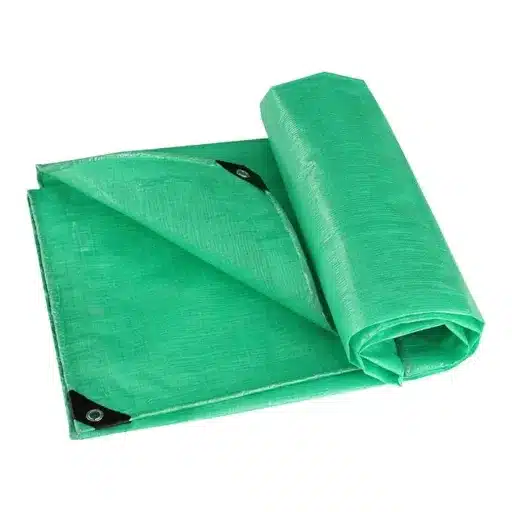
Contamination represents one of the most significant challenges confronting tarpaulin recycling operations. Regardless of application—construction, transportation, or agriculture—tarpaulins accumulate substantial amounts of dirt, oils, chemicals, and other heavy pollutants. This contamination complicates recycling processes, requiring thorough cleaning before materials can be efficiently processed. Inadequately cleaned contaminated tarpaulins may be classified as non-recyclable, ultimately reaching landfills and contradicting waste reduction objectives.
Multi-layered tarpaulins composed of different materials—such as PVC combined with polyester or nylon—present substantial additional challenges. Separating these layers for proper recycling proves both time-consuming and resource-intensive, requiring sophisticated technology and specialized facilities. Tarpaulin recycling rates remain considerably lower compared to other waste streams, primarily because many smaller recycling centers lack necessary equipment for processing such complex materials.
Solutions for Contamination Challenges
Manufacturer Initiatives
- •Design single-material recyclable tarpaulins
- •Develop contamination-resistant coatings
- •Implement eco-design principles
Facility Improvements
- •Invest in advanced sorting technologies
- •Upgrade cleaning equipment capabilities
- •Enhance processing efficiency protocols
Material design and waste processing innovations prove essential for overcoming contamination issues and improving recycling efficiency. Increasing awareness among industries and consumers about proper disposal methods helps reduce contamination challenges gradually, supporting sustainable tarpaulin waste management.
Cost of Processing PVC Tarpaulins
PVC tarpaulin recycling costs are influenced significantly by operational scale, recycling facility location, and specific recycling methodologies employed. Mechanical recycling methods typically involve lower average costs but only recover materials of limited purity. These expenses encompass labor, energy consumption, equipment maintenance, and transportation. Logistical challenges—such as collecting and separating tarpaulins from diverse locations—can substantially increase overall costs, particularly in regions lacking established waste management infrastructure.
Advanced chemical recycling processes command higher costs but offer tremendous potential for recovering high-quality PVC. These techniques require sophisticated equipment and highly-skilled personnel, creating accessibility challenges for small companies or regions with limited financial resources. Pyrolysis methods that decompose plastic into oil and other compounds show promise for PVC tarpaulin processing but demand high energy input and generate hazardous wastes requiring proper management and disposal. These factors contribute to the substantial costs of implementing cutting-edge recycling technologies at scale.
Cost Management Strategies
| Strategy | Implementation Approach |
| Public-Private Partnerships | Collaborative frameworks sharing costs and resources between sectors |
| Government Subsidies | Financial support programs reducing facility operational expenses |
| Community-Level Collection | Local initiatives minimizing transportation and sorting costs |
| Infrastructure Development | Economies of scale reducing per-unit processing costs over time |
Balancing cost implications while achieving optimal outcomes increasingly involves hybrid solutions, such as public-private partnerships and government support programs, making PVC recycling more economically viable. Developing regions may benefit substantially from promoting local community-centered collection and recycling initiatives that reduce transportation and sorting expenses. Infrastructure development combined with achieving economies of scale offers future possibilities for gradually decreasing processing costs without compromising environmental objectives. Clear regulatory guidelines coupled with global collaboration will prove instrumental in addressing financial and technical obstacles to efficient PVC tarpaulin recycling.
Practical Tips for Recycling Tarpaulins

Identifying Recyclable Tarpaulin Materials
The tarpaulin recycling process begins with comprehensive knowledge of constituent materials. Tarpaulins are primarily composed of polyvinyl chloride (PVC), polypropylene (PP), or polyethylene (PE)—each possessing specific properties influencing recyclability. PVC tarpaulins are recyclable but typically require advanced recycling processes to isolate PVC from other materials, such as fabric reinforcements. PE and PP tarpaulins prove less challenging to recycle due to simpler polymer structures, though proper sorting remains essential.
Material Identification Process
- Examine Labels and Markings: Check for manufacturer labels indicating polymer type and material composition information
- Assess Contamination Levels: Non-contaminated tarpaulins (free from dirt, chemicals, mixed materials) qualify as optimal recyclables
- Contact Local Facilities: Verify which tarp materials local recycling facilities accept and under what processing conditions
- Utilize Advanced Technologies: Near-Infrared (NIR) spectroscopy enables rapid, accurate material identification and sorting
Modern technologies like Near-Infrared (NIR) spectroscopy can expedite accurate tarpaulin material identification and sorting, enhancing recycling process efficiency. Combining these technological advancements with increased awareness enables highly effective waste stream management. Embracing these methods and resources allows users to contribute meaningfully to sustainability and circular tarpaulin utilization, reducing environmental footprints over time.
Partnering with Organizations for Tarpaulin Reuse
Establishing partnerships with organizations focused on reuse and sustainable practices represents a critical step in extending material lifecycles like tarpaulins. Most tarpaulins—typically manufactured from durable plastics such as polyethylene or PVC—would otherwise be relegated to landfills after completing their primary function. Collaborating with non-profits, local companies, or recycling schemes generates creative solutions and pathways for continued material utilization. Instead of disposal, old tarpaulins can be transformed into tote bags, covers, or insulation materials—reducing waste while creating new product development opportunities.
One particularly valuable approach involves forming partnerships with creative upcycling initiatives and community-led workshops. These organizations frequently process unused materials into functional or aesthetically pleasing items. Community and business collaborations can provide reliable resources preventing tarpaulins from reaching landfills through unsustainable processing. Moreover, strategic collaborations with major brands or manufacturers offering used materials buy-back programs prove highly effective for establishing circular economy models where tarpaulin reuse becomes integral to manufacturing processes.
Partnership Benefits
- ➜Access to creative repurposing expertise and infrastructure
- ➜Development of circular economy business models
- ➜Measurable reductions in landfill waste volumes
- ➜Decreased demand for virgin raw material production
Public awareness elevation also represents an indispensable success factor. Informing the public and industry about disposal environmental effects and reuse advantages through publicity and educational efforts proves critical. Collaborative initiatives can provide data-driven insights inspiring behavioral change while demonstrating measurable benefits such as reduced landfill waste or lower virgin raw material demand. When communities, organizations, and governments unite to address tarpaulin disposal challenges, they make significant strides toward sustainable futures.
References
- Bulletin #1075, Tarping in the Northeast
This guide discusses the challenges of recycling soiled tarps and provides insights into their use and disposal. - Managing Agricultural Plastics | Wisconsin DNR
This resource outlines recycling and disposal options for agricultural plastics, including tarpaulins, and highlights current challenges. - Click here to read more.
Frequently Asked Questions
Can I recycle tarpaulin and what does recycling tarpaulin involve?
Tarpaulin recycling is possible in certain locations, though feasibility depends on material types. PVC tarpaulin, vinyl, and plastic tarps may require specialized recycling facilities rather than standard recycling bins. Depending on tarp type, you may need to separate materials (vinyl versus woven poly) and direct heavy-duty sheets to manufacturers or programs focusing on plastic recycling and tarpaulin sheet recovery.
Where should I dispose of a worn tarp: toss in trash, donate, or re-purpose?
If tarps remain in good condition, they should be donated or reused for outdoor protection, construction, agricultural, or storage applications. Disposal in regular trash is generally acceptable since tarps typically aren’t accepted in standard recycling bins. Consider reducing tarp size, transforming into smaller covers or fabric components, or checking for tarp recycling programs accepting old plastic tarps to prevent landfill disposal.
What types of tarpaulin sheet materials are recyclable or reusable?
Recyclable materials include some PVC tarpaulin and vinyl sheets, provided specialized processors accept them. Woven polyethylene tarps sometimes prove difficult to recycle. Many tarpaulin fabrics’ durability allows for reuse—long-term utilization lessens waste and environmental impact. Manufacturers and recycling facilities can provide information on available recycling options for plastic, vinyl, and fabric components specific to particular materials.
How can I prepare a tarp for recycling or proper disposal?
Preparation involves cleaning the tarp to remove moisture, dirt, and debris that cause contamination; folding or rolling the sheet; and separating mixed materials (grommets, ropes, cloth patches). Remove non-plastic components when possible. Communicate with local recycling facilities or manufacturers for direction—some industry specialists accept tarps from construction, agriculture, and outdoor applications for material recovery.
Are there programs or manufacturers that specialize in tarp recycling?
Yes—some manufacturers and industry programs offer tarp recycling, managing take-back and drop-off services for plastic tarps and PVC tarpaulin. These initiatives aid waste reduction, provide resources for plastic recycling, and support sustainable design and environmental protection by diverting heavy-duty tarps from conventional trash disposal, mitigating landfill impact.
Can damaged tarps still be useful for re-purpose projects?
Certainly. Damaged tarps may appear to have limited utility, but portions can be cut and repurposed as protective covers and other applications. Creative arts and crafts projects ensure tarpaulins avoid landfills, reinforcing waste reduction cycles by extending material lifecycles while decreasing plastic waste.
Why do some places say tarps are not recyclable and what are the challenges?
Many local recycling programs classify tarps as non-recyclable because tarpaulin sheets often consist of multiple materials with different characteristics—like grommets, coatings, and fabric layers—that contaminate standard plastic recycling streams. Challenges include sorting difficulties, moisture infiltration, and limited markets for recycled tarpaulin material. Specialized facilities capable of safely and effectively processing PVC, vinyl, and mixed-material tarps are necessary.
How does recycling tarpaulin contribute to environmental protection and climate goals?
The environmental cycle: post-consumer and post-industrial plastic waste recycling and reuse substantially reduces landfilled plastic waste, decreases virgin material mining, and enables significant resource conservation across construction, agriculture, and outdoor industries. Proper management—recycling old tarps, donating good-condition tarps, or choosing reusable heavy-duty designs—helps prevent long-term pollution, supports plastic recycling industries, and promotes environmentally-responsible practices reducing climate change impact.
Key Takeaways
Effective PVC tarpaulin lifecycle management requires coordinated efforts across manufacturing, usage, and end-of-life phases. By implementing advanced recycling technologies, fostering partnerships with specialized facilities, and promoting public awareness, industries and individuals can transform tarpaulin waste from an environmental burden into a valuable resource stream. The path to sustainability lies in embracing circular economy principles while continuously innovating to overcome technical and economic challenges.