

Flex Crack Resistance: Repeated Folding Performance
Various industries, from fashion to aerospace engineering, require the understanding of the durability of materials under repeated stress. One key property, which determines the material’s life, is its flex crack resistance, the measure of its ability to endure folding and bending without losing its integrity. This article is an adventurer into the interesting realm of flex crack resistance. It will discuss its significance, the testing methods, and the performance aspects of materials that come to light. If you are a professional engaged in manufacturing, product development, or just a person who wants to know how materials withstand everyday wear and tear, this guide is going to be a source of important insights for you.
Introduction to Flex Crack Resistance Tarps
Understanding Tarp Fabric and Its Importance
Tarp fabrics are materials specially developed for providing durability, flexibility and resistance to the elements, thus becoming indispensable for a wide range of uses. They are usually made from materials like polyethylene, vinyl or canvas, and in some cases, they are even created to resist the attrition of chemical exposure along with the harsh weather conditions. The type of tarp fabric chosen has a major effect on performance, as some materials are capable of specializing in unique characteristics like waterproofing, UV resistance or breathability.
The critical factor in tarp fabric is its capacity to guard valuable assets, control the environment and improve the efficiency of the industries. For instance, polyethylene tarps are mainly used in agriculture, protecting the crops and the equipment from the rain and sun, while the vinyl ones are preferred in the construction industry for their super strength and fireproof nature. On the other hand, the canvas tarps are widely used in camping and painting areas because of their strong yet breathable attribute, which minimizes the chance of condensation while the material still possesses durability.
It is a must to know about these substances in order to pick the right tarp for the particular job. While picking a tarp, some important like the composition of the material, the purpose of use and the environmental conditions will need to be taken into account to arrive at optimal performance and durability. By making use of high-quality tarp fabrics, not only can the user minimize the extent of protection and efficiency but also be prolong the life span of the tarp and the assets that it covers.
The Need for Crack Resistance in Tarps
Crack resistance is an indispensable property for tarps to be able to withstand varying conditions and to be assured of their durability and consistent performance. Tarps are usually subjected to extreme weather, heavy weight and long usage which are the major causes of wear and tear. A tarp without crack resistance may develop splits or breaks in its body which indirectly reduces its capacity to provide protection. The latter becomes critical in case of areas like construction, agriculture or transport where tarps need to be tough enough to face the environment.
Tarps of great quality with crack-resistant qualities not only live longer but also are more dependable during their lifetime. The likes of polyethylene and PVC are some of the materials used most times because of their property of being naturally stiff as they are not prone to cracking and splitting. Besides these materials also continue to be flexible even under tough conditions like at freezing temperatures or when exposed to the sun’s UV rays. So, by investing in a tarp with great crack-resistance one is actually cutting down the frequency of replacements dramatically along with the cost of ensuring the safety of the items it protects.
Not to mention that the efficiency of the applications for which the tarps are intended would also be compromised without the crack resistance feature in the tarps. Cracks spoil the tarp’s protective function and can also lead to infiltration of water, loss of heat or even weakening of the building structure. A tarpaulin that is resistant to cracking is cognizant of the flow of performance and prevention of worry for the user whether the latter’s items are being protected during transport or the outdoor equipment is covered against the inclement weather. Focusing on this feature while choosing a tarp is a wise, financially sound step for both individuals and companies.
Overview of Waterproof and Durable Features
The main purpose of a tarp’s waterproof qualities is to protect the covered items from rain, snow, and other moisture. Very often, high-quality tarps are manufactured from polyethylene or vinyl, which are less permeable to water. In most cases, these tarps are either heat-sealed or tightly stitched at the seams which is an additional way to prevent water leakage; that is they provide a very reliable protection even if the rain is very heavy.
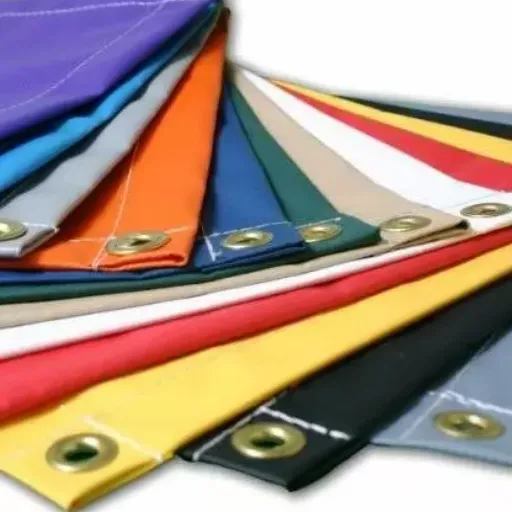
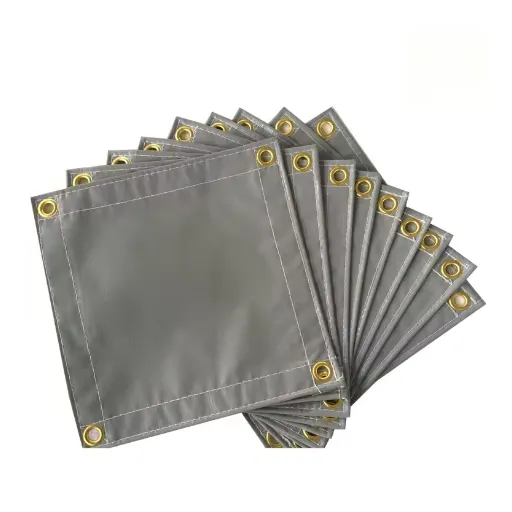
Also, durability is one of the most important requirements for these tarps. They are made for very rough weather conditions such as violent wind, extreme heat and cold, and sun. The makers of durable tarps usually make them with edges reinforced and grommets which will not tear or fray. Others apply a special coating for extra resistance against chemicals or abrasions, thus prolonging their lifetime for outdoor use.
Waterproof and durable properties make tarps very versatile as they can be used in all kinds of situations from protecting items in transit to making temporary shelters. A tarp that has both features will ensure that it is up to the highest demands, that it lasts a long time, and that the failures caused by the material are kept at a minimum. Always think about these factors when you are buying a tarp to make sure that it will perform the way you expect.
Technical Specifications of Flex Crack Resistance Tarps

Materials Used in Heavy Duty Tarps
Heavy-duty tarpaulins are made up of a series of extremely durable materials that can be used for a long time even under severe conditions. These materials usually consist of:
Polyethylene (PE)
This material is very light, totally waterproof, and tear-resistant, which makes it very suitable for multi-purpose use. PE tarps get less affected by the sun and thus last longer for outdoor use as they usually come with UV-resistant coating.
Polyvinyl Chloride (PVC)
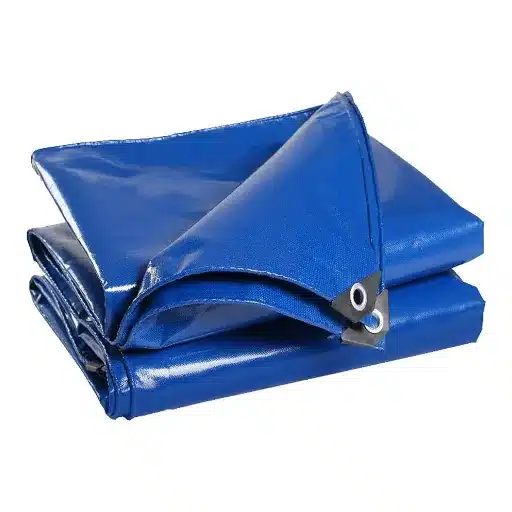
PVC tarps are known for their extremely strong and flexible nature, and thus they are often used in industrial applications because of their good abrasion resistance. In fact, second to very harsh environments, these tarps are quite commonly used where chemical resistance or waterproofing is mandatory.
Canvas
Tarps made of cotton or polyester are very breathable and at the same time very strong. These tarps do not get mildewed and are often given water resistance treatment, which makes these tarps suitable for construction sites or farms.
Ripstop Nylon
Tarps made of ripstop nylon are very strong yet lightweight and thus, are often used for outdoor adventures or as emergency shelters due to their remarkable resistance against wear and tear.
Mesh
Mesh tarps which are usually made of woven polyethylene or vinyl do not block the air but only provide shade and keep the debris out. These tarps are perfect fit for use in landscaping, construction, or recreational purposes.
Every material has its own unique properties, and the final decision will depend on what kind of application is intended. The factors taken into account for instance, weather resistance, weight, and specific environmental needs will ensure that the tarp performs best in that situation.
Vinyl vs. PVC: Which Tarp Material is Better?
Vinyl tarps are more durable and versatile, while PVC tarps are lightweight and cost-effective.
| Key Point | Vinyl | PVC |
|---|---|---|
| Durability | Highly durable | Less durable |
| Weight | Heavier | Lightweight |
| Cost | Expensive | Affordable |
| Flexibility | High | Moderate |
| Weatherproof | Excellent | Good |
| Chemical Resist | High | Moderate |
| Usage | Industrial, heavy-duty | Light-duty, general use |
| Lifespan | Longer | Shorter |
Performance Metrics: Testing for Crack Resistance
Testing of tarps for their crack resistance is very important if the goal is to determine the tarps’ durability and longevity. The term crack resistance describes the extent to which a tarp is capable of coping with stress and adverse conditions like extreme temperatures, UV radiation, and mechanical strain without cracks forming. Critical testing methods include performing and rigorous testing to tarp materials by imitating environment conditions, like freeze-thaw cycles for the coldest climates, or continuous sun exposure for the hottest ones, and then checking the materials’ durability. In the case of the materials vinyl and PVC, they are often tested to find out their cracking point and further study the scenario when they are used over a long period of time.
Vinyl tarps are famous for being very flexible and resistant to wear and tear. vinyl tarps have excellent flexibility and durability even when they are exposed to extreme cold. They go through cold-crack tests where the samples are subjected to temperatures as low as -40°F. This is to mimic the situation during cold winters. The material will either be specified as being still flexible or it will be mentioned that fractures have occurred. On the other hand, the same aspects are checked for PVC tarps as well, but there may be variances in their crack resistance, which depends on the quality and thickness of the material. PVC tarps that are provided with UV and weather resistant coatings may prove to be better in variations of weather, whereas, cheaper PVC tarps might be showing a faster rate of deterioration due to extreme cold sometimes.
The outcomes of the latest experiments denote that the vinyl tarps of premium quality are, in general, crack resistance in cold areas. PVC tarps, however, have also advanced and their performance has been boosted significantly due to composite materials. In case of a tarp to use in an area that might easily develop such cracking conditions, it is advisable to consider the specific use case, the frequency of extreme weather exposure. The choice of tarps made of high-quality materials that have been tested for crack resistance can enhance the safety and eventually the lifespan of the tarp to an extent that it becomes a wise long-term investment.
Unique Benefits of Crack Resistant Tarps

Longevity and Durability in Extreme Cold
The tarps that are resistant to cracking are purposely made to meet the needs of the low-temperature condition and weather that is very severe. When regular tarps are in a freezing environment, they will tend to become stiff and thereby cracking will occur which will in turn lead to complete loss of the tarps’ usefulness and life span. On the contrary, the crack-resistant ones are the ones made from the most refined materials that have the remarkable property of keeping their flexibility and strength even when the temperatures are below freezing, thus, not only providing but also guaranteeing performance for a long-time. Furthermore, the addition of certain substances like polymer combinations and UV stabilizers augments the capability of these tarps not only to stand but also to overcome the wear and tear that comes with the changing of the seasons.
Invention of new materials through many scientific studies have played a major role in determining the durability of these tarps in extreme conditions. Polyethylene that is of very high quality or vinyl that is used as the base material for tarps are examples that have experienced superlative results as far as resisting thermal stress and physical damage caused by freezing and thawing cycles. Testing in a real-world environment and feedback from the end-users point out the capability of the tarps to hold their structural integrity even when we are talking about continuous exposure to -40°F (-40°C) levels of temperature. These traits make the crack-resistant tarps a must-have option for the industries that are working in the Arctic or on mountains that are high where the other materials would have already failed.
Moreover, the itching exposed to the cold mainly on the crack-resistant tarps is what leads to the cost-efficiency and environmental impact benefits being tangible. The frequent change of the old ones for the new ones and the repairs made on the old ones are the ones that have brought about the waste created and have made it difficult for the businesses to operate in a very economically friendly manner. No matter whether the intention is to protect the equipment, cover delicate goods, or perform temporary shelters, the tarps are there to deliver superlative reliability in extreme cold, thus, being the source of users’ comfort and also the assurance that important operations will not be disrupted even under the most challenging conditions.
Waterproof Features for Versatile Usage
Waterproof tarps are made in such a way that they can cope with water and humidity exposure, making them a very practical tool in multiple industries and applications. The water-resistant tarps are made from either polyethylene or vinyl, which are very tightly woven and have added special coatings to avoid water creeping in. The waterproofing of the items being, equipment, or goods, assets, and so on will still last even if it is raining heavily or the wet conditions are very poor. By the maintenance of a reliable protection against moisture, the water-resistant tarps prolong the life span of the items they cover as well as the overall health of the items being cut down on the risks of water exposure-related damages such as rust, mold, and decay.
One of the most important factors about waterproof tarps is that they have many uses which makes them a very important thing to have. Some of the uses are outdoor coverage like protecting materials from being ruined by rain or construction, or even placing the temporary shelters in the outdoors, or just covering vehicles and machines. Also, they are a must-have thing for farmers as they can keep crops and hay dry from getting too much water or sudden rains. Moreover, they are always the first choice for people going on a camping trip because of versatility in ground cover, makeshift tents, or the use as protective covers for the gears. Their flexibility in use makes them priceless both for businesses and for personal use.
Modern tarp design has introduced the feature of durability in such as UV-resistant layers and reinforced grommets which in turn have also improved the overall performance of the tarps and made them easier to use. These innovations are the answer to the call for needing reliable waterproofing solutions that will last in changing environmental conditions. These tarps that have waterproofing features combined with durability and functionality provide a very practical and indispensable solution for protecting assets in a wide range of scenarios thus meeting the needs of different industries and at the same time giving users peace of mind.
Cost-Effectiveness in Long-Term Applications
High-quality waterproof tarps are a very good investment because they will ultimately cost less. The initial expense of these tarps might be higher than that of the lower-grade ones, but their long-lastingness and good performance make them a more rational choice financially in the long run. Their strength keeps the users from replacing them and spending less on maintenance, which in the long run can amount to a big sum in the industries that rely on such tarps for protecting their assets.
One of the main points that contribute to the cost-effectiveness is the tarps’ capability of withstanding abrasion and using industry recognized materials under rigorous conditions. This along with the excellent construction methods that are in place lead to the conclusion that the waterproofing might not be an issue even in the most extreme weather conditions like pouring rain or burning sun. This feature means that the respective savage of tehms by operating basing on unplanned extents of money related to damages or failures, thusgiving their budgets of operations a smooth flow with no interruptions in service.
In addition, the majority of premium waterproof tarps are made with multiple functions in mind, which enhances their value as an investment. Their various usages as a covering for the equipment, temporary shelter, and the like, allow the companies to be the one who reaps the full benefits of the purchase. For the industries where the demand shifts often or the budget is really strict, these tarps bring along the benefits of efficiency and regularity thereby highlighting their long-term cost-effectiveness and practicality.
Common Applications Across Industries
Industrial Applications of Heavy Duty Tarps
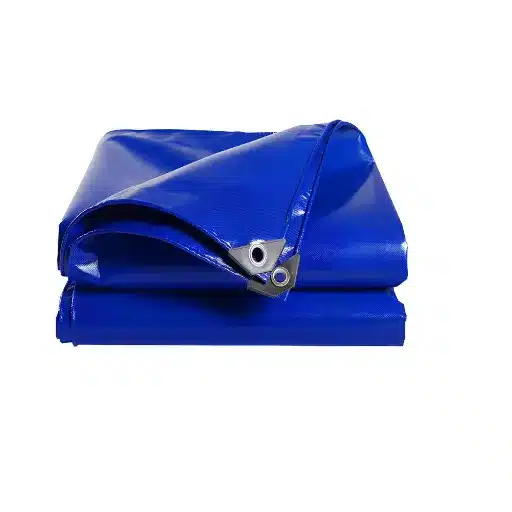
Heavy-duty tarps are extensively utilized in various industrial applications due to their protective nature, resilience, and suitability for tough operating conditions. However, one main area of their usage in the construction industry is in the vast area of building materials. Heavy duty tarps protect the materials from rain, sun, and wind, thus, preventing them from getting damaged. Additionally, tarps are a way of controlling the dust that goes out during the renovation or demolition progress which will, in turn, keep the workers and the neighborhood clean.
Shipping and transportation heavy-duty tarps are a must because they are the best and most secure way of covering and keeping the freight safe while moving over a long distance. The agricultural and mining sectors, for instance, have been heavy users of these tarps, shielding their raw materials and equipment from the elements, hence, virtually eliminating the lion’s share of their losses.
The combination of reinforced materials and features like UV resistance and waterproof coatings is the reason why these tarps are exceptionally strong. Tarps for oil and gas operations are essential for the covering of machines, pipeline equipment or hazardous materials in order to risk contamination and comply with the safety regulations. The cases mentioned above display the wide range of heavy-duty tarps adaptability, hence, they are indispensable instruments in different industries.
Practical Uses in Agriculture: Hay and More
Heavy-duty tarps are indispensable in the agricultural sector as they protect the most critical resources and equipment reliably. The primary use of such tarps in agriculture is the protection of hay bales from rains. Hay exposed to rain, snow, and long-lasting sunlight can lose its quality, which entails rotting, mold growing, and even loss of nutrients. Farmers can keep the hay dry and prevent loss of its nutrition by using tarps that are not only waterproof but also resistant to UV rays, making the feed good for the whole year. In this way, they save on cost, and time wasted in feeding poor quality hay, plus they will have a continuous supply of feed as the hay will not be spoiled.
The use of tarps for hay only is the beginning; they also protect farming equipment by covering it during the off-season or extreme weather conditions. One of the biggest investments in modern-day farming is tractors, plows, and other machinery. And if farmers do not cover their machines with heavy-duty tarps, the machines will be damaged by thawing and freezing, corrosion will take place and costly repairs may follow to get them in a working condition again. Heavy-duty tarps can be an insurance policy for the farmers as covering the equipment with tarps will definitely lead to a prolonged life span and a reduced long-term maintenance cost due to farmers being able to prevent the occurrence of damages that would necessitate repairs.
Heavy-duty tarps are extremely beneficial, especially in the case of crop-planting. They can be used as makeshift shelters during the storms that come unannounced, or they can also cover the soil and the seeds to regulate the temperature and humidity levels before planting. Moreover, they are also involved in transporting the crops that have been harvested and are going to markets or storage facilities. Their versatility, durability, and weather-resistance make them an essential part of modern agricultural practices, helping farmers to produce more and at the same time, protect their investments.
References
-
Standard Test Methods for Coated Fabrics and Film
This resource outlines methods for testing flex resistance in coated fabrics, ensuring no breaks in the coating under specified conditions. -
Membrane Testing for Flex Resistance
This document discusses testing reinforced PVC membranes for dynamic puncture and flex resistance, relevant to tarpaulin materials. - Click here to read more.
Frequently Asked Questions (FAQ)
Q: What is flex crack resistance in tarps and why does it matter?
A: Flex crack resistance is a term that describes the ability of a tarp material to withstand cracking when it is bent countless times or when it is subjected to very cold or extreme cold weather. This resistance is important in selecting a tarp as materials that are crack-resistant will remain flexible, thus allowing the tarp, vinyl cover, or PVC-coated sheet to protect equipment, hay bales, or construction materials without tearing under pressure.
Q: How do coated fabrics and vinyl-coated polyester improve crack resistance?
A: Coated fabrics like PVC-coated and vinyl-coated polyester are the ultimate combination of durability and waterproofing for the weave as they assemble the polyester base that is high strength with a coating that is protective. This close-knit fabric becomes less prone to wear, gets a larger range of chemicals it can be used with, and stays flexible all at once so the strong tarp does not have to deal with crack formation even when it is being used as industrial sheeting or a vinyl tarp.
Q: At what degrees Fahrenheit do tarps begin to cold crack or become brittle?
A: The cold crack limits depend on the tarp material and specification; for example, polyethylene and polypropylene tarps may become brittle at much lower temperatures than the industrial-grade PVC or vinyl tarps. Many suppliers will provide a cold crack temperature in °F—always check the product specifications to make sure that the tarp is appropriate for your area’s weather and will not split in the super cold.
Q: Are UV resistant and mildew-resistant finishes important for crack resistant tarps?
A: Indeed, UV protection to the tarp material is provided by UV-resistant coatings that get rid of the fibers and coatings over time, similarly mildew resistant treatments help by preventing biological decay; the combined effects of these finishes are that they give the tarp its flex and strength and make the fabric durable and dependable for outdoor uses like covering hay or sheltering equipment.
Q: Can custom tarps and customization improve flex crack resistance for specific needs?
A: Sure thing – custom tarps give engineers and manufacturers a chance to select the material (vinyl, PVC, polyethylene), the level of reinforcement (the hem, grommet spacing, and use of high-strength polyester weave), and the workmanship that best fit the needs which go on to produce the tarp that is at the same time light and durable, crack resistant, and suitable for either industrial applications or agricultural use.
Q: How do I maintain flexibility and prolong the lifespan of a heavy-duty tarp?
A: Regular maintenance – such as cleaning off abrasive dirt, avoiding long exposure to UV light, storing in dry conditions to prevent mildew, and repairing small punctures and reinforcing hems – will help in maintaining flexibility; it is also important to use weather-resistant, completely waterproof coated fabrics and good workmanship which will slow down wear and tear and thus prolong the tarp’s lifespan.
Q: What materials are best if I need a waterproof, crack resistant tarp for cold weather?
A: For cold weather, PVC tarps and vinyl-coated polyester are usually the right choice since they provide not only the required waterproof quality but also a higher flex crack resistance than standard polyethylene; the use of industrial-grade PVC and vinyl tarps will ensure that the material will still be flexible even at low temperatures which makes it perfect for sheeting, shelter, and covering hay in winter climates.
Q: How do grommets, hems, and reinforcement affect a tarp’s ability to resist cracking?
A: Well-made hems, grommet reinforcement, and edge reinforcement will not only distribute the tension but also eliminate critical points where cracking can start since the bending is concentrated there; strong craftsmanship and reinforcement in the attachment areas will ensure that the tarp endures the wind, pulling, and flexing multiple times while keeping its crack resistance and general durability intact.