
Quality Control in Tarpaulin Manufacturing: Testing Protocols
Durable tarpaulin covers production needs an accuracy, creativity, and a strong quality control system. Tarp covers can be found in different industries and are vital in keeping safety and sustainability by shielding products during transport and ensuring good protection against very bad environmental conditions. However, what really determines their reliability and durability? The answer is in the rigorous testing and high quality standards. The article below explains the methods and tactics that are used in the tarpaulin manufacturing field to produce the very best products that are tough enough to handle the hardest situations. If you are a manufacturer, a distributor, or an end-user, knowing the processes can give you the best insight into the production of trustworthy tarps.
Understanding Tarp Materials
Types of Fabrics Used in Tarpaulin Manufacturing
Tarpaulins are manufactured from a variety of fabrics, all designed according to specific uses and life spans. The most widely used materials are polyethylene (PE), polyvinyl chloride (PVC), and canvas. Each fabric is carefully selected for its special qualities such as resilience to the elements, resistance to tearing, and adaptability to various conditions, which ultimately opens up a whole list of industries and applications.
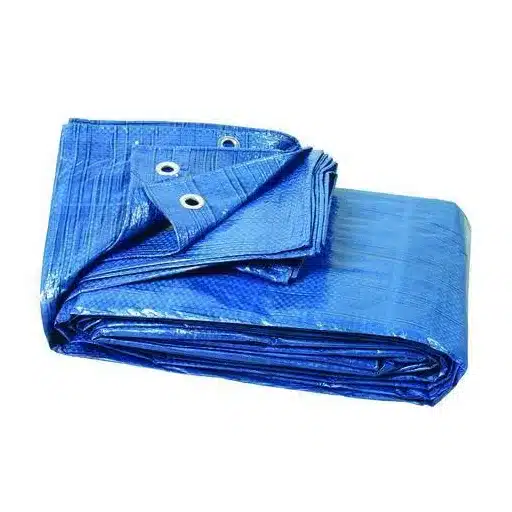
- Polyethylene (PE): PE tarps weigh less, are water-proof, and also come with the sun’s rays blocking functionality. The process that creates these fabrics comprises the intertwining of polyethylene fibers and the application of a waterproof layer on the top. It is the broad range of their properties that allows the tarps to be used in the first place for temporary coverings, construction sites, and agricultural use. Moreover, PE tarps are budget-friendly and thus the choice of many customers who try to save some money.
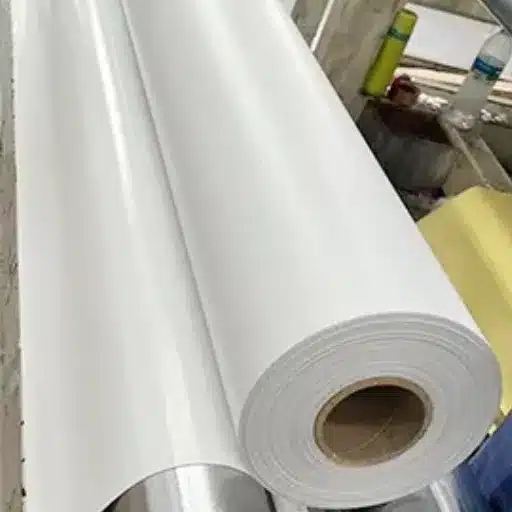
- Polyvinyl Chloride (PVC): PVC tarpaulins, in comparison to PE, are heavier and more durable. They often have the property of being robust enough to stay in service for a long time covering trucks, making banners, and occupying industrial storage areas. PVC is an excellent protector against bad weather, chemicals, and abrasion so it can be said that it is the material for harsh environments where longevity is a must. Moreover, PVC can be treated to be fireproof, which means that it is always good to have one more safety measure.
- Canvas: The materials that canvas tarps are made from are cotton or polyester and thus they can be characterized as breathable and durable. When it comes to their applications, they usually cover furniture or painting projects and protect equipment from dust or mild weather conditions. Although synthetic tarps claim full waterproofing, this one is condensation-proof plus it is the preferred choice for applications where natural materials are required.
Realization of the benefits and the underlying technologies of these fabrics help make it easier for the producers and end-users to pick the right tarpaulin material for use and therefore to get the highest performance and reliability.
Comparing Vinyl and Polyethylene Tarps
Vinyl tarps are more durable, heavy-duty, and long-lasting, while polyethylene tarps are lightweight, affordable, and suitable for short-term use.
|
Key Point |
Vinyl Tarps |
Polyethylene Tarps |
|---|---|---|
|
Durability |
High |
Moderate |
|
Weight |
Heavy |
Light |
|
Cost |
Expensive |
Affordable |
|
Lifespan |
Long |
Short |
|
Weatherproof |
Excellent |
Good |
|
Usage |
Heavy-duty |
Short-term |
|
Flexibility |
Low |
High |
The Importance of PVC in Tarp Durability
Polyvinyl chloride (PVC) is one such material that plays an important role in the improvement of tarpaulins to such a level that they become highly dependably for both commercial and domestic usage. PVC tarps are characterized by their remarkable strength against tearing, UV, and weather damages, which thus give them a guaranteed long-lasting performance even under severe conditions. The above-mentioned durability is due to the very strong character of PVC plus the very small character of its molecules which allows the tarps to be used massively without losing their basic support.
A major positive feature of PVC is its being completely waterproof which makes it a good protector against rain, snow, and moisture. PVC can be likened to a non-porous material that makes it impossible for moisture to get through it and hence, such materials create a barrier that protects goods against wet or humid conditions. Also, because of the UV-resistant properties of PVC, less damage is caused by the sunlight, thereby, greatly prolonging the life of the outdoor tarps.
Moreover, PVC tarps are not only user friendly but also easy to maintain and clean which makes them more practical. They resist mold, mildew, and discoloration thereby making them low-maintenance and versatile for wide applications ranging from agriculture and construction through to transportation and industrial usage. The combination of toughness, weatheribility, and low maintenance not only enhances the value of PVC as the primary material for producing tarpaulins but also the reliability of such products in all the industries mentioned.
Quality Control Standards for Tarps

Key Manufacturing Standards in Tarp Production
The making of tarps follows stringent quality control processes that are meant to guarantee their toughness, safety, and applicability in different fields. A major standard among them is the ISO 9001 certification that requires the quality management systems to be consistently maintained across the entire manufacturing process. Entertainment fire-retardant requirements, which are often in line with the NFPA 701 standard in the U. S., are also part of the tarps’ specifications, thus making sure that the fabric does not contribute to fire if installed in vulnerable areas.
Besides, the ASTM (American Society for Testing and Materials) codes compliance is a plus for the materials since they will be checked for the required tensile strength, tear resistance, and waterproofing, which are critical for various industries. The green standards such as RoHS (Restriction of Hazardous Substances) compliance will automatically guarantee that the materials used are eco-friendly and do not contain hazardous elements like lead or phthalates.
Through the use of state-of-the-art testing procedures, manufacturers verify the UV resistance, cold-weather flexibility, and abrasion resilience that the final product possesses along with performance and longevity expectations. The entire process is a very strict one for that matter thus the output being tarps that are definitely saft, reliable and ready to face the demands of real-world applications while at the same time meeting the needs of the customers from different industries.
Weave Count and Its Impact on Tarp Strength
Tarp weave count is the number of threads per square inch in the fabric, most often represented as a combination of horizontal (warp) and vertical (weft) threads. Generally, the higher the weave counts, the denser and tighter the fabric structure thus the more strength and durability the tarp has. Heavy-duty tarps with high weave counts are less likely to be torn, punctured, and stretched thus they are fit for production, transport, and agricultural industries. On the contrary, lower weave counts can create lighter, more flexible tarps that are more appropriate for temporary or less strenuous use.
Even though weave count is the main factor in determining strength, it is just one of the factors that influence tarp performance. Material composition, coating, and manufacturing processes also determine tarp performance. To illustrate, a polyethylene tarp with a 14×14 weave count might be better than a similar tarp made from lighter materials with the same weave count because of the strength of polyethylene fibers. Moreover, coatings such as laminates or UV protection layers can add to the tarp’s ability to endure environmental stressors like sun and moisture even though the weave count remains unchanged.
For different usages, industry standards often suggest a minimum weave count that varies accordingly. A 10×10 weave is good for residential or short-term outdoor applications, while 14×14 and above are required for industrial-grade tarpaulins in order to guarantee reliability. High weave-count tarpaulins are subject to advanced testing methods such as tensile strength analysis, and weather resistance simulations which confirm the claims made about them. Combining precise engineering with material science allows the users to select the right tarp according to the expected usage, thus gaining the strength, flexibility, and cost-effectiveness balance.
Denier: Measuring the Weight of Tarp Fabrics
Denier is an essential parameter for measuring tarp fabrics in terms of thickness, strength, and durability. It is determined by the weight of a single strand of fabric or yarn, measured in grams per 9,000 meters. A fabric with a higher denier will be thicker and more durable compared to a fabric with lower denier that is lighter and probably more flexible to some extent. For tarps, the denier is often associated with their stress resistance and weatherproof properties making it a necessary feature for industrial and commercial applications.
Thus, the understanding of the denier when it comes to tarp selection is a great help in user’s determination of what best fits his/her needs. For instance, a denier count for tarps above 1,000 is appropriate for heavy-duty use such as in construction, agriculture, or long-term covering outdoors. These tarps can take extreme weather conditions like very strong winds and UV light for a long period of time. On the other side, the tarps with lower denier counts like those from 300 to 600 are normally for lighter and more temporary uses such as camping, events, or small-scale protection.
The association of denier and fabric performance is made even stronger by the modern advances in material engineering. For example, high-denier tarps are often treated with special coatings like polyethylene or PVC which contribute to water resistance, UV shielding, and overall longevity. A thorough comprehension of tarp quality that combines these technical facts with knowledge of weave count will lead to users’ empowerment in their choices. Denier is still a decisive factor for good assessment of tarp fabrics whether it is for industrial-grade or everyday use.
Durability Testing Methods
UV Resistance Testing for Long-Lasting Protection
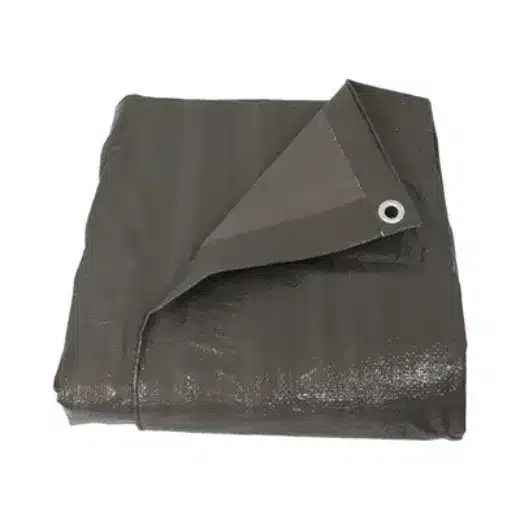
The procedure of UV resistance testing is a significant factor in the assessment of tarp fabrics’ life span and performance when exposed to sunlight for a long time. It is one of the very first steps that assure the material being tested is able to resist the negative impact of UV light; that is, the material will not be discolored, the fibers will not be weakened leading to the eventual collapse of the tarp. The Advanced equipment like weatherometers that control the amount of UV light emitted to replicate the sun’s extended exposure, are used in UV resistance testing. Thereby, the overall material life is determined under different conditions, which give the manufacturers a basis for making changes in their products to improve them.
Accelerated aging is one of the frequently used techniques in UV resistance testing where the tarp fabric is deprived of the sun and subjected to intense UV light for a concentrated duration. Months or years of natural environments are no longer a problem for researchers. They get predictions now. The degradation of materials is identified through the measurement of color fastness, tensile strength, and flexibility before and after the tests. Moreover, this process is performed along with the use of temperature and humidity controls that are cyclic to give the exact conditions experienced due to day heat and night cooling and hence, to ensure a more thorough evaluation of the material.
The new generation coatings are one of the factors that help in enhancing the UV resistance. For example, the tarp fabrics coated with UV-blocking agents, reflective finishes, or enhanced polymers last much longer than those not treated. The information extracted through strict UV testing is a great help in the development of the corresponding protective treatments. When the material is constantly patterned and tested the manufacturers can create dependable and durable solutions for both industries and households. The utmost care given to UV resistance guarantees that tarp products can satisfy the users’ varying demands even in the most extreme conditions.
Tensile Strength: Ensuring Heavy-Duty Performance
Tensile strength is undoubtedly one very significant aspect that stretches the limit of heavy-duty tarp performance. This characteristic signals the extent to which a certain material is able to resist pulling or stretching forces without ripping or breaking, thus, it becomes the sine qua non for heavy-duty applications where there is a lot of stress or weight. It is widely believed that high tensile strength is the key to tarps that are used and their lives in the construction, agriculture, and transportation industries because they are subjected to continuous pressure and tension. To protect a tarp from every wear and tear, manufacturers suggest the use of high tenacity weaving along with the addition of materials like PE or PES which considerably increase strength and durability.
With the help of advanced testing techniques, the performance of the materials such as tensile strength testing machines, quality assurance of the materials got done. The manufacturers can tell the breaking points by subjecting the tarps to simulated real-world conditions and have insights into their performance in extreme pressure. For instance, heavy-duty tarps for hurricane-prone areas are tested by manufacturers to see if they can withstand both strong winds and intense pulling forces. This will give them the opportunity to change the product design and trust the end-user with the product even in the harshest of environments.
To put it another way, it is the combination of reliability of tensile strength and UV resistance that gives one a total solution for a long run in the demanding applications. Moreover, such tarps not needing to be replaced often, owners save on coming costs and also the nature benefits from the less paper trail end. For users in varied sectors, being aware of the tensile strength ratings of tarps will not only mean getting the right material for the job but also safety and efficiency in the entire process, guaranteeing all the even print jobs are done right.
Water Resistance and Seam Integrity Testing
ater resistance and seam integrity are the two most important factors when evaluating the performance and longevity of tarps in different applications. The high-end tarps have to be very efficient at repelling water so that there are no leaks and the items below are safe from moisture damage. The water resistance of materials is based on the coating as well as the construction that is done using PVC or polyethylene, the most common materials because of their hydrophobic characteristics. On the contrary, seam integrity signifies the force and seal of watertightness at the seams that unite different parts of the tarp. If the seams are not sealed properly, the overall water resistance of the tarp is compromised, making extensive testing a necessity for ensuring dependability.
Testing of water resistance is the first step of the process where the tests are done in a controlled environment and the tarps are subjected to water pressure to check the point of water resistance and leakage. Hydrostatic pressure tests and spray tests are the usual methods that are employed in testing, which also simulate natural conditions of heavy rainfall and water pooling. The testing of the seam integrity in the tarps is done by the methods of using tensile stress and dimensional stability, which ensure the seams are tough enough to handle the prolonged exposure created by a combination of weather, wind, weight, and movement. When such tests are conducted, it is done following the industry standards, which evidently provide benchmarks that are measurable to show the performance of the product under different conditions.
Quality at water resistance plus strong seam construction means that tarps will provide excellent protection for a long time even if the conditions are very harsh. Tarps are used in construction sites to protect building materials and shield agricultural produce during transport, hence, the reliable tarps ensure the least to no disruption and the utmost efficiency. The customers are the direct beneficiaries who have to incur lesser replacement costs and the water damage-related downtime is also reduced helping indirectly in the business operations of the customers. Innovations in technology and materials continue to prop up the existing level of water resistance tarps, a consistent setting of new standards for the durability and innovation.
Selecting High-Quality Tarps for Industrial Use
Factors to Consider When Choosing a Tarp
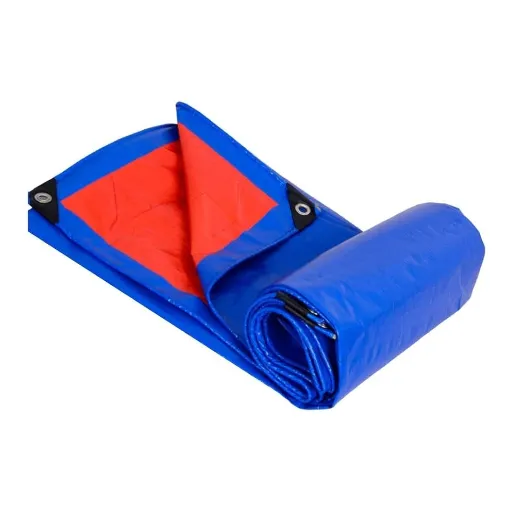
Selecting the right tarp for industrial use entails a thorough evaluation of several factors that are key to the performance and longevity of the material. The first thing to keep in mind is the composition of the material, since that is the one that will directly determine the tarp’s life and quality in terms of water and UV blocking. The main options are polyethylene, vinyl, and canvas, which are all very much suited to different types of applications. Moreover, the use of tarpaulins made of vinyl is one of the preferred choices in the industrial sector, mainly due to their extreme strength, chemical resistance, and their ongoing ability to hold up heavy loads.
Another very important point is the thickness and weight of the tarp. Thick, often measured in mils, generally speaks of durability, and this is the very reason why thick tarps are perfect for tough and demanding jobs. The next thing is the tarp’s size and its form; see to it that it will work well with your intended application whether you are going to cover machines, set up temporary booths, or protect your goods in transit.
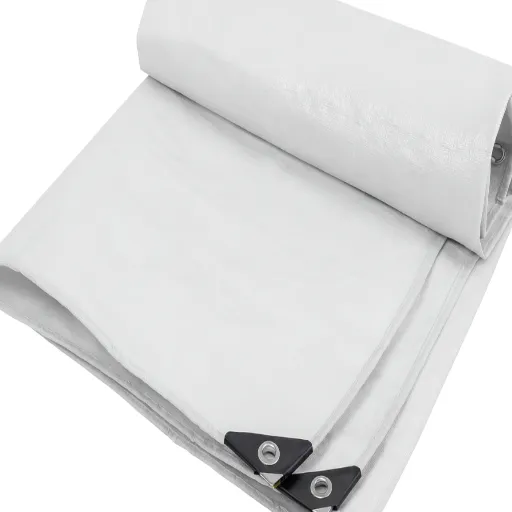
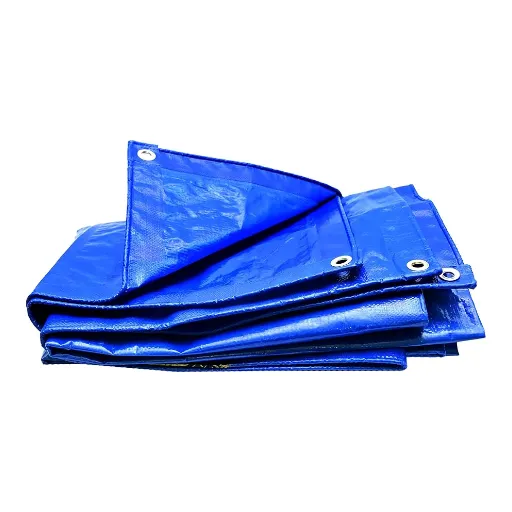
A tarp’s grommets and reinforcements are another significant attribute to consider. Tarps made to last often come with rust-resistant grommets and the edges are strengthened with reinforced edges to minimize wearing and prolong their lifespan even in high-stress conditions. Also, it is good to check for any additional features like flames resistance, anti-static, or heat-insulated coatings according to your industry needs. The careful selection of these particulars will not only give you a reliable tarp that meets your industrial needs but also a cost-effective solution.
How to Assess the Fit and Size of Tarps
When I evaluate the fit and size of a tarp my first step is to take measurements of the area or object the tarp is going to be placed over. Being sure of the exact length, width, and height lets me have confidence in selecting a tarp that will be more than sufficient for covering the area, including ample material for fastening securely. It is always a good idea to get a tarp that is a bit bigger than the measured area to provide a little extra room to make adjustments and secure properly.
The next thing I look at is the shape and layout of the object or surface. With consistency, if I cover irregularly shaped items or surface that have a different elevation, I will thoroughly look at how the tarp will hang down and hold up over those shapes. For this, I will investigate the corner reinforcements of the tarp and grommet spacing– features that help provide a tight and dependable fit as well as minimizing the risk of tearing due to strain.
Consequently, I always check that the size of the tarp matches the method of fastening planned. I keep in mind the use of ropes, bungee cords, and clamps, and I make sure that there are enough points for attachment for keeping the tarp in a stable position, especially when it is windy or difficult throughout the day or in heavy traffic areas. By closely scrutinizing these factors, I can make a well-informed decision on a tarp that strikes the right balance in terms of protection, durability, and usability.
References
-
Reusable Black Tarps Suppress Weeds and Make Organic Reduced Tillage More Viable
This research from Cornell University explores the use of tarps in agriculture, focusing on their effectiveness and quality in weed control and crop residue decomposition. - Click here to read more.
Frequently Asked Questions (FAQ)
Q: What is a quality control tarp and why is it so widely accepted?
A: A quality control tarp is a durable tarpaulin that is used in manufacturing and shipping for inspection, protection, and materials management. It is well liked by customers for its durability and resistance qualities of the surface that keep both cargo and products off the ground, besides its spec being adaptable to various industries.
Q: What factors should I consider in determining the specifications for a quality control tarp?
A: The buyer should take into account the material strength, weight, hem construction, and perimeter reinforcement factor while selecting a quality control tarp. It is a good idea to go for very strong and tough fabrics, brass grommets or durable edging, and so on for your specific work area dimensions that will satisfy both your inspection and protection needs.
Q: Is it possible to have quality control tarps customized or sewn to fit exact specifications?
A: Sure, quite a few producers will do custom sewing, add extra hems, or strengthen the perimeter in area of particular cargo sizes or ground protection needs. Custom sewing can make it possible to add such features as brass grommets, pockets, or hard-point reinforcements.
Q: What is the level of weather resistance and abrasion suffering that quality control tarps can cope with?
A: Quality control tarps that are intended mainly for industrial use are not only water and abrasion resistant but also usually treated to be able to withstand the sun’s exposure and strong climates. A robust tarp with reinforced hems and coated fabric will not get torn and will endure longer than its light-duty competitors under continuous use.
Q: What is the usual price range and does the price affect quality in any way?
A: The price depends on the material, size, and extra features. Tarps that are cheaper are likely to be lighter and less resistant, whereas the quality control tarps that are mid- to high-priced have heavy-duty fabric, reinforced perimeter, and brass grommets which are the features that extend the lifespan and improve the performance of the product. Buyers must weigh their budgets against the anticipated workload.
Q: What are the safety or handling hints if I use a quality control tarp around the cargo?
A: Make sure the tarp is fastened down using the grommets provided or the perimeter attachments so that it does not slip. Keep the tarp in a clean state and remove any sharp debris on it that may lead to a puncture. When covering the cargo, please make sure to apply the load evenly and refrain from dragging the tarp over hard surfaces as this will cause it to wear out quicker.
Q: Is it possible to request for free samples or trials before purchasing a quality control tarp?
A: Some suppliers give out free samples or small swatches so that buyers can check the material and specifications before making a full order. Always inquire about the availability of samples, the return policy, and the warranty so that you can be certain that the tarp will be able to meet your inspection and protection needs.
Q: With what methods can I preserve and repair a heavy-duty quality control tarp to prolong its life?
A: Regular maintenance consists of getting rid of debris, making sure the tarp is completely dried up before it’s put away, and checking the hems and brass grommets for any signs of damage. You can either patch or sew small rips, and adding strength to the perimeter or hard stress points will allow the tarp to still be resistant to further damage.