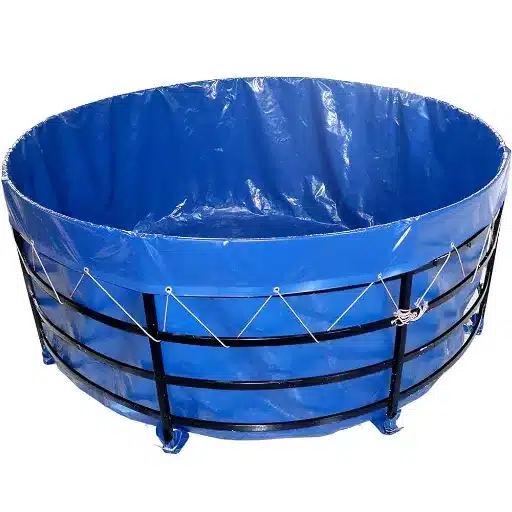


Tarpaulin Storage: Long-Term Preservation Best Practices
Detailed and customer-oriented organization with regard to long-term storage of tarpaulin is required to ensure everything remains durable and functional for a long time. Whether you are a house owner protecting the covers used during certain seasons or a company controlling excess stock of covers or an adventurer making arrangements for camps to take place in the near future, appropriate tarpaulin storage is very important to maintain its quality and extend its useful life. This comprehensive guide will cover the methodology of long-term tarpaulin storage which will prevent common mistakes associated with degradation of the material, fungus development, and damage due to mishandling of the tarpaulins.
Understanding Tarpaulin Types and Uses
Different Types of Tarps
Tarpaulins, referred to simply as “tarps”, are available in different materials as well as customized depending on the application. Each type has its own unique properties, making it easy to make the appropriate choice.
Polyethylene (Poly) Tarps
Poly tarps are among the lightest, water resistant and tear resistant cover, hence they are used in temporary shelters, equipment covers or simply outdoors. They have polyethylene coats which provide additional strength making them economical most of the time.
Canvas Tarps
Canvas tarps are made of cotton and other natural materials which are breathable, thus good for covering items like furniture and vehicles. Highly resistant to wear and preferred for heavy duty applications; however, they require water-resistant treatment to be fully functional.
Vinyl Tarps
Vinyl tarps are heavy duty, completely waterproof, and can be used for construction works or purposes of transportation or agriculture sector. They are anti-abrasion as well as chemical and UV resistant making them perfect for challenging environmental conditions.
Note: There are other varieties of tarpaulin storage and use such as mesh tarps, PVC tarps, and biodegradable tarps. Considerable factors when choosing the tarp include the durability, water resistance and the purpose of use in such an environment.
Common Uses for Tarps
Due to their adaptability and robustness, tarpaulins are utilized in a myriad of industries and everyday scenarios around the world. Here are the primary applications:
- 1
Weather Protection: Tarpaulins are often pitched around machinery, automobiles, logs for burning, and materials to protect them from rain and sun rays. They serve as effective defenses against weather damage. - 2
Event Coverage: Tarpaulin sheets are mainly used for tents, flooring, or ground insulation in various events. They are set under tents for moisture retention and base protection. - 3
Outdoor Activities: Used in landscaping jobs for soil erosion prevention and debris containment during cleaning operations. - 4
Logistics and Storage: Plywood tarps and lumber tarps are especially used by truckers in securing cargo during transport. Homeowners also use tarpaulin storage solutions for seasonal items, furniture, and other stored materials.
Choosing the Right Tarp for Your Needs
Key Considerations
| Factor | Consideration |
|---|---|
| Purpose | For outdoor usage (boats, firewood, rooftops), choose waterproof with UV-resistant abilities. For indoor or temporary protection, lightweight tarps are sufficient. |
| Material & Density | For heavy duty purposes (building supplies, machinery), choose polyethylene or canvas for durability. Thickness measured in mils indicates longevity. |
| Dimensions & Features | Measure the object to cover carefully. Grommets and sturdy borders with tie-down capabilities are essential for secure mounting. |
Best Practices for Cleaning Tarpaulins
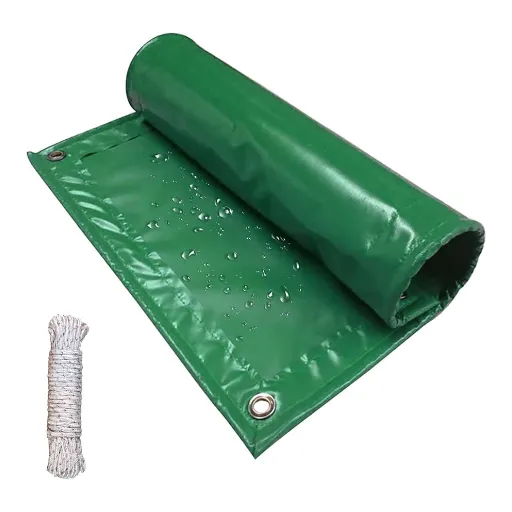
Step-by-Step Guide to Cleaning Your Tarp
Recommended Cleaning Solutions and Tools
Mild Detergent or Soap
Soft dish soap or detergent helps clean dust and dirt from the tarpaulin, especially with warm water.
Soft Bristles Brush
For stubborn stains, use a soft brush to gently scrub the surface. Avoid hard brushes that might cause damage.
Non-Abrasive Sponge
A soft sponge works well for coated tarpaulins to ensure gentle yet effective cleaning.
White Vinegar
A 50/50 mixture of water and white vinegar effectively eliminates mold and mildew formation.
Hose and Bucket
Essential for thorough rinsing after applying cleaning solutions to remove all residue.
Microfiber Towels
Perfect for wiping and drying the tarpaulin after washing, preventing water spots.
Removing Stains and Debris Effectively
Effective Stain Removal Tips
- Sweep away light debris including dirt, leaves and dust with a soft brush before applying any cleaning solution.
- For stubborn stains, apply warm water with a dash of dishwashing liquid. Leave the substance on the surface for some time to dissolve grease or grime before washing.
- Use a water and vinegar solution to wash off organic stains such as mildew or moss. Vinegar is economical and highly effective.
- Always test cleaning solutions on a small corner before spreading them further to avoid damaging the tarpaulin.
- After washing, ensure complete soap removal by thorough rinsing. Residual soap can affect waterproofing features.
- Ensure complete drying before storage using microfiber cloths or towels to prevent water spots and mildew formation.
Proper Folding and Storing Techniques
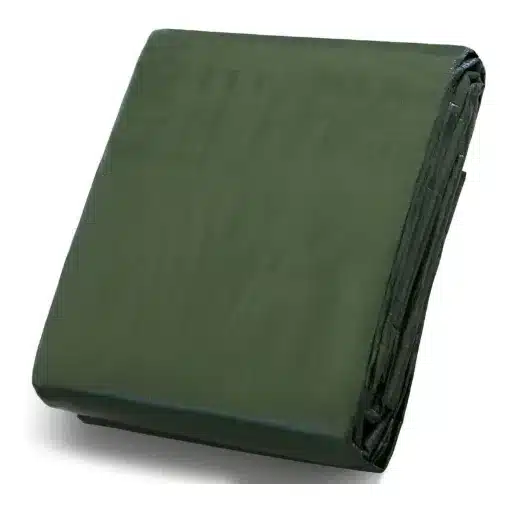
How to Fold Your Tarp Correctly
Proper folding of a tarp is essential to prevent damage and ensure longevity. Follow these systematic steps for optimal results:
Step 1: Prepare the Surface
Place the tarpaulin firmly on a dry and clean surface that doesn’t have any dirt or objects that can damage the material. Ensure the tarp is washed and dried if it carries stains.
Step 2: Initial Fold
With the tarp spread open, fold it in two, bringing the two outer edges to meet seamlessly. Gently press to deflate any air bubbles trapped inside. For larger tarps, multiple extensions along its length may be required.
Step 3: Ensure Even Folds
Make sure that the folds created are even and straight to avoid unnecessary bulges or tearing when stored for long periods. This is particularly important at the edges.
Step 4: Final Folding and Securing
Fold the tarp crosswise in consistent sections, starting from one end and proceeding to the other. The degree of folding will depend on your storage space. When finished, secure with strings, straps, or bungee cords, then place in an appropriate storage bag or box.
Storage Bags and Containers for Tarps
| Storage Option | Features | Best For |
|---|---|---|
| Heavy-Duty Storage Bags | Waterproof, ripstop material, strong handles, secure zippers | General tarpaulin storage, portable needs |
| Hard Containers | Plastic crates or tin boxes, hermetic seals, stackable design | Long-term storage, organized arrangement |
| Collapsible Storage Bins | Foldable when not in use, ventilated options available | Space economy, high humidity areas |
Maximizing Space in Your Garage or Home
Vertical Storage Systems
Construct solid shelves or racks onto the walls to free up floor area. Mount pegboards or magnetic holders near work areas for frequently used tools.
Dual-Purpose Furniture
Utilize storage benches and ottomans for both seating and storage. Transparent containers allow easy identification of contents at a glance.
Digital Inventory Systems
Use smartphone applications to manage inventory, monitor stocks, and generate ideas on optimizing space usage effectively.
Long-Term Storage Tips to Prevent Damage

Preventing Mold Growth in Tarps
Long-term use of tarps is hampered by mold as it produces foul smells, deteriorates the strength of fabrics, and damages stored contents. Prevention is mandatory for maintaining tarp quality.
Essential Prevention Methods
- Ensure Complete Drying: Keep tarps flawless and free of moisture when not in use. Unroll and dry in the sun before rolling and storing.
- Choose Mold-Resistant Materials: Select tarps with mold and mildew resistant properties. Heavy-duty polyethylene tarps with UV stabilizers are excellent for lowering water absorption.
- Proper Storage Environment: Store in cool, dry, well-aerated places. Avoid sealing in plastic bags as temperature fluctuations can cause condensation.
- Use Moisture Absorbers: Include silica gel sachets or moisture absorbers in storage containers to control humidity levels.
Protecting Tarps from UV Damage
Continuous sunlight exposure causes discoloration, deformation, and destruction of tarpaulin material. The outer layer becomes degraded, making the fabric less rigid and fit for purpose.
Protection Strategies
• Purchase UV-Resistant Materials
Invest in outdoor tarpaulins made with UV opposition fabric, chemical coatings, or vinyl/poly/canvas with UV-resistant properties to ensure sun protection.
• Minimize Direct Sunlight Exposure
Store tarps in shaded areas when possible. For tarps that must remain outdoors long-term, use shade cloth or UV-resistant sprays for additional protection.
• Regular Maintenance and Inspection
Watch for discoloration, cracking, or thinning during handling. Wash regularly with soap and vinegar solution to remove dirt that accelerates wear under sunlight.
Managing Humidity and Pest Control
| Issue | Prevention Method | Action Steps |
|---|---|---|
| High Humidity | Allow tarps to breathe; avoid stuffy, damp locations | Use silica gel or dehumidifying agents in storage areas |
| Pest Infestation | Keep food and organic waste away from storage areas | Regular inspection for bite marks, feces, nests; seal all entry points |
| Ongoing Maintenance | Monitor environmental conditions regularly | Use pest repellents or deterrent oils; conduct routine inspections |
Organizing Your Tarp Storage Area

Effective Garage Organization Strategies
Rotating Tarps for Longevity
Regular rotation of tarpaulins is an effective way to sustain their durability. Over time, external factors such as UV radiation, precipitation, strong winds, and snow tend to cause weakening of tarp material, leading to fraying, cracking, or leaking. Establishing a rotation system reduces exhaustion from constant exposure to extreme conditions.
Rotation Best Practices
- Catalog each tarp according to material (polyethylene, canvas, vinyl) and context of use
- Allocate heavier, more expensive tarps for long-term protection while lighter tarps serve short-term or indoor purposes
- After each use, air-dry the tarpaulin and fold properly to eliminate stress on the fabric
- Keep tarps out of wet/damp places or areas with direct heat when considering tarpaulin storage
- Research indicates UV-protective coated tarpaulins outperform normal tarps in harsh conditions
- Maintain an inspection schedule to correct initial damage such as holes or grommets out of shape before it escalates
Maintaining an Organized Storage Space
Keeping an adequately organized storage space is fundamental to maximizing the life of your tools and materials, including tarps. A tidy storage area saves time and ensures all stored items are well cared for when not in use.
Categorization System
Sort all items in clusters by function, use frequency, and size. Use labeled boxes, shelving units, and storage racks to eliminate search struggles.
Appropriate Storage Selection
Store small elements in solid bins. Use clear containers for dusty or damp materials. Hoist larger pieces like tarpaulins onto racks or hooks to prevent contrary folds.
Regular Review Schedule
Check supplies monthly or seasonally for damages and potential hazards. Clean facilities to remove dust, debris, or pests that may decline tarpaulin storage quality.
References
-
Tarps | Forage Information System – Oregon State University
Explains the process of using tarps to protect bales during storage, highlighting cost-effective solutions. -
Firewood Requirements – Mammoth Lakes Fire Department
Highlights the use of fire-resistant tarps for firewood storage to prevent ember penetration and ensure safety. - Click here to read more.
Frequently Asked Questions (FAQ)
Q: How should I start when planning tarpaulin storage?
A: Tarpaulin storage first involves ensuring that the tarpaulin is free of any dirt or moisture. Brush off dirt, leaves, and especially any moisture to avoid mildew growth and material accumulation. Place the heavy tarp on a level surface and check for damage to ascertain storage needs. Storage principles require that a tarp should be folded while clean, dry, and flat for easy storage and long-term use.
Q: How does one properly fold and store large tarps?
A: For large or rectangular tarps, fold them into a manageable dimension by first addressing wrinkles, then folding in half or thirds along the length. For waterproof or heavier-duty tarps, rolling can help preserve the material’s properties. After folding or rolling, use a breathable bag to store the tarp or suspend it to prevent excess moisture accumulation.
Q: Is it okay to suspend the tarp when storing for an extended period?
A: Yes, hanging the tarp is an effective storage method, especially in residential and garage environments. Choose a clean, dry location and place it on hooks or a rack to keep floors free from folds and moisture. Hanging helps prevent folds that could cause mildew, ensuring continuous usability. Make sure the tarp is well-maintained with no contaminants before suspending it.
Q: How regularly do I need to check on stored tarpaulins?
A: Regular activities involve checking stored tarps every few weeks or seasonally to search for signs of mold, mildew, cuts, or folds. This makes it easier to deal with moisture, reducing the possibility of irreversible fold damage and ensuring the tarp remains functional. This upkeep prolongs lifespan and performance.
Q: How do I store a tarpaulin to ensure it doesn’t get damaged?
A: Do not store wet or soiled tarps, not even under heavy loads which cause deformations. Avoid exposure to sharp items which can cut through fabrics. Do not place in direct contact with earth or locations with high humidity levels. This prevents mold, excess wear, and ensures the tarp remains functional for yearsThis response paused because Claude reached its max length for a message. Hit continue to nudge Claude along.Continue.
Q: What is the best way to store tarpaulins in small garages or mobile locations?
A: In small areas, fold or roll the tarp into something compact and manageable. Place it in labeled bins, on shelves, or hang from the ceiling to avoid using floor space. Portable tarps are best stored in small storage bags or strapped to remain ready to use. Judicious folding creates versatile storage solutions for various purposes.
Q: Is there a different way to store waterproof tarps versus lightweight tarps?
A: Many waterproof tarps have fabric lining that becomes damp and should not be stuffed in boxes or bags as they can mildew. Extremely durable waterproof tarps manage to roll with fewer fold marks, while light tarps fold more easily. In both instances, keep out of direct sun and ensure appropriate conditions to protect the fabric and prolong useful life.
Q: What should I do if I find a crease or small rip on my tarpaulin?
A: Small creases can often be eliminated by opening the tarp and leaving it in direct sunlight briefly (if the material allows) or by rolling the tarp in the opposite orientation. For small tears, clean and dry the area, then apply a repair patch or heavy-duty tape specifically designed for tarps. Periodic inspections allow early damage detection to prevent further tearing.
Q: What makes tarpaulin storage most accessible and maintains tarp readiness?
A: Tarps should be tagged according to size and purpose, organized systematically, and either folded or rolled onto shelves or hung for easy access. Label all tools stored nearby. Designate specific areas in the house and garage where particular tarps will always be kept. This reduces search time, avoids damage, and ensures every tarp is in perfect condition and ready whenever required.