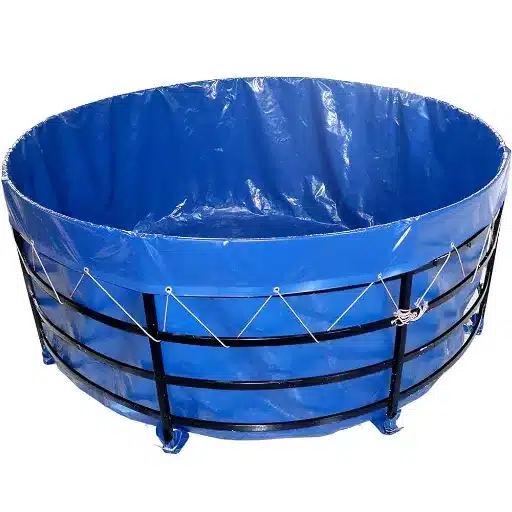


Tarpaulin Repair Complete Guide: DIY & Professional Solutions
Initially, the task of repairing a damaged tarpaulin may give rise to an impression of being difficult, however, if one has the right direction, the entire process can be a practical and economical solution simultaneously. No matter whether you have a tiny tear or a large damaged area, knowing how to repair it will guarantee that your tarp is still strong and usable for many more years. This all-embracing tutorial investigates DIY approaches for quick fixes and professional repair avenues for more serious problems. You will be equipped with all the information required to bring back your tarpaulin to its former state and decide on the most suitable repair method in line with your particular requirements by the time you finish reading this article.
Identifying Common Types of Damage on a Tarp
Types of Tears and Rips
Several factors are contributing to the occurrence of tears and rips in tarps, and among those mainly stand the accidental as well as the extreme natural forces. Usually, humans consider the following types of damage: straight-line tears, jagged rips, and punctures. The first type, straight-line tears, is a result of the tension or sharp corners that are pulling against the tarp causing a neat division. Jagged rips are irregular in shape and, generally, occur when the tarp is dragged over rough or rugged surfaces. On the contrary, punctures are the result of sharp objects piercing the tarp, thus creating small but noticeable holes.
💡 Key Point
In determining the proper and most effective method of repair, it is paramount to identify the type of damage first. The use of adhesive patches or stitching for straight-line tears assures a mighty and durable repair. On the contrary, jagged rips would need a reinforced stitch to deal with their uneven edges and thus provide durability. Depending on the size and position of the hole, punctures can most of the time be quickly mended with either waterproof tape or sealant.
It is really a lot easier if you are familiar with these common types of damages as they will help you prepare for the maintenance and repair in an already effective way. You will be able to get the most out of your tarp and make sure it does not let you down when you need it the most, by spotting the problem and dealing with it in a proper way. Optimal condition for the tarp can also be achieved as proper storage and handling can mitigate the chances of such damages occurring to it in the future.
Common Causes of Tarp Damage
The most frequent reason for tarp damage is the difficult environmental conditions that the tarp is exposed to. Giving the tarp body too much time to get under the sun leads to its weariness, cracking, or fading after some years. Besides, the sturdy winds can make the tarp come under pressure and thereby create holes, particularly when the tarp is not given the security it deserves. The presence of water can lead to the mushroom and mildew fount, which in turn weakens the fabric, causing not only the fabric to look bad but also the whole place to stink.
⚠️ Common Causes to Watch For:
- Misuse or rough handling: Overloading tarps or using them inappropriately, for instance when covering sharp or heavy objects without proper padding, will lead to punctures and tears.
- Improper dragging: Dragging a tarp over rough ground or folding it while still wet is putting more stress on it, leading to smaller damages that may worsen with time.
- Poor storage methods: Not cleaning and drying a tarp before putting it away can make the material degrade since they are the main culprits of mold, mildew, and moisture.
Bad storage methods have a very bad influence on tarps’ longevity. Giving the tarps a home in the places where they are going to be subjected to either very high or low temperatures or the possibility of sharp things poking them will weaken their structure. To not let this happen, always make sure to clean, dry, and keep your tarp in the safest way possible— in a cool and dry place, away from danger.
Assessing the Severity of Damage
To assess how bad a tarp’s damage is, the first step is to carry out a detailed visual examination. Take a good look at the tarp and spot any holes, tears, or edges that are frayed which can impair its performance. In addition to minor holes, damage along the edges may be repairable, but large or middle damage might make the tarp unfit for its purpose. Then, a very precise observation can be made in the corners most subjected to folding and stretching since these are the areas more likely to be damaged during the entire lifetime of the tarp.
The next step involves an assessment to determine if the damage affects the tarp’s performance. This type of evaluation is essential for making a decision on whether to repair the tarp or replace it with a more practical long-lasting solution.
Materials and Tools Required for Tarp Repair

Essential Items in a Tarp Repair Kit
🧰 Essential Repair Kit Components:
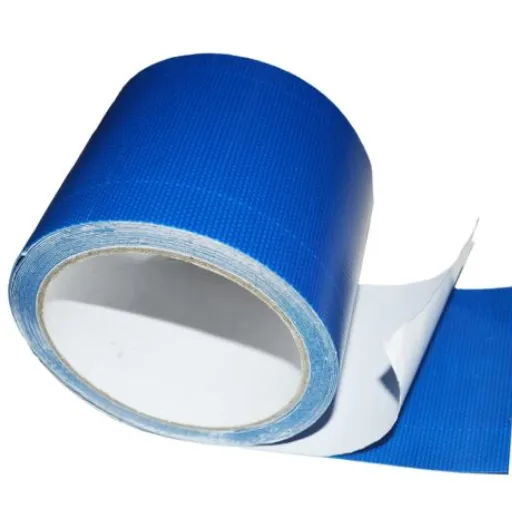
- Heavy-Duty Tape – This tape is specifically made for tarps and is of utmost importance for closing up small cuts and strengthening delicate areas. The weatherproof types that stick well to various materials are the ones you should consider.
- Adhesive Patches – The use of pre-cut patches is best for large gaps or breaches. They get rid of the problem quickly and provide a strong fix, especially in the case of PVC or polyethylene tarps.
- Grommets and Grommet Tool Kit – The grommet replacement makes sure that the tarp is securely held down. A grommet tool kit generally has grommets in different sizes, a hole punch, and an installation tool.
- Sewing Awl and Heavy-Duty Thread – If you want repairs that are permanent, then using a sewing awl along with heavy-duty, UV-resistant thread will allow you to either stitch together a big tear or firmly affix a patch.
- Heat Gun – Heat guns are vinyl tarp repair essentials as they help to attach vinyl patches to the tarp with heat-welding, thus creating a strong and long-lasting repair.
- Cleaning Supplies – A dirty surface can hinder the effective application of tape, adhesive patches or other materials. It is good to have a stock of surface cleaner, alcohol wipes and soft cloths in your kit.
- Utility Knife or Scissors – Cutting tools that can cut with precision are very important in order to get rid of the damaged areas or give the patches the right size.
- Waterproof Adhesive or Glue – The water-misconducting adhesives with high strength are very effective in sealing and reinforcing edges, thus making the product last even in wet areas.
- Measuring Tape and Marking Tools – These two will ensure accurate measuring and positioning in the repair process.
A tarp repair kit that is fully stocked not only lengthens your tarp’s life but also cutting down on frequent substitutes, thus saving you both time and money. Always having these basic things, you will be ready for anything that happens.
Choosing the Right Repair Tape
In picking the proper repair tape, I give heed to a few crucial factors that will guarantee it meets my requirements. The first one is the tape’s material— whether it is vinyl, polyethylene, or fabric-backed— as it has to be the same as the material of my tarp. Using a compatible material guarantees a strong bond and thus a longer life. I also take arrowed up the adhesive strength, as some tapes are meant for heavy-duty use while others will only have lighter repairs as their application.
🔍 Material Compatibility
Ensure tape material matches your tarp (vinyl, polyethylene, or fabric-backed) for optimal bonding
☀️ Environmental Resistance
Look for UV-resistant and waterproof options for outdoor tarps exposed to sun and moisture
🌡️ Temperature Tolerance
Select tape that withstands extreme hot or cold conditions based on your usage environment
Lastly, I take into account the flexibility and the ease of use. A tape that is easy to work with and can take the shape of the uneven surfaces or curves of the tarp is what I like. Besides, the right width of the tape will help me to personalize my repairs, which means that both functionality and a neat finish are secured. I am then ready to make good and trusted repairs when I have gone through these factors in relation to repair tape selection.
Tools for Effective Repairs
When you have the right tools available for repairs, it can be guaranteed that any damage, whether small or big, will be done with precision and strength. A basic repair kit should contain good quality adhesive tapes, utility knives, and precision scissors as a minimum. The adhesive tapes should be of different kinds and able to work well with various surfaces, giving strong and durable bonds. Utility knives and scissors cut that are neat and precise, thus providing the necessary for the tape or patch to be applied firmly without the edges being frayed. These tools are the basis of most repair scenarios and are addressed to the everyday requirements.
🔧 Advanced Repair Tools
- A heat gun or hairdryer for heat-activated repairs and stronger adhesion
- Measuring tools (ruler or tape measure) for precise application and alignment
- Sealants and waterproof sprays for specialized applications
- Replacement patches made from matching materials for inconspicuous repairs
The higher the quality of the tools, the more successful the repairs thus saving time and prolonging the cycle of the product. No matter how tough they may seem, with such a well-equipped toolkit, you will be able to handle any repair challenge confidently.
Step-by-Step Instructions for Repairing a Torn Tarp

Temporary Fixes Using Duct Tape
In case of a torn tarp, duct tape can be easily and effectively choose as a temporary solution. Start with cleaning and drying the damaged area, as the tape won’t stick if dirt or moisture is underneath. Clean the surface with a towel and in case of hard dirt, use mild soap and water to wipe it off. Afterwards, let the tarp dry completely before the next step. This ensures that the duct tape bonds really well with the tarp making it resistant to being pulled or exposed to the weather conditions.
📋 Step-by-Step Duct Tape Repair Process:
- Prepare the surface: Clean and dry the damaged area thoroughly using a towel or mild soap and water
- Cut the tape: Cut a piece that extends at least one inch beyond the tear on all sides
- Apply the tape: Press down firmly, avoiding air bubbles or creases
- Reinforce (optional): Apply tape to the bottom side as well, centering it over the repair for a double seal
⚠️ Important Note: Duct tape repairs are fast and easy but at the same time they aren’t intended to survive the outdoor elements for long. Eventually, the glue can break down because of light, moisture, or heat changes. Keep checking the fixed area and possibly continue with a more long-lasting solution like tarp repair kit or stitching if the tarp is often used or exposed to harsh conditions.
Patching Holes with Repair Tape
Using repair tape for tarp hole repairs is a fast and efficient means, which is best assigned to small or medium-sized punctures. Before anything else, the direct area around the hole must be cleaned very well to make it free from dirt, dust, or debris. A cleansed area will be a guarantee that the tape will stick well and strong to the tarp material. The area is to be left for drying completely, because if the adhesive is applied in the presence of moisture, it will not bond good and strong.
To ensure long-term durability, the area that has been repaired should be inspected from time to time to confirm if the tape has remained in position. The adhesion may lose its strength gradually due to constant exposure to sunlight, rain, or changes in temperature. Reapplying the tape or reinforcing the repair with stitching or using a tarp repair kit could be the alternatives in case one spot any signs of peeling or reduced effectiveness.
Permanent Repairs: Sewing Techniques
Among the different methods available for tarp repair, sewing is the most effective one, which if properly done lasts a long time and is very durable. It strengthens the damaged spots and with the help of an exact sewing technique, it prevents ripping in the future. The first step is the cleaning of the damaged part quite thoroughly to get rid of any dirt and debris, as this will promote the patch to stick better.
🪡 The Double-Stitch Method
The “double-stitch” method is one of the most common sewing techniques used for tarp repair. It consists of sewing around the outline of the patch first and then the second line of stitching is done inside the first one to make it more durable.
Key Tips:
- Use heavy-duty thread (preferably UV-resistant polyester or nylon)
- Employ a sewing awl or handheld sewing machine for outdoor fabrics
- Use straight and evenly spaced stitches
- Avoid making the thread too tight to prevent puckering
To further waterproof and strengthen the patch, especially in high-wear areas, you can reinforce its edges with fabric glue or seam sealer after stitching. Sewing combined with other repair techniques will yield the best results. For example, you can use adhesive tarp tape to keep the patch in position while sewing goes on thus assuring it will remain aligned. Applying silicone-based sealants to the seams can also increase water resistance. By using these methods together, a tough and dependable repair has been created which not only prevents leaks but also brings back your tarp’s complete functionality.
Preventative Maintenance Tips for Longevity

Regular Inspection and Care
One way to lengthen the life of your tarp is by routine inspections which will be the main part of your maintenance program. Start with an extensive inspection of your tarp looking for any signs of wear like tearing, having holes or even edges that are frayed. Be particularly observant with seams, grommets, and the areas that are supposedly under the most tension as they are likely to get damaged often. Early detection of minor issues means timely repair and that the tarp will not deteriorate further which in turn will not compromise its effectiveness of being a tarp.
🔍 Inspection
Check seams, grommets, and high-tension areas regularly for early damage detection
🧼 Cleaning
Use gentle cleanser and soft-bristle brush; dry completely before storage
☀️ UV Protection
Apply UV-blocking spray to extend life and protect from sun damage
Cleaning your tarp from time to time is yet another necessary measure of maintenance that can be classified as a preventive one. Over time, dirt, mildew, and debris could literally kill the material and thus, it would be a period of time when the tarp can no longer be used due to that reason. Clean the surface with a gentle cleanser and soft-bristle brush taking care not to scratch or damage if fabric. When doing this, give the tarp enough time to dry before actually storing it so as not to create a situation of moisture and thus, mold growth.
Storing Your Tarp Properly
Proper tarp storage guarantees a longer life and better performance of the tarp. The first step in storage is to clean the tarp—remove all dirt, mud, and other materials with the aid of water and soap. When cleaning the tarp, it is best to avoid the use of chemical cleaners with strong effects because over time they will break down the tarp’s material. It is important to let the tarp dry entirely before putting it away, as water left behind can lead to the growth of mildew and mold, as well as production of smells that are not pleasant.
✅ Proper Storage Checklist
- ✓ Clean thoroughly with mild soap and water
- ✓ Dry completely to prevent mildew and mold
- ✓ Choose cool, dark location away from direct sunlight
- ✓ Fold methodically with gentle creases to avoid wear
- ✓ Use storage bag or container to protect from dust and pests
- ✓ Inspect periodically even during storage for damage signs
A suitable location for storage should be a cool and dark area free from sunlight, since the UV rays which are part of sunlight can, in the long run, either weaken or discolor the fabric. The outer fabric is protected in a well-sealed environment, and at the same time there is no risk of the fabric becoming distorted or the material being warped. If the tarp is found to have suffered a little bit of damage (like small tears or thinning areas), quick action should be taken and the repair should be made with the tarp repair kit. This meticulous approach to tarp storage will not only protect your investment but also ensure that the tarp is always ready for use whenever needed.
Choosing Durable Materials for Extended Use
When considering materials for a long period of use, the main factors durability and reliability are of the utmost importance. One of the most common materials for tarps is polyethylene, which has great characteristics of being light, waterproof, and resistant to UV rays, making it a good choice to protect outdoor areas from the sun and rain. Another application of tarps is made of vinyl which is strong and very resistant to abrasion, mildews, and even strong winds. For the most severe environments, tarps made of heavy-duty canvas are increasingly becoming a popular choice because of their natural breathability which helps to avoid moisture build-up.
The thickness and the weave pattern of the material have a big impact on the material’s overall performance. Generally, high-density fabrics with tightly woven fibers are more tear and puncture resistant thus they can stay strong for a longer time in hard environments. Besides that, coatings and treatments such as laminated layers or UV resistance can improve the material life span a lot. Besides, when planning to use tarps or similar durable materials consider features, for example, grommet spacing, seam construction, and edge reinforcement which may support it for a long time and also under different conditions.
When to Replace a Damaged Tarp
Signs That a Tarp is Beyond Repair
Sometimes, it is possible to use patching or reinforcing methods on damaged tarps, but there are signs that point clearly to the fact that replacement is the most practical option. One of the most conspicuous indications is very tearing or sizable holes that render the tarp structurally weak. If the damage is covered and at the same time distributed over the critical areas, then the repair process will probably not give enough protection against the elements, be it weather or other external elements. Furthermore, damaged edges or seams coming apart are certainly major indicators that a tarp is no longer usable.
🚨 Critical Replacement Indicators
- Extensive tearing or large holes: Structural weakness that cannot be adequately patched
- Material degradation: Thinning, brittleness, rough texture, or color fading from UV exposure
- Loss of waterproofing: Water infiltration due to coating wear or treatment fade
- Damaged edges or seams: Coming apart at critical connection points
- Mold, mildew, or bad odors: Environmental damage making tarp unsafe for sensitive applications
Another main indicator is the lesser thickness or fragile material, which is a situation that most often occurs in tarps that have been soaking up sun or have their lives cut short by the UV light of the harsh environment they are. The UV rays can even break the fabric’s strength to the point where it gets easier for the fabric to be ripped or have holes in it. Transitioning a tarp that has any of these issues will keep things reliable and safe from the losses or dangers that a tarp failure may cause.
Cost-Effective Solutions for Replacement
Choosing a durable yet cost-effective replacement tarp is the key to maximizing the cost-effectiveness of the product. First, analyze what you really need – whether it is the size of the coverage, the strength of the material, resistance to the weather, or a combination of these factors. Polyethylene tarps, for example, give a very good mix of low price and long-lasting quality, thus they are fit for general-purpose by construction, agriculture, or home DIY. It is always good to go for solutions that have reinforced seams and UV-resistant finishes since the latter two qualities really boost the tarp’s durability at little or no added cost.
💰 Smart Shopping Strategies
Bulk Purchasing: Buy from wholesale distributors for volume discounts
Seasonal Sales: Shop during clearance times for off-season discounts
Online Vendors: Compare features and reviews before purchasing
Surplus Options: Check industrial suppliers or farm auctions for quality used tarps
Maintenance is another area that impacts cost-effectiveness greatly; a well-maintained tarp will last many years and thus the replacement frequency will be lower. Regular cleaning and drying of tarps before storing them will ensure no mold or damage takes place, while you should also keep the tarps away from sharp objects and extreme conditions that could lead to their weakening. By paying attention to both the initial selection and the long-term maintenance, you will be able to find the perfect combination of quality and price, and thus your investment in replacement tarps will really be worth it.
Upgrading to a More Durable Tarp
Choosing a tarp that is more durable is a wise choice not only for individuals but also for companies as it can make performance better as well as reducing the long-term costs. Tarps nowadays have made a significant leap and the tech has even led to the inclusion of advanced materials such as polyethylene, PVC, and canvas blends. Out of all the materials, these are the strongest, the most excellent in resisting bad weather, and having the longest service life. A durable tarp with an improved thickness, strong grommets, and UV light resistant coatings will not only be suitable for outdoor use but also cause less gradual damage during the process.
🏗️ Industry Applications for Heavy-Duty Tarps
In addition, when upgrading it is equally important to look for, besides features that enhance convenience and usability. Tarps end-to-end stitched with heavy-duty loops or fitted with built-in tie-down loops provide more or less the same functionality for the purpose of keeping important items secure. The option of selecting eco-friendly types that allow recycling or reuse of their materials is another way to go about contributing to sustainability without sacrificing quality. With constant developments in user-centered innovations and material advancements, tarp technology is always getting better and thus upgrading to a durable tarp not only prolongs its usefulness but also guarantees that you are ready for any challenge while still being cost-effective.
📚 References
The Evaluation on the Effectiveness of Hydrodemolition and Polyaspartic Sealing for Bridge Parapet Wall Protection
Focus: Maintenance and repair techniques, including tarpaulin applications.
Storm and Surface Water Maintenance Standards
Focus: Maintenance and repair standards involving tarpaulin.
Frequently Asked Questions (FAQ)
Q: What are top recommendations for tarpaulin repair? When do I need tarpaulin repair?
A: Repairing tarpaulin patches holes, tears, worn seams, or damaged ground fittings to restore the functions. You need to consider putting up a tarp for repair if the damage is small to medium; if it is a heavy-duty tarp-like tarpaulin used on trucks or as an awning; or emergency repairs can be executed through tarp maintenance to protect your cargo, areas on roof, or equipment until proper repair can be scheduled.
Q: Is it really the case that I can easily and quickly repair an awning?
A: Yes, you can often repair a tarp quickly and easily using the right materials and methods. For small rips, try repairs using versatile tarp repair tape, or make a patch with some industrial adhesive. On the seams or else on a critical-strength section, such as truck tarp, get the use of the nylon thread and promote that patch with reinforcing, if that is recommended by the manufacturer.
Q: What are the basic materials needed for repairing tarpaulin effectively?
A: Basic tarpaulin repair materials are tarp repair tape or patch material, heavy-duty needles and nylon thread for stitching, industrial-grade adhesive if bonding is required, scissors, cleaning solvent, and optional reinforcing fabric for extra strength. Work with a step-by-step guide or checklist for efficient repair work.
Q: How do I repair a tear in a heavy-duty truck tarp?
A: To mend a rip on a truck tarp, clean, trim, apply tarp repair tape or industrial-grade adhesive patch behind the tear itself, and stitch across the repair with nylon thread for reinforcement if possible. Complete with an outer patch and press firmly. Take full advice from a step-by-step guide and manufacturer guidelines when it comes to road-based repair used in cargo.
Q: In what situations should a tarp go through sewing than using tarp repair tape instead?
A: Sewing is for high-stress areas, seams, or larger repairs where mechanical strength is important; use nylon thread and sew through a patch. On the other hand, tarp repair tape is for quick-fixes, small punctures, or emergency tarp repairs that need to be done quickly and with little fuss. Combine sewing and tarp repair tape for a permanent or industrial scale of repairs, following manufacturer instructions.
Q: How does one carry out emergency tarp repairs on or above a roof or awning?
A: For a roof or awning, secure the tarp with the least wear and clean the damaged area, provide tarp repair tape or quick-fix adhesive patch to slow down leaks, and reinforce with some extra brand of strength as soon as possible. If the weather will permit, begin on nylon thread and an industrial-strength patch to reinforce the stitch and make the repair last until significant maintenance or replacement later.
Q: What are some preventative practices that can be employed to reduce endless tarpaulin repair?
A: Maintenance will reduce repair needs: clean off debris, store tarps dry and folded, inspect seams and fittings, do not crumple against sharp edges, and follow manufacturer instructions for tensioning and anchoring. The best practice is early diagnosis of the little problems that can be attended to through proper care and use of heavy-duty tarpaulin used in trucks, awnings, and industries.
Q: Are guidelines laid out by the manufacturer to be taken into account when repairing a tarp?
A: Yes, following the manufacturer’s specific advice is always prudent. This way: checking what sort of adhesives have been shown to perform with the tarp; see if a particular stitch holds weight; and on the whole, the recommended way to stitch and for how much load the stitching could hold might be given. Adherence to such puts the fact that the particular tarp can safely function, and may be mandatory in caring for any warranty or safety compliance.
Q: When would replacement be preferable over repairing a tarp?
A: Think replacement over repair when damages are extensive, multiple fixes tend to bestow structural weaknesses, hardware/fittings have permanently failed, or if the tarp is too worn out to serve its intended use as defined by the manufacturer, such as a heavy-duty cover for a truck with much wear. When you regularly have to make repairs, it is in the best interest to just replace it, as it is much less expensive in the long run.
Final Thoughts
With the right knowledge, tools, and techniques, tarpaulin repair can be a straightforward and cost-effective process. Whether you opt for temporary fixes or permanent solutions, proper maintenance and timely repairs will significantly extend your tarp’s lifespan. Remember to inspect regularly, store properly, and address minor damages before they become major problems. By following the guidelines in this comprehensive guide, you’ll be well-equipped to keep your tarps in optimal condition for years to come.