
Emerging Technologies: Smart Fabrics & IoT Integration
The rise of the emerging tech between biology and chemistry is also known for how much so remodels or transforms industries that are conventionally understood to be perfectly mature. Remodeling is evident in the so called tarpaulin but this time the remodeling entails the use of new fabrics, known as smart fabrics, and Internet of things (IoT) that has revolutionized even the old way of product structure, service delivery, and functionality. This has not only increased the strength and the power of tarps but also allowed their usage in an interactive manner that is efficient in all existing use cases and much more. We will break down the underlying technology applying this new concept and its impact on the future of the present day industry.
Introduction to Emerging Technologies in the Tarpaulin Industry
Overview of the Tarpaulin Market
Over the past few years, the tarpaulin industry has witnessed tremendous expansion due to its extensive use in different sectors like construction, agriculture, transportation, and events management. Tarpaulin material, durable, waterproof, and versatile, is invaluable in covering and protecting goods or buildings and the environment from adverse weather. Lightweight, flexible, inexpensive protection options are needed more, and this contributes in favour of the market.
The market has been shifting towards more advanced materials – materials such as polyethylene (PE) and polyvinyl chloride (PVC) – as they are resistant to tearing, UV light and chemical reactions. Flame retardant as well as eco-friendly coatings is also an emerging tech that companies are investing in, in order to be compliant with the mandatory safety laws as well as achieve sustainability objectives. And apart from improving efficiency, these enhance the tarpaulins’ application into rather specialized usage like tarps fit for the army and in some cases industrial solutions which needs customization.
It is apparent, from a regional standpoint, that the developing parts of the world are growing exponentially when it comes to the use of tarpaulins. This is because the purpose of tarpaulins in such regions is more of infrastructure and agriculture. On the contrary, in developed economies, technological developments aim at transforming this fabric-big-driven sector in such a manner that tarpaulins compete with tech. Overall the outlook for the global market is positive and holds a steady growth potential due to the diverse nature of tarpaulins, material development, as well as their effective application in different industries.
Importance of Innovation in Tarpaulin Designs
Encouraging advancement in tarpaulin design is vital due to how the utilization of these products in different industries is greatly improved. In the past, the primary emphasis for tarpaulins was their coverage capacity and ability to withstand weather conditions however the introduction of materials and emerging tech has greatly widened their use. For instance, some reinforced polyethylene tarps, which have an advanced tensile ability and UV protective films that help increase the shelf life of brig spare tarps in building, transport, and even farming have broken their limits. These advances augment the cost-effectiveness and practicality of using tarps even in such technologized fields.
Smart tech has also evolved, changing the use of tarpaulin. The infusion of sensor based controls, thermal regulating materials and self-curing fabrics clearly portrays the bend towards smart designs. These developments are especially useful to industries in which environmental conditions must be strictly regulated like food or medical equipment where ordinary tarpaulins are not appropriate. Such solutions have been made to meet specific operational needs in order to enhance efficiencies and eliminate waste and hence become an important part of the logistics business.
Furthermore, the relevance of the importance of innovations as regards sustainability can also not be overemphasized. The growing concern of industries globally is how to minimize their environmental impact, as well as the increasing market for environmentally friendly tarpaulins made with waste or decomposing materials. Manufacturing units are trying to bring out efficient green processes and working towards using polymers of a sustainable nature with all types of conventional fabrics. In such a case, being innovative allows the sector to escape the prevalent ecological problems, while at the same time, ensuring that the industry still has a base to operate from.
Key Trends Shaping the Future of Tarpaulin
- Using Resources That Are Sustainable: The current focus on green replacements is seen as one of the core trends in the tarpaulin business. Polyethylene-based and PLAs (polylactic acids) based fabrics, which are completely recyclable and bio-degradable material, are now being employed by manufacturers as tarpaulins. This not only helps in minimizing threats to the environment but also fulfills the requirements of various global agencies that enlist practices that foster greening or green manufacturing.
- Innovations in the Production Process: Tarpaulin manufacturing is being revolutionized with emerging tech such as robotic production instruments and mathematical coating processes. Such design prolongs the shelf life, increases the susceptibility to sunlight and use for wet conditions among other uses, and is ideal for a wide range of consumers from the agricultural to the transport industry. Plus, the use of innovation that uses smart technology in products such as RFID on objects for control is increasingly acceptable.
- Flexibility of Designs and Uses: The market demand for diversified and highly customized tarpaulins has been on the rise. Tarpaulins that fit specific sizes and meet strength and resistance requirements of different industries are increasingly sought after by businesses. The trend compels manufacturers to focus on functional yet affordable products in order to remain competitive in the limited market.
Furthermore, challenges facing the tarpaulin industry, how to make manufacturing more environmentally friendly, developed and developed technology and the requirements for products tailored to the needs of customers including the consumer, emerge. The indicated changes reflect a forecast of the future growth and the persistent situation in the changing global economy.
Smart Tarpaulins: The Intersection of Fabric and Technology
What are Smart Tarpaulins?
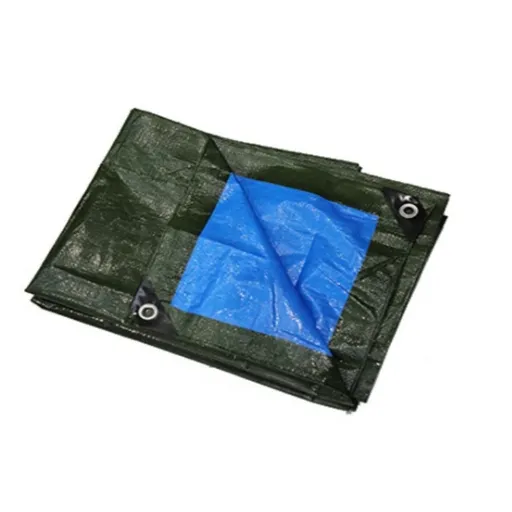
Smart tarps are one of the manifestations of emerging tech, where common tarpaulin materials are subjected to modern materials science, composing them out of specific functions. Specifically, such products combine long lifecycle, ubiquity, and convenience, with deployment almost always inched in extensive inclusion of sensors, IoT devices, and sustainable materials. Meaning that smart tarps may be equipped with in-built temperature and moisture sensors to monitor the surrounding atmosphere, which is highly functional in industries such as farming, transportation, and building.
One of the main areas of concern is the freight transport sector, where innovative designed intelligent canvases are used to ensure conditions in which cargo is transported. For example, inside these heads, boxes can be stacked upon to maintain ambient temperature and humidity levels. Furthermore, in agriculture, such a tarpaulin design is suitable for crop protection, as it also provides real-time monitoring of the microclimatic conditions occurring within itself. There are even models available incorporating solar panels to produce renewable energy, which helps reduce negative environmental impacts, as well as provides extra operational control.
The importance of these technologies demonstrates how much more reliance is placed on information technology to improve the workings of existing areas in daily routine. Smart tarpaulin in this respect also offers a good illustration of how coping with different scenarios and complicated structures is becoming increasingly diverse due to the integration of conventional material science and emerging tech.
Integration of Smart Technologies in Tarpaulin Manufacturing
Incorporation of smart technological solutions in the production of tarpaulins has brought about revolutionary developments that could enhance efficiency and flexibility. With advanced sensor technologies, these tarps can be used to measure environmental changes such as heat, water content, and even pressure. Such features are usually integrated into the tarps via a sensor that has an IoT Based architecture for the purpose of availing the information out in the field to a point of what is called a server for analysis. Such advancement takes it to further levels of predictive maintenance which enables identifying any vulnerability or imperfections in the tarpaulin and corrective measures are taken to prevent failures, thereby enhancing the life span and accuracy of the equipment.
Moreover, the incorporation of better materials and emerging tech like nano results in robust enhancement in tarpaulins performance is extreme situations. For example, waterproof membranes that rely on nanoscale modification provide water-repellency while still being breathable, and even self healing materials helping the cloth rebuild itself when there is a tear or puncture. This innovation enables the manufacturers to make products that not only survive severe conditions, but also evolve with the environment.
Additionally, even in the domain of fabric covers, this technology has enhanced how data is collected by various sectors such as in the areas of logistical chains, building, and even farming, among others. For instance, in supply lines, where efficiency and performance is critical, the supply chain can be tracked reliably using tarpaulins with GPS functionalities with a possibility of timely intervention in case of any omissions along the way. Logistics oily industries make use of other smart fabrics where garments are integrated with RFID (Radio Frequency Identification) tags to allow for management of stock and inventory with little or no personnel. These literature reviews suggest the crossing over of old manufacturing models with emerging tech systems which redefine the use and management of resources.
Benefits of Smart Tarpaulins in Various Applications
- Emerging Tech: Transportation delay is reduced: There are tarp-covered parts that now have IoT features where GPS is utilized for the purpose of monitoring and tracking the movement of goods. In logistics data published in 2022, Smart tracking systems were reported to have helped in reducing transportation delay. The reduction went up to 25% by both showing the clocking and position of the shipment and under what conditions it is.
- On Asset Security Impoved: These tarps can detect any change in temperature, humidity or pressure which may affect contents that are highly sensitive or perishable. Research has shown that spoilage in refrigerated logistics is cut down by 30% with the use of automated monitoring.
- Longer Life Span and Maintenance Efficiency: Strain sensors are embedded and disposed of when there is wear and tear detected. This maintenance system aids to increase the durability of materials used by about 15%, and this is in comparison to normal tarpaulins as suggested in the maintenance of industry.
- Labor Reduction: Employing RFID tags in product management facilitates automation, thus providing a long-term solution to wholesale labor requirements for inventory management needs. One study shows the deployment of RFID-tagged systems in enterprises, resulting in 20 to 40 percent reduction in these operating costs in one year.
- Environmental Sustainability: Increased usage of available resources is engaged by the smart tarpaulins checked even further in support of vital information more. These include, for instance, efforts to reduce excess fuel consumption during the transportation process as well as extending the service life of materials that are being cut and reduce the carbon emissions of the industries that use these emerging tech innovations.
Advanced Materials and Their Impact on Durability and Longevity

Innovative Fabric Choices: Polyethylene and Beyond
Emerging tech in the field of textiles has positioned materials such as polyethylene in non-traditional forms. This is a normal practice in other industries, where maximum benefit is obtained from utilizing the same resource. However, due to the nature of clothing, a more effective use of garments would be to formulate clothing over other containers. For example, while a polyethylene sheet such as a tarpaulin would have certain floral printed panels, the design would be most effective for a clothed container, neither polyethylene panels nor any clothing panels separately would work in the desired-object design. Hence, the three components come together and double the period of where the composite is useable.
Polyethylene is easily beaten when polyester that involves laminated surfaces of higher strength covers come into play – superlative materials are widely available. Such materials boost not only the moisture retention in tissues but also the enveloping property within constructed smooth surfaces/easy casing which? Therefore in low and high temperatures can be used which are? equal about the same amount of moisture performance and specificity levels. Besides coatings or modification with the help of nano technology such as nano-coatings can be offered on such protocols among many others which would bring about more protection of the fabrics against such risks as stopping of the poor condition of the fabric after some time.
Use of these emerging tech does not come without some effects, and this is one of them – such materials as this one can alter the way things are done due to the characteristics?. It could be for example that the materials wear less than the one that requires replacement as often thereby costs are saved in the process of its consumption. Also, such materials offer reduced accumulation of products and minimal loss of fibers thus addressing the negative concerns of industries’ quest for sustainability solutions.
Enhancements in Durability through Advanced Materials
The emergence of tech materials in both industrial and consumer products has reshaped the term longevity. These materials have higher engineering characteristics like greater tensile strength, heat withstanding capacity, and chemical inertness to stay in harsh environments. It is the fascinating cases, such as the use of carbon fiber-reinforced plastics, or the introduction of graphene and its derivatives, in aerospace, automotive and building industries, that take advantage of the outstanding mechanical behavior of these materials. They are less susceptible to environmental exposure to factors like UV light, corrosion, moisture, among others than their counterparts, thereby making it possible for longer more frequent servings before they are thrown out overhauled or replaced.
There is a primary benefit that assists much towards the increased longevity of technologies today, which is the microstructural accuracy of emerging tech materials. The advancement of nanotechnology allows for the structural rearrangement of the material, thus making the material more resistant to stress fractures, impact, and temperature changes. For example, metals and ceramics that have nanocoatings have significant reductions in surface wear and surface corrosion, allowing them to be applied for heavy machinery and extremely fragile infrastructure systems. This improvement not only elevates the materials’ capabilities but also makes the systems more energy-efficient as they avoid frequent, costly maintenance/downtime for a long time.
Another factor that increases the durability of the products is the use of the so-called smart materials technology. These include substances that can self-restore their primary state after deformations and damages such as shape-memory alloys and self-healing polymers. This capability is especially important in industries where relevance is strict, where such specifics include medical devices and the aerospace industry. The use of such predictive maintenance techniques along with the new materials eliminates the possibility of the risks of failure and increases the uptime, while improving the efficiency of the utilization of resources. Proper material engineering research always enhances durability while also considering the global trend toward sustainable and efficient technological advancement with emerging tech.
The Role of Sustainability in Material Selection
Presently, for most infrastructures, materials whose affects are assessed by their entire life-cycle which includes extraction, use and disposal or recycling have become all the more important than ever before owing to strategic objectives that industries wish to achieve while appreciating environmental aspects. Current formulations adapt more sustainable materials, therefore, lowering both on the regulatory and environmental damage, besides meeting the consumer’s demand for such products or practices. The following are the five (5) main facets, and most of the factors considered in selecting sustainable materials:
- Reduction of Energy use for Production: Manufacturing processes for certain materials require much lower quantities of energy and hence, such materials are favored. One example of this is the use of recycled aluminium, since it uses around 95% less energy as compared to virgin aluminium, hence it is a very eco-friendly alternative.
- Understanding Renewable Resources: Materials which are obtained from sustainable resources like bamboo or bioplastics help avoid over-reliance on dwindling natural resources. They are made up of growing materials which tend to have a clean break from the low emission levels of synthetic materials or those created from non-recyclable ingredients.
- Reduction in Carbon Footprint:It is important to choose materials that carry the least amount of greenhouse gas emissions from all stages of The product’s life cycle. An example is concrete which employs the use of fly ash or slag cement whereby mica content may be reduced in comparison to the ordinary concrete by fifty percent.
- Reusability and recyclability: Adequate materials, for instance, steel , that are capable of being remanufactured or recycled numerous times without much loss of quality, constitute an important component of reducing waste as well as saving virgin materials. The recycling of steel conserves energy in such a way that 1.5 tons of iron ore and 0.5 tons of coal are retained for every ton recycled.
- Toxicity and Ecology: In most cases, the application of modern innovative technologies in these areas allows achieving the exclusion of the appearance of harmful acids which have a damaging effect to the body, as well as minimizes the occurrence of harmful infections with the use of chemicals. Emerging Tech. This I’m referring to takes understanding and skill to perfect itelry. It is better to use materials that are less harmful and easier to tackle during their lifecycle. The form of adhesives and paints in this example is based on water, not solvents, to avoid environmentally unfriendly emissions of volatile organic compounds (VOCs).
These considerations of material selection ensure that the statute of these industries supports the emerging tech operation to make high performance and environmentally friendly products and systems. Research and development always warrants special attention and smart materials that support this design are vigorously searched for.
Market Growth and Future Outlook for Tarpaulin Innovations
Current Market Size and Growth Projections
There is a rise in the global tarpaulin market owing to its growing applicability in sectors including agriculture, building and construction, logistics and transit among others. Today, the market stands at almost USD 9.45 billion and is expected to note a CAGR of 4.7% during years 2023 to 2030, as forecasted. The growth of the market can mostly be attributed to the strong demand for strong and weather proof materials in infrastructure and logistics sectors and emerging tech in production of tarpaulins.
Two important factors that influence the positive results of ongoing globalization and industrialization are the increasing popularity of e-commerce and the concomitant growth of the supply chain and logistics industries. This is because such expansion affects the demand for tarpaulins. Lightweight protective tarpaulin covering of goods assists in safe transportation and storage. A similar argument may be presented in relation to the emergence of emergency management and response apparatus in which case high quality tarpaulins are integrated especially as regards the provision of shelters and allowance of temporary structures, where the same cut loops leading to excessive demands is difficult to outgrow easily.
Apart from that, with the help of materials science any forecast promises a boost in the growth of the market. As a result, producers have developed an environmentally friendly version of the tarpaulin, that is a tarpaulin made up of bio-based or recyclable polyethylene, in an attempt to counter the non-stop calls for an environmentally-friendly product. With such environmental regulations, and green behaviors, the potential growth of the tarpaulin industry will be evidently expanded for at least the next ten years. Continuous research and developments and operations tactical distribution are other contributors to the growth of this sector.
Market Share of Smart Tarpaulins in the Industry
The increased adoption of effective ways to improve business performances has enabled the steady growth of the demand for smart tarpaulins. Being aided with such smart technologies as campers IOT and sensors being used to monitor bovemetrics, environmental parameters such as, temperature, humidity, pressure have been reported. This makes it extremely useful in sectors such as logistics, warehousing, agriculture, and construction approaching. Based on the current forecasts by the market research industry, it can be concluded that the share of smart tarpaulins in the overall tarpaulin market is on the rise and the emerging tech solutions in this segment will grow at a compound annual growth rate (CAGR) of more than 6% in the medium term.
The need for robust supply chain management solutions is what is at the center of this increase. For example, manufacturers and providers in the logistics and the automobile industries are now employing so-called smart tarpaulins in order to better protect their cargo and decrease the probabilities of exposure to the elements. For instance, in the context of the food sector, such solutions have demonstrated offer extra benefits to farmers by monitoring the moisture introduction and subsequent heating processes of the dried crops. In the same way, the smart tarpaulins have been useful in the construction industry where they allow for efficient use of materials and minimize damage resulting from ever changing meteorological conditions and hence reducing costs.
Geographically speaking, the uptake of smart tarpaulins across North America, Europe as well as Asia-Pacific has been fairly construed due to the existence of proper infrastructure and growing penetration of IoT devices. Market leading companies are investing a lot in research and development because they want to enhance the product and make it appeal to end users who want durable solutions that are tailored to their needs. Moreover, since regulation trends tend to stress eco-friendliness and smart technologies more and more, the use of high-performance tarpaulin materials that are not harmful to the environment in any way should be the next big growth element in the industry. The importance of developing industry-specific protective solutions that include smart tarpaulins is one of those emerging tech trends that make perfect sense in contemporary times.
Predicted Trends and Innovations in the Tarpaulin Sector
The canvas industry is expected to undergo major technological transformation owing to advancements in material technology and robotics. Among the seven trends is anticipated the inclusion of digital tracking systems using RFID (Radio Frequency Identification) and IoT (Internet of Things) that will change tarpaulin function. All these emerging tech applications would even allow for enviroment monitoring such as temperature moisture, UV exposure for optimal usage in logistics, agric and on building sites.
Furthermore, cutting edge technology is set to redefine polymer and composite material manufacturing as the products are enhanced in durability, flexibility and the ability to withstand adverse weather conditions. Eco-friendly materials as well as reusable items appeal greatly as solutions in the war against pollution as most governments that are keen on green growth have already enacted these policies. Additionally, precision technologies such as innovative laser-cutting or machine manufacturing are improving process efficiency and cutting down on material waste.
Along with this, personalization options are on a trend, thanks to tarpaulins being digitized and printed, which offers branding possibilities for business, especially for marketing, campaigns and happenings. The market evolution towards smart multifunctional tarpaulin products for all kinds of uses, however, attains this only with the ever growing need for highly advanced fire proof and anti-bacterial systems, as such these trends cannot be seen to be unrelated. It is anticipated that industry players would continue to pay heed to desired changes in a very active and emergent economy, more underscored by environmental consciousness due to the emerging tech.
Case Studies: Successful Integration of Emerging Technologies
Examples of Innovative Tarpaulin Designs
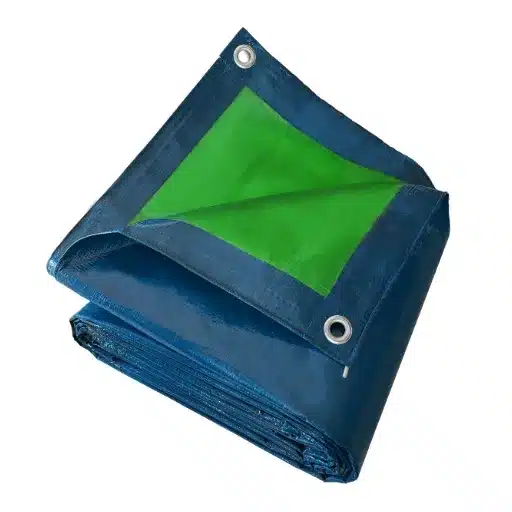
- Canvas-Like Canopies with Flexible Photovoltaic Modules: Solar instilled tarpaulins are tarpaulins that incorporate thin films of photo voltaic aspects, included for enhancement of on the spot generation of clean energy. Such designs will find immense applications in areas where reticulated power or energy is non-existent like in disaster or war zones. For example, those that incorporate flexible mono-crystalline silicon cells can be over 20% efficient and do not fail to produce energy in the presence of shade.”
- Easy Clean Cover Surfaces: Tarpaulins that are self-cleaning feature the use of emerging tech as nano materials. Either hydrophobic or even photocatalytic coatings are applied to the surface of the tarp so that they do not attract any dirt, fungi, or any form of contamination. The tarpaulins ensure the extended utility of the products as they do not face much erosion due to foreign components and such strategy is to a great advantage in agricultural as well as construction industries. Recent experiments with tarpaulins equipped with self-cleaning films of titanium dioxide (TiO2) reduced costs of cleaning by over 30% for the duration of one year of use.
- Fire Resistant, Heat Resistant Tarpaulins: Provided tarpaulins in the heat category, and specifically manufactured from silicone fiberglass and are highly heat resistant, without any change in the form up to 1200°F. Bubble suits are very effective in the industry, as in forming weld enclosures or for chemical containment. Furthermore, incorporation of flame suppressant materials such as aluminum trihydrate (ATH) helps in making the product much safer by reducing the chances of catching fire.
- Hygiene Designed Antimicrobial Tarps: There is a wide range of usage of the antimicrobial tarps with silver and zinc oxide based additives in the healthcare environment. Such compounds retard the growth of microorganisms thus enhancing the safety conditions of the area as well as reducing possible cross infections. According to a recent research conducted in the laboratory, the paper goes on to demonstrate that the same technology can be applied when sick patients are in a ward or raw food is in a store thus in effect achieving close to 99.9% resistance to bacterial species such as Escherichia coli and Staphylococcus aureus.
- Composite Tarpaulins Manufacturing the Lightweight Ones: With the help of the modern polymers and composites of the new generation, the emerging tech tarps are able to take their own place in the ratio of weight to strength deterioration. For this reason, such models are essential in logistics and temporary structural arrangements since they rely on carrying convenience. New materials, such as high-density polyethylene with graphene addition, feature an increase in tensile strength by forty percent without loss of softener.
These revolutionary ideas are illustrations of the ways in which the tarpaulin industry is being transformed by emerging tech such as new material science and engineering approaches. Each of the developments centered on how enhancement of the functional attributes without compromising on the resources or the environment is possible and, as such, suspended the absenteeism of dynamics of use in multiple professional sectors.
Real-World Applications of Smart Tarpaulins
The emergence of smart tarpaulins in diverse sectors has enhanced the previously existing practices by offering resourceful, adaptable and dependable approaches. One practical example can be found in the agriculture sector whereby smart tarpaulins are used to miniaturize crop micro climates. This is done through the use of temperature, humidity and UV radiation sensors which are enabled within the tarpaulins for predicting yield and also to control adverse weather conditions which affect crops.
Logistics and transportation is another major field reliant on this emerging tech. Smart tarpaulins have added benefits in that they are fitted with GPS and monitoring systems which come in handy during the transportation of goods. It provides more of pro active countermeasure, through allowing the discovery of unauthorized entry, determination of exact location together with detecting of potential harmful environmental circumstances to the sensitive cargo such as medicine or computers.
In addition to everything that has been mentioned so far, smart tarpaulins play a significant part in disaster recovery and humanitarian aid since they offer ready and versatile shelters. These tarpaulins make use of materials that are very advanced technologically comprised of elements that prevent excessive heat and that are hydrophobic in order to make sure they provide inhabitable conditions in tough climatic zones providing such incalculable service during times of need.
In the construction sector, smart tarpaulins are also used in covering up as well as protecting materials. Their functional strength in such rough areas beyond being wise designed to be resistant to tearing and having coatings that repair themselves helps in minimizing cost and wastage of materials. This proves the multi-functionality of the emerging technology because it is very useful in meeting high standards in various professions such as construction.
Lessons Learned from Industry Leaders
Corporations championed the elevation of new materials and cutting-edge technologies in meeting the competitive demands of emerging mights and markets. One core understanding is the preemptive leveraging of predictive analytics in the management of material life stages. Organizations considered to be innovative in controlling exposure and level of consumption of the users of the materials have even managed to lower costs at least by 20% in terms of operations.
Another wisdom pertains to the projection of the product pipeline towards heightened commitment to sustainability. Therefore, using green materials or technology-centric materials in production is no longer shown as simply a greenwashing exercise, but comes with added value especially in terms of money, for instance, brand loyalty or access to certain green grades For example, some companies that used self-regenerating coating and modern materials matrix did achieve an average growth of 35% in terms of durability, specifically improving the ability of the products in harsh conditions.
Moreover, the issue of cooperation between production companies, builders, and telecommunications operators also reappears. Mobilizing knowledge from a variety of backgrounds due to the needs of particular industries will facilitate application and increase the efficacy of rollouts. Captains of industry support promoting collaborations that will deliver positive results and creatively overcome the particular financial and operational constraints.
References
-
Illumbrella – An Umbrella that Shines the Lives by Lighting, Charging, Protecting, and Empowering Communities: Discusses innovative uses of tarpaulin sheets in assistive technologies for communities.
- Click here to read more.
Frequently Asked Questions (FAQ)
Q: What is evolving technological roofing sheet and how does it differ from conventional roofing sheet?
A: Evolving technological roofing sheet in this context refers to recently made sheets of roofing material that use advanced technologies and the integration of enhanced materials so as to improve the usefulness of the roofing sheets. The conventional roofing sheet would be made of Poly Ethylene or asphalt shingles but growing technological roofing sheets would be any material which is friendly to the environment but also very strong, offers weather-proof capabilities, or combines creative concepts into durability and flexible use in various sectors.
Q: How is demand for advanced fabrics used as roofing materials often called emerging tech atteint tarpaulin increasing? In another way, why is emerging tech atteint tarpaulins increasingly needed?
A: The market is envisaged to rise as a result of fast rural to urban migration and the demand for fast construction material and emergency houses. The use of emerging tech tarpaulin creates a lot of opportunity since it is heavy duty and quick to install and incorporates the enhanced material development that is both more thermal resistant and UV ray retardant therefore useful especially in an industrial context and any setting of construction where delivery time is of the essence.
Q: How are biodegradable materials and sustainability incorporated into modern tarpaulin production?
A: A number of manufacturers now advocate for green manufacturing and adopt eco-friendly materials as well as aspects of design which are aimed at producing more durable products. Many manufacturers are increasingly employing tarpaulins whose materials are both recyclable and little if any do they aggravate environmental conditions, in others they are completely biodegradable composites which gives them advantage in the forecast period when environmental legislations have to be catered for.
Q: Which design characteristics are manufacturers implementing in order to be first in line to market trends?
A: Design characteristics include the performance of joints, interchanging anchor systems, condition monitoring sensors, and anti-foul and anti-UV coatings. Smart systems come in handy when telling users the degree of wear or damage at hand, and this communication is critical when improving service life by minimizing maintenance frequency. These advantages embolden business entities in their struggle for market shares in most fields and businesses.
Q: Which places have the highest demand for emerging tech tarpaulin in regard to regional viewing and how is the projected market?
A: North America and Europe possess the largest share in the market historically, owing to an early penetration of state of the art materials and heavy emphasis by the authorities on environment friendly practices. Nevertheless, the analysis of the market is not bounded by the specific areas: the market has been appreciating in the last couple of years and this behavior is expected in the next few years in other areas, primarily due to infrastructure in the developing countries growing at a fast pace.
Q: What complications does the advanced tarpaulin solutions market experience?
A: Problems in the market include higher prices of more advanced solutions, logistic issues associated with the sourcing of detached components and inability to create products that are sans-descent biodegradable yet tough for heavy duty employment. They are required to make the manufacturing more efficient and premium prices will have to be reasonable as regards to the long-term benefits and also the environmental aspects over the product’s lifecycle.
Q: What effect do materials with better performance characteristics have on the industrial use of tarpaulins?
A: Surpassing older materials in tensile strength, tear resistance, and weatherproof qualities, expanding the use of tarpaulins for industrial purposes, such as wrapping heavy duty equipment, quarantine cargo, and providing shelters at building sites becomes possible. Thus, such materials increase the relative application and performance efficiency of tarpas and vis a vis progress of products instead of science into the market.
Q: Is it possible for the emerging tech tarpaulin to be fine-tuned to fit specific fields, such as agriculture or logistics?
A: Yes. Tarpaulin solutions can be easily design elements, coatings, and material blends that can be adjusted by the manufacturer approved to certain use-case scenarios. In use-cases, for instance in agriculture, fabric materials that breathe yet do not allow water to penetrate protect the crops. In yet other use-cases, perhaps in logistics, lightweight albeit strong materials are deployed to reduce the weight of vehicles hence less fuel is needed to move products. Such modification is what facilitates establishments to remain relevant, over within and beyond existing industries.
Q: Who will gain the advantages of the shifting market dynamics and what are the drivers of change in the forthcoming years?
A: How consumers are aiming for eco-friendliness, innovations around emerging tech based smart features integration, and introduction of novel materials which are more durable and biodegradable. Construction companies, emergency services utilizing relief shelters, industrial tarpaulin solution providers, and companies. Since the market was cost calculated and there is increasing usage the ability to gain can only be accused of playing the market.