

The Advantages of Laminated Fabric in Cold Environments
When it comes to harsh cold environments, such as the tundra, the choice of material could be the difference between safely covered and dangerously exposed. Cold-weather clothing has been revolutionized due to laminated fabrics that give out the most exceptional protection because of their unique construction that has scientists and manufacturers consider their advances. Such fabrics are made to resist very harsh conditions and combine the qualities of strength, insulation, and water resistance to give a perfect combination for people who love outdoors, working outdoors, or exploring.
In this comprehensive guide, the advantages of laminated fabric will be discussed and explained, providing you with an understanding of why it is a common material when developing clothing and equipment used in cold environments. Whether you intend to set out for a rigorous adventure or need an extra source of warmth as the winter approaches, you must consider the use of such fabrics as there are numerous benefits in them.
Understanding Laminated Fabric
Definition and Composition of Laminated Fabric
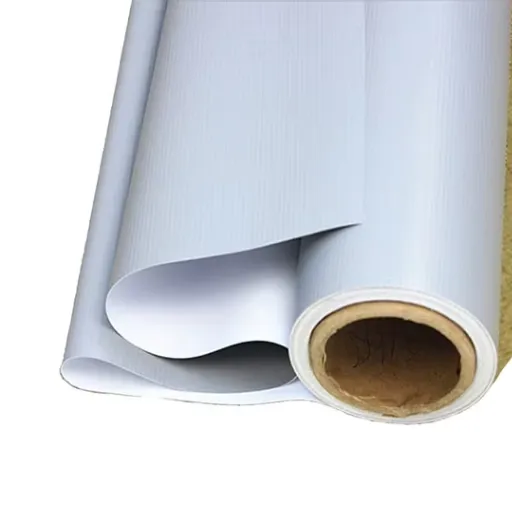
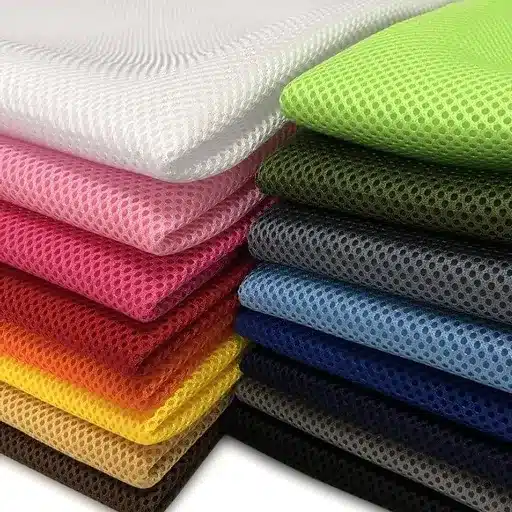
Laminated material is a composite created by bonding a textile to one or more layers of supporting film or membrane. Such process leads to improved functionality of the fabric being employed for some specific uses. The layers in a laminated fabric usually have a base fabric such as nylon or polyester and a coating layer which is usually polyurethane (PU) or polytetrafluoroethylene (PTFE). These combinations improve the fabric in terms of durability, complimented with flexibility and environmental tolerance.
Key Construction Types
- Three-Layer Laminate: Features an outer face fabric, an impermeable or permeable film, and an inside middle layer for greater comfort and warmth
- Two-Layer Laminate: More basic construction used in relatively light-duty applications
- Bonded Membrane: Prevents water and wind penetration while allowing air ventilation
The main features of laminated fabric include water resistance, wind proofing and breathability. This bonded membrane prevents water and wind penetrating the surface thus easing the working conditions, especially in extreme weather changes. Whereas the breathable ability to permit air helps in the excretion of moisture in a vaporized form which prevents inconvenient sweating. All these materials fuse in a good concept of developing high-performance clothing and equipment for outdoor activities in rainy seasons or cold storage environments.
Benefits of Using Laminated Fabric in Cold Environments
Enhanced Heat Barrier Capabilities
Incorporating the aspect of layering, laminated fabrics have been tailored with precision to arrest heat loss and consequently, promote warmth. These capabilities enable balanced warmth and comfort, as well as reducing hypothermia cases experienced within extremely cold or winter seasons.
Thermal Resistance: 2.5 R-Value
Strong Waterproof Protection
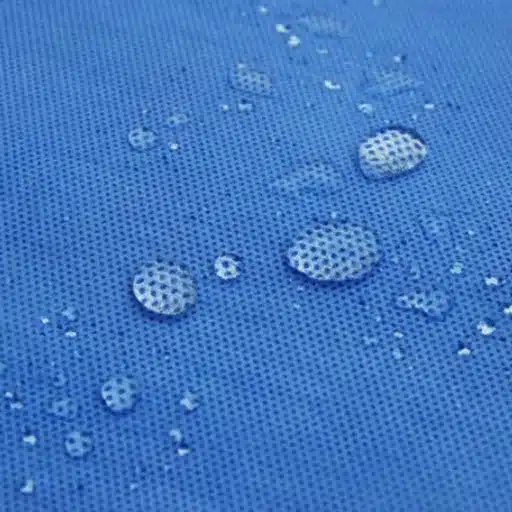
Waterproof characteristics of laminated fabric do not allow penetration of external water such as rain or snow into the material. Owing to the fact that laminates come with an in-built hydrostatic pressure rating, such material is comfortable to be used in wet environments for long durations.
Rating: Over 10,000mm
Superior Wind Resistance
The attached membrane construction helps prevent body heat loss through convection especially when winds are blowing strong. This factor comes in handy, especially in harsh conditions where wind speeds are high.
Wind Permeability: ~0 CFM
Optimal Breathability
The construction of the laminated fabrics makes them water and wind proof, yet allows the vapor produced due to activity to pass through. This level of breathability prevents inevitable sweating and provides the wearer with comfort for long periods of time.
Beyond 20,000 g/m²/day
Exceptional Durability
Laminated fabrics are the technology’s response to wear and tear. They are fabrics that resist abrasion and tearing in hostile usage. Many such textiles comply with or exceed ISO 12947 Martindale abrasion resistance test standards.
Over 50,000 Cycles
Performance Specifications at a Glance
| Performance Metric | Specification | Benefit |
|---|---|---|
| Thermal Resistance | 2.5 R-Value | Reduces hypothermia risk |
| Waterproof Rating | Over 10,000mm | Extended wet environment use |
| Wind Permeability | ~0 CFM | Complete wind blocking |
| Breathability | 20,000+ g/m²/day | Prevents moisture buildup |
| Abrasion Resistance | 50,000+ Cycles | Heavy-duty performance |
Applications of Laminated Fabric
Outdoor Gear and Apparel
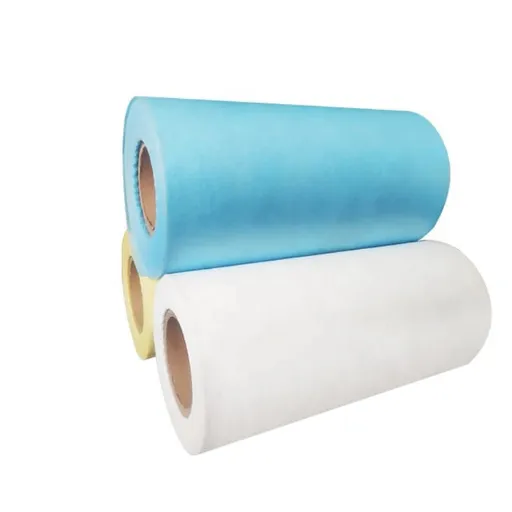
Laminated fabrics in the designing and manufacture of outdoor equipment and clothing have broad application because of their high performance, water impermeability and breathing properties. Such properties are especially useful for all functional objects, wherever harsh elements and conditions are to be encountered.
- Waterproof Jackets and Trousers
Breathable laminated fabrics incorporate modern membranes (such as ePTFE) able to supply water-repellent qualities to clothing while allowing water vapor to escape. In some types of jackets with 3-layer laminates, the water resistance measures may be well beyond 20,000mm water column.
- Bags and Luggage
The application of textile laminates is common in the manufacture of bags and luggage, particularly in ultra-heavy demand sections. These fabrics come in varieties including polyurethane and TPU laminates, maintaining significant tensile strength to prevent tearing while carrying weight or in extreme weather conditions.
- Tents and Outdoor Covers
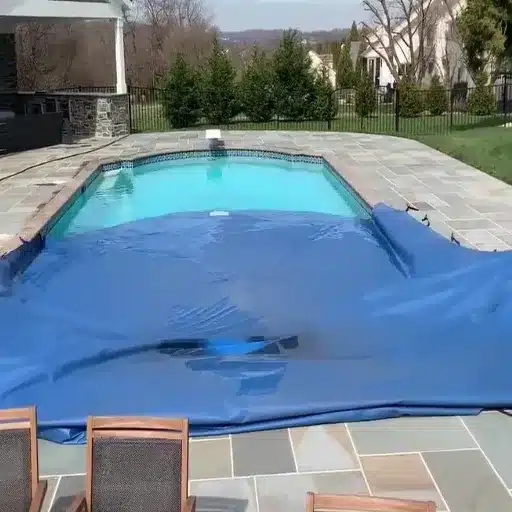
Laminated fabric is used in tents as a protective layer against harsh climate. Due to their design, such composites feature UV protection as well as more than 10,000mm water column materials, ensuring wear is kept intact even during extended exposure to sunlight or rain.
- Footwear
Shoes used for outdoor purposes, such as hiking boots, benefit from enhanced water tightness and air circulation through laminated layers. Premium Gore-Tex type inner layers are water-proof tested as well as air permeable tested for more exertion-based applications.
- Gloves and Mittens
In gloves, the use of laminated fabrics achieves proper insulative and water-repelling abilities. Laminates used in winter gloves maintain dexterity, allowing them to be useful in snow or wind conditions necessary during skiing, skating or cold weather activities.
Home Décor and Upholstery
The growing popularity of laminated fabrics in the home embellishment and upholstery sectors is explained by practicality, aesthetics and efficiency. With the ability to withstand dirt, liquids and abrasions, such material is acknowledged in both residential and commercial settings.
Upholstery
Extensively employed in sofas, couches, chairs, and ottomans due to high efficacy in preventing spills and easy cleaning. Coatings add protection to furniture in high traffic areas.
Blinds and Curtains
Important in energy-saving drapes and blackout curtains. Layering with light laminations provides heat insulation, reducing energy consumption by more than 25%.
Table Linens
Tablecloths and placemats in laminated types are extremely useful for preventing liquid absorption and staining. They present patterns that are bright and beautiful while maintaining functionality.
Wall Coverings
Vinyl-coated fabrics employed as enhanced wall coverings in business areas. They endure long, resist scratches, and possess wide variety of designs and textures.
Outdoor Furniture
Excellent for outdoor furniture cushions since they resist ultraviolet light, fungus and water, maintaining durability and aesthetics despite extreme weather conditions.
Industrial Uses of Laminated Fabric
Laminated fabrics find extensive applications in various industrial sectors because of their strength, resiliency and protection from environmental effects.
Commercial Vehicles
Components inside vehicles such as seats, doors and headliner materials are manufactured using laminated fabric. They withstand forces generated during use such as friction and heat and are easily cleaned.
Market Growth: CAGR of 5.2% from 2021 to 2027 in global automotive market
Medical and Biomedical Devices
In surgical environments, these materials are applied to make clinician garments, hospital linen, and covers for various equipment such as beds and operating tables. Prevention strategies for containing liquids and keeping regions clean are critical.
Market Value: Approximately $1.3 billion in 2022, increasing due to health and safety standards
Protective Apparel
Laminated fabrics being chemical, heat, and water resistant are employed in making personal protective gear, hazmat suits, gloves, and firefighter clothing. PTFE and PU lamination commonly provides improved protection and enhanced durability.
Aviation Engineering
Aviation is one of the most rapidly growing sectors. Laminated fabrics are used in aviation engineering for ground power units in different parts of aviation. FAA certification is carried out for most components prior to installation and after completion of work.
Construction and Agriculture
In these industries, laminated materials find great use for roofing, tarpaulins, greenhouse tops, and various other constructions. They provide shielding from heat, UV light, winds, and water, keeping structural or functional elements strong and functional for longer.
Working with Laminated Fabric for Your Projects
Best Practices for Cutting Laminated Fabric
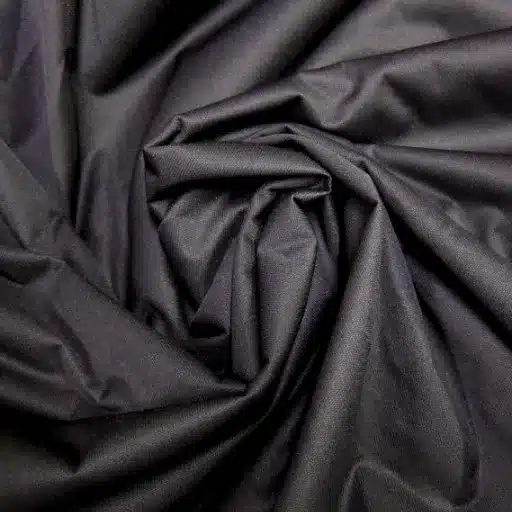
Every procedure in cutting laminated fabrics should be adhered to strictly because errors in the process damage the material properties that the fabric possesses.
Essential Cutting Guidelines
1
Use Sharp, Proper Tools
Never use anything but sharp and properly maintained cutting tools such as fabric tailor’s scissors or rotary cutters to prevent fraying or jagged edges.
2
Utilize Pattern Weights
Use pattern weights to enhance clear vision and better seam line accuracy. This prevents the need for pins that may leave permanent marks on laminated textiles.
3
Control Heat and Moisture
Allow the material to sit in the environment where you plan to cut it for some time before doing so, avoiding any risk of curling or distortion due to rapid temperature fluctuations.
4
Use Appropriate Cutting Surface
A cutting mat is very important to avoid damaging the surface during cuts and to stop the fabric from slipping during the cutting process.
Tips for Sewing and Finishing Laminated Fabric
It is important to use proper sewing techniques when sewing laminated fabric in order to ensure the fabric does not unravel while maintaining a neat and tidy seam.
▸ Needle Selection
Use sharp needles such as flat-nose needle or nonstick needle to eliminate pierce marks or tears caused by the material’s distinctive surface.
▸ Thread Choice
Choose heavy polyester or nylon threading, as these are strong, resilient and do not absorb moisture, making them appropriate for use on laminated fabric.
▸ Presser Foot Adjustment
Alter the presser foot pressure in your sewing machine to avoid material pulling. A Teflon foot or walking foot is recommended for easier feed of fabric layers.
▸ Stitch Length Setting
Adjust to a longer stitch length, normally about 3-4mm, to minimize perforation of the material which may compromise the water resistant and preserving function.
▸ Testing Protocol
Always begin working on a test piece before transitioning to the actual article. Testing helps ensure all functional and aesthetic requirements are met.
Using Iron and Tape with Laminated Fabric
The chief challenge when dealing with laminated materials is ensuring that the fabric is not compromised in any way. It requires extra caution when ironing since too much heat may alter or destroy the layer of laminate.
Ironing Safety
- Use the lowest setting on the iron or set it to synthetic
- Place a protective covering between the iron and fabric (pressing cloth or felt cloth)
- This prevents direct contact with the iron and avoids heat damage
Heat-Activated Tape Application
- Allows hemming without sewing or pastes
- Correct spillover before first pressing
- Apply moderate pressure evenly for only a few seconds
- Avoid excessive heat and extended periods to prevent adhesive deterioration
Caring for Laminated Fabric
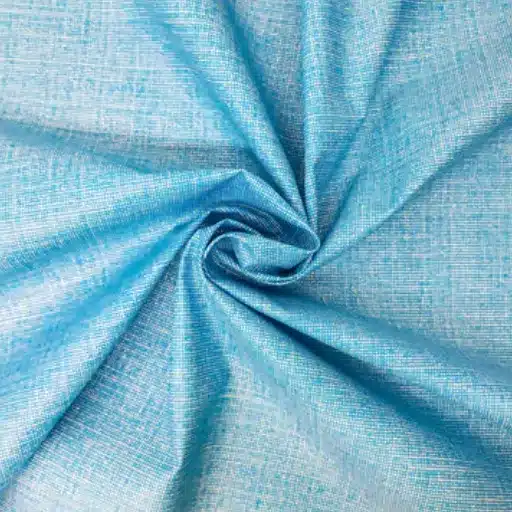
Washing and Drying Guidelines
✓ Washing Instructions
- Preferably hand-wash to avoid stress or damage
- Use warm water and mild detergents (no harsh solvents or bleach)
- Avoid excessive scrubbing to prevent delamination
- If machine washing: cold water, gentle cycle, protective laundry bag
✓ Drying Protocol
- Never use a dryer (heat can damage laminate)
- Air dry in well-ventilated area
- Avoid direct sunlight (prevents color fading)
- Lay flat on clean towel if no hanging space available
For optimal care, laminated fabrics must be routinely inspected for any signs of wear and tear. Spot cleaning with a damp cloth and small amounts of soap water is effective for minor soiling. Avoid dry cleaning unless clearly stated on the manufacturer’s label, as many dry-cleaning chemicals can destroy the laminate.
Storage Recommendations for Longevity
Pre-Storage Preparation
Ensure materials are completely clean and dry before storage. Any remaining water will cause growth of mold and mildew, resulting in destruction of the laminate.
Environment Control
Store in cool, dry places not exposed to direct sunlight or heat. Continuous exposure to extreme temperatures can lead to discoloration or tearing of the laminate.
Positioning Method
When possible, store fabric rolled rather than folded. Folds create tension especially in folded areas that can compromise lamination. Use storage tubes or hangers to prevent excessive weight bearing on fabric.
Protective Covering
Wrap in acid-free paper or ventilated plastic bags to avoid dust collection while providing airflow.
Avoid Hazards
Never store where contact with chemicals, oils, or sharp objects may occur. Chemical fumes and oils can stain or corrode laminates, while sharp objects can break the material.
Repairing Damaged Laminated Fabric
A laminated fabric should be restored with great precision in its repair and the use of relevant equipment to ensure its continued efficacy.
Step 1: Surface Preparation
Clean the affected surface area well to eliminate any dirt, debris, or grease that will prevent adhesion. Use fabric cleaner or general soap solution and ensure the surface is totally dried before proceeding.
Step 2: Adhesive Selection
Use a suitable adhesive specially formulated for laminates. Epoxy or polyurethane adhesives are suggested because they form very strong adhesive bonds and don’t damage under external forces.
Step 3: Patch Application (for significant damage)
Cut a piece of laminated fabric that overlaps all four sides beyond the borders of the tear by at least ½ inch. Apply pressure evenly during placement and curing to avoid bubbles and achieve seamless bonding.
Step 4: Post-Repair Inspection
Periodic inspections after repairs are essential to ensure the work withstands intended conditions. If there are indications of material starting to disengage, urgent action may be required to halt further damage.
Frequently Asked Questions
What makes laminated cotton fabric special from regular cotton fabric?
Laminated fabric is made of multiple layers of textile material which include the application of a thin layer of film such as polyurethane or vinyl on top of an underlying fabric. This produces a fabric that will not absorb water as easily, can last longer, and is easy to clean compared to basic cotton. Unlike regular cotton fabric, the laminated one will repel liquid and will be usable for situations where the finished product needs to remain non-porous to moisture.
Should laminated cotton be used for rainwear and outerwear?
Yes, laminated cotton is quite popular in making rainwear and outerwear. The addition of a cotton layer makes it more breathable and prevents body heat from causing discomfort. When buying rainwear, ensure the laminate has required flexibility and strength, as lamination may be of vinyl or polyurethane.
Is it possible to sew laminated fabric at home?
Yes, it is possible to sew laminated fabric at home. However, certain precautions need to be taken such as use of sharp needles meant for bulky apparel, keeping in mind how long a pin sits on the fabric since some fabrics tend to leave visible holes when the pin stays too long, or using clips in place of pins where necessary.
What different laminates are available and is vinyl one of them?
Vinyl, polyurethane (PU), and polyethylene films are the most commonly used laminates. Vinyl is considered one of the most popular laminated fabrics for making upholstery, bags, and rain garments because it is quite durable, easy to maintain and usually cheaper. In contrast, PU laminates may not have the same drawback of reduced air permeability or rigidity as vinyl.
Where is it possible to buy laminated fabric?
Laminated fabric can be purchased at fabric stores, specialized textile stores, and online suppliers. When purchasing, ensure the product is clearly described regarding the specific base material (e.g., cotton fabric or laminated cotton), type of laminate (e.g., vinyl or PU), water-proofing levels, handling instructions, and recommended areas for the finished item.
How can I extend the service life of laminated fabric?
Follow washing instructions on labels, use cold water and mild detergents, avoid high-temperature tumble drying, and store in flat-hanging or rolled position. Ensure the adhesive is adhering to edges and seams, especially for rainwear. Repair peeling as soon as possible to avoid damage to the ultimate object.
Are there environmentally friendly characteristics in laminated fabrics?
Environmental effects vary based on the laminate in question. PVC vinyl has notable drawbacks due to high environmental impact. Nevertheless, polyurethane and specific water-based laminates made today make efforts to reduce such implications. Recycling of laminated fabric is cumbersome because it requires dismantling layers, so try to find recyclable options or dispose of material by taking worn clothes to facilities which offer textile recycling.
Can laminated fabric be used for home projects?
Of course—laminated fabric is excellent for indoor projects such as tablecloths, placemats and lightweight upholstery since it has a water-resistant surface which makes it easy to clean. For upholstering, look for a laminate that is more tough and rugged, including possible seam finishes and edgings for products that will be worn out frequently.
What should I consider regarding breathability for wearables?
Breathability depends greatly on the type of laminate and attachment method. Laminated cotton with porous PU film is more accommodating because thick vinyl laminates are less comfortable as they retain warmth and humidity. When purchasing jackets or rainwear, consider breathable or moisture-wicking laminated fabric for enhanced comfort while maintaining water resistance.
References
-
University of Nebraska-Lincoln Digital Commons: Discusses laminated fabrics, including their composition and applications.
-
North Carolina State University Libraries: Provides insights into sewing techniques and preparation for bonded and laminated fabrics.
-
Arizona State University Engineering Faculty: Explores fabric-reinforced, cement-based laminated materials and their tensile strength.
-
South Dakota State University Open PRAIRIE: Examines foam-backed laminated fabrics and their characteristics.
-
National Institute of Standards and Technology (NIST): Investigates the fire-blocking performance of laminated barrier fabrics.
Ready to Experience Advanced Fabric Technology?
Laminated fabrics represent the pinnacle of modern textile engineering, combining superior protection, durability, and comfort for demanding cold-weather applications. Whether you’re preparing for outdoor adventures or seeking reliable performance gear, understanding these advanced materials will help you make informed choices for your specific needs.