
Choosing the Best Fabric for Inflatables: PVC vs. TPU
While creating any kind of inflatables, a core and fundamental factor is the choice of fabric as it determines for how long, how well and at what cost the inflatable will last. PVC, or Polyvinyl Chloride and the polymer known as TPU, are two preferred fabrics in manfucaturing of inflatables in the industry with both sides providing emplatic pros and cons. No matter if it is inflatable boat, bounce house or air bed that is ‘inflatable’ it is crucial to know the main distinctions between both of these fabrics in order to take an appropriate decision. In the following sections, the understanding of these fabrics namely PVC and TPU will be analysed side by side in a bid to help you answer the question of which fabric will be suitable for perforance and application you require.
Introduction to Inflatable Fabrics
Overview of Inflatables and Their Uses
Numerous sectors have embraced the use of inflatable products, thanks to their multi-functionality, ease of movement, and practical use. Frequent use of these products may be represented by leisure products such as air castles, wet play structures and floating loungers or in simple means back rest bed, inflatable cabin or rescue boats. The use of light and adaptable material helps in making these products compact and easy to carry even though the performance assures durability once used.
Fabric for Inflatables or airborne objects – mainly/mostly Polyvinyl Chloride (PVC) and/or Thermoplastic Polyurethane (TPU) – provides most of the features as well as the features the manufactured products are usually known for. Polyvinyl Chloride is notably used worldwide because it has the advantage of being relatively inexpensive, easy to produce and cytoplasmic against extreme conditions such as water and UV rays. While in case of the introduction of thermoplastic polyurethane, consideration of superior flexibility, resistance towards wear and tear and light weight are all points in its favor for the reason that they are used in different demand enhancement in which higher performance and reliability or durability is preferred.
A fabric that can expand with air could be inflated to provide more than just fun or support in an emergency situation. These timelines, in order to increase their effectiveness in use, are also plastic inflatable seals, and in many cases are also hardwired inflatables, intended for why is exploring the effects of deflation onboard rockets and within planes as they are compact when brought. Such variety in applications highlights the criticality of identifying the right fabric for a particular function, taking into account many different elements, including the durability of the fabric, its soft and flexible nature, its cost, and the surroundings.
Importance of Choosing the Right Fabric
The right type of material plays a huge role in determining whether the inflatable systems will work or not and for how long in various purposes. Fabrics differ in many ways, and such differences make them best suited for certain environments and applications. For example, the compact and durable polyester or nylon-based material and coatings of polyurethane or silicone are preferred having the fair aims or even bias orientation, any design or coating to protect their surface in regards to its wear, use and temperature, would not FIT the given criteria. These design and decorative intention are carefully performed to fit the high contour of fictitious stress and the real stress that the product will undergo.
Depending on the purpose of use of fabric for inflatables, durability is a significant determinant of the fabric that can be used, since durability affects the overall usefulness of an inflatable item. If the product is going to be used for a number of years and exposed to harsh aspects of the environment, any such fabric used must be chemical resistant and UV protective. In particular, coated aramid fabrics are highly effective in respect of survival use – tarpaulins and tents given their fine performance in self-extinguishing and having high tensile strength – whereas PVC coated fabrics are those needed especially if there is a greater call for cost-saving rain gears.
Moreover, the surrounding conditions within which the inflatable is used is an important consideration in the selection of materials. Fabrics, especially those designed for aerospace purposes or diving, are put under extreme pressure and low temperature conditions which demand the use of quite advanced composites and/or elastomer-coated fabrics. On the other hand, inflatables that find use in medical field or food industry have to observe hygienic precautions such as FDA substances or the inclusion of bactericidal agents. Using the correct Fabric for Inflatables is not only about being able to use the fabric in the inflatable, it is also about a form of marketing strategy that promotes the inflatable as a dependably functional one for the particular purpose that it is meant for.
Overview of PVC and TPU Materials
Polyvinyl chloride (PVC) and thermoplastic polyurethane (TPU) are two of the most commonly used materials in the manufacture of inflatable products, each offering distinct advantages based on application requirements. PVC is a cost-effective, durable material widely used for its excellent resistance to water, chemicals, and UV light. It has a sturdy structure, which makes it suitable for applications requiring rigidity, like inflatable boats or industrial storage tanks. However, its rigidity also means it is less flexible and more prone to cracking under extreme stress or at low temperatures compared to TPU.
On the other hand, TPU is highly regarded for its superior elasticity, abrasion resistance, and overall flexibility. Unlike PVC, TPU performs exceptionally well in low-temperature environments and can endure repeated stress without degradation. These properties make TPU an ideal choice for products requiring high precision and durability, such as medical-grade inflatables, wearables, or aerodynamic structures. Furthermore, TPU is often preferred for its environmentally friendly composition, as it is free of harmful plasticizers typically found in PVC.
The choice between PVC and TPU ultimately depends on the specific application and performance requirements. While PVC excels in providing a robust and low-cost solution for general-purpose inflatables, TPU is preferred in scenarios where flexibility, resilience, and environmental considerations are paramount. By understanding the properties and limitations of both materials, manufacturers can make informed decisions to ensure optimal performance and longevity of the inflatable products.
Types of Fabrics for Inflatables

PVC Inflatable Fabric
A set of advantages makes the PVC (Polyvinyl Chloride) dough fabrics popular as it is inexpensive, long service and ideally solves the issue for many reasons. Such a material is based on a woven polyester impregnated with PVC that adds value in terms of reinforcement and resistance. This robust fabric is light weight yet is able to resist a lot of physical abuse making it a material of the highest choice for production of jumps, slides and promo spheres. PVC expands but remains firm, and thus, the shapes that are inflated with such a fabric withstand stress and deformation without deformation or loss of functionality for a considerable period of time, if handled appropriately.
One very important feature of fabric or material that can eventually be used for purpose of production of PVC inflatables is the resistance to water. The coating on the PV tends to one of the best to cover and such that water cannot slip into the textile covering. Thankfully, this very trade is enhanced by ultraviolet – hardness when such material is made to suit outdoors activities which usually leads to putting in the sunlight and moisture. It is also possible to manufacture PVC fabrics with appropriate modifiers such that they become flame retardant, cold resistant as well as do not get electrostatically charged; this trash is possible since its application varies amongst froplasts. This makes it possible for the fabric to be used in difficult environments striking a balance between excitant and functional.
Despite all the benefits of using PVC for inflatable items, there still exists an environmental consideration that comes with such products. Environmental issues bellied in and entailed in the use of this material begin with the manufacturing of PVC and not as it is biodegradable to do away with, it releases chemicals which are harmful once disposed of through incineration. Many are working to develop new, eco friendly solutions, such as phthalate free PVC or waste management programs. PVC however, has its shortcomings, is the easiness and cheapness of use in inflatables which make it hard to make it optional. PVC is one of the proven materials that provides an optimal solution for different purposes while at the same time allowing human creativity to develop new processes that are in compliance with the modern sustainability requirements.
TPU Inflatable Fabric
The use of thermoplastic polyurethane (TPU) in inflatable fabric applications has become more prominent in recent times as compared to conventional materials. TPU has been appreciated for the vast range of excellent attributes, especially its high strength, flexibility and ‘green’ properties which makes it a perfect material across various industrial sectors including sports equipment development and medicine. This is because, even where PVC is used deliberately, the composition does not include added plasticizers which are detrimental to health and therefore the environment in any way but has great tolerance to chafing, tearing and high/low temperatures.
In terms of the material technological assignments, TPU enables the development of inflatable fabric which is lightweight but difficult to destroy, because it is able to stretch without breaking. TPU fabrics with coating can bear even heavy stresses and therefore making suitable Factory of Fabric for Inflatables with hyper performance such as rafts for lifesaving, medical devices which have air or even military activities. Also, TPU is appreciated up for its hydrolysation, up for UV that is sun radiation, up for microorganisms meaning that any climate of any duration can be accommodated.
Implementation of novel ideas to facilitate expansion of the existing polymers has meant that more flexible TPU coated fabrics are now available. Creating seams with inlays for further processing has become easier. There are more types of thicknesses and surface finish including different textures used, making it possible to design many different function tailoring the solution to the need. Together with other considerations, less harm has been shown to be caused by using TPU (by implication). This development provides another indication why TPU is said to be here to stay as a more reliable fabric for inflatables especially.
Comparison of PVC and TPU Fabrics
|
Key Point |
PVC |
TPU |
|---|---|---|
|
Cost |
Low |
High |
|
Durability |
Moderate |
High |
|
Flexibility |
Low |
High |
|
Weight |
Heavy |
Light |
|
Abrasion |
Moderate |
High |
|
UV Resistance |
Moderate |
High |
|
Eco-Friendliness |
Low |
High |
|
Applications |
General-purpose |
High-performance |
Durability and Performance
Understanding Durability in Inflatable Fabrics
Fabric for Inflatables determines performance, durability, Classifications of in terms of fabric and other factors. Classification affects fabric as in PVC (polyvinyl chloride) and TPU (thermoplastic polyurethane), both of which do their specific role. PVC Fabric for Inflatables are not too costly, making them appropriate for usage with low applications however long the requirement may prevail. In contrast, TPU Fabrics enable great resistant capacities to abrasive wear, stretchability andthin sheets and japenenese ultra-high elasticity., making them best forperformance or uses requiring high intense operational loads.
There are certain external factors – sunlight, temperature range, moisture content and sometimes even shear forces – that determine the length of service of any kind of Fabric for Inflatables. In the case of a fabric coated with TPU, anti-UV property of the material is very high, this is possible due to the characteristics of the material in general and particular due to the properties of the polymer used, it does not degrade very fast. Ergo, due to its light weight and high flexibility, TPU bends or stretches more easily and does not break as easily (unlike PVC that is more rigid).
The differences that stand out more than any other are tests of the ability of maintenance over a certain period of time where unlike PVC, protection and utility are still assured in cases of inflated and deflated cycles tests for TPU based fabrics, this is years after manufacturing. There is no doubt that these two factors above help that TPU is utilized where the application expects increased service life under harsh conditions even though it is more expensive to begin with.
By evaluating all the variables outlined above, the constructor will be able to decide which material will work best for the fabrication of the required inflatable and subsequently how long it will look like a good quality inflatable.
Waterproof Properties of PVC and TPU
Both the two materials: Polyvinyl Chloride (commonly known as gutta percha or in its short form PVC) and Thermoplastic Polyurethane (or TPU) have very good waterproofing properties that come in handy in many areas where waterproof materials are needed. The outside layer of PVC is a thin plastic layer made from polyvinyl chloride a high-density plastic that does not allow the liquid to pass through. Most waterproofing that is used is adequate for such things, regular interior raincoats, inflatable water toys, covers and so on. The waterproof properties of such cover may be lost after it is used for long periods of time in ‘harsh’ environments i.e. ‘at high temperatures’ or ‘in excessive sunlight’ due to ‘wear and tear’ on the surface of the material.
On the flip side of the coin, these benefits of TPU are also a result of its flexible polymer matrix and high elasticity, making it more hydrophobic than PVC. The structural integrity of TPU is maintained even after a prolonged period of use and in a relatively more adverse environment, such as dynamic stretching or immersion for prolonged periods, which is different compared to PVC. In addition, the amazing property of TPU is the resistance to bacteria and fungi, which is one of the most important boxes to tick in terms of waterproofing for long period. It has been shown in laboratory tests that even after stretching or exposure to extreme conditions, which tends to destroy the material, TPU retains these water-resistant properties, and therefore is more durable in high-stress applications such as in outerwear, medical equipment, or high-performance sporting equipment.
PVC is known to be an economical alternative for waterproofing needs in the simpler uses, however, TPU remains the material of choice whenever high strength and harsh environmental conditions come into play. This highlights the importance of choosing the right supplements in any industry, which places emphasis on water seals and also on the durability of the product(s).
Tensile Strength and Resistance to Wear
TPU is appreciated for its ability to bear tensile forces or the amount of force required to break a material because it helps the material to resist breaking when pulled or stretched. Tpu has a higher tensile strength when compared to PVC, something that limits its use in areas subjected to excessive forces or stress for a lengthy period of time. TPU has high resistance to wear and tear, which makes it suitable for the production of materials which are exposed to repeated movements, friction or aggressive environments.
TPU, for example, has elastomer characteristics that make its shape solid and flexible at the same time despite the changes in temperatures and/or pressures. This is in particular, for some TPU materials as tests have displayed breaking tensile strength in a range of 3000-6000 psi while extending with percentages up to 500 depending on the grade. Furthermore, one important characteristic of using TPU is the cut, puncture and tear resistant property of the material thus suitable for industrial applications like hoses, belting and coating.
PVC is a more affordable option, but at the same time it is less strong, and also does not have such resistance to tear and wear as the PVC fabrics above. Being a material easily prone to cracking or tearing under high mechanical loads or in extreme climate conditions, its use in productive operations (especially long-time) is restricted. Yet, PVC also stands as a possible solution in cases of limited financial resources where mechanical loads are less, as explained above. This review traces back to the data of the technical issues such as the deterioration of the woven geotextile due to excessive loading and wear of the material assistance in the selection of the fabric for inflatables.
Airtight Fabrics for Inflatables

Importance of Airtightness in Inflatable Design
The engineering and production of inflatable structures emphasizes on beadiness because it considerably affects their performance, durability and safety. Key function of air impermeable materials in terms of inflation technology is to avoid leakage of gas and preserve functional integrity of inflatables for a longer period of time. Absence of insulation will cause pinching leading to decrease in pressure which shall deform structure, reduce load carrying capacity or complete destruction of the inflatable system.
Assessing or controlling the tightness levels of the fabric involves key parameters such as permeability levels in terms of gas transmission rates (GTR) system and pressure holding characteristics under standard conditions. For example, impregnated polyurethane composite fabric for inflatables has considerably higher air tightness properties with the permeability of 1-2 cubic centimeters to square meter per day at the maximum applicable pressure. Such materials provide enhanced durability and relatively higher resistance towards environmental factors like moisture, heat, complete tension and others when compared to traditional PVC materials.
Additionally, it ought to be noted that certain domains cannot function effectively without airtight properties. An example of the said domains includes inflatable equipment used for safety purposes (for instance, life rafts as well as emergency shelters), as well as industrial purposes (e.g., air mechanics or air halls). Pressurization problems are curbed in activities where high leakage free materials are used, results in reduced frequency of reserve utilization to the iniquitous activities, such as sport, does not suffer from stripping, thus enhancing the usage in competition environment. At all cost, especially a cost required to establish adequate compression in container function, special effects are achieved in various advanced compression parameter control methodologies including such stages as testing of container by pressure decay and helium leak and other volatiles containment ability.
Advanced understanding and application of innovative materials and film manipulation techniques have a huge potential in improving inflation devices, hence, airtightness implications on their design and utilization.
Testing Airtightness in Inflatable Fabrics
By the nature of design, testing of aerated structures and coatings must be methodic since any slight leaks instantly compromise fitness for functionality and most of all… safety. Pressure decay testing, perhaps the most popular technique owing to its advantages is also applicable in assessing the airtightness of inflated objects. It involves closing,pressurizing the object to a certain value and then checking before and after the ‘inflation level has been reached, whether or not the high pressure has decayed. The absence of the pressure decay within the mentioned limits would mean that the material is indeed air-tight. It’s currently in use and accepted owing to its advantage of being easy, very efficient and able to be used in just about any custom shape or size of inflatable items.
One more option in this line of tools is helium leak test, which is very sensitive to tiny leakages. The use of helium can be explained by the fact that, in other mechanisms, it is a tiny inert molecule which is capable of going through even minute defects in the material or joints. The items are then inflated with the helium gas, and the leaked gas is measured with a mass spectrometer. Space inflatables, critical medical equipment or other high end products, are some of the applications where extra measure of this type of method works very well and where the consequences of the failure an be very serious. In such instances, it is helium leak detection that serves to track all the defects, and these are corrected in time before the inflatables are used.
As critical as the choice of fabric is to the quality of the finished product, the choice of seams matters as well, and thanks to technological progress, testing skills are also growing. The latest coatings which mostly used are either TPU (thermoplastic polyurethane) or PVC (Polyvinyl Chloride) as they enhance barrier properties and therefore reduce the possibility of gas diffusion. Additional techniques used in sealing, radio frequency (RF) welding or hot air welding, are used for many seams as they provide accurate and permanently fixed sands. Integration of these testing techniques with fabrication techniques further ensures that such inflatable products do not fail even in the harshest of conditions.
Common Use Cases for Inflatable Fabrics
Inflatable Boats and their Fabric Requirements
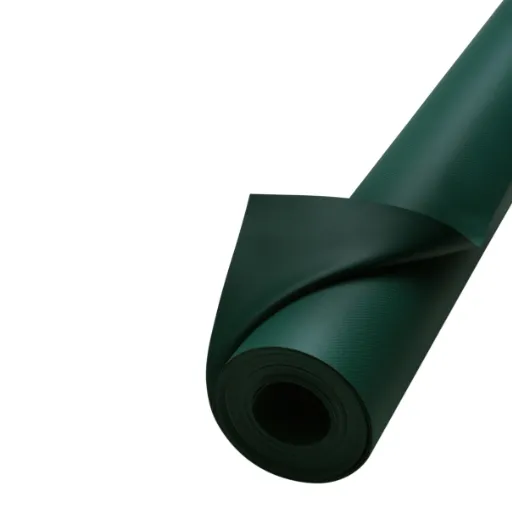
Diversified production of inflatable boats varies from inflatable boats designed for minimal use to sophisticated units employed in response teams, the military or marine scientists engaged in research activities. When considering the fabrics that go into making inflatable boats, it is indeed critical that all relevant operational aspects (environmental, structural, all safety aspects) are considered. It is such exceptional qualities as those inherent in Hypalon (CSM), as well as other PVC-based fabrics, that continue to play their role in the industry’s fabric for inflatables. That is because such materials display resistance to a wide range of issues: abrasions, ultraviolet rays, interacting with salt water or very high or very low temperatures, which are necessary for long-lasting usage within water activities.
Fabric for Inflatables are recommended to be reinforced with levels of polymer coatings for additional strength and puncture protection. Nowadays, textile engineering has gone far enough to design materials that have a high tensile woven base, where tensile strength is enhanced but flexibility is kept. Apart from this, the thickness of the fabric and its ability to adhere to the coating was optimized to improve performance and ease of transport to come up with light but solid constructions which can take high levels of internal air pressures.
Climatic conditions play a colossal role in the material choice for structures. For instance, Chlorosulphonated Polyethylene Synthetics is effective in tropical regions as it is more weather-resistant, while PVC-coated material costs less and is easily repairable. On the other hand, various seam joining methods like thermowelding or gluing are imperative for creating compressed chambers without air-leakage, due to usually impressive endurance to seam opening under intense loading and dynamic conditions. In a similar way, all the enhancements in fabric as well as in fabrication and assembly processes ensure that the inflatable boats adhere to the multiple layers of international regulations on safety such as ISO 6185 for inflatables, ensuring their performance in different applications.
Inflatable Camping Gear and Accessories
Camping has been revolutionized by Inflatable gears and accessories. Inferable camping gear answers 2 distinct problems at the same time: How compact is the gear, and does it require a great deal of concentration unnecessarily? Engineers have been able to come up with some new light verions of the equipments without compromising strength. This includes notably inflatables sleeping pads, mattresses, and also pillows most of which are meant for outdoor use, supporting the body and insulating against the bone chilling and irregular ground surfaces. In addition to this, you can have chairs among other furniture, such as loungers, which would provide a more pleasant experience especially when widow or tents would be used for long periods of time. Fabric for Inflatables has enabled great development in designing inflatables for outdoor use. The technology with air-tight cloth, lamination of polyurethane and air exit connectors at the seam allowances maximize the efficiency of the products by enhancing their abilities so that they withstand harsh environments without having to alter its mechanical structure.
One major benefit of inflatable camping equipment is its versatility due to its nature as mobile. Once deflated, the equipment becomes a small portion of its active structure and thus can be rolled or folded to fit in a small space – the storage issues of backpacks and camping automobiles is therefore eliminated. Mobility is even better with air inflation and deflation techniques such as air valves which are built into the items or power inlets for fast inflation, which make assembling the items unnecessary. Currently, there are some advanced designs which eliminate the need for external pump designs making use of open cell foam, which is air infused, thus causing spontaneous inflation. For anyone who likes hiking or cycling such enhancements are quite handy when speed overcomes the need to arrange camping equipment.
While it was not the norm several years ago, as a result of how the technology has evolved, inflatables are now accessories – solar shower, lanterns with an inflatable diffuser, waterproof storage bag etc. These are usability-safety hybrids that not only aim to help but offer a twist to the camping activities. One of them is an inflatable solar shower which is easily packed for storage and when in use allows water to heat quicker and as such, making it easy for people to bathe nearby where there is no reported civilization. In this case, inflatable lanterns with a diffuser have designed so as to provide or make basic flotation purposes or ghost lighting possible in emergencies. When the newest trends for camping involve not having unnecessary materials but simple sustainable items, these inflatables work gloriously as many of them are multi-functional with emphasis given to sustainability and energy conservation.
References
-
Air-Able: Fabrication and Experiments of Effervescent Fabric Chamber Inflation
This study explores the design and experimentation of inflatable fabric air chambers, focusing on their structural and material properties. -
Challenges in Design & Development of Envelope Materials for Inflatable Systems
This research addresses the challenges in developing materials for inflatable systems, including radomes and other advanced applications.
Frequently Asked Questions (FAQ)
Q: Which material would be suitable for making inflatables and what is the importance of this ‘Fabric for Inflatables’?
A: Popularly used as a fabric for inflatables are materials such as coated polyester, PVC-laminated textiles, and ripstop nylon; and the correct PVC inflatable fabric or heavy-duty PVC tarpaulin impacts the durability and waterproofing, tear and tensile strengths, and the most appropriate application for each type of inflatable such as inflatable tents, inf lating boats and rafts, or big inflatable advertising structures.
Q: How does PVC coated, and PVC lamination fabric, compare to nylon when it comes to inflatables?
A: PVC coatings and PVC lamination fabrics, in comparison to nylon, have long-lasting waterproof surfaces, are more resistant to external conditions, and are in many cases of substantial weight for high-pressure usage; however, nylon, especially ripstop nylon, is a lightweight material with fairly good tear and tensile properties and is often used in the production of portable water sports gear and inflatable life jackets where less weight and ease of transportation and use are required.
Q: What are the essential features required in fabric rolls used to make inflatables which would be subject to such stress and require extreme durability?
A: For materials that will be under pressure or under high stress conditions, look for high denier woven fabric having strong polyester base fabric, heavy duty PVC or PVC tarpaulin, gunis with extra strengthening of pams and ripstop construction, and test out the tensile strength and tear strength measurements to ensure that they are appropriate for inflatables in the form of large barriers, docks, or inflatable structures that can be inflated to a high internal pressure.
Q: Is it possible to make fabric that is used on inflatables to suit every specific application of the inflatable?
A: Sure. Many manufacturers offer customization options for Fabric for Inflatables and custom made inflatables can come in many shapes, colors, coated in PVC, with welded seams, reinforced at stress points, to a certain denier, and coated with eco-friendly materials for depending on the application including but not limited to inflatable tents, inflatable boats or PVC ceiling film.
Q: What are the questions that I should direct towards a source of fabric for inflatables?
A: Find out from them what fabric sourcing solutions clients get from them — fabric roll availability, fabric denier and base polyester fabric specifications (PVC laminated or coated polyester), tensile and tearing strength test standards, waterproofing PVC capabilities, environmental forces lability, timelines for bespoke inflation production, and availability for green solutions for all inflatables.
Q: Is it acceptable to use PVC inflatable fabric for water-related sports or docking facilities?
A: Absolutely, waterproof PVC and sturdy PVC heavy duty fabrics that’s sometimes used in the industrial applications is common for materials used in manufacturing water sports equipment, inflatable boat and rafts, inflatable docks and other structures as they offer not only excellent waterproof capability but also extreme durability and UV and saltwater resistance that also allow for easy inflation, transportation and storage.
Q. In what ways does the perception of weave density or denier affect the perception of weight and handles with which a certain product can be carried, specifically an inflatable one?
A: Operations mainly fabricate durable products for examples inflatables with higher denier and greater the weigh of the material, but most times these are heavy to carry whereas a lightweight denier material such as rip stop nylon will be perfect for reducing the weight of the article whilst the more professional use will require better-strength coatings or reinforcements.
Q: Is there any consideration that needs to be made for a long-lasting inflatables what such fabric is made from?
A: Pick materials that do not wear quickly under the elements (ultraviolet rays, fungi, salt). Explore responsible options of poly(vinyl chloride), coated fabrics or polyester when binding and furnishing. Clean the surfaces of the item and dry it before storing it in case dirt and water are present. Punctures should be filled in immediately using the proper PVC or patching aids in case of harm. Heavy-duty or reinforced fabrics should be adapted to purposes of use because they are susceptible to wear and tear as well as extreme internal pressure due to prolonged use. Fabric for Inflatables if it is too thick would not be ideal for lasting use inside pressure exposed containments.