
PVC Compounding: Material Formulation & Additives Guide
Without a doubt, Polyvinyl Chloride (PVC) is among the very few modern-day polymers that possess the capability of being created in an endless variety and with countless customization alternatives. The process of PVC compounding is what guarantees this flexibility at its best, enabling the manufacturers to adjust the properties of the material according to the needs of the industrial and consumer markets, spreading widely. But what are the factors that contribute to the adaptability of PVC? The answer is its formulation and the clever employment of additives. This guide will take you to the heart of the art and science of PVC compounding by examining how various additives, such as stabilizers, plasticizers, and fillers, can increase performance, longevity, and practicality. Whether you are an experienced professional or a novice exploring the field of material sciences, this complete dissection will furnish you with a sturdy groundwork for comprehending how PVC is altered to meet the requirements of various applications. Get ready as we reveal the key elements and methods that make PVC compounding successful.
Understanding PVC and Its Properties
Polyvinyl Chloride (PVC) is one of the most versatile synthetic polymers, which is not only durable but also adaptable in terms of price and quality. Its primary property is rigidity, but it can be easily modified to become more flexible or acquire specific properties by adding additives such as plasticizers or stabilizers. PVC is resistant to moisture, chemicals, and UV exposure, and therefore it is used in construction, healthcare, automotive, and packaging sectors. Thermal stability and flame-retardant properties are also provided to PVC so that it can be used in a broader area.
What is PVC and its Industrial Applications
Polyvinyl Chloride (PVC) is among the most flexible and widely used synthetic polymers, produced either from the polymerization of vinyl chloride monomers or by mixing natural gas, petroleum, and salt. PVC is known for its long life, tameness, and economic factors; thus, it has become a prime material in many industries. Moreover, PVC exhibits intrinsic properties of resistance to corrosion, moisture, and chemicals; besides that, stabilizers are added to improve heat tolerance and flexibility, making it the kingpin in modern manufacturing and construction.
PVC is still being used in many applications along with the latest advancements and innovations in the industry. The construction industry is the biggest buyer because of the use of PVC in drainpipes, window frames, flooring, and insulation, which are all light yet tough. The medical field also trusts PVC because it uses it for blood bags, tubes, and gloves that are sterile and non-toxic; hence, the demand for PVC is ever-increasing. In addition to this, many car manufacturers are producing interiors, sockets, and seals that are not affected by the weather since they are made of PVC. The packing industry is using PVC for both food-safe containers and shrink-wraps, as its quality and strength are on par with those of glass and metals. The PVC material is still evolving due to sustainability innovations; for instance, enhanced recyclability and the development of bio-based PVC are some of the ways in which the material is kept abreast with environmentally-friendly practices and at the same time feeding industrial growth.
Properties of PVC for Tarpaulin Manufacturing
The properties of PVC are abundant and they make it suitable for making tarpaulins. They are robust and yet resistant to ripping, thus their peak performance is guaranteed even in harsh weather. Their ability to prevent water leakage makes them a good choice for protecting goods and surfaces from water. Another characteristic of PVC tarpaulins is that they are resistant to UV rays thus they will not lose performance or color even when being used in the sun for long. They have a high strength-to-weight ratio which means they are not hard to carry and move. Also, they can be made more useful regarding the industries to which they are applied by having PVC tarpaulins that can be coated or treated for their features like fire resistance or anti-fungal properties.
Types of PVC Used in Tarpaulin Production
PVC tarpaulins are made using various types of PVC materials, each one designed to meet a particular specification. The coated and laminated PVC are the two major categories.
Coated PVC
In this method, the PVC is applied onto a cloth base. Coated PVC tarpaulins are very suitable for heavy-duty situations because they are strong, impervious to water, and hard to tear. Examples of applications in this category include truck coverings, industrial areas, and large tent rentals.
Laminated PVC
Laminated PVC is produced by placing a layer of PVC films on the fabric base and then thermal bonding. Though laminated PVC is usually less thick and cheap, it is still appropriate for medium-duty to light-duty applications like banners, advertising materials, and short-term protective coverings.
Both kinds of PVC have their own merits which can be applied to various industries, thus ensuring that there is flexibility and efficiency in relation to the intended use.
PVC Compound Formulation
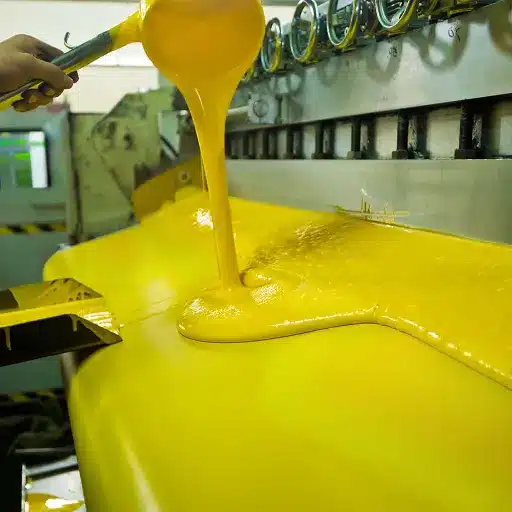
The entire process of PVC compound formulation consists mainly of blending the polyvinyl chloride resin with additives chosen explicitly for the desired properties of the finished product. The formulation will mostly contain the plasticizer, the PVC supplier, and the pigment. The exact formulation is determined by requirements such as hardness, weatherability, and flame resistance, thus satisfying the demands of the application for which the compound will be used.
Essential Components of PVC Compounds
- Polyvinyl Chloride (PVC) Resin
The Chief Material creates the compound’s primary attributes, like hardness and power.
- Plasticizers
The company is producing a very soft material that can be used in various applications, such as cables or flooring, to facilitate processing.
- Stabilizers
Along with other things, they also increase the heat resistance and the life expectancy of the product, thus ensuring that the compound can withstand both processing and usage for a long time.
- Fillers
Their contribution is multifaceted; they help with the mechanical properties, lower the overall cost of material and sometimes even the finished product and functionalities like improving the surface finish.
- Pigments
They are used mainly to give the compound a color for either aesthetic or functional purposes.
The selection of each component is done very carefully depending on the specific properties and the final application of the PVC compound.
Role of Fillers in PVC Formulation
Fillers are indeed an essential part of PVC compounds, and their presence is evident both in the cost estimation of the materials and in their performance. To begin with, the fillers primarily enhance the mechanical properties of the product, including tensile strength, stiffness, and dimensional stability. The most common fillers used are calcium carbonate, talc, and silica; each is chosen based on the specific properties required for the end product. Fillers can also help to make the handling of PVC compounds easier in the sense that they contribute to molding or shaping of the product at the manufacturing stage. Apart from improving the mechanics of the product, some fillers might also be responsible for providing characteristics such as heat insulation, flame retardancy, or surface finish, making the material suitable for that specialized application. The fillers, when used strategically, help the PVC formulations keep up the performance, efficiency, and economic goals at the same time.
Custom PVC: Tailoring Formulations for Specific Applications
The custom PVC formulation employs a range of additives and modifiers to satisfy the particular requirements of different industries. In the medical application, for instance, PVC can be made more plasticisers friendly to that the tubing and blood bags production is possible. On the other hand, in construction, rigid PVC blends are made stable by using stabilizers and fillers, so that their durability, weather resistance, and hence their longevity in the uses of piping or window profiles is assured. By making slight alterations in the components, manufacturers are able to produce PVC according to its specific mechanical strength, resistance to chemicals or aesthetic needs, which is the strength of this material to face diverse industrial challenges in different ways.
Additives in PVC Compounding
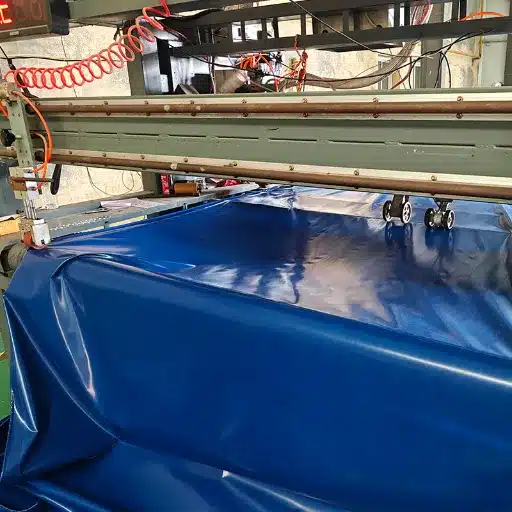
Additives are one of the most critical components of the PVC compounding process as they improve the performance, durability, and processing characteristics of the material. Among the many different types of additives used, the most common ones are plasticizers for flexibility, stabilizers to enhance thermal stability, fillers for both strength and cost efficiency, and pigments for coloring. In addition, lubricants are employed to simplify processing and impact modifiers to increase toughness. When the proper additives are chosen and mixed, PVC can be customized to exact application needs in different sectors.
Types of Additives Used in PVC Compounds
The main types of additives used in PVC compounds include plasticizers, stabilizers, fillers, pigments, lubricants, and impact modifiers.
Note: This table is responsive and will adapt to different screen sizes for optimal viewing on both desktop and mobile devices.
The Function of Stabilizers in PVC Compounds
Stabilizers are indispensable in determining both the processing and the end performance of PVC compounds during their long lives. Mainly, they serve to protect PVC against heat and UV radiation, which are the primary foes, during both the manufacturing process and the lifecycle of the product. The heat stabilizers are responsible for counteracting the thermal degradation of PVC by eliminating the hydrogen chloride, which is released during processing, thus preventing discoloration, loss of mechanical properties or brittleness. UV stabilizers, on the contrary, protect the finished PVC from the sun light by cutting down on the risk of fading and deterioration gradually. Besides, stabilizers also help in the production of uniform colors and hold the material to its intended properties. Thus, they are critical for PVC to penetrate the significant sectors of construction and packaging. Also, by customizing the selection of stabilizers to the specific applications, the performance and lifespan of the PVC products are considerably improved.
Processing Aids and Their Importance
Processing aids are heavily involved in the processing of PVC resins and end products. The primary use of the additives is to improve the processability of PVC through more flow of melt, lower processing temperatures, and less defects in extrusion or molding. Among the most used processing aids, acrylic-based ones are the most common, as they not only provide good surface finish but also good mechanical properties of the PVC. Thus, by ensuring the entire production process is smooth and quality is consistent, processing aids significantly contribute to the efficiency of manufacturing processes and the durability of final products. The selection was made with respect to specific applications to ensure compatibility with the desired outcomes in the construction, automotive, and packaging industries.
The PVC Compounding Process
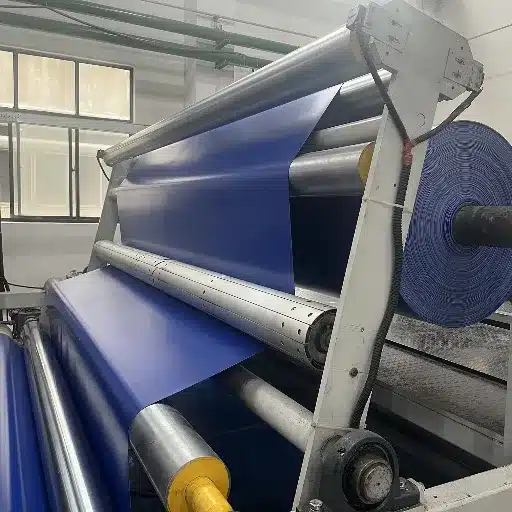
The PVC compounding process is the method of combining polyvinyl chloride (PVC) resin with certain additives in order to get specific properties suitable for that application. This means adding stabilizers, plasticizers, fillers, lubricants and processing aids, which in return give the material more durability, flexibility and better overall performance. Then, the mixture goes through high-intensity mixing and melt processing like extrusion or calendaring to achieve uniformity and consistency in the final product. This process is essential for supplying PVC materials that are fit for different uses in the construction, automotive and packaging industries among others.
Overview of the PVC Production Process
The manufacturing process of PVC can be broadly classified into three stages:
First Stage – Polymerization
It is the formation of polyvinyl chloride (PVC) through the chemical reaction of vinyl chloride monomers (VCM). Generally, the process is carried out using one of the methods including suspension, emulsion, or bulk polymerization, where suspension polymerization is predominant among them.
Second Stage – Additive Incorporation
The PVC is then mixed with additives such as stabilizers, plasticizers, and fillers, which have been previously combined with the resin. The purpose of these additives is to tailor the physical and chemical characteristics of PVC depending on its application.
Third Stage – Shaping and Processing
The last step consists of top-notch quality PVC mixture being processed through extrusion, injection molding, or calendaring. The output of this step is finished products like pipes, cable insulation, or packaging materials.
This practical and efficient production process is responsible for supplying high-quality and versatile PVC materials to the entire industrial and consumer markets.
Different Compounding Methods for PVC
PVC compounding is a method that involves mixing PVC resin with various additives to ensure the end product has all the necessary properties for its intended use. The most popular techniques for PVC compounding are:
Dry Blending
In this technique, the focus is on adding the additives to the PVC resin in powder form. This method is applicable for rigid PVC products, in which the compound is heated and melted during the manufacturing process.
Melt Compounding
In this case, the PVC resin and the additives are melted together and thoroughly mixed in the twin-screw extruders. The Melt Compounding method guarantees the complete and even distribution of the additives, making it the right choice for producing flexible PVC products such as cables and films.
Solution Compounding
This is when the PVC and the additives are dissolved in a solvent, which results in a uniform mixture. This method is usually adopted for coatings or any other specialized application that requires an excellent dispersion of additives.
Suspension Compounding
This is when the PVC resin and the additives are suspended in liquid, allowing for homogeneous mixing before the solvent or water is removed. This method gives one more control over the properties of the material.
The selection of a method is based on the required end-use properties of the PVC product, thus ensuring its use in different industries. Ongoing technology improvements keep on refining these processes, thus ultimatums efficiency and product quality.
Extrusion Techniques in PVC Processing
Extrusion is one of the most critical steps in the production of PVC, and it consists of the continuous molding of the PVC material through a die. The operation starts with the addition of the necessary additives to the PVC resin and pumping these into the extruder where the material is heated and mixed. The product then goes through a formed die to create a continuous profile, which can be anything from pipes to sheets or window frames. This method is not only efficient but also versatile, allowing manufacturers to produce PVC products of good quality that meet specific requirements. The development of extrusion technology has provided better temperature control, increased output rates, and more accurate handling, thus making it one of the most common methods in different industries.
Performance Characteristics of PVC Tarpaulin
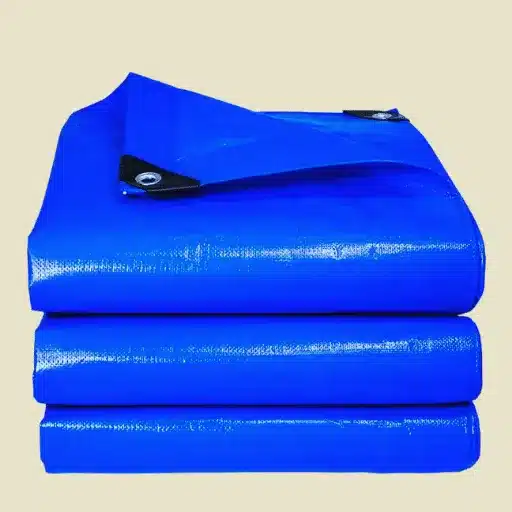
PVC tarpaulin is often viewed as a king among different materials due to its unsurpassed durability, water resistance, and multi-purpose usage. The material is also soft, light, and strong. Furthermore, it is easy to handle and often treated for fire retardant and anti-mildew properties making materials more resistant to harsh environmental and heavy rain conditions. The ability of the fabric to be made according to the buyer’s requirements concerning; size, color, and thickness; has broadened its range of applications to cover construction, transportation, and agriculture amongst others.
UV Resistance in PVC Tarpaulins
PVC tarpaulins are made with the feature of UV resistance which is one of the main selling points, and so customers do not need to worry about replacing their goods with new ones due to fading or depreciation after the first few years. This feature of the fabric comes from the use of UV stabilizers in the making of the fabric which helps in protecting it from losing its strength and flexibility due to the rays of the sun. In the end, the tarps get to be long-lasting and gain all these qualities at the same time, thus making them best suited for outdoor application for the long term. Moreover, the UV-resistant nature of the material also protects against any cracks that may form, fading, and weakening, which gives assurance of the performance to be reliable under the blazing sun.
Adhesion Properties and Their Importance
Adhesive properties have been during the whole time a key factor of the performance and reliability of PVC tarpaulins. Such properties tell that the different layers in the thickness of the material, such as the fabric base and the PVC coating, are tightly bound together. Strong bonding results in the overall material becoming stronger, and it also prevents delamination, which is an essential contribution to the material’s resistance against natural factors. Furthermore, the intense bonding guarantees that any coatings or gluing used in sealing or mending the tarpaulins will last, thus maintaining the product’s integrity even in harsh conditions. High adhesion is very crucial in determining the durability and performance of PVC tarpaulins in various industrial applications.
Custom PVC Solutions for Diverse Applications
PVC tarpaulins are incredibly flexible and can be tailor-made to suit the different specifications of the various industries. These materials provide courts for the specific needs of other sectors, from agriculture to construction, logistics, and event management. For instance, PVC tarpaulins are used in agriculture to cover crops and shield them from bad weather, while in construction they act as scaffold covers and dust barriers. Logistics similarly relies on PVC tarpaulins to create durable truck covers that keep goods safe and sound in transit. Thanks to material technology advancements, PVC tarpaulins are now available with features such as UV resistance, anti-microbial properties, and fire retardation, making them effective in the most demanding applications. Their flexibility further emphasizes that they are vital in enhancing efficiency and reliability across different sectors.
Reference Sources
- PVC Compound Manufacturing Process Step by Step Guide
This guide provides an overview of the PVC compounding process, including the mixing of raw PVC resin with various additives.
- PVC Compounding with Diagrams and Formulations
A detailed document listing applications and recommended additives for PVC formulations.
- PVC Compounds: Properties and Applications
This source discusses the addition of stabilizers, fillers, plasticizers, and other additives to PVC resin to achieve desired material properties.
- Westlake Global Compounds
A resource for PVC compounds used in various applications, including automotive and wire and cable industries.
- PMC Vinyl Additives
Offers a comprehensive portfolio of vinyl additives, including stabilizers and metallic stearates, for PVC and CPVC processing.
Frequently Asked Questions (FAQs)
What is PVC and its significance in the construction industry?
Polyvinyl chloride, or PVC, is rigid, cheap, chemically resistant, and suitable for various applications, making it one of the most prominent thermoplastics in the construction industry. It occupies a critical role in building projects, commonly made in pipes, fittings, or siding.
How does the formulation of PVC compounds affect their mechanical properties?
Basing the formulation of PVC compounds on the selections of additives and fillers affects the mechanical traits of the compounds significantly. Manufacturers can control the parameters and limit PVC production according to the application.
What is the function of plasticizers in PVC compounding?
Plasticizers are the main PVC compounding additives that increase the flexibility and processability of the material. They bring down the viscosity of the polymer which makes it easier to extrusion and molding, thus coming up with flexible PVC which can be used in every possible application.
What are the types of PVC and how do they differ?
There are mainly three types of PVC, which are, rigid PVC, flexible PVC, and unplasticized PVC. Rigid PVC is classically the go-to for pipes and building materials, while flexible PVC is a good choice for electrical cables and flooring. Each type comes with its characteristics and thus its applications.
How do processing conditions affect the properties of PVC compounds?
The processing conditions, which include temperature, pressure, and shear rate, are the determining factors in the properties of the final PVC compounds. The best control of the conditions assures the optimal performance and uniformity of the end product.
How do fillers impact the formulation of PVC compounds?
Fillers that are put into the PVC compounds can positively affect the strength and the price of the material, among the factors that are usually targeted. The relevant filler characteristics, such as the size as well as the size of the granule, can have a very pronounced effect on the properties of the final product.