

Extrusion Coating: Continuous Production Process Guide
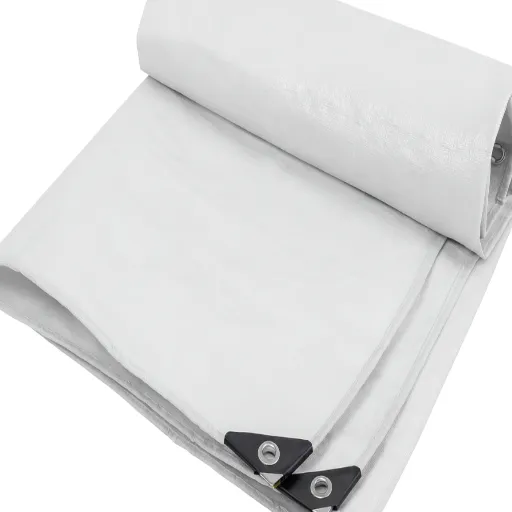
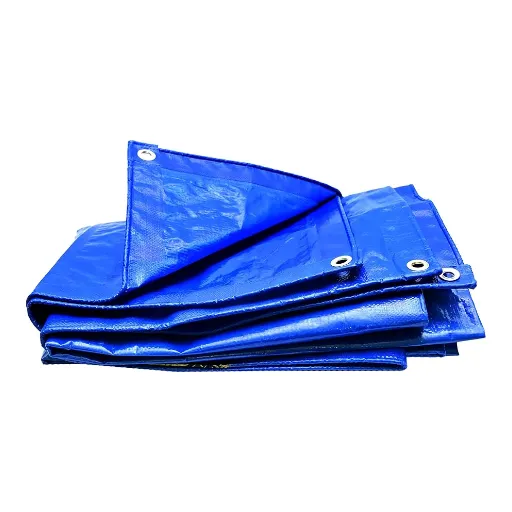
The extrusion coating process has gained prominence as the most efficient manufacturing method for producing durable, reliable tarpaulin materials. The production line operates continuously at very high efficiency, producing tarpaulin sheets with the right mix of strength, flexibility, and weather resistance. Therefore, the sheets are widely used across sectors such as construction, agriculture, and logistics. This guide closely examines the extrusion coating process, detailing the steps involved, the key advantages of the method, and why it is essential for the production of high-quality tarpaulin goods. Seasoned industry professionals and newcomers alike will find this post full of insights about how this cutting-edge method is influencing the tarpaulin production landscape.
Understanding the Extrusion Coating Process for Tarpaulins

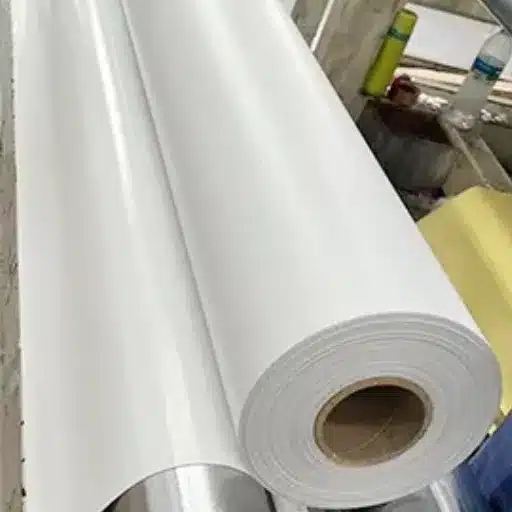
Extrusion coating is a technique used to cover a non-coated or very low-coated surface, e.g., fabric, with a plastic layer to improve its durability, resistance to the elements, and user-friendliness. In the case of tarpaulins, the process starts with a thermoplastic material, usually polyethylene, in liquid form, which is extruded to form a thin, uniform layer. After that, the layer is applied to the substrate under controlled heat and pressure, ensuring strong adhesion. The coated material is then cooled, trimmed, and rolled for further processing or use. This technique is essential for manufacturing tarpaulins that withstand extremely harsh environmental conditions, making them well-suited for the construction, agriculture, and transportation industries.
Overview of the Coating Process
The application of a protective polymer layer, such as polyethylene or PVC, to strong fabric substrates, such as polyester or canvas, is the usual coating process for tarpaulins. The application is done using modern methods such as knife coating, hot-melt coating, or lamination. The end product is a long-lasting, water- and weather-resistant material that meets the requirements of specific industries. The coating thickness, adhesion strength, and heat resistance are among the main parameters strictly monitored during coating to achieve a high-performing product across different environments. This process is essential for the manufacture of dependable tarpaulins used in various industries.
Key Materials in Extrusion Coating
Extrusion coating has different materials that are commonly used to impart their properties in the final product:
- Polyethylene (PE): An extremely flexible, moisture-resistant and super easy to process material, thus used a lot. LDPE (Low-Density Polyethylene) and HDPE (High-Density Polyethylene) are the variants developed to meet specific needs.
- Polypropylene (PP) is used in applications that require durability and rigidity, thanks to its higher temperature resistance and strength.
- EVA (ethylene-vinyl acetate): Its ability to enhance adhesion and toughness makes it suitable for applications that require flexibility and impact resistance.
- Polyesters (PET): A very tough material that is used in places where clarity, chemical resistance, and heat resistance are the main requirements.
Note: The selection of each material is based on the functional needs of the coated product thus making it suitable for its application through optimal performance.
Steps Involved in the Extrusion Process for Tarpaulins
- Preparation of Raw Materials: The fabrication process begins with selecting polymers with suitable properties, such as LDPE, EVA, or PET, and preparing them according to the tumbled’s nomenclature properties.
- Melting and Extrusion: The selected polymers are blended and then introduced in an extruder for melting and mixing under high temperature and pressure, respectively. Following this, the liquid polymer is forced through a die with a flat opening, creating a thin, continuous sheet of uniform dimensions.
- Lamination: The layer of resin forming the sheet is adhered to a polyester base fabric substrate, improving the tarpaulin’s resistance and longevity.
- Cooling: The composite material is cooled and rolled to harden the layers and achieve a uniform texture and color.
- Trimming and Sizing: The borders of the sheet are cut off and the tarpaulin is made to the exact size necessary according to how it is going to be utilized.
- Inspection and Packing: The tarpaulins that are ready for use are checked for quality faults, then packed and shipped to customers, helping ensure adherence to performance standards.
Importance of Tarpaulin in Various Industries
Tarpaulin is of great importance across a variety of fields due to its long-lasting, multifunctional, and weatherproof properties. The agricultural sector is the primary area of tarpaulin use, where it is used to cover animals and plants. In the construction industry, tarpaulin is used to protect the materials and equipment from rain, hail, or snow. The transportation industry also uses tarpaulins to cover goods so they don’t get wet or dirty. Furthermore, tarpaulins are widely used in humanitarian aid, providing not only shelter but also protection from rain and sun. Their durability, in fact, makes them very important for safety and efficiency in different applications.
Applications of Tarpaulin in Agriculture
Tarpaulins are extremely important in agriculture as they protect crops, animals, and tools in various ways. One of the primary purposes of tarpaulins is to keep harvested crops covered and safe from the damaging effects of rain, sun, and wind, so that, in the end, the quality of the produce is still good. Tarpaulins are also used to build temporary animal shelters, thus safeguarding the animals from extreme weather conditions. They can also act as ground covers, preventing soil erosion and reducing weed numbers, therefore making farming practices more effective and sustainable.
Construction Industry Uses of Tarpaulin
Tarpaulins are indispensable in the construction sector for their ability to meet various on-site needs in a versatile, reliable way. They are typically used as protective covers for a range of construction materials, such as wood, concrete, and tools, to shield them from weather conditions like heavy rain or intense sunlight, helping prevent damage and maintain quality. Tarpaulins are also used as a safety measure to cover scaffolding, protect workers, and reduce the risk of falling objects. Besides, they may serve as temporary walls or partitions during construction, providing privacy and controlling dust in areas where work is underway. The latest search trends and data indicate a continuous increase in demand for tarpaulins with greater durability, waterproofing, and UV resistance, a clear indication of the construction industry’s reliance on high-quality, versatile solutions to address varied construction challenges.
Tarpaulin in Transportation and Emergency Relief
Tarpaulins are used in emergencies and for transportation. They are versatile and durable in a wide range of situations. For transportation, tarpaulins are commonly used to cover and secure cargo. This way, the goods are protected from severe weather conditions such as rain, snow, and extreme heat. They enable industries that depend on secure, timely deliveries to ship their products without issues. Their easy handling, thanks to their lightweight and flexible nature, comes with very dependable security.
In disasters, tarpaulins are among the primary materials used to build temporary shelters, store supplies, and provide a place for the displaced to stay. Their strength and water resistance make them essential during disasters such as typhoons, floods, and earthquakes, where immediate shelter from the elements is a must. The number of requests for low-cost, durable, and multiuse tarpaulins has increased noticeably, indicating that people are becoming more aware of their importance for everyday transport and emergency management. This trend underscores the need for continuous innovation in tarpaulin manufacturing to meet the evolving needs of industry and humanitarian action.
Benefits of Extrusion Coating for Tarpaulins

Key Advantages:
- ✓ Enhanced Durability: Tarpaulins are made to last longer through extrusion coating, which applies a heavy, impermeable layer that also makes them resistant to chemical and physical stressors and the most drastic environmental changes.
- ✓ Waterproofing: The coating offers remarkable waterproofing, making tarpaulins ideal for use in damp and rainy environments.
- ✓ UV Protection: Tarps with extrusion coating are 100% stronger than regular ones and can stop the sun’s rays from penetrating and ultimately causing fading.
- ✓ Cost-Effectiveness: The high efficiency of the extrusion coating process results in the production of very good-quality tarpaulins at a lower price.
- ✓ Customizability: Extrusion coating not only allows the production of the desired finishes but also different colors or textures, thus fulfilling both the requirements of an application and the aesthetics.
Enhancing Durability through Coating
Durability is an essential factor that influences the performance of coated materials, and the extrusion coating process provides a significant boost to it. The application of a strong, consistent layer on the substrate increases the material’s resistance to abrasion, environmental exposure, and mechanical pressure. The coating serves as a protective layer, insulating the material from water, sunlight, and dirt, thereby prolonging its life. This quality is what makes extrusion-coated goods the best option for the most challenging applications.
Weather Resistance and Longevity of Tarpaulins
Tarpaulins are great for outdoor applications, as their very nature makes them highly durable and able to withstand various weather conditions. The materials used for their manufacture, such as polyethylene or vinyl, are capable of withstanding rain, snow, and ultraviolet rays. Moreover, extrusion coating enhances their durability by making them waterproof and less prone to tearing or deterioration over time. Recent studies indicate that innovations in tarpaulin production have considerably prolonged their lifespan, with top-quality tarps lasting 5 to 10 years or more when properly cared for. Hence, they are a less expensive and more dependable option for outdoor applications such as construction, vehicle coverings, and agricultural storage, where weather resistance and durability are the primary concerns.
Cost-Effectiveness of Extrusion Coating Methods
Over time, extrusion coating methods have become the most economical and most efficient way to manufacture long-lasting tarpaulins. The process involves coating a base fabric with a layer of molten polymer, such as polyethylene or polypropylene; the resulting material is robust and weather-resistant. The main advantage of the method is that it prolongs the life of tarpaulins, thereby reducing material waste and lowering production costs. Recent research reports show that extrusion coating not only enhances the strength of tarpaulins but also provides them with excellent resistance to ultraviolet rays, moisture, and physical damage, making it a significant gain for both manufacturers and users. What’s more, the extrusion coating process is scalable enough to even cater to large-scale production, resulting in an overall cost per unit so low as to be unnoticeable. This method has emerged as a green, cost-effective innovation in the tarpaulin industry compared to traditional coating methods.
Extrusion Coating and Lamination Technology

Tarpaulin coating and lamination technology using extrusion involves melting the polymer and applying it to a substrate, such as woven fabric, to improve durability, water resistance, and UV stability. It virtually guarantees perfect adhesion between layers, providing the tarpaulins not only with impeccable protection but also an extended lifetime. Moreover, it opens the door to large-scale economic production and to more eco-friendly goods, due to reduced material waste.
Difference Between Coating and Laminating Tarpaulins
Coating applies a polymer layer directly to a substrate, while laminating fuses layers together using heat or adhesive. Understanding these differences is crucial for selecting the proper process for your specific application.
| Key Point | Coating | Laminating |
|---|---|---|
| Method | Direct apply | Layer fusion |
| Bonding | Single layer | Multi-layer |
| Process | Polymer spread | Heat/Adhesive |
| Durability | Moderate | High |
| Flexibility | Less | More |
| Cost | Lower | Higher |
| Weight | Lighter | Heavier |
| Application | Simple uses | Heavy-duty |
Extrusion Laminating Techniques for Tarpaulins
Extrusion laminating, a specialized process, is typically used to produce tarpaulins, primarily to strengthen them, extend their lifespan, and improve overall quality. In this process, molten polymer resins are applied to firmly bond two or more layers of substrates, such as woven polyethylene or polypropylene materials. The extrusion’s heat and pressure together produce a highly flexible, rigid material suitable for heavy-duty applications.
More and more users want to know how extrusion lamination affects the weather resistance and lifespan of tarpaulins. The process not only seals but also strengthens the fabric, making the result waterproof and resistant to UV rays, tearing, and abrasion. Consequently, extrusion-laminated tarpaulins become the first choice in the agriculture, transportation, and construction sectors, where rugged, dependable coverings are essential.
The marriage of cutting-edge techniques and polymer science keeps the extrusion laminating process at the forefront of high-performance tarpaulin production for a wide range of demanding applications.
Thermoplastic Materials in Tarpaulin Lamination
The durability, flexibility, and good processing characteristics of thermoplastic materials are the main reasons for their widespread use in tarpaulin lamination. The most commonly used thermoplastics are polyvinyl chloride (PVC), polyethylene (PE), and polypropylene (PP). Among them, PVC is the most preferred due to its overall resistance to adverse weather conditions, chemicals, and UV radiation, thus making it a prime candidate for the most demanding applications. On the other hand, PE and PP are chosen primarily for their light weight and low cost, which makes them suitable for general-use tarpaulins. These materials not only strengthen the tarpaulin but also provide it with waterproofing and flexibility, enabling it to be used across various industries with confidence in its performance.
Converting Processes in Tarpaulin Production
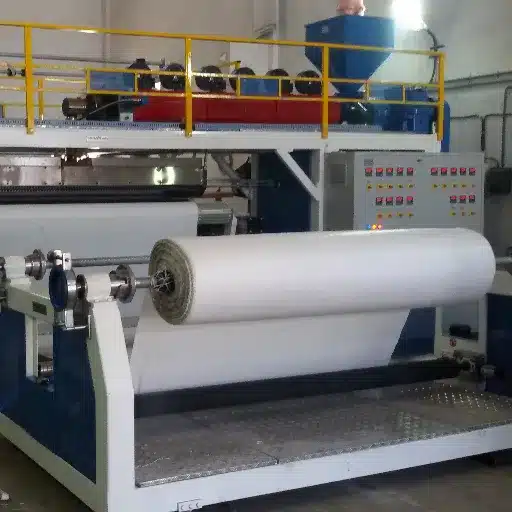
The production of tarpaulin includes conversion processes that entail cutting, welding, and finishing as primary activities. Initially, they cut large rolls of tarpaulin into more miniature sheets of the desired dimensions, then weld the edges together using heat or high-frequency welding to achieve stable, invisible connections. Adding eyelets, hems, and other reinforcements are the final steps in production that make the tarpaulin ready for application and enhance its performance. Through these steps, the final product is characterized by accuracy, strength, and dependability.
Understanding the Role of LDPE in Tarpaulin Coating
Low-Density Polyethylene (LDPE) is the ideal material for tarpaulin coating and the manufacture of resulting products, thanks to its unique properties that enhance performance, durability, and versatility. LDPE, a thermoplastic polymer, is characterized by its excellent flexibility, its lightweight, and its moisture, chemical, and UV radiation resistance. When LDPE is applied as a coating to tarpaulins, it provides a smooth, waterproof surface that protects the fabric underneath from the most severe physical and environmental stresses, such as extreme temperatures, rain, and prolonged sun exposure.
L. D. P. E. also provides elasticity, which serves as a cradle for the tarpaulin; thus, the risk of cracking or tearing is greatly minimized, even if the tarpaulin is used repeatedly. Furthermore, its non-reactive, inert nature protects the fabric from the harmful effects of corrosive agents, making LDPE-coated tarpaulins ideal for heavy-duty applications in agriculture, construction, and transport. This polymer coating not only extends the life of tarpaulins but also guarantees their performance even in the most extreme conditions. However, the combination of high quality and cost-efficiency has pushed LDPE to the forefront as the material of choice in today’s tarpaulin manufacturing.
Innovations in Extrusion Coating Technology
Recent advancements in extrusion coating technology have significantly enhanced tarpaulin production, improving durability and efficiency. Research and development in materials have led to the use of high-performance polymers that offer better weather resistance and greater flexibility. The current extrusion operations use precise temperature control, along with a better die design, to achieve the required thickness and uniform coating adherence. Besides, these processes have consumed less energy; therefore, the manufacturing is done in a more eco-friendly way. The development of multi-layer coating systems has also opened new possibilities for the functional properties of tarpaulins, including improved UV resistance and waterproofing; as a result, they are more widely used and trusted across various sectors.
Future Trends in Tarpaulin Manufacturing
Emerging Trends:
- Sustainable Materials: The tarpaulin production sector is likely to adopt new, better-informed sustainable material alternatives, with a primary focus on eco-friendly bio-based materials and recyclables.
- Lightweight Designs: Manufacturers will prioritize durability and lightweight designs as their primary goals, aiming to enhance product performance without increasing resource use.
- Innovative Technologies: Smart technologies, such as wear and environmental condition sensors, could be a game-changer for the utility of tarpaulins across multiple applications.
- Automation and AI: Automation and AI-based systems will likely help streamline manufacturing processes, resulting in the highest accuracy and efficiency in production.
Conclusion: All these trends point to an industry on the path to innovation and sustainability.
Reference Sources
- Guide to the Basic Principles of Extrusion Coating
Explains the process of applying thermoplastic resin coatings onto various substrates. - A Guide to Polyolefin Extrusion Coating
Focuses on the use of polyolefin resins in extrusion coating and their applications. - Extrusion Coating Manual, Fourth Edition
A comprehensive guide covering machinery, raw materials, and processing techniques for extrusion coating. - Extrusion Coating Manual, Fourth Edition
Provides detailed insights into processing and converting tips for extrusion coating. - Extrusion Coating
Offers an overview of the extrusion coating process, including technical details and applications.
Frequently Asked Questions (FAQs)
What is extrusion lamination and how is it different from extrusion coating?
Extrusion lamination is a method of adhering two substrates (e.g., film to paperboard) together by applying a molten polymer film (made by an extrusion coating line) to a moving web. The main distinction between the two processes is that extrusion coating usually applies one molten film onto one substrate while extrusion lamination produces a composite of two webs with the molten movie acting as a bonding layer. A coater, nip or pressure roll, and a cooling roll are used in both methods to solidify the molten film, but the film used in laminating requires more handling to attach the substrates.
What is the difference between extrusion coating and extrusion laminating applications in flexible packaging?
In flexible packaging, the combination of extrusion coating and extrusion laminating has a significant role in developing the barrier properties of materials used in packaging, such as plastic film, foil (both aluminum and paperboard), and printing. A coating line can produce a web that is later laminated to foil or printed film, creating multiplex structures for liquid packaging, food wraps, and pouches by applying a sealant layer of polyethylene or co-extruded polymers. The industrial process may encompass curtain coating or nip laminating and is often integrated with downstream forming and filling machines.
What are the functions of the coating line and cooling roll in the manufacture of extrusion coating and laminate?
An extrusion coating line consists of all the major components — the extruder, die, coater (or curtain), and downstream equipment, including the nip, cooling roll, and pressure roll. The molten film is formed, and the moving web meets the molten film at the nip or curtain to allow application of the molten coating; the cooling roll quickly cools the molten film, which subsequently becomes a solid layer of sealant. Well-coordination of these elements is crucial for thickness and quality, and for ensuring that defects such as splay or delamination do not occur in the final laminated product.
Is co-extrusion frequently employed in extrusion laminating and what are its benefits?
Co-extrusion is widely used in both extrusion coating and extrusion laminating, as it produces multiple layers of molten films with different characteristics, such as a heat-sealable inner layer, a barrier core, and a scratch-resistant outer layer. Co-extrusion provides polymer suppliers with the flexibility to combine resins, enabling them to deliver those that meet the exact count for barrier efficiency (against moisture or oxygen), adhesion to substrates such as foil or synthetic films, and process compatibility with downstream operations. This technique can reduce reliance on additional coatings, such as lacquer, while simultaneously improving product performance in the industrial and flexible packaging fields.
How does extrusion lamination cope with the high-speed moving web and what challenges does it encounter?
Extrusion lamination of a high-speed moving web is possible through precise tension control, control of the molten film temperature, and synchronized nip/pressure roll settings that ensure even bonding across the web. These challenges are often seen as fluttering of the web during movement, variable bonding between the two substrates, formation of wrinkles, and problems in the laminating process of non-homogeneous materials such as rubber or corrugated paper with plastic films. Correct machine setup, maintenance of the extrusion coating line, and occasional lab testing of the extrusion help identify and fix these issues.