

Military Grade Tarpaulin: Tactical Applications & Specifications
In the battle of durability and reliability, military-grade tarpaulins win the championship among the best. They can endure the most terrible scenarios, so these heavy-duty materials are needed in combat and disaster management, too. But what is the main factor that differentiates them? The article goes very deeply into the tactical use and exact specifications of military-grade tarpaulins, bringing to the surface their critical part in the success of the mission and the efficiency of operations. If you are in logistics, emergency management, or just interested in the latest materials, you will get valuable insights about these tarps being trusted by military and civilian agencies, to mention just one.
Introduction to Military Tarpaulins
What is a Military Tarpaulin?
Military tarps, known as military-grade tarps, are thick sheets that have been purposely made to fulfill the heavy-duty requirements of military operations. The materials used for these tarps are polyethylene or canvas that are very strong and usually the coatings are applied to make them more resistant to water, UV rays, chemicals, and extreme weather conditions. Their main function is to provide good protection and coverage in difficult areas.
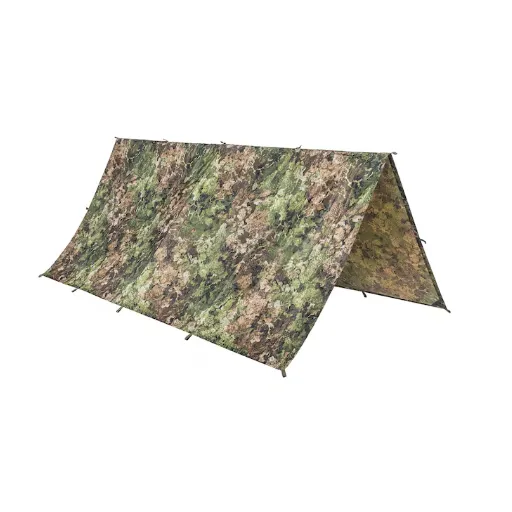
Military tarpaulins are multipurpose and often used in different ways. They are used as makeshift shelters, ground covers, and cargo enclosures, or they can serve as wind, rain, or dust barriers. Because of their strength, they can keep on working even in bad conditions, and thus, they remain a must for the protection of machines, people, and important goods during missions or operations. Moreover, these tarps are often provided with reinforced grommets and hems, which help easy and secure fastening in the field.
The main difference between military tarpaulins and conventional tarps is the military-grade specifications that they strictly follow. They are manufactured to endure abrasive usage and extreme pressure while still keeping their structural strength. Such a high level of durability and reliability becomes a reason for their being indispensable not only for military forces but also for emergency response teams, disaster relief operations, and other situations that require outstanding performance.
Importance of Tarps in Tactical Situations
Due to their versatility, durability, and ease of deployment, tarps are essential in tactical situations. They are survivors in the harshest conditions and can be easily concealed under or even around the equipment and personnel. Their lightweight and portable design make them the perfect choice for operations where others might not be able to cope with the mobility and adaptability needed.
Camouflage is one of the main reasons why tarps are so important in military and other settings. Military tarps often come in colors and patterns that are absolutely blended into the surroundings whether it is a forest, desert, or even urban areas. Troops and equipment can stay unnoticed, thus gaining a strategic advantage and at the same time, risking little exposure to enemy forces.
Moreover, tarps are a necessity in keeping the operational speed and efficiency that are sometimes at stake owing to the rugged nature of the conditions. They can serve as the rain- or dust- or heat-proof shields for critical supplies by simply erecting around them temporary storing spaces. The quick and trustful solution tarps offer to protect resources and staff makes them indispensable in the accomplishment of mission objectives while guaranteeing the safety and readiness of personnel and the organization.
Primary Uses of Military Tarpaulins

Military Operations and Tactical Applications
Military tarpaulins are important items that provide assistance for different tactical and operational purposes in the field. Their strong construction and flexibility make them the best option to protect the equipment, vehicles, and even the soldiers in the course of the operations. These tarps are mostly used to build temporary field shelters that give the soldiers protection against the elements, for example, extreme sunlight, heavy rain, and windy conditions. In addition, they are involved in camouflage of the assets with the help of special materials and patterns that make the assets invisible to the naked eye, thereby increasing the concealment of the strategy.
The modern tarpaulins are made with advanced fabrics that are very light but at the same time very strong so that they do not get damaged by the wind, rain, and sun. Also, they are treated so that they do not get affected by the sun, water, and chemical agents, which makes them more reliable in different operational scenarios. Quickly deploying these tarps, military personnel can thus adapt the situation rapidly and therefore, these tarps become really invaluable in time-sensitive situations.
Moreover, tarpaulins reduce the need for logistical operations by placing them as transport covers for sensitive areas such as weaponry, communications equipment, and medical supplies. By keeping these key resources safe, they support mission progress without delays and cuts in the risks of asset degradation.
Disaster Relief Efforts
During disasters, tarpaulins are very important and mainly used in relief operations, providing immediately and very effective ways for shelter, protection, and logistics. Tarps are almost always used to make and supply these temporary shelters, offering a safe and dry space for the displaced in a challenging environment during natural disasters like hurricanes, earthquakes, or floods. Relief organizations and governments have high reliance on these versatile materials mainly because of the lightweight and easy transport of them, which is particularly important when a quick response is needed.
Over and above, tarps are commonly used not only to provide shelter but also to protect important infrastructure and humanitarian supplies during disaster recovery. For example, warehouses that store food, water, and medical supplies will often have tarpaulin covers over them to prevent the items from being damaged more than what the rain, debris, or sunlight have caused. Moreover, they are also indispensable in holding up ruined buildings by putting tarps on roofs and walls to stop the building from further exposure while more permanent measures are organized.
Modern tarpaulins have done a great job in disaster response by their better capabilities in different areas through the combination of modern materials and good design. They have become no longer just available but also more resilient in different climates because of the greater variety of fireproof, sun-blocking, and waterproof options that have been significantly improved over the years. The climate change problem is increasingly grasped and because of the strengthening of global actions in this area, along with the rise in the number of disasters, the role of tarpaulins as an aid in community resilience building and supplying rapid and effective relief becomes more and more significant globally. Thus, the delivery of aid that is not only effective but also timely to the target groups is made possible by these advancements.
Outdoor Shelters and Camping
Outdoor shelters and camping are the core parts of activities that connect people to nature, giving modern man’s fast-paced life a break. Camping shelters consist of classic tents and high-tech pop-up designs, which by the way use the latest materials like ripstop nylon and polyester, so they are very strong and good in harsh weather. These creative shelters not only weigh little and are easy to carry but also are set up in a short time making them perfect for both new and experienced campers. Further, biodegradable tent fibers or shelters made of sustainable materials are just a few of the eco-friendly options that are becoming more and more popular among outdoor enthusiasts who want to have a smaller impact on the environment.
The modern camping experience goes beyond just a basic shelter but also entails convergence of functionality with comfort. Lightweight tarps and multi-layered tents with built-in rainflies are some of the higher protection devices used in unpredictable weather, while mesh panels are good for providing ventilation and sealing off insects. Many shelters these days also come with added comforts like built-in LED lighting, solar charging ports, and modular designs that are easier to customize based on the number of people and the nature of outdoor conditions. The rise of camping accessories such as insulated sleeping pads and compact stoves has also contributed to making adventurers experience the outdoors in a more comfortable and efficient way without losing the thrill of nature.
When considering an outdoor trip, it is essential to know the area and climate as this will lead to the right choice of shelter and gear. Dome tents, for instance, have great wind resistance and are therefore ideal in hilly terrains, while cabin-style tents with their large interiors are more appropriate for family camping in calm areas. The combination of weather-proof solutions and survival essentials is instrumental in ensuring safety and convenience even in tough and remote places. By using strong materials, modern designs and eco-friendly methods, outdoor shelters remain to be a major factor in bringing human beings closer to the natural world safely and pleasantly. These innovations also herald a time when camping will still be adventurous but at the same time compatible with changing environmental and recreational requirements.
Advantages of Military Tarpaulins

Comparison with Commercial and Recreational Tarps
- High-Tensile Fabric Construction: Tarpaulin used in the military is made of high-tensile materials, among others, which include ripstop nylon or heavy-duty canvas. The fabric of such high-tensile strength is resistant to both tearing and stretching making sure that they do not lose their strength during the most extreme of situations.
- Weather Resistance: Capable of withstanding the most severe weather conditions, military tarpaulins provide excellent protection from rain, UV rays, and very high or low temperatures. Thus, they can be used outside for long periods of time without any degradation.
- Puncture and Abrasion Resistance: The military tarps are designed with reinforced layers that give them puncture and abrasion resistance. The durability of military tarpaulins allows them to be used for emergency shelters or moving not-safe-to-touch military equipment.
- Reinforced Seams and Grommets: The seams and the points where military tarpaulins are attached are reinforced in order to reduce the likelihood of wear and tear. Heavy-duty grommets secure and facilitate even anchoring in windy or high-pressure environments.
- Extended Lifespan in Continuous Use: Military tarpaulins last for more than just a year and are used continually Jesus time frame might be torn but through that period. They are not as often replaced as the commercial-grade tarps thus cutting down overall costs.
Enhanced Weather Resistance
Military tarps are designed for extreme durability, weather resistance, and tactical use, while commercial and recreational tarps prioritize cost-effectiveness, versatility, and lighter applications.
|
Aspect |
Military |
Commercial |
Recreational |
|---|---|---|---|
|
Fabric |
Heavy-duty nylon |
Polyethylene |
Canvas/Polyester |
|
Strength |
Extreme |
Moderate |
Moderate |
|
Waterproof |
High |
Medium |
Medium |
|
Sunproof |
Yes |
Optional |
Optional |
|
Stealth |
Yes |
No |
No |
|
Fireproof |
Yes |
Optional |
No |
|
Mass |
Heavy |
Light |
Light |
|
Expense |
High |
Low |
Low |
|
Purpose |
Tactical/Defense |
Industrial |
Camping/DIY |
Maintenance Tips for Military Tarpaulins
Cleaning Methods for Tarps
The proper maintenance of military tarpaulins is vital in order to keep them serving and effective over the course of time. Among the various methods, cleaning the tarpaulin with a mixture of mild detergent and lukewarm water is considered to be the most common and effective. First, place the tarp flat and soft-bristle brush or broom should be used to get rid of all dirt and debris that are loose. Second, take a bucket and combine a small amount of detergent and water, then use a sponge or soft cloth to gently scrub the surface of the tarp. Use of abrasive cleaning tools or awareness of chemicals is to be avoided as they may cause the material or the protective coatings to be damaged. Then rinse off with clean water thoroughly and let the tarp dry in the air completely before putting it away.
Dedicated cleaning substances created for heavy-duty textiles can be able to deal with tougher stains like oil, grease, or mildew. The cleaner should be placed directly on the stain and a soft-bristled brush should be used to rub it in, referring to the maker’s instructions to avoid fabric damage. Mildew is very often treated with a solution created by mixing vinegar and water or a commercial mildew remover, even though treated tarps with the standard extra protective coatings are usually resistant to this. Regular inspections to see if there are any signs of rude stains or mildew are fundamental to keep the tarpaulin in its top shape.
Proper storage after cleaning also counts just as much in the longevity of the tarpaulin. Make sure that the tarpaulin is completely dry before you fold or roll it for storage because residual humidity can bring about mold or mildew. The tarp should be placed in a cool, dry place, not exposed to sunlight directly so that UV damage can be avoided. Moreover, placing the tarp in a higher position than the ground and in a protective cover or container can be very helpful in keeping it away from dust, moisture, and insects. If you observe and carry out these maintenance practices consistently, the tarpaulin will not lose its durability, waterproofing, and fireproofing characteristics, thereby being a trustworthy source for use in the future.
Proper Storage Guidelines
The right storage practice will not only prolong the tarp’s life but also keep it in perfect condition for the next use. Before folding or rolling, check that the tarp is dry and clean. Leaving moisture or organic material on the tarp will eventually cause mold, mildew, and bad smells. So, wash the tarp gently, let it dry completely before storing it, and then put it in a place where the temperature and humidity are controlled. This first action is vital for the fabric and its treatments like waterproofing or fire-resistance coatings to last.
As a precaution, you might want to buy a sealed storage container or super heavy-duty storage bags to keep your tarp safe. These alternatives come with a protective shield that dust and bugs cannot penetrate, and they are also moisture-proof. In addition, it is recommended to keep the tarp in a cool and dry place where it will not be exposed to sunlight. Direct and prolonged exposure to UV rays can break down the material. If your storage area is large enough, storing the tarp up or above the ground will not only keep it safe from spills but also from insects that might invade the storage area.
Whenever the tarp is stored, it should be checked at intervals. Before letting it out for use again, make sure there are no new signs of wear like small cuts, mildew and UV degradation. If the tarp is waterproofed once again during this inspection, it will preserve its original functionality. And this is how it is done by the tarps’ users, who apply the guidelines strictly, that the lifetime and the usefulness of the tarps are practically being maximized through the years.
Extending the Lifespan of Your Military Tarp
Proper cleaning and maintenance practices are indispensable for prolonging the life of your military tarp. The first step is to do a regular cleaning of the tarp through the use of mild soap and warm water, so that you can get rid of dirt, debris, and chemical residues or even weak spots that might develop due to the material over time. Do not use harsh detergents or abrasive brushes for they will ruin the protective coating. Once the tarp is washed, make sure it is entirely dry, otherwise, it will be at risk of developing mold and mildew if stored while wet.
On top of that, it is a good idea to apply UV-resistant sprays and waterproofing agents to the tarp’s surface as needed, especially when the tarp is under constant exposure to direct sunlight or rain for prolonged periods of time. These treatments will not only increase the lifespan of your cover but will also create an additional protective layer against the environment. Not only the tarps but also grommets and stitching should be checked regularly for any signs of damage that may require rusting or fraying, and any repair work realized promptly to secure the tarp and keep it useful.
The incorporation of these maintenance measures with proper storage and surveillance will mean that your military tarp is going to be a dependable tool for a wide range of uses, from outdoor expeditions to emergency supplied while ensuring its strength and usability are not only maximized but also sustained over time.
Emerging Trends in Military Tarpaulins

Eco-Friendly Materials and Innovations
The production of military tarpaulins that are environment-friendly, has been accelerated with the concern of environmental sustainability taking precedence among both manufacturers and users. These developments aim at cutting down the ecological footprint linked with the manufacturing and discarding of tarpaulins but at the same time keeping the military durability and reliability as well. The application of recycled materials like repurposed plastics and reclaimed fabrics is paving the way for one such trend, as these are not only reducing the amount of waste that goes to landfills but also leading to the production of high-strength products. Moreover, the use of biodegradable coatings on tarpaulins is one way of making sure that, once the service life is over, they do not cause any more harm to the environment by breaking down easily.
In addition, a new breakthrough is the creation of bio-based polymers made from renewable resources, plant-based oils and starch, which are the main examples. These products cut down fossil fuel dependency and support the planet’s transition towards renewable energy and sustainable practices. The work that has been done with these materials has resulted in the development of bio-polymer tarpaulins that rank equally in performance properties, water resistance, tensile strength, and UV protection, hence are suitable for strict military consumption. Not only this, many producers are assessing production techniques to lower the impact of their operations in terms of emissions and energy consumption, thus adopting a comprehensive approach towards going green.
On the other hand, the application of smart materials and coatings is being examined as a way to produce military tarpaulins with enhanced efficiency and versatility. Among the various innovations is the self-healing membrane, which can mend small punctures or tears automatically and thereby, increase the lifespan of the product and reduce the waste caused by the cycle of frequent replacements. Also, the anti-microbial coatings that are under research, are gaining significant attention in field operations where hygiene is of the utmost importance because they help cut down on the spread of harmful bacteria or fungi. The military tarpaulins are not only becoming more sustainable but also are getting more acquainted with the changing demands of tactical and logistics operations across the globe by the implementation of these eco-friendly technologies.
Advanced Coatings and Technology Integrations
The military tarpaulin industry is being completely transformed by advanced coatings which are the innovators in providing durability, resistance, and versatility. Modern coatings like polyurethane and silicone-based solutions are not only capable of delivering remarkable weatherproofing to withstand extreme environmental conditions from desert heat to freezing arctic climates but also the very coatings have enhanced resistance to UV rays thus preventing the material from degrading over time that indeed is a great advantage for outdoor use.
In addition, the use of nanotechnology has made it possible to innovate with self-cleaning and hydrophobic coatings so that tarpaulins can effectively repel water, dirt, and grime. This does not only mean longer life of equipment but also lesser maintenance in remote or high-pressure situations. Moreover, the development of infrared-reflective coatings has made it possible for tarpaulins to offer thermal imaging camouflage thus giving field operations a tactical benefit.
The incorporation of such state-of-the-art technologies is taking the modern military tarpaulin into a reliable and multifunctional tool that is again able to meet the varied tactical demands while keeping sustainability and cost-efficiency.
The Future of Military Tarpaulins in Tactical Gear
The development of military tarpaulins is only going to become more and more innovative and technological. To mention one of the ways that it is going to be formed, we could talk about the use of so-called smart materials, namely, self-healing fabrics and nano-coatings that are going to be very potent in making the military tarpaulins much more durable and impervious to the degradation that comes with prolonged missions. Plus, the use of synthetic fibers which are light-weighted can be accounted for in the total weight reduction of the military gear, which would mean that the transport and deployment would be easier.
On the other hand, the most significant development is the adoption of embedded sensors. Monitoring of the environmental conditions as well as the structural integrity would be the least expected of these sensors, thus providing the real-time data to the field personnel who would instantly make the necessary changes reflecting the weather changes or the extent of damage. Likewise, modular designs are more and more getting into the spotlight as they are going to be the arrangements of the tarpaulins into multifunctional infrastructures like temporary shelters, reconnaissance hideouts, medical stations, etc., depending on the operational needs.
Sustainability, too, is on the list of trends manufacturers must follow, and so the new processes of making the products will be less harmful to the environment. The use of recycled and biodegradable materials is ongoing as they aim to produce eco-friendly yet strong tarpaulins that are in line with the big campaign for the military to go green across the board. All these advancements, taken together, predict a time when the fabrics used by the army will be those that along with protecting the troops will also be the ones that are distinguishing features in the combat area even turning the fighting into the war of machines.
References
-
Equipment Storage Methods for Corrosion Prevention and Control – Defense Acquisition University
This document discusses military-grade tarps conforming to MIL-PRF-20696 standards, highlighting their weatherproof, waterproof, flame-retardant, and cold-resistant properties. - Click here to read more.
Frequently Asked Questions (FAQ)
Q: What is a military tarpaulin and what materials are military tarps made from?
A: A military tarpaulin is a highly durable, and usually even double-sided, cover that is made to the standards of the military in terms of protection and endurance; canvas, cotton duck, olive drab nylon, and modern poly tarp are among the materials of which tarps are made. Military tarps may be water-resistant or may be done with additional protection, and a lot of the surplus or military surplus tarps are a mix of the conventional cotton canvas with coatings to fulfill the rigorous demands for field use.
Q: How do heavy-duty military tarps differ from medium-duty or poly tarps?
A: Heavy-duty military tarp generally refers to sturdier built, tougher canvas tarp or reinforced poly tarps that can take up to a harsh environment and usage repeated, whereas medium-duty or poly tarps are light, thus, they are better for one-time use of budget or multipurpose shop and camping. The heavy-duty alternatives are the ones being chosen for long-term shelter, tarp shelter building, vehicle covering, and USMC-style applications where high standards and robust snaps or grommets are needed.
Q: Can I use surplus military tarps for backpacking, bushcraft, or tarp shelter setups?
A: Yes, a lot of surplus tarps, including the ones in olive green and camo prints, are sought-after in backpacking and bushcraft for designing tarp shelters because they provide different sizes, are durable, and offer water-resistant performance that can be relied on. If you’re an ultralight backpacker, you might go for poly tarps or smaller olive drab canvas tarps, while cotton canvas or military surplus canvas tarps can be used for bushcraft and meditation as they are breathable and long-lasting.
Q: What sizes are available, and what does “x 12” mean when shopping for military tarpaulin?
A: Military tarpaulins are available in different sizes suitable for various applications, ranging from small shelter tarps to large cargo covers. The “x 12” designation usually refers to the size of the tarp (for instance, 8 x 12 means eight feet by twelve feet). When purchasing a military tarpaulin, you should verify the size, weight, and whether the tarp complies with the military specification or camouflage/olive drab color requirement for your use.
Q: Are military tarps reversible or available in ACU and camo patterns?
A: Many military tarpaulins are either reversible or available in such colors and patterns as olive green, camo, and ACU which can be used for tactical concealment or multifunctional needs. One reversible canvas tarp design can be considered as one side being camo and the other being plain olive drab; this makes them suitable for field operations as well as civilian applications like camping, shelter building, and cargo protection.
Q: How do snaps, grommets, and other fittings affect the utility of a military tarpaulin?
A: Snaps, grommets, and the reinforced edges not only increase the utility of a military tarpaulin but also create secure anchoring for tarp shelter building, vehicle tying down and holding up the shelters. Heavy-duty military tarps usually come with strong snaps and brass or steel grommets because they are able to bear the repeated strain and durability expected in field use. Consult the specifications if you need to know the snap spacing and reinforcement for your project.
Q: Is it better to buy new military surplus or shop-made canvas tarps on a budget?
A: If you are operating on a limited budget, then surplus tarps can be a great option since they are very often durable and can last for a long time so military surplus items offer good value; nonetheless, the new canvas tarp options from a shop may be accompanied by guaranteed specifications, reversible designs, or particular sizes. Think about the purpose: if you need it for long-term outdoor use and at the same quality levels go for surplus or USMC-grade; If you are looking for occasional backyard use or light-duty use, poly tarps or shop-made options might be more economical.