
Water Vapor Transmission: Breathability & Condensation
Tarps and membranes serve essential functions for moisture control in various operational fields which include industrial construction projects and typical storage applications. The most important characteristic of the materials enables them to control water vapor movement which determines both their operational life span andtheir performance capabilities andtheir capacity to protect the environment. But what exactly is water vapor transmission, and why is it essential to understand its implications when selecting the right tarp or membrane? The article will provide a complete examination of vapor barriers which demonstrates how these materials control moisture through scientific principles and their role in protecting building structural strength and operational performance. The concept requires understanding because it determines which protective solutions professionals and construction enthusiasts should choose.
What is Water Vapor Transmission?

Definition of Water Vapor
Water vapor exists as water in its gaseous state because it forms from the evaporation of liquid water and the sublimation of ice at specific temperature and pressure conditions. The Earth needs water vapor as a basic atmospheric element which supports multiple natural processes that include weather systems and the hydrologic cycle. People can detect water vapor in the atmosphere through humidity measurements which show how much moisture exists in the air.
The building science field considers water vapor as a structural element because its excessive presence leads to material penetration which causes condensation that results in mold growth and material deterioration and structural failure. Water vapor transmission through materials occurs through two processes which include diffusion and air movement that depend on the environmental differences between temperature and relative humidity.
Building materials need protection from water vapor damage through material testing. Vapor barriers serve the purpose of controlling water vapor transmission through surfaces by either stopping or managing its passage through building materials. They serve as essential building elements because they assist with building envelope operations through improved moisture control which results in longer infrastructure durability. Building systems achieve their optimal performance when building professionals properly track water vapor movements between building systems and fluctuating environmental conditions.
Importance of Vapor Transmission in Construction
Vapor transmission is the process through which water vapor moves between different building materials. The construction process needs this aspect because it directly affects how buildings stay standing and how much energy they use and how people inside the building feel. When organizations fail to control vapor transmission properly their buildings experience problems which include mold growth and material degradation and decreased thermal performance. The durability and operational capacity of buildings depends on organizations understanding and controlling this process.
Vapor transmission in construction creates significant issues because it leads to moisture buildup inside wall systems. Water vapor that travels through building materials will cause condensation when it reaches dew point temperatures thus producing moisture that will damage insulation materials and create wood decay and metal corrosion. The process will decrease the strength of the building envelope while increasing maintenance expenses throughout the building’s lifespan. Builders can prevent these problems from occurring by using effective vapor control techniques and appropriate material choices which will help them keep the building’s structural soundness and operational lifetime.
Vapor transmission management helps with energy efficiency. High moisture levels in building materials reduce their thermal resistance which impacts heating and cooling systems leading to increased energy consumption. Vapor-permeable materials which also resist moisture enable proper ventilation while sustaining energy efficiency. The building uses this strategy to provide occupants with affordable comfort while keeping operational costs under control. The principles of vapor transmission function as essential components for creating environmentally friendly building designs which can endure multiple environmental threats.
Understanding Vapor Barriers

Definition and Function of a Vapor Barrier
A vapor barrier exists as a material which prevents moisture from passing through building walls, ceilings, and floors into building spaces. This function exists to decrease water vapor movement which leads to building assembly condensation when water vapor movement stays uncontrolled. The condensation process will eventually harm the performance of insulation materials while destroying building components and creating an environment which supports mold development.
Vapor barriers use materials which include polyethylene and aluminum foil and special membranes that have low permeability values which building codes measure in perms. The industry standards define vapor barriers through materials which have a permeance measurement of 1 perm or less. The use of these materials becomes essential during situations which produce extremely cold temperatures and high humidity levels because these conditions increase the possibility that condensation will form between walls.
A distinction exists between vapor barriers and vapor retarders as two separate building elements. A vapor retarder controls moisture but allows some moisture to pass through because it has higher permeability than a vapor barrier. The current building design process uses this distinction because architects base their choices between barriers and retarders on local climatic conditions. Correct installation procedures are necessary because improper placement of barriers will create moisture traps that lead to insulation problems which the barrier system is supposed to eliminate.
Types of Vapor Barriers: PVC, Polyethylene, and More
The construction industry uses various materials as vapor barriers because each material possesses different characteristics which match particular building requirements. The material polyvinyl chloride PVC functions as a water vapor barrier because it maintains flexibility and durability while delivering high tensile strength. Under concrete slabs or on damp basement walls. The product shows strong durability against various environmental elements, which include chemical exposure, thus enabling its use across multiple industrial applications.
People use polyethylene as their main plastic material for making vapor barriers because the material comes in various thicknesses, which range from 4 mil to over 20 mil, that determine its ability to stop moisture movement. The material is main choice for residential construction projects because it provides high value and simple installation process. High-density polyethylene HDPE delivers better performance through its higher material density and ability to withstand heavy weight, which makes it suitable for demanding applications in crawl spaces and foundation walls.
Modern construction has developed new materials which go beyond PVC and polyethylene to fulfill current building requirements. Construction teams are currently exploring aluminum foil-based barriers which provide two functions because they use their reflective properties to control both moisture and heat movement. The combination of polyethylene with reinforced materials or self-adhesive membranes in hybrid sheets creates products that provide both strength and simple installation methods. The appropriate vapor barrier selection process requires a detailed project assessment which considers specific site conditions, intended use of the area, present humidity patterns, and anticipated mechanical impacts to achieve optimal building results.
Choosing the Right Vapor Barrier for Your Project
The selection process for the correct vapor barrier requires me to evaluate essential elements which determine how the building envelope will perform during its initial phase and its subsequent phase. The first step requires me to examine the climate and environmental conditions which exist at the project site. In colder areas, I choose vapor barriers with low permeance because indoor air moisture will condense within building assemblies. In contrast, warm humid climates require a vapor barrier with moderate to high permeance which enables controlled moisture release while stopping excessive indoor humidity from accumulating.
I proceed to assess both the particular use case and the construction method which will be used to create the building. Residential buildings, commercial structures, and industrial facilities each require different approaches to thermal insulation and mechanical resistance and moisture management. I prefer to use reinforced vapor barriers that contain additional tensile strength for areas which experience high foot traffic or heavy equipment movement whereas I need to maintain proper insulation sealing in basement and crawl space areas. If the project requires retrofitting or renovation work I verify that all new materials will match existing components to keep the built system intact.
I evaluate two elements which include local building code requirements and environmental sustainability objectives together for my assessment. Building codes often dictate minimum standards for vapor barrier selection based on regional conditions, and adhering to these guidelines ensures both safety and regulatory approval. I assess materials which possess environmental certifications or recyclable characteristics to support sustainable construction methods. The complete analysis of these factors enables me to select a vapor barrier which delivers peak performance and durability and operational efficiency according to project specifications.
The Role of Tarps in Moisture Management
Heavy-Duty Tarps: Features and Benefits
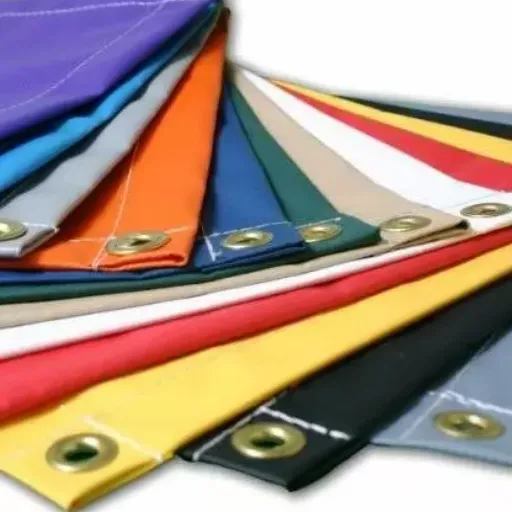
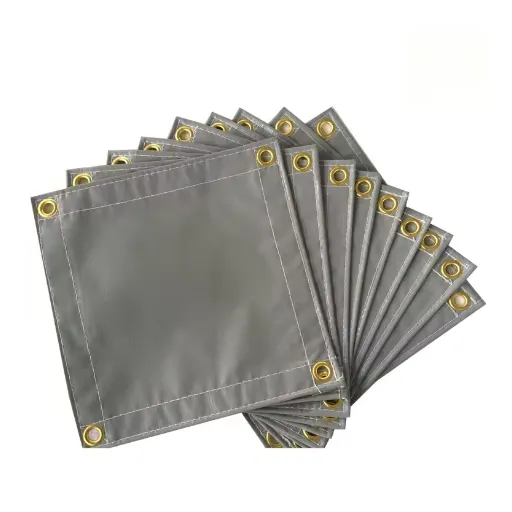
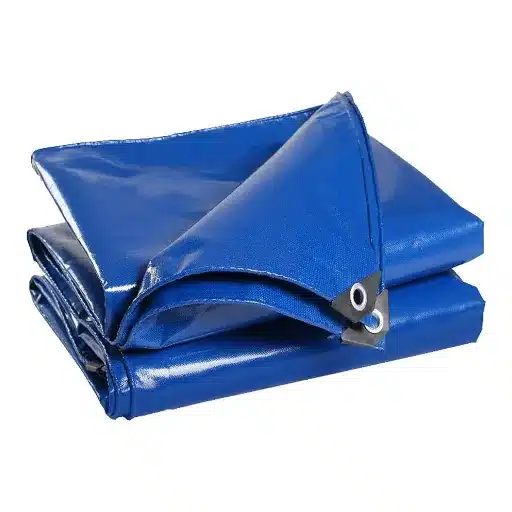
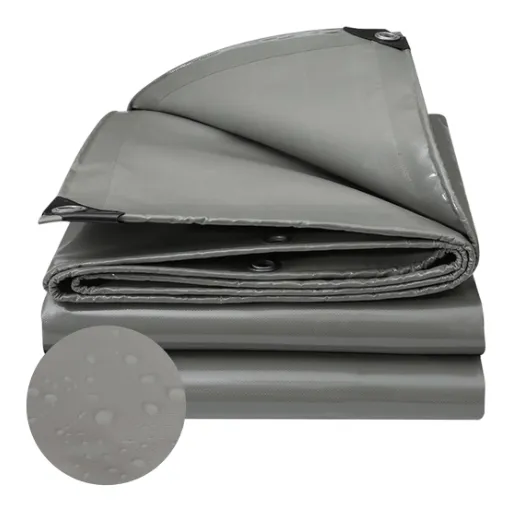
High-performance tarps use strong materials to provide superior protection against environmental conditions which they encounter during their operational life. The tarps which use polyethylene or vinyl materials demonstrate exceptional protection against UV damage and water infiltration and material tearing. Their exceptional tensile strength makes them ideal for applications which need to withstand heavy loads and extreme weather conditions. The reinforced edges which include rust-resistant grommets provide better structural strength while enabling users to fasten the product in different circumstances.
The main benefit of heavy-duty tarps lies in their ability to control water flow through different applications. The construction tarps function as a water barrier which protects building sites and farm storage facilities and temporary shelter systems from water intrusion. The productdefect water-resistant and mold-proof characteristics make it essential for safeguarding equipment and materials and surfaces against damage which results from continuous water contact. The majority of heavy-duty tarps now include thermal insulation functions which help control temperature in critical situations like greenhouses and transportation of delicate items.
The durability and economical value of heavy-duty tarps deserve acknowledgment. Their extended lifespan together with their superior protection capacity leads to decreased long-term expenses despite the higher initial costs which exceed those of lighterweight options. The introduction of modern manufacturing methods has improved product capabilities which include flame-retardant coatings and anti-slip surfaces that meet various industrial standards. Heavy-duty tarps serve as versatile equipment which professionals and industry workers can use in multiple work environments while delivering optimal dependable performance for challenging situations.
Waterproof vs. Waterproof and Breathable Tarps
Waterproof tarps block all water, while waterproof and breathable tarps allow moisture vapor to escape, balancing protection and ventilation.
|
Aspect |
Waterproof |
Breathable |
|---|---|---|
|
Water Block |
100% |
Partial |
|
Vapor Flow |
None |
Allows |
|
Material |
Vinyl/PE |
Specialized |
|
Usage |
Full cover |
Ventilated |
|
Durability |
High |
Moderate |
Applications of Tarps in Various Industries
Tarps have diverse applications across multiple industries because they possess the ability to adapt to various situations while maintaining their strength and weatherproof characteristics. The following list presents five major industries which depend on tarps for their essential operations.
- Construction Industry: Construction sites use tarps to protect building materials and scaffolding and unfinished structures. The structures provide protection from various weather conditions which include rain and wind and ultraviolet radiation. Heavy-duty polyethylene tarps serve as operational ground cover material which prevents soil erosion while blocking moisture from entering the ground.
- Agriculture and Farming: Farmers use tarps to cover crops and hay and farming equipment which reduces spoilage caused by excessive moisture and harsh sunlight. The storage of hay requires breathable tarps because they permit moisture to escape while protecting the contents from rain. The protection system boosts storage effectiveness by 30 percentage points.
- Industrial Warehousing and Logistics: Tarps function as protective covers which maintain secure storage conditions for goods during their storage and transportation process. Waterproof tarps protect sensitive machinery and raw materials in warehouses while custom-fitted tarps shield shipments during transit. Research shows that well-covered cargo can reduce damage rates by as much as 25% during long transit durations.
- Recreational and Outdoor Activities: Tarps function as tents and ground covers and canopies for various outdoor activities from camping to outdoor events. The products enable users to create temporary shelters which protect against sudden weather changes because of their lightweight design and multiple waterproofing options. Users commonly select polyester tarps which have polyurethane coatings because these tarps offer both tear resistance and portability.
- Mining and Oil Exploration: Heavy-duty tarps function as protective barriers which shield valuable equipment and secure open mine pits from excessive water accumulation. The equipment protects operational safety and equipment lifespan by covering sensitive installations at oil and gas sites. PVC tarps serve as the most commonly used material in this industry because of their chemical resistance properties.
The widespread usage of tarps demonstrates their value because they deliver economical and flexible solutions which solve environmental and operational problems faced by various industries.
Insulation and Moisture Control

How Insulation Works with Vapor Barriers
Insulation and vapor barriers work together to sustain thermal performance while preventing moisture, which safeguards the structural integrity of buildings. Insulation uses fiberglass, mineral wool, and rigid foam to create materials with low thermal conductivity, which interrupt heat flow between a building’s interior and exterior. The indoor environment stays at a constant temperature because this system creates thermal resistance, which creates a decrease in energy needs for both heating and cooling systems. The design of vapor barriers exists to restrict water vapor movement within building elements that include walls and ceilings and floors, which protects against moisture buildup that creates structural damage and mold growth and decreases insulation performance.
A combined insulation and vapor barrier system achieves its maximum performance when installation procedures are followed exactly and materials used together function correctly. Builders typically install vapor barriers, which protect their structures, to the warm area of insulation systems that exist behind indoor drywall in regions where cold temperatures dominate during winter. This arrangement stops indoor air, which contains warmth and humidity, from reaching the insulation material, which causes condensation to occur inside the colder sections of wall space. The assessment of vapor barrier placement and type becomes crucial for high humidity regions because improper selection leads to moisture buildup, which creates destructive effects. Modern building science research shows that some environments require vapor-permeable membranes because these membranes enable moisture control while protecting against water damage.
The latest construction technologies have made it easier to combine these systems into their most effective configurations. The installation process becomes more efficient when faced insulation products include built-in vapor retarders because these products serve multiple functions. Diagnostic tools have developed into advanced equipment, which enables professionals to detect insulation and vapor barrier weaknesses through infrared imaging and moisture meters. The need for comprehensive insulation and vapor barrier systems arises from three solutions, which ensure energy efficiency and building durability through their planned application.
Impact of Moisture on Insulation Performance
The performance of insulation materials experiences multiple adverse effects from moisture intrusion which undermines energy efficiency and damages structural components and decreases material durability. Below are five key ways moisture affects insulation performance, along with relevant details:
- Reduction in Thermal Resistance (R-Value): Moisture reduces the thermal resistance of most insulation materials by allowing heat to transfer more efficiently through water than air. The R-value of fiberglass insulation decreases by 50% when it becomes saturated with water which leads to a significant reduction of its insulating capabilities.
- Growth of Mold and Mildew: Insulation becomes damp or wet which creates an ideal mold and mildew breeding ground that harms indoor air quality and causes health risks. This situation presents a major challenge because it occurs in areas that experience high humidity levels and lack proper ventilation.
- Material Degradation: Moisture exposure over extended periods will result in certain insulation materials to deteriorate. Fire retardant treatment is necessary for cellulose insulation because water exposure will cause the material to lose its structural integrity and subsequently sag or settle down.
- Corrosion of Metal Components: Moisture that remains trapped inside insulation materials will cause the adjacent metal surfaces and structural elements to corrode over time. Wet insulation materials make piping systems vulnerable to rusting and system failures which results in higher maintenance expenses.
- Increase in Energy Consumption: Buildings that experience moisture damage to their insulation systems will require additional energy resources for their heating and cooling operations because of decreased thermal performance. Studies indicate that energy consumption can increase by over 30% in cases where insulation has lost its effectiveness due to water infiltration.
Moisture management needs to be properly executed together with vapor barrier installation because these two elements protect insulation systems from damage while ensuring their performance remains stable throughout their operational period. The building’s energy efficiency and durability depend on implementing thorough moisture management systems.
Best Practices for Insulation and Vapor Barriers
The insulation and vapor barrier systems achieve their best performance when installers follow exact installation methods and select correct materials. The insulation materials perform best under all conditions because closed-cell spray foam and rigid foam boards deliver both optimal moisture resistance and full thermal performance. The installation of vapor barriers which use polyethylene or foil-backed materials requires placement on the warm-in-winter side of the building envelope to stop moisture from forming in wall structures. The selection of vapor barrier permeability needs to match the particular climate zone because this choice determines successful moisture control.
The establishment of an airtight seal serves as the fundamental requirement for successful moisture management. The approved adhesives and tapes must be used to seal all seams joints and penetrations in order to prevent air and vapor leaks. Building codes specify which vapor barrier types are acceptable for use; following these codes results in both compliance and protection against moisture infiltration. High humidity environments such as basements and crawl spaces require additional dehumidification systems and drainage solutions to work together with the vapor barrier system.
Smart vapor retarders function as advanced innovations which adjust their performance according to humidity changes because they allow moisture release when specific conditions exist, which helps prevent water vapor accumulation. Monitoring systems that detect and alert homeowners or facility managers to changes in moisture levels can further enhance proactive maintenance. The combination of appropriate materials and accurate installation methods and climate-specific approaches enables building professionals to achieve durable and efficient insulation and moisture control systems.
Durability and Longevity of Vapor Barriers

Comparing Different Materials: PVC vs. Polyethylene
PVC is durable and flexible, ideal for industrial use, while polyethylene is cost-effective and easy to install, suitable for residential projects.
|
Aspect |
PVC |
Polyethylene |
|---|---|---|
|
Durability |
High |
Moderate |
|
Flexibility |
High |
Low |
|
Cost |
Higher |
Lower |
|
Usage |
Industrial |
Residential |
|
Resistance |
Chemical |
Moisture |
Factors Influencing the Durability of Tarps and Membranes
The durability of tarps and membranes depends on three factors which include their material properties and the environmental conditions they experience as well as the maintenance methods used on them. The main factors that influence this situation include the following
- Material Composition: The chemical makeup of the tarp or membrane plays a critical role. The material properties of high-density polyethylene (HDPE) enable it to deliver better tensile strength than polyvinyl chloride (PVC) which offers superior UV radiation and chemical resistance.
- Ultraviolet (UV) Resistance: Material deterioration occurs because sunlight exposure persists for extended periods. UV-stabilized products use additives or coatings to protect against damage which results in brittleness and color fading.
- Environmental Conditions: Materials experience structural degradation when exposed to extreme temperatures and high moisture levels and chemical or pollutant contact. Tarps used in high humidity areas or acid rain regions require specialized coatings to achieve better performance.
- Thickness and Weave Density: The combination of thicker materials and tighter woven structures creates better resistance against physical damage. The industry commonly assesses these properties by using mils to measure thickness and mesh count to evaluate weave density.
- Application Stress: The operational period of a product gets affected when users apply heavy loads and stretch the product or use it on abrasive surfaces. The correct load condition selection process becomes essential because it protects against equipment breakdowns that occur before their expected operating time.
- Maintenance Practices: The material lifespan extends through proper maintenance which includes cleaning the material to remove dirt and debris and storing it without creating sharp folds. The material experiences accelerated degradation because people fail to implement preventive maintenance.
Users can enhance the operational efficiency of their tarps and membranes by understanding how these elements interact with each other to create optimal performance in various conditions.
Maintenance Tips for Extending the Life of Your Barrier
The inspection process requires regular checks to find any damage which includes tiny rips, worn-down sections, and edge fraying. Timely damage detection allows for prompt repairs which stop further damage that would cause structural collapse.
- Cleaning Protocols: The cleaning process needs proper cleaning solutions which match the specific material type to remove dirt and oils and biological contaminants including mold and algae. The barrier structure requires protection from both strong chemicals and cleaning equipment which uses abrasive materials.
- UV Protection Measures: Materials experience substantial strength loss because of extended ultraviolet radiation exposure throughout the entire duration. A UV-blocking protective coating together with intermittent shading functions as a protective solution against solar damage.
- Proper Storage Conditions: The storage process requires barriers to remain in a dry and cool area during times when they are not needed. The items need storage through folding or rolling methods which create no tight creases because these creases become weak points. The storage process needs dedicated storage bags or covers that protect against moisture while keeping the items free from contamination.
- Environmental Adaptations: Maintenance methods need adaptation according to the distinct characteristics of each environment. Coastal areas with high salt content require frequent washing as a necessary measure to control salt accumulation, while freezing environments benefit from freeze-thaw cycle reduction for material strength preservation.
- Reinforcement and Repairs: The process uses patches together with adhesive sealants that match the material requirements to provide immediate solutions for specific damage areas. The structure needs reinforcement at high-stress points such as corners and tension sections to achieve load distribution which prevents tearing.
The maintenance procedures enable users to extend barrier operational time because these procedures maintain maximum efficiency throughout the entire operational period. The proactive maintenance approach increases durability while reducing costs and environmental impact throughout the entire life of the barrier.
References
-
Design and Testing of a Wind Energy Harnessing System
This research includes insights on tarpaulin usage in environmental conditions like humidity and sunlight exposure. -
Atmospheric Water Vapor and Aerosols
This paper explores the role of water vapor in atmospheric interactions, relevant to material performance. - Click here to read more.
Frequently Asked Questions (FAQ)
Q: What is a water vapor transmission tarpaulin and how does it differ from a regular tarpaulin?
A: A water vapor transmission tarpaulin functions as a specialized tarp which controls moisture movement through its ability to balance between its permeable and barrier elements; this tarpaulin type enables controlled water vapor movement through its polymer and laminate and aluminum-plastic composite film layers which create specific water vapor transmission rates and moisture barrier capabilities.
Q: How is the water vapor transmission rate (WVTR) of a tarpaulin measured?
A: The water vapor transmission rate uses standardized water vapor transmission rate tests which include the cup method (ASTM procedures) and specialized water vapor transmission rate testers and test equipment; the tests which are also known as moisture vapor transmission rate testing (MVTR) testing allow scientists to measure the water vapor that penetrates through films and plastic sheet layers and textile laminates during controlled conditions of temperature and humidity.
Q: Why is WVTR important for packaging materials and containment using tarpaulins?
A: The critical nature of WVTR stems from its role in determining package integrity, shelf life and moisture retention; the tarpaulin layers that use packaging materials need to manage moisture through plastic films and paper-plastic composite films and plastic composite films to protect pharmaceuticals and apparel and perishables while preventing moisture inside packages and working with desiccant systems to decrease humidity which protects product quality.
Q: What materials are commonly used in water vapor transmission tarpaulins?
A: The common materials used in the project include poly-based polymers which consist of LDPE and nylon together with aluminized films and aluminum-plastic composite and plastic composite films and multilayer laminates and textiles; designers achieve puncture resistance through outer layer toughness and inner barrier materials which create conductive heat reduction and specific barrier properties while maintaining appropriate tarpaulin costs.
Q: How do temperature and humidity affect the water vapor transmission of a tarpaulin?
A: MVTR/WVTR testing shows temperature and humidity as major factors because higher temperature and humidity promote increased permeation through both polymers and plastic films. The testing labs control these variables to generate repeatable results while designers create products that need to handle both heat and moisture because these factors impact their ability to contain materials throughout actual operational conditions.
Q: Can a water vapor transmission tarpaulin be used for pharmaceutical or food packaging applications?
A: Tarpaulins and films which have certified barrier materials and validated water vapor transmission rate test results are suitable for pharmaceutical and food packaging applications because package integrity and shelf life are crucial requirements in these cases. The selection process requires MVTR data from the test equipment and information about appropriate laminates and sometimes data about encapsulation or aluminumized layers to fulfill regulatory and storage needs.
Q: How do features like a laminate layer or an 8 mil thickness influence performance?
A: The addition of a laminate together with an 8 mil thickness increase will produce two effects since it reduces WVTR while it increases puncture resistance and moisture barrier effectiveness. Thicker polymer layers and laminates together with paper-plastic composite films and plastic sheet layers create stronger diffusion barriers which designers need to balance against the weight and flexibility and cost effectiveness of specific films used in containment or packaging.
Q: What practical steps can I take to test or evaluate a tarpaulin’s moisture barrier performance in the field?
A: Field evaluation requires portable water vapor transmission rate testers together with simplified cup method setups which test for temperature and humidity during the testing process while checking for integrity issues like puncture or seam leakage and testing with desiccant to measure moisture retention effects and comparing results to ASTM reference values. The process of testing and documenting results ensures that the tarpaulin meets required MVTR standards which determine its suitability for uses in geomembranes and apparel covers and protective packaging.