
How to Waterproof a Tarp: Sprays, Waxes & Sealants | LY TRUSTLINK
You can waterproof a tarp by cleaning it, repairing damage, and applying a compatible treatment such as a silicone spray, polyurethane coating, wax blend, or seam sealer. The right method depends entirely on the tarp material, canvas, polyethylene, PVC/vinyl, or nylon, because each fabric reacts differently to coatings and has different waterproofing limits.
A leaking tarp is worse than no tarp at all. It gives you confidence that your cargo, equipment, or structure is protected while moisture quietly seeps through. When a fleet manager in Michigan discovered that his treated canvas truck cover had soaked through during an overnight freeze, the cargo underneath was not just wet; it was damaged by ice expansion. The repair bill taught him that waterproofing is not a one-size-fits-all process.
This guide explains how to waterproof a tarp by material type. You will learn which treatments actually work, how to apply them correctly, and how to decide when a DIY treatment is the right choice versus when replacing or upgrading to a heavier-duty engineered fabric makes more sense. If you’re comparing waterproof tarps or need help selecting the right material, LY TRUSTLINK’s specialists are here to answer your questions and provide reliable solutions.
Key Takeaways
- Waterproofing success depends on matching the treatment to the tarp material; canvas, poly, PVC, and nylon each need different approaches.
- Hydrostatic head, measured in millimeters of water column pressure, is the most reliable way to compare waterproof performance.
- Factory-applied PVC coatings typically achieve 2,000–6,000+ mm H₂O, while spray-on treatments for canvas often add only 200–1,000 mm H₂O.
- Seams and grommets are the most common leak points; sealing them is often more important than recoating the fabric surface.
- For heavy-duty industrial use, upgrading to PVC-coated polyester tarpaulin usually costs less per year than repeated treatments or replacements.
Can You Make a Tarp Waterproof?

Yes, but with realistic expectations. A treatment can improve water resistance, restore a worn coating, or seal weak points, but it cannot turn a breathable cotton canvas into a PVC-grade barrier. The result depends on three factors: the base fabric, the treatment chemistry, and the quality of application.
To understand what is achievable, it helps to think in terms of hydrostatic head, the standard waterproof rating used in the textile industry. Hydrostatic head measures how much water pressure a fabric can withstand before leakage occurs, reported in millimeters of water column (mm H₂O). A rating below 1,500 mm is generally considered water-resistant. A rating above 1,500 mm qualifies as waterproof for most practical purposes. Heavy-duty industrial fabrics often exceed 5,000 mm. If you are unsure whether your starting point is already waterproof, see our guide on whether tarps are naturally waterproof.
When you apply a wax or spray treatment to canvas, you might raise its effective rating from under 100 mm to 200–500 mm. A polyurethane (PU) coating can push canvas toward 500–1,000 mm. That is meaningful for light rain, but it is not the same as the 2,000+ mm barrier created by a factory-laminated PVC-coated polyester. Knowing this distinction prevents you from trusting a light treatment with a critical load.
Treatments work best when they restore a coating that has degraded, seal stitch holes, or bridge micro-cracks in an otherwise sound fabric. They cannot rebuild torn fibers, repair separating seams, or compensate for a fabric that has become brittle from UV exposure. At that point, replacement is the only reliable option.
How to Test If Your Tarp Needs Waterproofing
Before you buy a treatment, confirm that waterproofing is actually the problem. Start with the water-bead test. Lay the tarp flat and pour a cup of water onto the surface. If the water forms beads and rolls off, the face fabric is still repelling moisture. If the water spreads out, darkens the fabric, or soaks through to the underside, the coating has degraded.
Visual inspection also tells a story. Look for chalky or powdery residue on PVC or vinyl surfaces. That indicates plasticizer migration and surface oxidation. On canvas, stiffness or a musty smell suggests the fibers have absorbed moisture and may be harboring mildew. On polyethylene tarps, check for pinholes, cracks along fold lines, and separating heat-sealed seams.
Sometimes the waterproofing layer is stripped away by cleaning. Strong detergents, solvents, or pressure washing can remove factory-applied durable water repellent (DWR) finishes. If you recently deep-cleaned a tarp and it now leaks, re-treatment is likely the right fix. Otherwise, the issue may be structural damage that no spray can solve.
How to Waterproof a Tarp by Material Type
Canvas Tarps: Wax, Oil, and Spray Treatments
Canvas tarp waterproofing requires treatments that preserve breathability while adding water repellency. Canvas is naturally water-resistant because cotton fibers swell when wet, tightening the weave. However, untreated canvas is not waterproof. Prolonged rain or pooling water will eventually saturate it.
The goal of canvas treatment is to add a water-repellent layer without making the fabric completely impermeable. That is why many users prefer canvas for breathable covers.
A wax treatment is the traditional choice for canvas. A blend of paraffin and beeswax is melted, brushed or rubbed into the fabric, and then heat-set so the wax penetrates the fibers. Factory-waxed canvas can reach 200–500 mm hydrostatic head and lasts 18–24 months between re-waxings. DIY waxing is more labor-intensive and typically needs reapplication every 6–12 months depending on exposure.
A waterproofing spray for tarps made of canvas, such as silicone or PU spray, offers faster application than waxing. Silicone sprays create a flexible, rubber-like film with good UV resistance, but spray-on silicone usually needs reapplication every 4–6 months. PU coatings can add more waterproofing, up to 500–1,000 mm on dense canvas, but they reduce breathability and can become sticky over time as the polymer hydrolyzes. For a comparison of wax, silicone, and DWR approaches on cotton canvas, see Selvane’s guide to how to waterproof canvas.
Oil treatments, such as linseed oil or proprietary canvas oils, penetrate deeply and preserve flexibility. They are less waterproof than wax or PU but maintain the fabric’s hand and breathability. They work well for heritage-style covers where aesthetics and quiet handling matter more than absolute water protection.
For a deeper exploration of canvas-specific options, see our guide to waterproof canvas tarp materials.
However, polyethylene tarps present a different challenge.
Polyethylene (Poly) Tarps: Spray Limitations
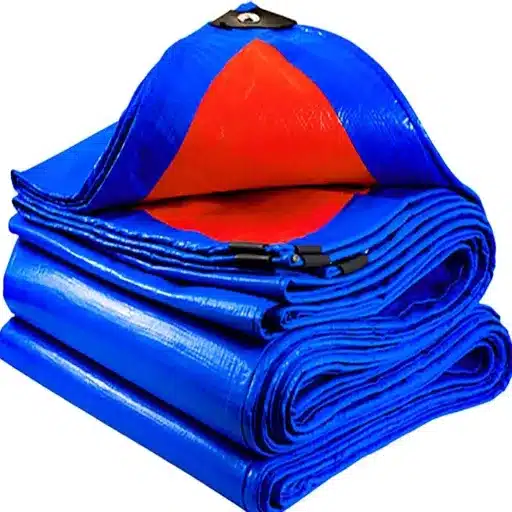
Poly tarps are waterproof when new because they are made from a woven HDPE scrim laminated with LDPE or LLDPE films. The plastic itself blocks water. Restoring a poly tarp waterproof barrier after UV or abrasion damage is difficult because the factory lamination is what creates the seal. The problem is not whether poly can be waterproof; it is how long it stays that way.
UV degradation breaks the polymer chains in the outer film, causing micro-cracks. UV radiation, repeated folding, and abrasion are the three main failure modes. Repeated folding and flexing create fatigue cracks along crease lines. Abrasion wears away the film at contact points.
Once the film is compromised, water finds its way through the scrim.
Spray coatings can slow this process temporarily, but they rarely restore a poly tarp to its original performance. Silicone or polyurethane sprays sit on top of the damaged film rather than bonding into a continuous new layer. They may help for a few weeks or months, but they cannot replace the factory lamination.
For a cheap blue tarp used in a backyard, a spray touch-up might extend service life slightly. For a construction site cover or agricultural storage tarp, re-treatment is usually false economy. A degraded poly tarp will fail when you need it most, and the cost of the spray plus the risk of asset damage often exceeds the cost of replacement.
In contrast, PVC-coated fabrics already arrive waterproof.
Vinyl / PVC Tarps: Maintenance, Not Makeover
PVC-coated polyester tarpaulin is already waterproof. The virgin-grade PVC coating on a high-tenacity polyester base typically delivers 2,000–6,000+ mm hydrostatic head, depending on weight and construction. For these fabrics, the question is not how to make them waterproof; it is how to maintain that waterproofing over years of service.
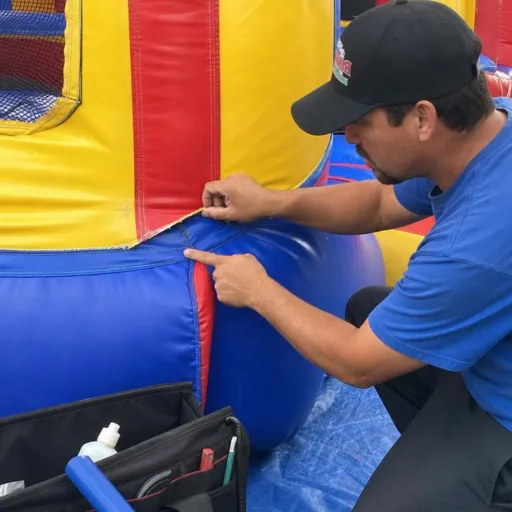
The most common failure points are seams, patches, and grommets. Factory seams are usually RF-welded or hot-air welded, creating a molecular bond stronger than the base material. Field repairs, however, are often taped or glued. If the adhesive degrades or the patch lifts, water enters at the edge.
For PVC maintenance, focus on seam resealing and patch integrity. Clean the area with isopropyl alcohol, apply a PVC-compatible adhesive or seam sealer, and press the patch from the center outward to remove air bubbles. For large tears or separating seams, hot-air welding by a qualified technician creates a permanent repair. Sewing is generally not recommended for PVC because needle holes create new leak paths.
UV protectant sprays can slow surface chalking and extend the lifespan of exposed PVC, but they do not add waterproofing. The waterproof barrier is already built into the material. Learn more about how PVC-coated laminated fabric is constructed and why it performs differently from coated canvas.
Meanwhile, lightweight synthetic tarps rely on a different waterproofing mechanism.
Nylon / Synthetic Tarps: DWR Reactivation
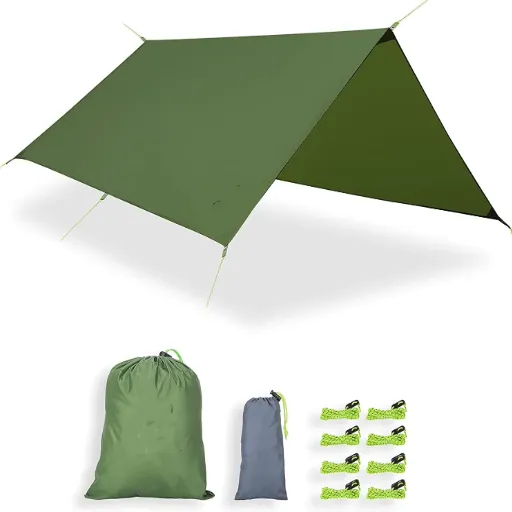
Lightweight nylon and polyester tarps used for camping and hammocks rely on DWR finishes and coatings such as silicone or polyurethane. Over time, dirt, oils, and abrasion degrade these finishes, causing the fabric to wet out. For a deeper explanation of how these coatings differ, read SlingFin’s fabric coatings 101 comparison.
Spray-on DWR products like Nikwax TX Direct or Gear Aid ReviveX can restore water beading. The process is simple: clean the tarp, apply the spray evenly while the fabric is damp, and air dry. Reactivation typically lasts for several months of regular use.
Some outdoor users apply a DIY silicone-and-mineral-spirits solution for a more permanent treatment. The mixture saturates the fabric and cures into a flexible waterproof layer. This method is effective but messy, requires excellent ventilation, and permanently changes the fabric’s feel and breathability. It is also difficult to apply evenly on large tarps.
If a nylon tarp has a degraded PU coating that has become sticky or is flaking off, no surface treatment will fix it. The coating is delaminating from the fabric. At that stage, replacement is the only reliable solution. Looking for a durable waterproof tarp for commercial or industrial use? Contact LY TRUSTLINK today to discuss your needs and receive a customized recommendation.
Step-by-Step: How to Apply Waterproofing Treatment
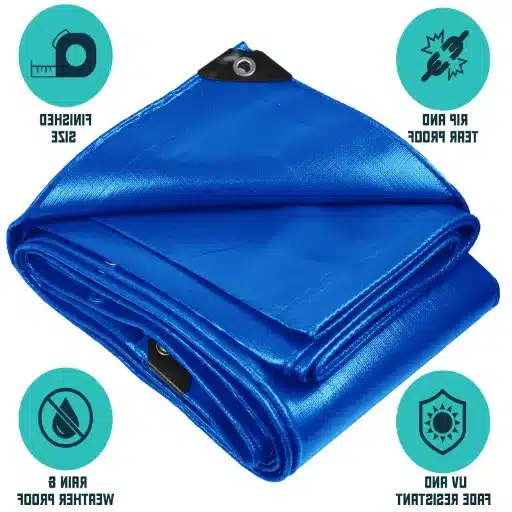
Regardless of material, the application process follows the same general sequence. Attention to preparation and curing determines whether the treatment lasts months or fails within days.
- Clean the tarp thoroughly. Use mild soap and water with a soft brush. Remove dirt, mildew, oils, and old flaking coating. Rinse completely. Soap residue prevents new treatments from bonding.
- Repair damage first. Patch holes, seal separating seams, and reinforce grommets before applying any coating. A waterproof layer over a tear simply funnels water into the damaged area. Our tarpaulin repair guide covers permanent fixes for each material.
- Choose the right product. Match the treatment chemistry to the fabric. Wax or oil for canvas, DWR spray for nylon, PVC adhesive for vinyl, and cautious use of spray coatings for poly.
- Apply in thin, even coats. Thick coats take longer to cure, trap solvents, and often crack. Work in a shaded, ventilated area with temperatures between 10°C and 25°C.
- Cure completely before use. Most treatments need 24–72 hours to dry to the touch and up to three days or more for full curing. Folding or packing a treated tarp too early causes coatings to stick, peel, or delaminate.
- Test and reapply if needed. After curing, repeat the water-bead test. If water still soaks in, apply a second thin coat.
Want to compare materials before you treat? Read our complete guide to choosing the right waterproof tarp material for your application.
Additionally, seam sealing is often more important than recoating the fabric surface.
Seam Sealing and Grommet Waterproofing
Seams are the weakest link in almost any tarp. Stitching creates hundreds of needle holes. Even heat-sealed seams can split under stress or UV exposure. Grommets concentrate tension at a single point, making them prone to tear-out and leakage.
For sewn seams, a quality tarp seam sealer, such as silicone seam sealer or Gear Aid Seam Grip, brushes into the stitch line and forms a flexible waterproof bead. Seam tape is another option, especially for straight, flat seams, but it requires clean fabric and firm pressure during application.
For PVC seams, hot-air welding is the professional standard. A technician uses a heated nozzle to soften the PVC and a roller to fuse the overlap. The result is a weld that matches the waterproofing of the original fabric. Adhesive seam tapes designed for PVC can work for smaller repairs, but they should be considered a field fix rather than a permanent solution. Our tarpaulin repair techniques guide covers grommet replacement and permanent seam fixes in more detail.
Grommets should be inspected for corrosion, deformation, and pull-out. A loose grommet acts like a wick, drawing water along the fibers. Replace damaged grommets with reinforced washers, and consider adding a fabric patch behind the grommet area to distribute load. For critical applications, webbing loops or rope channels eliminate the hard point entirely.
Therefore, always verify your results before you depend on the tarp.
Testing Your Results
After treatment and curing, verify performance before you depend on the tarp. Lay the fabric on a slight slope so water cannot pool. Pour two to three liters of water onto the surface and wait 10 minutes. If the water beads and runs off without darkening the fabric, the treatment is working.
If the fabric darkens or water appears on the underside, the treatment did not form a continuous barrier. Common causes include incomplete cleaning, application in high humidity, or a fabric that is too degraded to hold a coating. Re-clean and reapply, or accept that the tarp has reached end of life.
For industrial and commercial applications, do not rely solely on home testing. Request a documented waterproof rating and test reports from your fabric supplier. Standards such as AATCC 127 and ISO 811 provide reproducible hydrostatic head measurements. A procurement manager evaluating a truck fleet cover should see numbers, not just marketing claims.
Cost Analysis: DIY Treatment vs. New Tarp vs. PVC Upgrade
The cheapest option is rarely the least expensive over time. A $15 can of waterproofing spray might seem like a bargain, but if it adds only a few months of protection to a worn tarp, the cost per year of service can be surprisingly high.
Consider a 20 m² canvas cover. A wax treatment might cost 40inmaterialsandtwohoursoflabor,withre−waxingneededevery12months.Overfiveyears,thatis40inmaterialsandtwohoursoflabor,withre−waxingneededevery12months.Overfiveyears,thatis200 plus labor. A replacement canvas tarp of similar quality might cost $150 and last four to five years.
An industrial-grade PVC tarpaulin of the same size might cost 250–250–400 upfront but last 7–10 years with minimal maintenance.
| Option | Upfront Cost (20 m²) | Lifespan | 5-Year Cost | Best For |
|---|---|---|---|---|
| DIY Wax Treatment | ~$40 + labor | 6–12 months per coat | ~$200 + labor | Light-duty canvas covers, hobby use |
| Replacement Canvas Tarp | ~$150 | 4–5 years | ~150–150–200 | Moderate residential or farm use |
| PVC-Coated Polyester Tarpaulin | 250–250–400 | 7–10 years | 250–250–400 | Fleet, construction, agriculture |
For a homeowner covering a woodpile, the math favors simple treatment or replacement. For a logistics fleet, construction contractor, or agricultural operation, the PVC option usually wins on total cost of ownership. Downtime, cargo damage, and repeated labor add up faster than the initial price difference.
Need a fabric engineered for your exact load and climate? Talk to our engineering team about heavy-duty PVC tarpaulin for fleet cargo protection and other demanding applications.
Safety and Environmental Considerations
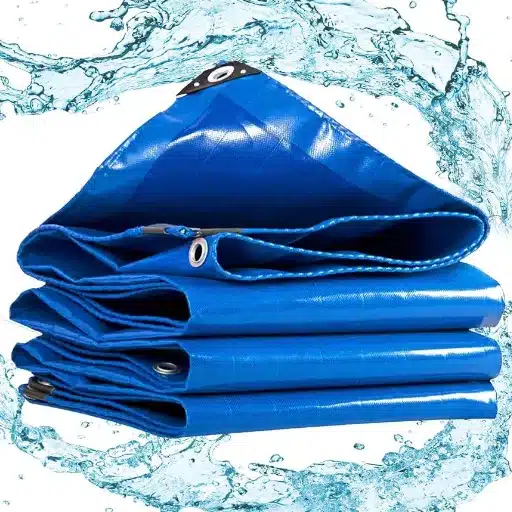
Waterproofing products contain solvents, isocyanates, or petroleum distillates that require proper handling. Always work outdoors or in a well-ventilated space. Wear nitrile gloves and eye protection. Avoid open flames; many solvents are flammable.
Dispose of rags, brushes, and leftover product according to local regulations. Solvent-soaked materials can spontaneously combust if piled together while curing. Lay them flat to dry completely before disposal.
For users concerned about environmental impact, several manufacturers now offer PFC-free DWR sprays and water-based canvas treatments. These products typically provide less aggressive waterproofing than solvent-based alternatives, but they reduce chemical exposure and are easier to dispose of responsibly.
Frequently Asked Questions
How do you make a tarp waterproof?
You make a tarp waterproof by matching the treatment to the material: apply wax or silicone to canvas, reactivate DWR on nylon, use PVC adhesive on vinyl seams, and replace polyethylene once the film degrades. Always clean and repair the tarp first, then apply the treatment in thin, even coats and allow full curing before use.
How long does waterproofing take to cure?
Most treatments dry to the touch within 4–24 hours. Full curing, which develops abrasion resistance and waterproof performance, usually takes 48–72 hours. Wax treatments may need several days in cool or humid conditions.
Do I need to waterproof both sides of a tarp?
For maximum protection, yes. Applying treatment to both sides ensures complete coverage. However, some coatings, especially DWR sprays on nylon, are designed to be applied to the outer face only. Always follow the manufacturer’s instructions.
Can you waterproof a tarp with household items?
Beeswax, paraffin, and linseed oil can be used to treat canvas in an emergency. However, household mixtures rarely provide consistent coverage or durability. For anything beyond temporary protection, use a product formulated for the fabric.
How often should I reapply waterproofing?
Spray-on silicone treatments typically need reapplication every 4–6 months. DIY wax treatments last 6–12 months. Factory-applied PU or silicone coatings on quality fabrics can last 3–7 years. Inspect the tarp seasonally and re-treat when water stops beading.
Why is my treated tarp still leaking?
The most common causes are unsealed seams, damaged grommets, degraded base fabric, or inadequate curing. Surface waterproofing cannot fix structural failure. Inspect all failure points before applying another coat.
Can you make a mesh tarp waterproof?
No. Mesh tarps are intentionally porous. Their purpose is shade, wind reduction, and debris control, not waterproofing. A solid fabric is required for moisture protection.
Conclusion
Knowing how to waterproof a tarp starts with understanding the material you are working with. Canvas responds to wax and oil. Nylon and polyester need DWR reactivation. Polyethylene can only be patched or replaced once the film degrades. PVC-coated polyester already carries a waterproof barrier; it simply needs proper seam maintenance and UV protection.
The best waterproofing decision balances upfront cost, expected lifespan, and the consequence of failure. A lightweight treatment may be enough for weekend camping. A fleet cover protecting cargo across interstate routes demands a material that is engineered, tested, and consistent from batch to batch. For help choosing the right waterproof tarp for your application, see our comprehensive material guide.
At LY TRUSTLINK, we manufacture PVC-coated polyester tarpaulin and other technical fabrics for operators who cannot afford unexpected leaks. If your application demands verified waterproof ratings, custom dimensions, or certified performance, request a consultation with our engineering team. We will specify a solution that matches your operational requirements; not just sell you another cover.