
Tarpaulin Fastening Systems: Complete Hardware Selection Guide
For the most part, the use of tarpaulins serves three main purposes: guarding valuables, keeping spaces open, and fully utilising varying weather conditions. A tarpaulin may be strong and perfectly designed, but to function adequately, appropriate fastening systems must be used. Heavy equipment, goods, or tarpaulin requires the correct hardware. The present exposition will explain the importance and provide detailed information about basic tarpaulin fastening systems, facilitating the choice process. Learn the basics of using each, whether it is bungee ropes, eyelets, and tightening devices in between; know when and how to use each effectively.
Understanding Tarpaulin Fastening Systems

While pitching a tarpaulin, having the appropriate fastening systems is significant for its proper use and strength. Some usual systems are:-
- •Bungee Cords: These are stretchable components which can be held in place securely but is more appropriate since it extends as spot holds stretch.
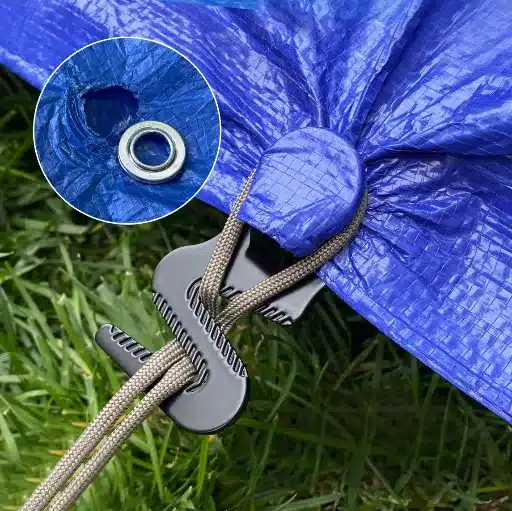
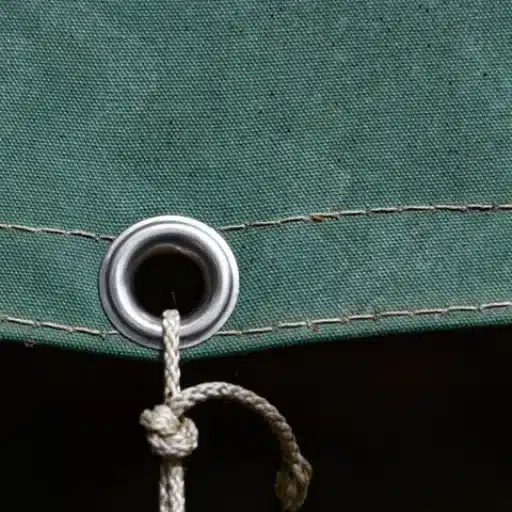
- •Grommets: For if these are metallic rings giving holes around the periphery of a tarpaulin, hooks or ropes can be tied through these to fasten it on useful equipment.
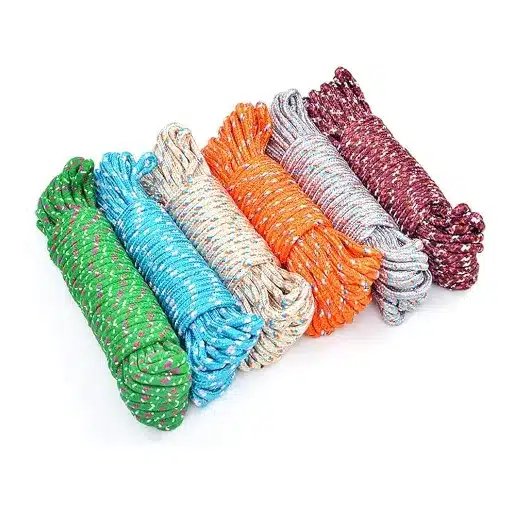
- •Rope or Twine: Very basic and enjoyable Men threading through eyelets fastened the tarpaulin for it stayed.
- •Tarp Clips: Since tarps without in-built grommets can’t be used, these attachments clench the collected fabric strongly and present fixing points for cords or ropes.
- •Ratchet Straps: Being very sturdy, the ratchet straps are mainly used when there is a high tension and the item needs to be held in place.
With the right latching system, one can alleviate the problems posed by attempting to retain the structure of the tarp. It is essential to ensure the method aligns with the level of strain and the available environment for best outcomes.
Overview of Fastening Systems
Manufacturers of fastening systems for tarps produce a variety of products suitable for each and every customer as well as saturation level. Elastic cords are convenient for use both outside and within fixed structures, providing a particular order to the setup. In contrast, these grommets effectively and firmly hold the pvc tarpaulin in place using ropes or straps for the longest time possible. Securing tarps with these ball ties also has the added benefit of taking only a few seconds. However, it is the ratchet straps that offer the greatest tension and the most security in strenuous applications. The selection of the fastening method depends on factors such as the amount of stress, use, and environment to achieve a risk-free and sound system.
Importance of Anchor Systems in Tarpaulin Applications
Adequately securing tarpaulin systems is a tactically essential task for the effective use of buildings and constructions of any type. Anchors secure the tarpaulin to prevent it from tearing or crushing due to gusty winds, rain, and other excess loads. Particularly, it is needed outdoors where weather condition variations may affect the stability of its support. Advanced anchorage technologies, based on principles of humankind support customization, are suitable for rigid surfaces of any type, such as concrete, dirt, and even metal beams. The higher durability of tarpaulins, along with the safety of secured items through effective fastening systems, completes this. Using suitable anchoring depends on the purpose and environmental pressure, so strategic planning and thoughtful decisions are essential before constructing anything.
Types of Fasteners Used for Tarpaulins
There are various fastening systems in use for tarpaulins, designed to cater to different purposes and environments as detailed below:
Grommets and Bungee Cords
These are used to make holes called grommets on the edges of tarpaulins and hence make it easier to attach bungees. Most of the time bungee cords are passed through these grommets and these grommets help in holding the tarp in place.
Rope or Tie-Down Straps
Strong ropes and or tie down straps – adjustable or not – may be used to hold tarps either by passing through the grommets or wrapping them around the anchor. Such are best when high tension is needed.
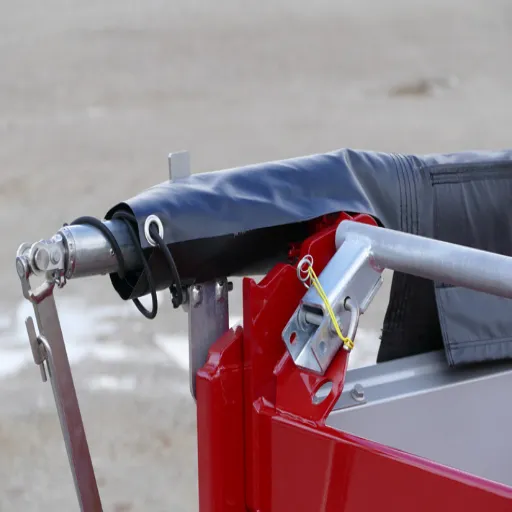
Clamps or Tarp Clips
Tarp clips or clamps are designed to secure a tarp in position by clamping to its edges rather than using grommets.
Elastic Shock Cords
These are stretchable cords that allow the tarps to be tensioned without stress.
Hook and Loop Straps
They are easy to apply and can be utilized again, which means using such straps is advantageous where light load tarps have to be secured.
Fastening a tarp requires different kinds of fixtures depending on the type of tarp being used, the surface it is to be fixed on and the demands of the application.
Product Categories for Tarpaulin Fastening
- ►Bungee Cords: These are the elastic cords used best in provision of tension that is flexible and safe enough.
- ►Tarp Clips: These are claws that hold anything in place quickly without tearing the tarp.
- ►Ball Bungees: Highly reliable ‘stretchy’ items that can be used for togging and other purposes.
- ►Straps and Ropes: These are another good medium for leakage control using curtains.
- ►Hook and Loop Fasteners: Secure, low profile, reusable ties in general applications.
However, each system has its own set of benefits and functions for various hardwearing fastening systems purposes.
Mechanical Fasteners for Tarpaulins
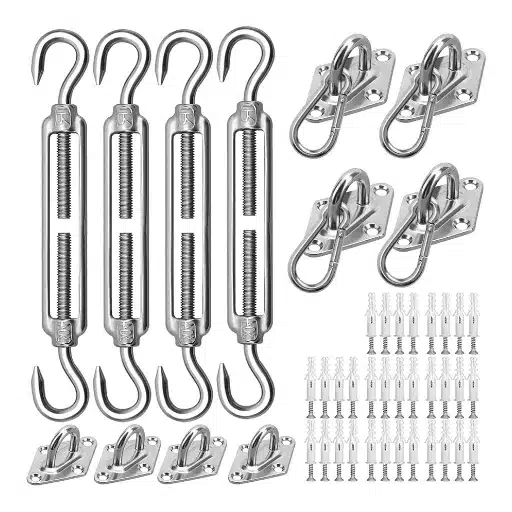
The structure of mechanical fasteners used in the attachment of tarpaulins ensures ease of use, safety, and durability. The most typical options include reinforced grommet eyelets, which can accommodate ropes or cords, and screws with washers, commonly used for fastening tarps on wooden or steel surfaces. However, clips are more likely to be used than clamps, which hold but do not cut such material. These fastening systems hold tightly to the tarp to prevent it from coming off in harsh weather conditions, which is crucial for securing the tarps longer.
Adhesive Solutions for Securing Tarpaulins
Adhesive systems help overcome obstacles, such as inappropriate surfaces for fixing tarpaulins, by using fastening systems. Reinforcing tapes such as PVC and fabric-like materials, along with resin and scrim, are meant to firmly attach the tarp to the surface for a secure grip. Such tapes are resistant to the weather and the estimated retention of edges or gaps, as the case may be, can be for a short-term or long-term period. They do not have a resharpenable feature; however, they can be cut using only glues, sealants, and caulks, such as polyurethane or silicone adhesives, to ensure they remain water-resistant and form a strong bond between surfaces. It is suggested to use these adhesive options when piercing the tarp fabric should not occur during mounting. Nevertheless, some surface treatment, such as cleaning and drying, must be done to ensure better adhesion and provide a smooth background effortlessly.
Innovative Drive and Rivet Options
For fixing covers or any other elastic materials, advanced fastening systems have become the standard. These snap-together rivets, press-fit grommets, and push-in pegs are quick and easy to install for performance purposes. Many of these types come nowadays with advanced materials – corrosion-resistant steel or strong plastic – that will allow them to withstand environments that are less than hospitable. These innovative drive methods do not require filling the hole before fixing, unlike self-drilling screws with bonded washers, which allow for quick and easy installation in any location without contact. Such fastening systems and equipment are not only valuable for rigidly linking joints but also relevant to most available uses, from ecosystems to construction to home-based innovations, providing excellent convenience in every application.
Choosing the Right Fastener for Your Tarpaulin
When choosing a suitable fastener for the tarpaulin, one should consider the material, thickness, and intended use of the tarp. Tarps without much weight typically work with just plain grommets and cords, but the tougher and thicker tarps might need stronger fastening systems such as self-tapping bolts or heavy-duty clamps. Make sure that the fastener is strong, weather resistant, and does not fail when used for what it was designed.
Factors to Consider When Selecting Fasteners
- Material Compatibility: Ensure the fastener is compatible with the type of tarpaulin you will be using, so neither is ruined or diminished in efficacy.
- Weather Resistance: Fasteners should be able to withstand environmental factors such as rain, wind, UV exposure, or extreme temperatures!
- Strength and Durability: Fasteners should have enough strength to hold together the tarp in place, mainly if it might be used for heavy stresses or applications.
- Ease of Use: Depending on whether the tarp needs to be adjusted or repositioned frequently, opt for fasteners that are easy to install and remove.
- Application Requirements: Consider the intended use—there might be a need for the fastener to remain stationary during transport, for instance, or to provide protection for a short duration —in stressing the applicability.
Comparing Steel vs. Polyurethane Fasteners
Steel fasteners excel in strength and durability, while polyurethane fasteners offer flexibility, resistance to chemicals, and lightweight advantages.
Installation Techniques for Tarpaulin Fastening Systems

For proper installation of the tarpaulin fastening systems, first consider which fasteners will be used, depending on requirements such as the load that can be carried, environmental conditions, or the desired flexibility of the system. Ensure the edges of the tarpaulin are reinforced to prevent tearing, and place the fasteners at equal distances to enhance tension. Grommet kits, adjustable straps, and hooks are examples of tools that ensure the tarpaulin is held to the required level. Carefully inspect each connection point to ensure that everything is working as it should, and if need be, be prepared to change the system.
Using Structural Screws for Tarpaulin Installation
For structural screws used in fastening tarpaulin, I consider whether such screws will properly work through what I intend to fix and whether they will remain in place to withstand any pulling force. To avoid splitting the surfaces, gently drill holes before the screws are entirely driven through, and adjust the position of the screws on any extra liner pieces on the tarpaulin edges. Once fitted in place, the tensioning of the tarpaulin is inspected, and it is re-tensioned if the installation seems unstable.
Best Practices for Mechanical Fastening Systems
When implementing mechanical fastening systems, choosing suitable fasteners based on their application is of utmost importance. Additionally, the selection process is dictated by the material, the environment in which the fastener is to be used, and the load on the fastener. Stainless steel fasteners should be used in coastal areas or underwater to keep corrosion at bay. On the other hand, a lack of alignment or tension during the fitting process is known to cause the materials to experience excessive stress. Additionally, drilling holes in advance (if any) should be done to prevent structural damage, such as cracks, and to fit the components accurately. From time to time, it is crucial to check and maintain the system to repair or remove worn-out fasteners and prevent the system from collapsing.
Drilling and Accessory Tips for Effective Fastening
Engaging in drilling work while fastening systems without using basic techniques and equipment timing complicates and affects the working speed. Remember to select a suitable drill bit for the application — be it for ‘wood, metals, or masonry’. This will help keep chipping at bay, and the drill shall fit in perfectly. Maintain the same pressure while drilling to avoid breaking or burning the drill bit because this will typically lead to a reduction in efficiency.
For even better results, there are accessories such as a countersink to drill in place bolts or pilot holes to reduce slobber in certain materials. For longevity, especially in situations where the working material is rigid, it is best to choose drill bits made of high-speed steel or coated with titanium. Also, check that the speed of the drill is turned to the appropriate one, the softer the material, the faster the speed of the drill, and vice versa for hard materials.
Finally, regularly replace bits that are dull or worn out over time, as they cause inefficient drilling and may easily lead to incidents. A clean and well-maintained drill and its accessories significantly contribute to making fastening systems more effective and professional.
Maintenance and Management of Tarpaulin Fastening Systems
Tarpaulin fastening systems, when appropriately used in checked conditions, will help manage them for many years. For instance, make sure all the fastening components are routinely examined. These include hooks or cords. Eyelets too cannot be sidelined, as the same applies to them. There should be no signs of worn fastening heads, rust, or non-functional parts. This means that there should be no dirt on any of the fasteners after use. If he/she is not using the tarpaulins and its components, they must be kept where they are dry and covered so any material loss does not occur. The quick action to replace the parts that are damaged or in some ways worn out will help keep the system operational ensuring that the tarpaulin is not dislodged during its utilization.
Regular Inspection of Fasteners and Anchors
In my line of work, it is pretty essential to inspect every fastener and anchor regularly to assess for damage. By evaluating them for any damages, wear and tear, or rust, you can implement repairs before the situation gets out of hand. Practicing this approach contributes to the stability and hardness of the system over a long period of time.
Repairing and Replacing Tarpaulin Fasteners
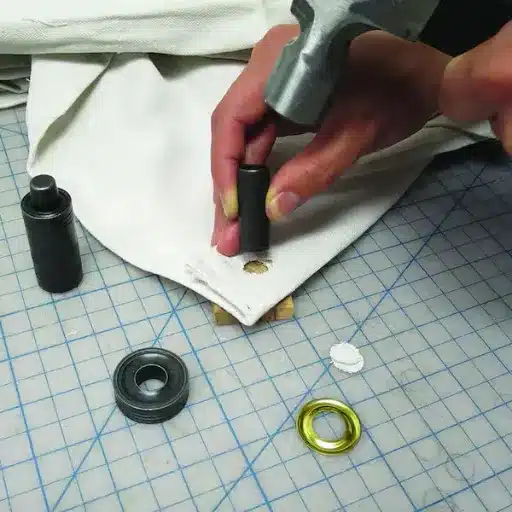
Fixing and changing tarpaulin fastening systems is simple and can make your tarp last longer. First, evaluate the state of broken fasteners to see whether they need fixing or replacing. A standard solution for minor defects such as loose grommets or small tears around the fastener area is the use of grommet setter tools or adhesive patches that come in repair kits. Such kits can be found almost anywhere, and even more importantly, they are essential for use. On the other hand, if it’s significantly damaged or the fastener is missing, it needs to be replaced to restore it to working condition.
If you need to change elements of fastening systems, choose any sufficiently rigid and corrosion-resistant material, such as brass or stainless steel, which can be used outdoors. Make specific the new fastening systems are the same size and design as those that it’s supposed to substitute to be able to fasten it from end to end properly. Perform regular inspections and carry out repair services on the fasteners for maximum reliable operation without unplanned concerns, thereby enhancing the lifespan of your tarpaulin.
Long-term Care for Tarpaulin Systems
Proper maintenance of tarpaulin fastening systems shall extend their effective period of use. The most effective way to meet this goal is to wash the tarpaulin with a bit of water and soap to remove all the dirt and fungus that cause the replacement material to become thinner over time. It is advisable to refrain from any tactile or chemical attacks that could affect the surface finish. After this, allow the tarpaulin to dry completely before putting it away, to minimize the possibility of molds and mildews.
Tarpaulins are better stored in cool, dry conditions away from sunshine, as it weakens the fabric’s structure, reducing its useful life over time. Pack or roll the tarpaulin up properly without any unnecessary creasing, these may turn out to be folds over time and make the canvas crack. It is required to periodically check if there are signs of typical wear and tear, loon’s in places, or eyeholes that have been torn and all such areas should be patched with tarpaulin-type patching material.
In conclusion, also, check that all fastening systems, fittings, fasteners, and rings don’t shake when you touch them and are not covered in corrosion formations. Your tarpaulin system will serve you reliably and efficiently for a while if given the appropriate maintenance and repairs as necessary.
Reference Sources
-
Design and construction of a collapsible tarpaulin-lined pond for aquaculture production
This paper discusses the design and construction of collapsible tarpaulin systems, which could provide insights into fastening and structural considerations. -
Investigation of the Strength and Dynamic Load on a Wagon Covered with Tarpaulin for 1520 mm Gauge Lines
This study examines the strength and load dynamics of tarpaulin-covered wagons, offering valuable data on fastening systems under dynamic conditions. -
Experimental study of installation procedure and volume estimation of tarpaulin for chemical treatment of fish in floating cages
This research explores the installation and fastening of tarpaulins in aquatic environments, which could be relevant for understanding hardware requirements. -
Technology of construction of a soft enclosing structure
This article discusses the connection of tarpaulin panels using metal clamps and cords, providing practical insights into fastening techniques. -
Materials and Construction Details
This document includes guidelines on the use of tarpaulins for waterproofing and storage, with details on fasteners and anchorage devices.
Frequently Asked Questions (FAQs)
How can I select proper fastening systems for the individual case?
The selection of the fastening systems should be made according to such factors as type of material used, application, and environment. That is why it is really important to discuss with a keen distributor or manufacturer, who will offer several options, whether they be special nailed sleeves or head disks of certain industry application.
How are fastening systems used in the installation of insulation?
The effective installation of insulation does not occur without fasteners, as they hold the insulation in place, avoid thermal bridging and facilitate energy efficiency. Properly employed fasteners increase the efficiency of insulation systems; ensuring looses do not occur alongside improving the appearance of the outer walls of the building. Many people prefer self-tapping screws since they are easy to fix and tend to hold well.
In the HVAC industry, what types of fastening systems exists?
Different types of fastening systems exist to serve the HVAC industry, including mechanical means, adhesives, and combinations of both. Each of these systems is set to an appropriate connected cycle to ensure that the venting solutions and components are used correctly. Therefore, it is necessary to determine the methods that best apply to the air conditioning work, in consultation with a consultant or an air conditioning firm, if available.
Why manufacturers can assure the efficiency and durability of their fixture products?
There is assurance from upholders of the manufacturers’ brand distinctions that all these aging deficiencies are countered through testing and conformity to accepted norms. This refers to the ability of these customized products to withstand both everyday wear and tear and abnormal extremes. Moreover, certified manufacturers generally include validity certificates to their clients as a means of confirming such items can withstand the intended wear upon use for typical cases.
Is it possible to get fastening solutions made to order for uncommon projects?
Yes, multiple manufacturers and distributors provide a range of fastening solutions including customization as per the unusual demands of any project. So whether you need a fastening system designed using a different material, size, or mechanical properties, working together with a supplier will always be of great help in developing a perfect solution for any application.
What distinguishes a standard fastening system from a hybrid one?
Fastening systems in conventional assembly are either mechanical fasteners or adhesives, typically sticking to one type at a time. In contrast, hybrid fastening systems use two or more different types. This is because hybrid systems offer more functional and dependable alternatives, making it possible to apply these systems in numerous conditions, including those with insulation and specific objectives.
Conclusion
Selecting the right tarpaulin fastening system is crucial for ensuring durability, safety, and optimal performance across various applications. By understanding the different types of fasteners available, considering key factors such as material compatibility, weather resistance, and application requirements, and following proper installation and maintenance practices, you can maximize the effectiveness and longevity of your tarpaulin systems. Whether you’re working with mechanical fasteners, adhesive solutions, or innovative drive options, the right choice will provide reliable protection and secure fastening for years to come.