
Custom Tarpaulin Manufacturer | OEM Solutions & Specifications
When a logistics fleet manager in Dubai contacted us after losing $47,000 in cargo damage from substandard tarpaulins, the problem wasn’t the weather. It was a material specification. The previous supplier delivered tarps rated for temperate climates into a desert environment with UV indices exceeding 11. Within six months, the PVC coating had degraded, seams had separated, and three shipments suffered water damage during unexpected sandstorms.
This scenario repeats across industries worldwide. Selecting a custom tarpaulin manufacturer requires more than comparing prices. It demands understanding material science, manufacturing capabilities, and the engineering support that ensures your specifications match your operational environment.
By adhering to rigorous industry standards, our solutions provide unparalleled reliability and efficiency for enterprise-level applications. This guide covers everything procurement managers and operations engineers need to specify, evaluate, and source custom tarpaulins from a manufacturer they can trust. Contact LY TRUSTLINK today to learn more about our high-performance PVC coated fabric solutions for industrial and commercial applications.
Key Takeaways
- Custom tarpaulin manufacturing requires matching GSM weight (500-900gsm), coating type, and base fabric to specific environmental and mechanical demands
- NFPA 701 fire retardancy and ISO 9001 quality management are non-negotiable certifications for industrial applications
- OEM/ODM capabilities should include engineering consultation from concept through prototype to certified bulk production
- Material failure costs 5-10x more than premium material investment when accounting for cargo damage, project delays, and replacement cycles
- A reliable custom tarpaulin manufacturer provides multi-point quality testing including tensile strength, tear resistance, and UV degradation verification
What Defines a Quality Custom Tarpaulin Manufacturer
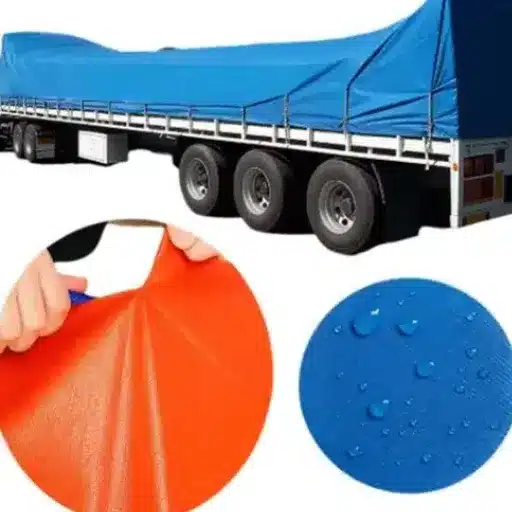
Not all manufacturers who cut fabric to custom dimensions qualify as custom tarpaulin manufacturers. True custom manufacturing requires engineering capability, material science expertise, and quality assurance systems that deliver consistent performance across every production batch.
Material Science Expertise
The foundation of any quality custom tarpaulin lies in raw material selection. A manufacturer offering custom solutions should demonstrate deep understanding of:
Base Fabric Construction
High-tenacity polyester provides the structural backbone of industrial tarpaulins. The denier rating (typically 1000D to 2000D for heavy-duty applications) determines tear resistance and load-bearing capacity. Manufacturers who understand material science will recommend specific denier ratings based on your application’s mechanical stress profile.
PVC Coating vs. Lamination
Two primary methods exist for applying PVC protection:
- PVC Coating: Liquid PVC is applied to the base fabric and cured at high temperatures. This creates a thicker, more flexible protective layer ideal for applications requiring frequent folding or rolling.
- PVC Lamination: Pre-extruded PVC film is bonded to the base fabric using heat and pressure. This produces a more uniform thickness and superior dimensional stability, preferred for architectural membranes and precision applications.
A qualified custom tarpaulin manufacturer will recommend the appropriate method based on your application requirements rather than offering only one option.
Virgin vs. Recycled PVC
Virgin-grade PVC maintains a consistent molecular structure, delivering predictable performance in tensile strength, UV resistance, and chemical stability. Recycled PVC introduces variability that can compromise performance in demanding environments. For applications where failure has operational consequences, virgin-grade PVC is the engineering specification standard. Get in touch with LY TRUSTLINK to discuss your custom PVC coated fabric requirements and receive tailored production solutions.
Manufacturing Capabilities
Custom tarpaulin fabrication requires equipment and processes beyond standard tarp production:
Width and Length Flexibility
Industrial applications demand non-standard dimensions. A capable manufacturer should offer widths from 1.5m to 5m+ and virtually unlimited lengths, with precision cutting that maintains dimensional accuracy within ±2%.
GSM Range
Grams per square meter (GSM) determines fabric weight and performance characteristics:
- 500-650gsm: Light commercial applications, temporary covers, agricultural protection
- 650-800gsm: Standard industrial use, truck covers, construction site protection
- 800-900gsm: Heavy-duty applications, extreme weather protection, high-load scenarios
A manufacturer offering custom specifications should stock or produce the full 500-900gsm range.
Seam Construction
RF (radio frequency) welding and hot-air bonding create molecular-level bonds that outperform stitched seams for waterproof applications. A quality custom tarpaulin manufacturer will offer both options and recommend the appropriate method based on your material thickness and application requirements.
Quality Certifications
Certifications verify that a manufacturer’s processes meet international standards:
ISO 9001 Quality Management
This certification confirms the manufacturer maintains documented quality management systems covering material sourcing, production processes, inspection procedures, and corrective action protocols. It ensures batch-to-batch consistency.
NFPA 701 Fire Retardancy
Required for construction sites, event venues, and any application where fire risk exists. NFPA 701 compliance verifies the fabric passes flame propagation testing under controlled laboratory conditions.
SGS Testing and Verification
Third-party testing by SGS provides independent verification of material properties including tensile strength, tear resistance, UV degradation resistance, and waterproofing integrity.
When evaluating a custom tarpaulin manufacturer, request copies of current certifications and verify their validity directly with the issuing bodies.
Custom Tarpaulin Specifications Explained
Specifying a custom tarpaulin requires understanding how material properties translate to field performance. This section explains the key specifications procurement teams should evaluate.
Weight and GSM Selection
GSM selection directly impacts performance, handling, and cost. Choosing the wrong weight creates either over-engineered waste or premature failure.
500-650gsm Applications
This weight range suits applications where tarps are frequently handled, folded, or rolled. Common uses include:
- Agricultural crop protection during harvest seasons
- Temporary construction site material covers
- Short-term outdoor event canopies
- Light-duty equipment dust covers
650-800gsm Applications
The industrial standard for most commercial applications. This range balances durability with manageable handling:
- Truck side curtains and flatbed cargo covers
- Scaffolding weather protection
- Industrial machinery outdoor storage
- Medium-term construction enclosures
800-900gsm Applications
Heavy-duty specifications for extreme conditions or high-value asset protection:
- Permanent or semi-permanent outdoor structures
- Extreme climate cargo protection (desert heat, arctic cold)
- High-wind coastal and marine applications
- Construction membrane fabrics requiring structural integrity
A qualified custom tarpaulin manufacturer will assess your specific operational conditions before recommending a GSM specification. Environmental factors including UV index, temperature range, wind load, chemical exposure, and mechanical stress all influence the optimal weight selection. Whether you need PVC coated fabrics for truck covers, tents, tarpaulins, or outdoor products, LY TRUSTLINK is ready to support your business with reliable manufacturing expertise.
Coating Types and Applications
The PVC coating formulation determines chemical resistance, UV stability, and temperature performance.
UV-Resistant Formulations
UV inhibitors integrated into the PVC matrix during manufacturing prevent polymer chain degradation. Standard formulations provide 3-5 years of UV resistance; premium formulations extend this to 7-10 years. For applications in high-UV environments (tropical, desert, high-altitude), specifying UV-resistant formulations is critical.
Fire Retardant Options
Fire retardant tarpaulins incorporate halogen-free flame retardant additives that suppress ignition and self-extinguish when the flame source is removed. NFPA 701 compliance requires passing both small-scale and large-scale flame tests.
Chemical Resistance Specifications
Agricultural, industrial, and marine environments expose tarps to chemicals that degrade standard PVC. Custom formulations can incorporate resistance to specific chemicals including acids, alkalis, petroleum products, and saltwater.
Construction and Finishing
How a tarpaulin is constructed determines its operational lifespan as much as the material itself.
RF Welding and Hot-Air Bonding
These thermal joining methods create molecular bonds between PVC surfaces, producing seams that are stronger than the base material. RF welding suits thicker materials (700gsm+); hot-air bonding works well for lighter weights and complex geometries.
Grommet and Eyelet Placement
Brass or stainless steel grommets provide secure tie-down points. Custom placement allows spacing optimized for your specific rigging requirements. Standard spacing is 600mm; high-wind applications may require 300mm spacing.
Reinforcement and Hemming
Double-folded hems with internal reinforcement webbing prevent edge tearing under tension. Corner reinforcement patches distribute stress at high-load points. A quality custom tarpaulin manufacturer will include these reinforcements as standard, not as expensive add-ons.
Contact LY TRUSTLINK today and discover how our PVC coated fabric products can enhance the quality and durability of your projects.
Custom Tarpaulin Applications by Industry
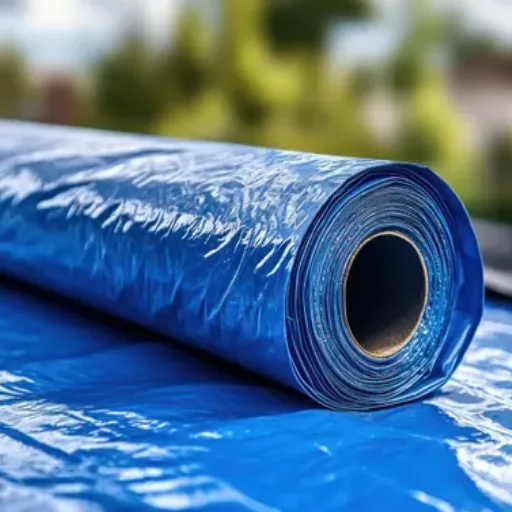
Different industries impose unique demands on tarpaulin performance. Understanding these application-specific requirements ensures your specifications match operational reality.
Transportation and Logistics
Fleet operators require tarps that withstand constant mechanical stress, UV exposure, and weather cycling. Custom truck tarpaulins must balance durability with driver handling efficiency.
Truck Side Curtains
Side curtains for curtain-sider trailers require precise dimensions, reinforced bottom rails, and UV-stabilized formulations. Standard specifications include 900gsm PVC-coated polyester with UV resistance rated for 5+ years of continuous outdoor exposure.
Flatbed Cargo Covers
Flatbed applications demand high tensile strength to resist wind uplift at highway speeds. Custom sizing ensures complete cargo coverage without excess material that flaps and accelerates wear.
When Marcus, a fleet manager for a mid-sized logistics company in Houston, switched from standard polyethylene tarps to custom 800gsm PVC covers, his cargo damage claims dropped 73% within the first year. The custom specification included reinforced corner patches and grommet spacing optimized for his fleet’s specific trailer dimensions.
Construction and Infrastructure
Construction sites expose tarps to abrasion, chemical contact, and prolonged UV degradation. Custom specifications must account for these combined stressors.
Scaffolding Covers
Scaffolding applications require fire retardancy compliance (typically NFPA 701) and UV resistance for prolonged outdoor exposure. Custom dimensions eliminate the waste and safety hazards of oversized standard tarps.
Weather Protection Enclosures
Temporary construction enclosures for concrete curing, painting, or equipment protection require precise dimensions and ventilation provisions. Custom manufacturing allows integrated vent panels and access points.
Marine and Aquatic
Marine environments combine saltwater corrosion, intense UV exposure, and constant moisture. Standard tarpaulins fail rapidly in these conditions.
Pool Liners and Safety Covers
Commercial pool applications require chemical resistance to chlorinated water and UV stability for continuous sun exposure. Custom pool liners must match exact pool dimensions with reinforced stress points at corners and attachment hardware.
Boat Covers and Marine Storage
Marine storage covers require breathability to prevent moisture accumulation while maintaining waterproof protection. Custom sizing ensures proper fit without pooling points that collect rainwater and stress the fabric.
The Custom Manufacturing Process
Understanding how a custom tarpaulin manufacturer executes your order reveals the quality systems behind the finished product.
From Specification to Production
A professional custom manufacturing process follows defined stages:
Engineering Consultation
The process begins with a detailed requirements review. Your operational environment, performance expectations, and application constraints are documented. This consultation should identify specifications you may not have considered, such as cold-crack resistance for winter applications or chemical resistance for agricultural use.
Material Selection and Specification Confirmation
Based on the consultation, the manufacturer recommends specific material combinations: base fabric weight and denier, PVC coating type and thickness, UV inhibitor concentration, and fire retardant formulation. A formal specification document should be provided for your approval before production begins.
Prototype and Sample Production
Reputable manufacturers produce sample panels for your evaluation before committing to bulk production. This allows physical inspection of material quality, seam construction, and finishing details. Sample production typically requires 2-3 weeks.
Quality Testing and Approval
Samples undergo testing for tensile strength, tear resistance, seam integrity, and waterproofing. Test reports should be provided with your samples for independent verification.
Bulk Production and Delivery
Following sample approval, bulk production proceeds according to agreed timelines. Production lead times typically range from 4-8 weeks depending on order volume and material availability.
Minimum Order Quantities
MOQ requirements vary significantly between manufacturers:
- Standard MOQ: 500-5,000 square meters for custom specifications
- Sample Orders: Most manufacturers accommodate sample orders below standard MOQs
- Prototyping and R&D: Some manufacturers offer reduced MOQs for new product development
A manufacturer oriented toward long-term partnership will offer flexibility on MOQs, particularly for initial orders and prototype development.
Lead Times and Delivery
Realistic lead time expectations prevent operational disruption:
- Sample Production: 2-3 weeks from specification approval
- Bulk Production: 4-8 weeks depending on volume and complexity
- Shipping: 2-4 weeks for international ocean freight; 3-7 days for air freight
Factor these timelines into your procurement planning. Rush orders are possible but may incur premium costs and quality risks.
How to Evaluate a Custom Tarpaulin Manufacturer
Selecting the right manufacturing partner requires systematic evaluation across technical capability, quality assurance, and partnership reliability.
Technical Capability Assessment
Material Range
Verify the manufacturer stocks or produces the GSM range your applications require. A manufacturer limited to 600-700gsm cannot serve heavy-duty industrial needs.
Customization Depth
True custom manufacturing extends beyond cutting standard materials to size. Evaluate whether the manufacturer can customize:
- PVC formulation (UV resistance, fire retardancy, chemical resistance)
- Base fabric specifications (denier, weave pattern)
- Seam construction methods (RF welding, hot-air bonding, stitching)
- Finishing details (grommet placement, reinforcement patterns, printing)
Engineering Support
A capable manufacturer provides engineering consultation, not just order processing. Their team should understand material science well enough to recommend specifications you haven’t considered.
Quality Assurance Verification
Certification Portfolio
Request and verify current certifications including ISO 9001, NFPA 701, and SGS test reports. Expired or missing certifications indicate quality management gaps.
Testing Methodology Transparency
Ask how the manufacturer tests incoming materials, in-process production, and finished goods. A quality-focused manufacturer will describe specific test methods, acceptance criteria, and rejection protocols.
Sample Testing Procedures
Evaluate whether the manufacturer provides test data with samples or only visual inspection. Physical test data (tensile strength in N/5cm, tear resistance in N, UV degradation percentage) demonstrates rigorous quality control.
Partnership Reliability Factors
Communication Quality
Responsive, technically competent communication during the evaluation phase predicts ongoing relationship quality. Evaluate response times, technical accuracy of answers, and proactive problem-solving.
Lead Time Consistency
Request references from existing clients regarding delivery reliability. Consistent on-time delivery prevents operational disruption in your supply chain.
Long-Term Relationship Orientation
Manufacturers focused on one-time transactions will not invest in understanding your evolving needs. Evaluate whether the manufacturer asks about your long-term requirements, offers framework agreements, and provides dedicated account management.
Sarah, a procurement director for a European construction firm, evaluated seven custom tarpaulin manufacturers over three months. The manufacturer she selected wasn’t the cheapest. It was the one whose engineering team asked detailed questions about her scaffolding contractor’s installation practices and recommended a specification improvement that reduced her tarp replacement cycle from 18 months to over three years.
LY TRUSTLINK Custom Manufacturing Capabilities
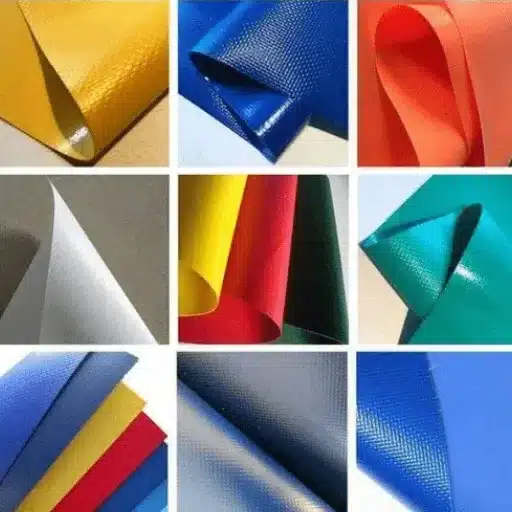
As a custom tarpaulin manufacturer serving global industrial clients, LY TRUSTLINK combines engineering expertise with manufacturing scale to deliver specifications that perform in demanding operational environments.
Our Engineering Approach
Every custom order begins with material science. Our engineering team assesses your operational environment, mechanical stress requirements, and performance expectations before recommending material specifications. We don’t sell standard products cut to custom sizes. We engineer solutions to your specific challenges.
Multi-Point Quality Testing
Every production batch undergoes testing for:
- Tensile strength (warp and weft directions)
- Tear resistance (trapezoid method)
- UV degradation resistance (accelerated weathering)
- Seam integrity (peel and shear testing)
- Waterproofing (hydrostatic head testing)
Test reports accompany every shipment, providing documentation for your quality records and compliance requirements.
Certification and Compliance
Our manufacturing processes comply with international standards:
- ISO 9001: Quality management systems certification
- NFPA 701: Fire retardancy compliance available for construction and event applications
- Environmental Regulations: Compliance with applicable environmental standards
- Sustainability Program: Recyclable options, water-based coatings, zero-waste-to-landfill achieved in 2023
OEM/ODM Services
We support custom projects from concept to certified delivery:
- Full Custom Specification Capability: Weight, coating, dimensions, certification
- Engineering Support: Technical consultation throughout the development process
- Prototype Flexibility: Sample production with test data within 2-3 weeks
- Production Scale: Capacity for orders from prototype quantities to full container loads
Request a Custom Specification Consultation to discuss your project requirements with our engineering team.
Frequently Asked Questions
What is the minimum order quantity for custom tarpaulins?
Standard MOQs range from 500-5,000 square meters depending on the specification complexity. Sample orders and prototype quantities can be accommodated below standard minimums for new product development. Contact our engineering team to discuss your specific requirements.
How long does custom tarpaulin manufacturing take?
Sample production requires 2-3 weeks from specification approval. Bulk production timelines range from 4-8 weeks depending on order volume and material complexity. International shipping adds 2-4 weeks for ocean freight or 3-7 days for air freight.
Can custom tarpaulins be made fire retardant?
Yes. Fire retardant formulations incorporating halogen-free flame retardant additives are available for applications requiring NFPA 701 compliance. Fire retardant options are commonly specified for construction site covers, event tent fabrics, and industrial applications where fire risk exists.
What certifications should I look for in a custom tarpaulin manufacturer?
Key certifications include ISO 9001 (quality management), NFPA 701 (fire retardancy), and third-party testing verification from organizations like SGS. These certifications confirm the manufacturer maintains documented quality systems and produces materials meeting international performance standards.
How do I specify the right GSM for my application?
GSM selection depends on environmental exposure, mechanical stress, and expected service life. Light applications (temporary covers, agricultural protection) typically require 500-650gsm. Standard industrial applications (truck covers, construction protection) need 650-800gsm. Heavy-duty extreme conditions require 800-900gsm. A qualified manufacturer will assess your specific conditions and recommend the appropriate specification.
Conclusion
Selecting a custom tarpaulin manufacturer requires evaluating technical capability, quality assurance systems, and partnership reliability. Material science expertise determines whether your specifications match your operational environment. Quality certifications verify manufacturing consistency. Engineering support ensures your custom tarpaulins perform as specified across their intended service life.
The cost of material failure, cargo damage, project delays, and replacement cycles far exceeds the investment in premium custom specifications. A reliable manufacturing partner reduces operational risk by engineering solutions to your specific challenges rather than offering standard products cut to size.
Ready to specify your custom tarpaulin requirements? Talk to an Engineer to discuss your project specifications, or request a sample order to evaluate our material quality and manufacturing capabilities firsthand.
This article was written by the LY TRUSTLINK engineering team. For technical specifications or custom manufacturing inquiries, contact our engineering department.