
18 oz vs 20 oz PVC Vinyl for Inflatables: Which Wins?
For most commercial inflatables, 18 oz PVC vinyl is the correct weight. 20 oz PVC is the right choice only where a surface takes direct abrasive traffic or stays wet, such as water slide beds, splash units, and high-use obstacle courses, where the extra weight buys a 6-8 year service life instead of 5-7 and a wider margin against puncture and seam fatigue. The 18 oz vs 20 oz PVC vinyl decision isn’t “which is stronger.” It’s a question of where, on a given unit, the abuse actually lands.
Priya runs a splash-park rental company outside Phoenix, and she learned that the hard way. In 2023 she bought two 24-foot water slides built from 18 oz PVC.
The walls and the entry ramps held up fine through two summers. The slide beds didn’t. By July of the second season, both beds had worn through at the same chute, and the manufacturer quoted a full bed replacement rather than a patch.
When she reordered, she specified 20 oz on the beds and 22 oz at the entry apron. Both slides are still in rotation today, and neither bed has been replaced since.
The lesson isn’t that 20 oz is better fabric. It’s that weight should be specified by duty, zone by zone, not applied as a single number across a whole unit.
We manufacture PVC-coated technical fabric for inflatable makers, rental fleets, and industrial buyers in more than a dozen countries. We don’t sell finished inflatables. That means we can show you the numbers behind both weights, explain where each one belongs, and give you a way to confirm what you were actually shipped. For the construction and grading behind these figures, start with our bounce house fabric guide.
Key Takeaways
- 18 oz PVC (about 610 gsm, 0.50-0.60 mm) and 20 oz PVC (about 680 gsm, 0.60-0.75 mm) differ by roughly 70 gsm, which shows up as higher tear and tensile values, not just a thicker feel.
- 20 oz extends commercial lifespan from 5-7 years to 6-8 years and adds puncture and abrasion resistance where surfaces take direct wear.
- 18 oz remains the better all-round specification for dry-duty rental fleets because it handles and stores more easily at nearly the same durability.
- The cost gap is about 20-25% per square meter, which is justified only on the specific panels that see abrasion, wet duty, or heavy traffic.
- On both weights, request the oz/yd² and GSM, the scrim denier and weave, and third-party tensile and tear values before you order.
What 18 oz and 20 oz PVC Vinyl Actually Mean
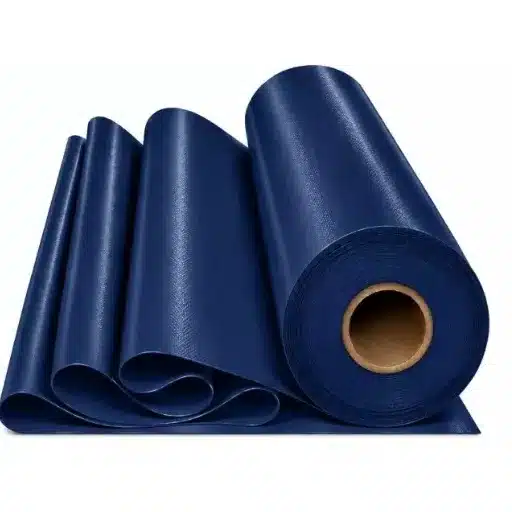
The number on an inflatable specification sheet is a weight per area, quoted as ounces per square yard (oz/yd²), the traditional North American figure for PVC-coated tarpaulin. Export and manufacturing markets state the same weight in grams per square meter (gsm). The conversion runs at about 33.9 gsm per ounce, so 18 oz lands near 610 gsm and 20 oz near 680 gsm.
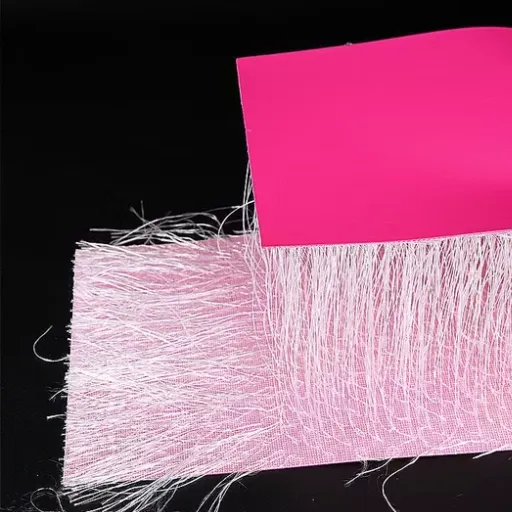
Both weights are built the same way: a woven high-tenacity polyester scrim sealed between two layers of PVC coating. What changes between them is the density of the scrim and the mass of the coating.
| Weight | GSM | Approx. thickness | Typical scrim | Grade |
|---|---|---|---|---|
| 18 oz | ~610 gsm | 0.50-0.60 mm | 1000D × 23×23 | Commercial standard |
| 20 oz | ~680 gsm | 0.60-0.75 mm | 1000D × 23×23 to 30×30 | Heavy-duty commercial |
| 22 oz | ~750 gsm | 0.70-0.85 mm | 1000D × 30×30 | Reinforcement panel |
| 28 oz | ~950 gsm | 0.85-1.00 mm | 1000D × 30×30+ | High-abuse panel |
A 70 gsm difference sounds small. It is roughly 11% more material, and because a large share of it sits in the coating and the weave density, the performance step is larger than the weight step suggests. That is the whole reason 18 oz vs 20 oz PVC vinyl is a real decision and not a rounding difference.
If you supply or specify inflatables rather than manufacture them, the full PVC inflatable fabric specifications guide walks through every number on this table, including how to read a conversion correctly.
18 oz vs 20 oz PVC Vinyl: Side-by-Side Specification Comparison
The table below is the direct answer to the 18 oz vs 20 oz PVC vinyl question, using the manufacturer-spec averages we publish for commercial fabric. These are typical values for virgin-grade PVC over a high-tenacity polyester scrim. Always confirm against the actual test report for the roll you are buying.
| Spec | 18 oz PVC (610 gsm) | 20 oz PVC (680 gsm) |
|---|---|---|
| Base scrim | 1000D × 23×23 polyester | 1000D × 23×23 to 30×30 |
| Tensile strength | 2,200-2,500 N/5cm | 2,500-2,900 N/5cm |
| Tear resistance | 280-320 N | 350-450 N |
| Abrasion resistance | Good | Very good |
| Commercial lifespan | 5-7 years | 6-8 years |
| Best duty | Dry-duty rental, general commercial | Wet/dry units, high-traffic floors, slide beds |
| Unit handling | Two people for setup | Two to three people for setup |
| Upfront cost | Baseline | About 20-25% higher |
| Typical price | $8-10 / m² | $10-12 / m² |
Two differences drive everything else in that table. First, the heavier coating on 20 oz puts more PVC between the scrim and the abrasion, which is why tear resistance and abrasion resistance move up more than tensile strength does. Second, the denser weave option (30×30 at the premium end) distributes load across more yarns per inch, which resists the localized stress that starts a seam failure.
Compare this to the lighter end of the range. If you are weighing 18 oz against the cheaper 15 oz grade instead of going heavier, the tradeoff runs the other direction and is more dramatic. Our comparison of 15 oz and 18 oz PVC vinyl for bounce houses covers that decision, including why 15 oz sits right at the residential-grade line.
Where 20 oz PVC Vinyl Earns Its Higher Price
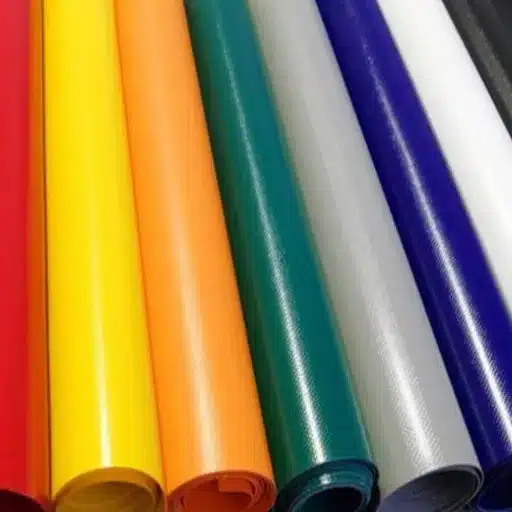
20 oz isn’t a general upgrade. It’s a targeted one, and it pays back only on panels that take one of three kinds of abuse: abrasion, sustained moisture, or high traffic volume.
Water slides and wet/dry units
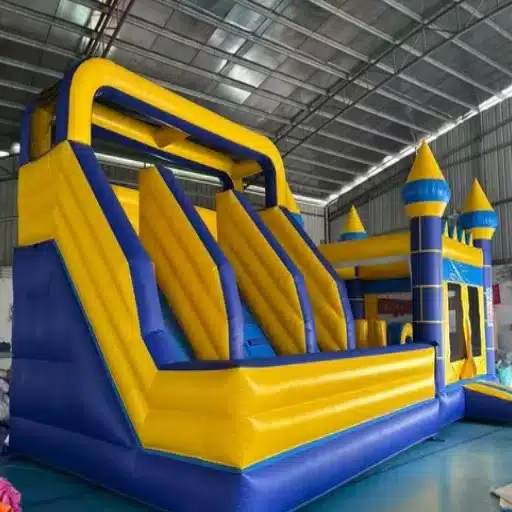
Water is the fastest way to shorten the life of an inflatable surface. Constant moisture softens the coating at a molecular level over time, and the combination of wet fabric and sliding weight is the hardest wear an inflatable surface sees. That is why slide beds are usually the first panel to fail on an 18 oz unit, exactly as they did on Priya’s slides.
20 oz raises the abrasion and tear ceiling on those beds, and the denser weave spreads the sliding load across more yarns. For units that run wet for most of the season, the upgrade is close to mandatory rather than optional. Our PVC tarpaulin for water slides guide details the coating and weld requirements that matter even more than weight on wet-duty fabric.
High-traffic floors and obstacle courses
Obstacle courses, climbing walls, and combo units concentrate foot traffic and hand contact on a small number of surfaces. Entry aprons, climbing holds, and jump floors near the entry point take hundreds of contacts per day. On an 18 oz unit in heavy rotation, those zones abrade and eventually thin.
Marcus runs a traveling festival operation across the Midwest. He standardized on 18 oz for his dry inflatables and kept replacing jump floors on his two busiest obstacle units every other season.
When he switched those two units to 20 oz bodies with 22 oz entry aprons, the floor replacement cycle stretched past three seasons and the patch rate on the aprons fell by roughly half. The heavier fabric didn’t last forever. It moved the failure point out past the point where it interrupted his booking calendar.
If a unit’s revenue depends on it being available every weekend, the abrasion zones are where the upgrade earns its money. Three signals point to 20 oz or heavier on a specific panel:
- The surface takes direct sliding, climbing, or foot traffic.
- The unit runs wet for most of the season.
- The panel already shows a replacement pattern shorter than three seasons.
When to step up to 22 oz and 28 oz
20 oz isn’t the top of the range, and on some panels it’s the wrong place to stop. Where a surface combines heavy load with direct abrasion, reinforcing with a heavier panel is more efficient than building the entire unit from 22 oz.
- Slide beds and center layers: often reinforced with 22 oz (750 gsm) panels.
- High-abrasion corners, entry aprons, and anchor points: frequently built from 28 oz (950 gsm).
Specifying reinforcement zones as part of the build is cheaper than paying for a heavier body throughout, and it puts the strength exactly where the stress lands. If your design calls for those panels, they should be written into the specification rather than left to the base fabric.
Not sure which zones need reinforcement? Our engineering team reviews unit designs and recommends the weight map, panel by panel, before production. Send us your drawing and duty cycle.
Where 18 oz PVC Vinyl Is Still the Right Call
The honest case for staying at 18 oz is a real one, and it covers most commercial inflatables.
Dry-duty rental fleets
For a rental fleet running dry units on a normal weekend rotation, 18 oz delivers 5-7 years of service with a patch-based repair profile. The step up to 20 oz buys roughly one more year of life and better abrasion resistance on the few panels that need it, at a 20-25% material premium across every panel that doesn’t.
If a unit’s surfaces aren’t taking sustained abrasion or moisture, that premium buys performance the unit will never use. For the fleet math on lifespan and repair economics at this weight, see our guide to how long bounce houses last.
Handling, storage, and transport
The second honest reason is weight of a different kind. A 20 oz unit is noticeably heavier to fold, lift, and load than an 18 oz unit of the same size. It needs more people for setup, takes more space in transport, and burns more labor on every event.
For a fleet that moves constantly or sets up with a two-person crew, that handling penalty accumulates across every booking. On dry-duty units, the durability gain rarely outweighs it.
The case against over-specifying
There is a cost to going heavier than the duty requires, and it isn’t only financial. Heavier fabric is stiffer, folds less tightly, and is harder to weld cleanly if the shop isn’t set up for it. A 20 oz panel welded badly is worse in service than an 18 oz panel welded well. Specifying weight without confirming the welding process is a common way to pay more and get less.
How to Verify You Are Getting the Weight You Paid For
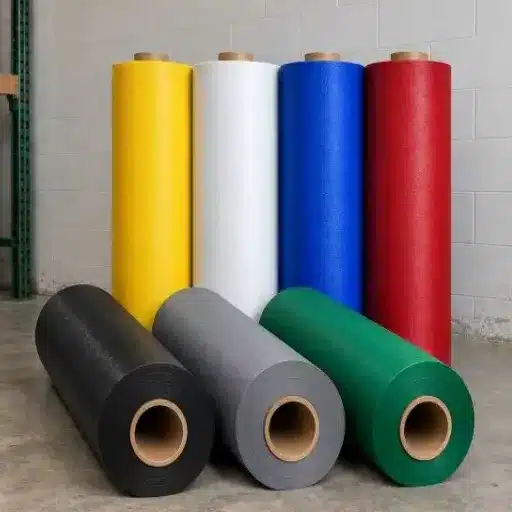
A material grade is measurable, and so is the gap between the grade you ordered and the grade you received. On the 18 oz side of the market, mislabeled imports are common enough that verification should be routine. On the 20 oz side, the same risk applies with a higher price attached.
Here is the checklist we give buyers who want to confirm the real weight and grade before a unit is built.
- Request the material spec sheet. It should state weight in oz/yd² and gsm, plus thickness in mm. A weight without a unit is not a specification.
- Check the scrim. Commercial 18 oz and 20 oz use 1000D high-tenacity polyester at 23×23 or denser. Avoid asymmetric 1000D × 500D weaves, which are weaker in one direction.
- Ask for the test report. Demand measured tensile and tear values from a recognized method such as ASTM D751 or EN ISO 1421, not a marketing claim on a website.
- Confirm fire certification. NFPA 701 compliance should come with a certificate number you can trace. The NFPA standard defines the test method most US fire codes require for indoor use.
- Confirm chemical compliance. Lead-free, phthalate-free material meeting CPSIA, REACH, or EN 71-3 is the baseline for anything children touch.
- Weigh a sample. A roll or a cut panel can be weighed in minutes, and the oz/yd² figure follows directly from that.
- Treat “heavy-duty” without numbers as a red flag. The label is meaningless without the data behind it.
Elena sources inflatables for a chain of family entertainment centers in Spain. She ordered twelve 20 oz “commercial grade” combo units from a new supplier and required a spec sheet before the second order.
It listed the body at 16 oz, four ounces under the invoice. The supplier had substituted a lighter fabric on the body panels while keeping 20 oz on the printed walls, where it showed. The spec sheet request caught it before the third order, and before a compliance audit would have.
Compliance runs through the fabric
Weight supports compliance because tensile and tear minimums are what protect against seam rupture at peak load. A standard such as ASTM F2374, the US industry benchmark for inflatable amusement devices, doesn’t specify a weight, but heavier fabric widens the margin between the spec sheet and a field failure. You can review the scope of the standard through ASTM International.
Buyers should ask for third-party test reports from recognized labs such as SGS, Intertek, or TÜV SÜD, and treat “certified” without a report as a claim rather than a fact.
FAQ: 18 oz vs 20 oz PVC Vinyl for Inflatables
Is 20 oz PVC better than 18 oz for bounce houses?
Not universally. 20 oz is better where surfaces take abrasion, sustained moisture, or heavy traffic, such as slide beds and obstacle floors. For dry-duty rental units, 18 oz delivers most of the durability at a lower cost and lighter handling weight.
What does 20 oz PVC weigh in gsm?
20 oz PVC is about 680 gsm, compared with about 610 gsm for 18 oz. The conversion runs at roughly 33.9 gsm per ounce per square yard.
How long does 20 oz PVC inflatable fabric last?
Under regular commercial use, 20 oz PVC typically lasts 6-8 years, compared with 5-7 years for 18 oz and 2-3 years for 15 oz. Actual life depends on duty cycle, wet versus dry use, and storage.
Is 20 oz too heavy for a bounce house?
For a full dry-duty unit, often yes. The extra weight raises cost and makes setup, folding, and transport harder. The more efficient approach is to use 18 oz for the body and reserve 20 oz, 22 oz, or 28 oz for the specific panels that need it.
Which weight should I use for a water slide?
20 oz or heavier on the slide bed. Wet sliding is the most abrasive duty in the inflatable range, and the bed is the first panel to fail on lighter fabric.
Does 20 oz cost much more than 18 oz?
Commercial PVC inflatable fabric runs about 8−10persquaremeterat18ozand8−10persquaremeterat18ozand10-12 at 20 oz, a gap of roughly 20-25%. That premium is justified only on the panels that actually see abrasion or wet duty.
Conclusion: Choosing Between 18 oz and 20 oz PVC Vinyl
The 18 oz vs 20 oz PVC vinyl decision comes down to where the abuse lands. 18 oz is the correct body fabric for most commercial inflatables: 5-7 years of service, a patch-based repair profile, and easier handling at the right price. 20 oz earns its premium on the panels that take abrasion, sustained moisture, or high traffic, and it extends service life to 6-8 years.
The mistake is applying either number to a whole unit without thinking about zones. Build the body at 18 oz, reinforce the stress points at 20 oz or heavier, and put the money where the wear actually happens.
Before you order, verify the weight. Request the spec sheet, confirm oz/yd² and GSM, check the scrim denier and weave, and ask for third-party tensile and tear values. A supplier who can state those numbers is selling a specification. One who can’t is selling a label.
When you are ready to specify a unit, our engineering team supplies certified 18 oz, 20 oz, and 22 oz PVC inflatable fabric. Start with our commercial PVC inflatable fabric range, or request a sample and specification sheet for your duty cycle. If your design needs custom weights, coatings, or reinforced panels, our custom tarpaulin manufacturing team builds to your exact requirements. The right weight, placed correctly, is the difference between a unit that earns for years and one that fails in the middle of a booking.